Why Native Plants Are Great Plants to Grow in Your Garden

Why Native Plants Are Great Plants to Grow in Your Garden

Native plants are becoming increasingly popular in Australian gardens, and for good reason. Australian native plants are naturally suited to our climate and conditions, making them a practical and rewarding choice for both new and established gardens.

Whether you are creating a low-maintenance landscape, attracting wildlife, or simply looking for plants that thrive in the Sunshine Coast climate, native plants offer many advantages for home gardens.

At Sunshine Coast Garden Centre we regularly recommend native plants because they are reliable, hardy, and beautiful additions to almost any garden.

Native Plants Are Adapted to Local Conditions

One of the biggest advantages of growing native plants is that they are naturally adapted to Australian conditions. Unlike many exotic plants, natives have evolved to cope with our soils, rainfall patterns and climate.

This means native plants often establish quickly and grow well with less intervention.

Many Australian natives perform particularly well in Sunshine Coast and Brisbane gardens, handling warm temperatures, seasonal rainfall and coastal conditions better than many imported species.

Native Plants Are Often More Drought Tolerant

Many native plants are naturally drought tolerant once established. This makes them ideal for Australian gardens where water conservation is important.

Plants such as Grevillea, Callistemon, Banksia and Westringia are well known for their ability to handle dry conditions while still producing beautiful flowers and foliage.

Choosing drought tolerant native plants can help reduce the amount of watering required in your garden while still creating a vibrant and attractive landscape.

Native plants can handle more dryer conditions if required and are very hardy

Native Plants Support Local Wildlife

Another major benefit of growing native plants is that they help support local wildlife.

Many Australian birds, bees and beneficial insects rely on native plants for food and shelter. Flowering natives such as Grevillea and Callistemon are particularly attractive to nectar-feeding birds like lorikeets and honeyeaters.

By planting natives in your garden you can help create a small ecosystem that supports local biodiversity while also enjoying the presence of birds and pollinators.

Planting native plants encourages wildlife into your garden

Native Plants Are Often Low Maintenance

Native plants are often easier to care for compared to many exotic garden plants.

Once established, many natives require:

• Less watering
• Less fertiliser
• Minimal pruning
• Less pest management

This makes them an excellent choice for gardeners who want a beautiful landscape without constant maintenance.

Plants such as Lomandra, Westringia and many Grevillea varieties are particularly popular for low-maintenance gardens.

Native Plants Provide Beautiful Flowers and Foliage

Australian native plants are known for their unique and vibrant flowers.

Many species produce striking blooms in colours such as red, pink, yellow and orange, creating dramatic displays in the garden.

Examples of popular flowering natives include:

• Grevillea
• Callistemon (Bottlebrush)
• Banksia
• Anigozanthos (Kangaroo Paw)

In addition to flowers, many natives also have attractive foliage that provides year-round interest in the garden.

Kangaroo paw native plant flowering -

Native Plants Are Ideal for Many Garden Styles

Native plants are incredibly versatile and can be used in many different garden styles.

They are perfect for:

• Native gardens
• Coastal gardens
• Low-maintenance gardens
• Wildlife gardens
• Modern landscape designs

With careful plant selection, native plants can also work beautifully alongside tropical plants and ornamental species.

Some Australian Native Plants Are Also Edible

Another interesting benefit of growing native plants is that some Australian natives produce edible fruits, leaves or seeds that have been used for thousands of years by Indigenous Australians.

These plants are often referred to as bush foods or bush tucker plants, and many of them can be grown successfully in home gardens.

Adding edible native plants to your garden allows you to enjoy unique Australian flavours while also growing plants that are well suited to local conditions.

Some popular edible native plants include:

Finger Lime (Citrus australasica)
Often called “citrus caviar”, finger limes produce small elongated fruits filled with tangy citrus pearls that are widely used in modern cooking.

Lemon Myrtle (Backhousia citriodora)
Lemon myrtle is a native Australian tree whose leaves have a strong lemon flavour. The leaves are commonly used in teas, cooking and desserts.

Midyim Berry (Austromyrtus dulcis)
This low growing native shrub produces small white berries with a mild sweet flavour and is well suited to coastal gardens.

Davidson Plum (Davidsonia spp.)
Davidson plum produces dark purple fruits with a tart flavour that are often used in jams, sauces and desserts.

Native Rosella (Hibiscus heterophyllus / Abelmoschus manihot varieties)
Native rosella plants produce edible flowers and calyces that can be used in teas, jams and syrups.

Growing edible native plants is a great way to combine gardening, sustainability and unique Australian flavours in your landscape.

some of our Australian native plants are even edible - please check which ones before eating them
always check which plants are edible before trying them out :)

Popular Native Plants for Sunshine Coast Gardens

Some native plants that perform well in Sunshine Coast gardens include:

Grevillea varieties
Callistemon (Bottlebrush)
Banksia
Lomandra
Westringia
Anigozanthos (Kangaroo Paw)
Melaleuca

These plants provide colour, structure and resilience in local gardens.

Check out some of the other Natives we grow in our Nursery


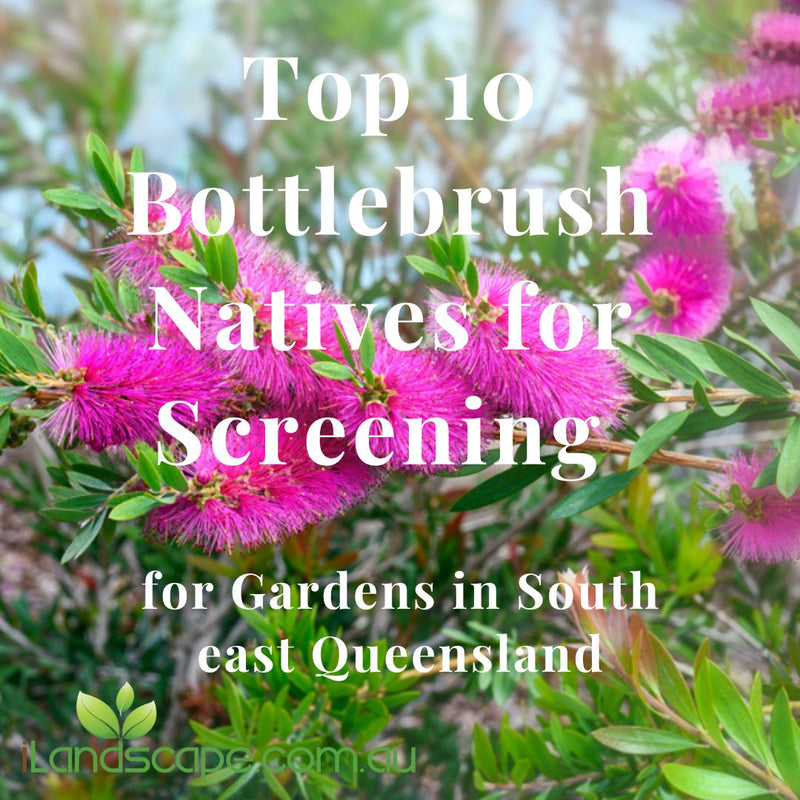
Callistemon ‘Cherry Time’ with dense green foliage and bright cherry-red bottlebrush flowers

Callistemon Cherry Time

Description:Callistemon ‘Cherry Time’ is a compact and vibrant Australian native shrub known for its rich cherry-red bottlebrush flowers and dense, glossy green foliage. This eye-catching variety is perfect for low hedging, borders, and feature planting, offering bright seasonal colour and strong bird-attracting qualities. Hardy and low-maintenance, ‘Cherry Time’ is ideal for gardens of all sizes and suits a wide range of conditions. Flowers:Striking cherry-red bottlebrush flowers bloom in spring and summer, with occasional spot flowering throughout the year. The blooms are nectar-rich and attract honeyeaters, bees, and butterflies. Foliage:Lush, mid-green foliage with soft, narrow leaves forms a dense and compact shape. New growth may emerge with a subtle bronze tint. Fruit:Woody seed capsules may develop after flowering and remain on the stems for added visual interest. Form & Size:Compact shrub reaching approximately 1–1.5m high and 1–1.2m wide, with a naturally rounded habit. Growing Conditions: Position: Prefers full sun but will tolerate part shade. Soil: Grows in most well-drained soils, including sandy and clay types. Climate: Suitable for coastal, temperate, and light frost conditions. Watering: Drought-tolerant once established. Water occasionally during long dry periods. Uses: Excellent for low hedges, borders, and native garden beds. Ideal for small gardens, feature planting, and wildlife-friendly landscapes. Suitable for growing in large pots or containers. Maintenance: Very low-maintenance. Light pruning after flowering helps maintain shape and encourages fresh blooms. Apply a low-phosphorus native fertiliser in spring to promote strong growth and flowering. Notes: Bird and pollinator-friendly. Compact size makes it ideal for smaller spaces or formal garden styles. Offers a colourful alternative to traditional red bottlebrush varieties. Companion Plants:Pairs well with Westringia, Lomandra, Grevillea ‘Rosy Posy’, and Leptospermum for a cohesive, water-wise native garden. Common Name: Cherry Time BottlebrushBotanical Name: Callistemon ‘Cherry Time’Family: MyrtaceaeOrigin: Australia (cultivar)

Regular price $11.95 AUD
Regular price Sale price $11.95 AUD
Unit price  per 
Banksia ‘Bird Song’ with dense green foliage and vibrant golden-orange flower spikes

Banksia spinulosa x ericifolia 'Bird Song'

Description:Banksia ‘Birdsong’ is a beautiful medium-sized hybrid native shrub, combining the fine foliage of Banksia ericifolia with the compact flowering habit of Banksia spinulosa. It produces masses of soft golden-orange flower spikes that bloom over a long season, attracting nectar-feeding birds and pollinators. Hardy, low-maintenance, and eye-catching, ‘Birdsong’ is ideal for feature planting, native garden beds, or informal screening. Flowers:Golden-orange cylindrical flower spikes appear from autumn through to spring, standing upright among the foliage. The flowers are rich in nectar and highly attractive to honeyeaters, bees, and butterflies. Foliage:Fine, narrow dark green leaves with a soft texture, offering year-round interest and a dense, bushy form. Fruit:Woody cones may develop after flowering and can remain on the plant for several seasons, adding rustic character. Form & Size:Medium-sized, upright shrub growing approximately 1.5–2m high and 1.2–1.5m wide. Growing Conditions: Position: Prefers full sun to part shade. Soil: Well-drained sandy, loamy, or gravelly soils. Avoid heavy clay or poorly drained soils. Climate: Suited to a wide range of Australian climates including coastal, temperate, and light frost areas. Watering: Drought-tolerant once established. Requires occasional deep watering in extended dry periods. Uses: Ideal for feature planting, informal screens, and native borders. Great for attracting birds and pollinators to the garden. Suitable for wildlife-friendly and low-maintenance garden designs. Maintenance: Low-maintenance and easy to grow. Light pruning after flowering maintains shape and promotes bushiness. Apply a low-phosphorus native fertiliser in spring to support healthy growth. Notes: Fire-retardant qualities make it suitable for bushfire-prone areas. Long flowering period provides extended seasonal colour. Non-invasive and adaptable to most native landscape designs. Companion Plants:Pairs well with Grevillea, Callistemon, Lomandra, and Leptospermum for a resilient, colourful native planting palette. Common Name: Birdsong BanksiaBotanical Name: Banksia spinulosa × ericifolia ‘Birdsong’Family: ProteaceaeOrigin: Australia (cultivar hybrid)

Regular price From $17.00 AUD
Regular price Sale price From $17.00 AUD
Unit price  per 
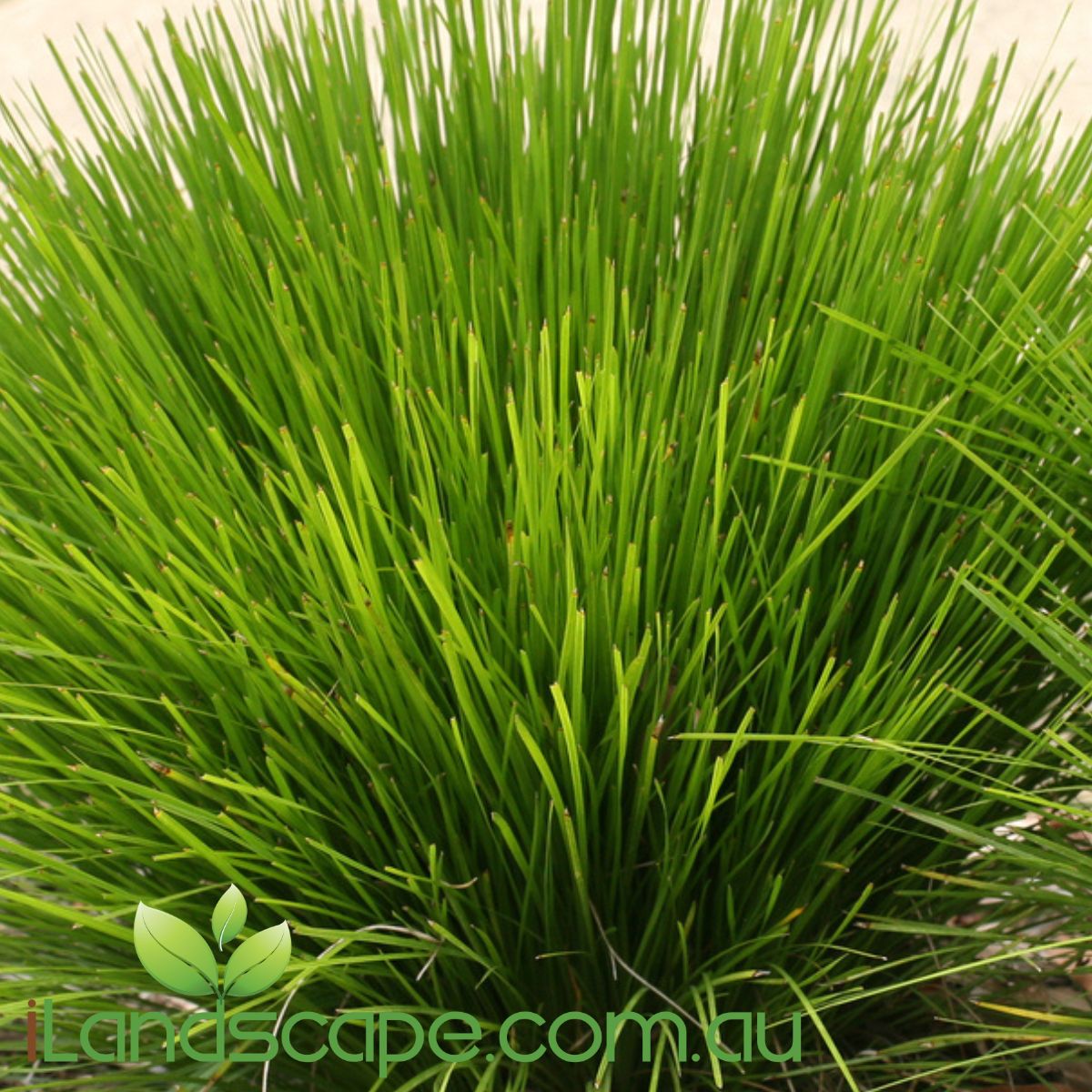
Lomandra Lime Tuff native grass with lime green foliage

Lomandra Lime tuff

DescriptionLomandra ‘Lime Tuff’ is a compact, clumping native grass prized for its fresh lime-green foliage and exceptional toughness. Bred specifically for Australian conditions, it delivers year-round colour and structure while requiring minimal maintenance. Its tidy, rounded habit makes it ideal for modern landscapes, mass plantings, and low-care gardens where reliability is key. FlowersSmall, creamy-yellow flower spikes appear mainly in spring, held subtly above the foliage. While not highly ornamental, they add seasonal interest and attract beneficial insects. FoliageThe narrow, arching leaves are a vibrant lime-green, creating a soft yet structured look in the landscape. The colour remains consistent throughout the year and provides excellent contrast against darker foliage plants or hard landscaping. Form & SizeForms a dense, rounded clump approximately 50–60cm high and wide, maintaining a neat shape without splitting or becoming untidy over time. Growing Conditions Light: Full sun to part shade Soil: Free-draining soils preferred but highly adaptable Water: Drought tolerant once established Climate: Performs exceptionally well in warm, humid and coastal conditions, including South East Queensland Hardiness: Frost tolerant once established Uses Borders and edging Mass plantings Commercial and streetscape landscapes Low-maintenance gardens Feature contrast planting Containers and planter pots MaintenanceVery low maintenance. An annual trim or tidy-up can be done if required to refresh the plant, though it generally maintains its shape naturally. Extremely tolerant of neglect, heat, humidity, and dry conditions. Notes‘Lime Tuff’ is known for its strong resistance to heat, drought, and humidity, making it a standout choice for year-round performance. It also shows good tolerance to foot traffic when planted en masse and is suitable for both residential and commercial landscapes. Companion PlantsPairs well with Lomandra ‘Tanika’, Westringia, Callistemon, Grevillea groundcovers, and architectural plants such as Cordyline and Agave. Common Name: Lomandra Lime TuffBotanical Name: Lomandra hystrix ‘Lime Tuff’Family: AsparagaceaeOrigin: Australia (cultivar selection)

Regular price From $11.50 AUD
Regular price Sale price From $11.50 AUD
Unit price  per 
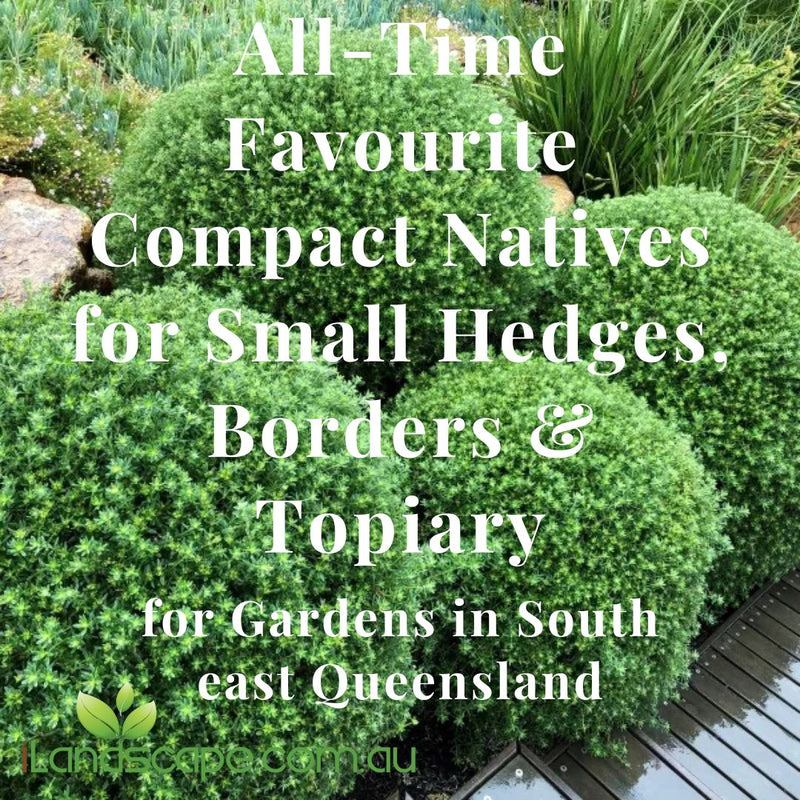
Westringia ‘Low Horizon’ PBR with silver-grey foliage forming a neat, low-growing shrub

Westringia fruticosa 'Low Horizon' PBR

Description:Westringia ‘Low Horizon’ PBR is a hardy, ground-hugging native shrub, specially bred for its ultra-low, dense, and spreading habit. Featuring soft grey-green foliage and occasional pale mauve flowers, this variety is perfect for groundcover, mass planting, or as a living mulch. Its tidy, compact form makes it ideal for modern landscapes, native gardens, and coastal sites. Flowers:Pale mauve flowers appear mainly in spring and summer, with spot flowering possible throughout the year. The soft blooms complement the fine foliage and attract small pollinators. Foliage:Soft, fine, grey-green leaves form a dense, low mat, offering year-round texture and excellent weed suppression. Fruit:Not a significant feature. Form & Size:Very low-growing, spreading shrub growing approximately 30cm high and 70–100cm wide. Maintains a naturally neat and compact form with minimal care. Growing Conditions: Position: Prefers full sun to part shade. Soil: Suitable for a wide range of well-drained soils, including sandy and coastal sites. Climate: Drought, frost, and coastal tolerant once established. Watering: Very low water requirement once established. Occasional deep watering in prolonged dry periods is beneficial. Uses: Ideal for low-maintenance groundcover and mass planting. Great for erosion control on slopes, embankments, or retaining walls. Perfect for borders, modern gardens, and coastal landscapes. Maintenance: Extremely low-maintenance. Can be left to grow naturally or lightly trimmed to maintain a crisp edge or shape. Apply a native slow-release fertiliser in spring if required. Notes: Provides excellent weed suppression. Fire-retardant and suitable for bushfire-prone areas. Hardy performer in tough, dry, or coastal locations. Companion Plants:Pairs well with Lomandra ‘Lime Tuff’, Dianella ‘Little Jess’, Grevillea groundcovers, and Callistemon ‘Low Rider’ for a cohesive, drought-tolerant planting scheme. Common Name: Low Horizon Coastal RosemaryBotanical Name: Westringia fruticosa ‘Low Horizon’ PBRFamily: LamiaceaeOrigin: Australia (cultivar)

Regular price $15.00 AUD
Regular price Sale price $15.00 AUD
Unit price  per 
Anigozanthos Landscape Tangerine Kangaroo Paw orange flowers

Anigozanthos Landscape Tangerine - Kangaroo Paw

DescriptionAnigozanthos ‘Landscape Tangerine’ is a vibrant, clumping Australian native known for its striking tangerine-orange flower spikes and strong garden performance. Bred for landscape use, this hardy kangaroo paw offers excellent colour contrast, long flowering periods and reliable durability in Australian conditions, making it ideal for modern gardens and mass plantings. FlowersProduces vivid tangerine-orange, velvety tubular flowers on upright stems that rise above the foliage. Flowering is prolific through spring, summer and into autumn, providing long-lasting colour and attracting birds and pollinators. FoliageFeatures neat clumps of strappy, mid-green leaves that provide year-round structure and contrast beautifully with the bright flower spikes. Form & SizeA compact, upright clumping perennial growing approximately 50–70cm high and 40–60cm wide, making it perfect for borders, feature planting and containers. Growing ConditionsPrefers a sunny position in well-drained soil. Highly suited to Australian climates, particularly coastal and warmer regions. Tolerates dry conditions once established and benefits from good airflow around the foliage. UsesIdeal for garden beds, borders, native gardens, mass plantings and pots. Excellent for adding bright seasonal colour and attracting birds to the garden. Also suitable for cut flowers. MaintenanceRemove spent flower stems to encourage repeat flowering. Prune back foliage annually to rejuvenate the plant and maintain a tidy shape. Avoid overwatering and ensure good drainage to prevent root issues. NotesA reliable, low-maintenance variety bred for improved disease resistance and strong flowering performance in landscape settings. Companion PlantsPairs beautifully with lomandra, grevillea, westringia and other drought-tolerant native grasses and shrubs for a cohesive native garden design. Common Name: Kangaroo PawBotanical Name: Anigozanthos ‘Landscape Tangerine’Family: HaemodoraceaeOrigin: Australia

Regular price $12.95 AUD
Regular price Sale price $12.95 AUD
Unit price  per 
Melaleuca SPACE SAVER™ with compact green foliage forming a tidy hedge or screen

Melaleuca armillaris (MELA01) pbr intended SPACE SAVER™

Description:Melaleuca armillaris SPACE SAVER™ (MELA01) PBR is a compact, upright Australian native shrub specifically selected for its narrow, tidy form and dense green foliage. Unlike the traditional Melaleuca armillaris, this variety maintains a slim profile, making it ideal for hedging and screening in tight spaces. Hardy and fast-growing, it is perfect for low-maintenance native landscapes and performs well in coastal, dry, and windy conditions. Flowers:Soft white bottlebrush-style flowers appear in spring and early summer, providing a subtle seasonal display and attracting bees and other pollinators. Foliage:Fine, soft, needle-like green foliage held tightly along upright stems. Maintains density from top to base, even without regular pruning. Fruit:Small, woody seed capsules may form after flowering, adding texture to the branches. Form & Size:Upright, columnar shrub growing approximately 1.5–2.5m high and 1m wide, making it perfect for narrow garden beds or along fences. Growing Conditions: Position: Thrives in full sun; tolerates part shade. Soil: Adapts well to a wide range of soil types, including sandy, clay, and poor soils. Climate: Suitable for most Australian climates, including coastal regions and areas with light frost. Watering: Very drought-tolerant once established. Handles dry periods and poor soils with ease. Uses: Ideal for narrow hedging, screening, and windbreaks. Excellent for coastal gardens and exposed sites. Great for formal or native garden styles requiring low-maintenance structure. Maintenance: Extremely low-maintenance. Occasional light pruning after flowering can help maintain a dense, formal shape. Apply a native slow-release fertiliser in spring if desired. Notes: Tough and reliable in challenging conditions. Bird and pollinator-friendly. Non-invasive, with a naturally neat and slender form that reduces the need for heavy trimming. Companion Plants:Pairs well with Westringia, Callistemon, Lomandra, and Grevillea for a hardy, water-wise native landscape. Common Name: Space Saver™ Honey MyrtleBotanical Name: Melaleuca armillaris (MELA01) PBRFamily: MyrtaceaeOrigin: Australia (selected cultivar)

Regular price From $15.00 AUD
Regular price Sale price From $15.00 AUD
Unit price  per 

by Jason Kay – March 09, 2026