

10 of Our Favourite Grevilleas for Sunshine Coast Gardens

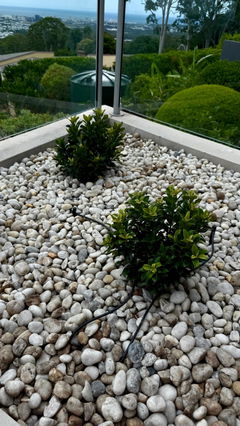
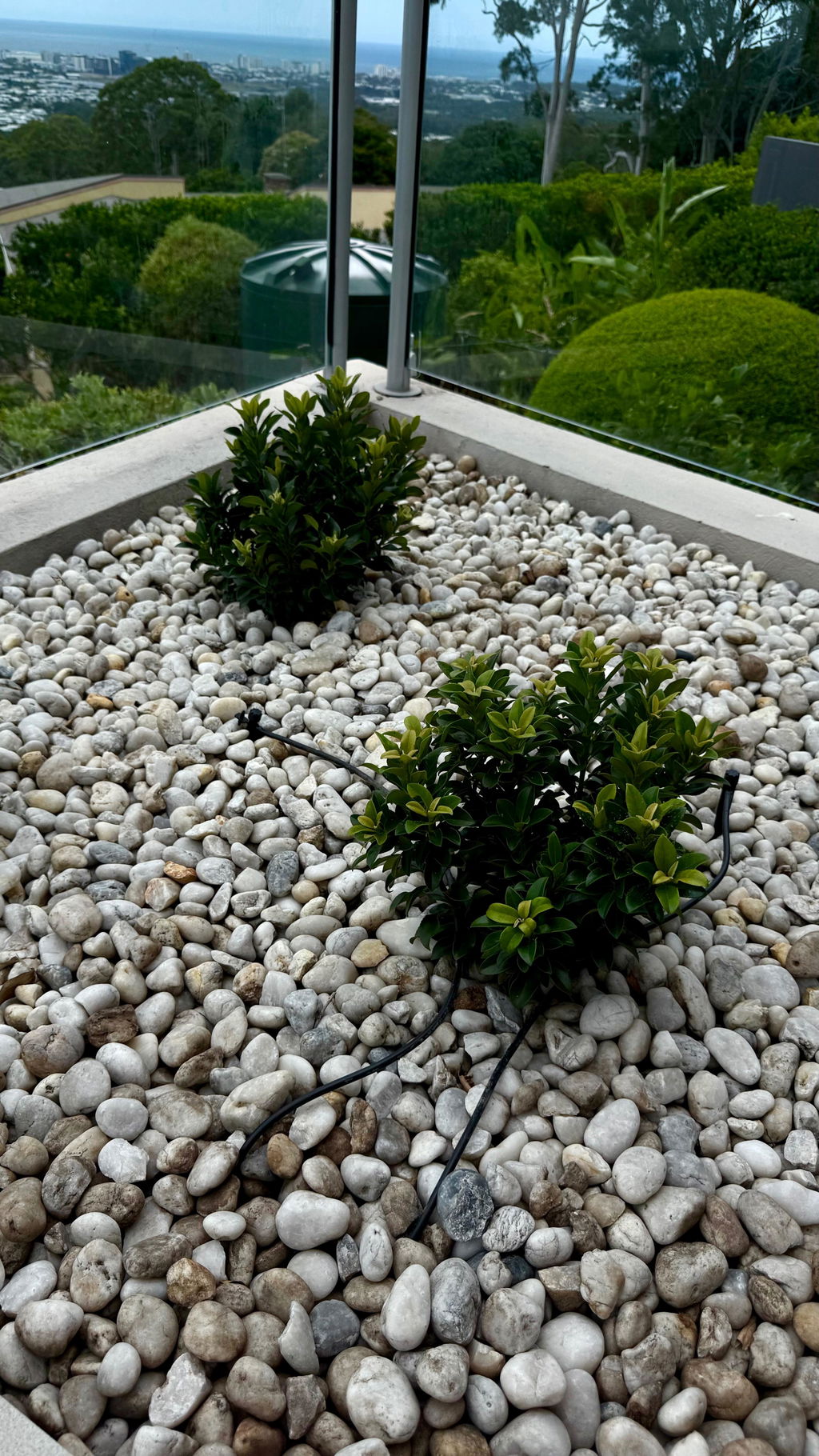
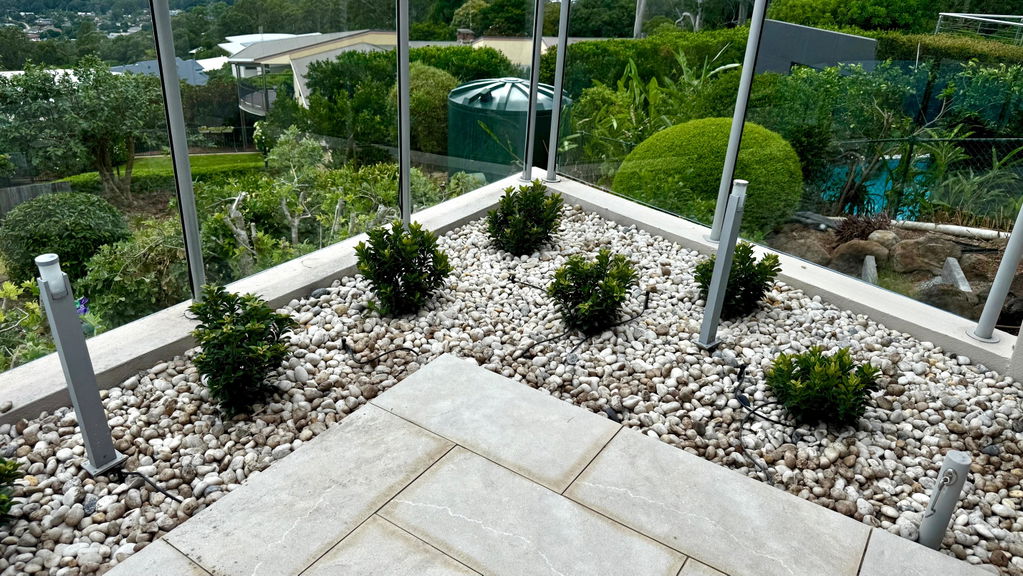
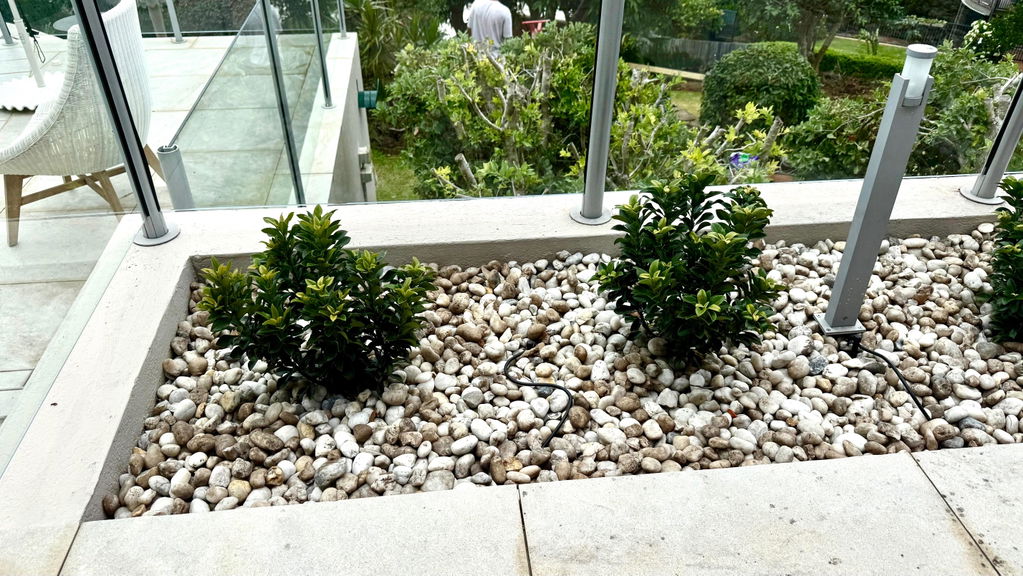
Murraya paniculata ‘Min-a-Min’, commonly known as Dwarf Mock Orange, is a compact, evergreen shrub valued for its dense, fine-textured foliage, naturally rounded growth habit and attractive appearance throughout the year. A smaller-growing selection of the popular Mock Orange, Min-a-Min is particularly well suited to low hedging, garden borders, pathway edging and decorative container planting.
Unlike standard Murraya paniculata, which can develop into a large screening shrub, Min-a-Min maintains a much smaller, more manageable size. Its naturally compact growth habit makes it an excellent choice for gardeners wanting the lush, evergreen appearance of Murraya without the regular heavy pruning required by larger varieties.
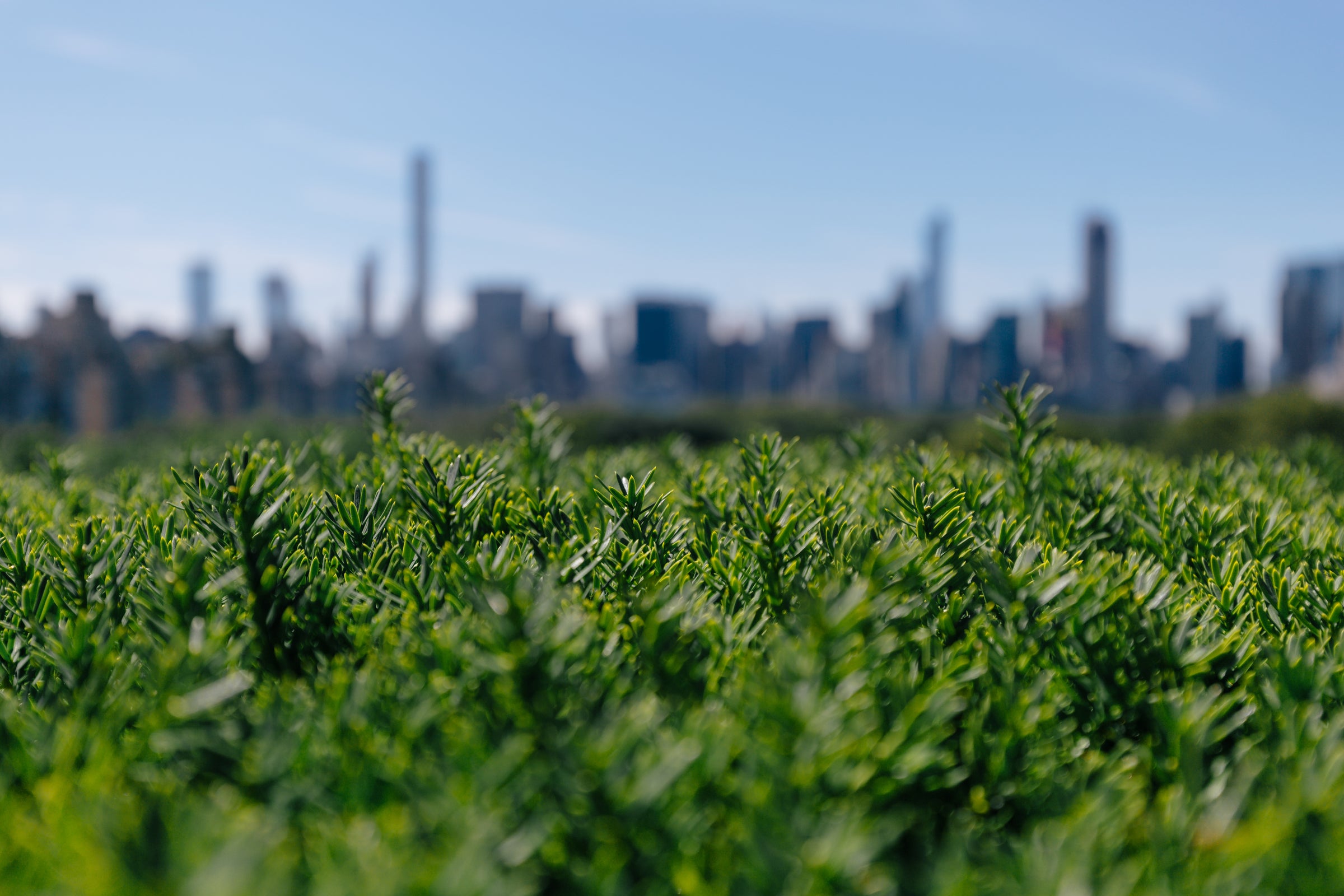
The foliage consists of small, glossy, deep green leaflets arranged along finely branched stems, creating a dense, soft-textured appearance. Fresh new growth emerges in lighter green tones before gradually maturing to a rich green, providing subtle colour variation throughout the growing season.
Murraya Min-a-Min may produce small, fragrant white flowers during favourable conditions, although flowering is generally less prominent and less reliable than in standard Murraya paniculata. Its main ornamental appeal is its compact form and attractive evergreen foliage rather than its floral display.
Growing to approximately 60–100 cm high and wide, Min-a-Min is ideal for creating low formal hedges, neatly clipped garden borders and attractive foundation plantings. It responds well to light trimming but can also be allowed to develop its naturally rounded shape.
Well suited to the warm subtropical climate of the Sunshine Coast and South East Queensland, Murraya Min-a-Min performs best in full sun to part shade and well-drained soil. Its compact size, dense foliage and versatile landscaping qualities make it a popular choice for contemporary, traditional and tropical garden designs.
Small, creamy-white flowers may occasionally appear during the warmer months, carrying the characteristic sweet, citrus-like fragrance associated with Mock Orange.
Flowering is generally sparse or irregular compared with standard Murraya paniculata and should be considered an occasional bonus rather than a primary feature.
Dense, glossy, dark green evergreen foliage consisting of small, finely textured leaflets.
The leaves are generally smaller than those of standard Murraya paniculata and Murraya Hip High, contributing to the plant's compact, delicate appearance.
Fresh new growth emerges in lighter green shades before maturing to a rich, deep green.
The naturally dense branching habit provides excellent coverage for low hedges and formal garden borders.
Small berries may occasionally develop following flowering, initially green before ripening to orange-red.
Fruit production is generally limited due to the variety's relatively infrequent flowering.
Height: Approximately 60 cm–1 metre.
Width: Approximately 60 cm–1 metre.
Growth Rate: Slow to moderate.
Habit: Compact, dense, naturally rounded evergreen shrub.
Hedging Height: Commonly maintained between 40–80 cm.
Suggested Hedge Spacing: Approximately 40–60 cm apart, depending on the desired hedge density and finished height.
Position: Full sun to part shade. A position receiving good natural light encourages compact growth and healthy foliage.
Soil: Prefers fertile, well-drained soil enriched with organic matter. Adaptable to a range of garden soils provided drainage is adequate.
Watering: Water regularly during establishment. Once established, plants have moderate drought tolerance but benefit from occasional deep watering during extended dry periods.
Climate: Well suited to tropical, subtropical and warm temperate climates, including the Sunshine Coast and South East Queensland.
Frost Tolerance: Sensitive to significant frost, particularly when young. Protect from prolonged cold and exposed conditions.
Fertilising: Apply a balanced slow-release fertiliser in spring and again during active growth if required.
Pruning: Responds well to occasional light trimming. Its naturally compact habit generally requires less frequent pruning than standard Murraya varieties.
Low Formal Hedging: An excellent choice for creating neat, compact hedges along pathways, garden beds and entrance areas.
Garden Borders: Provides attractive evergreen definition around landscaped garden beds and ornamental planting areas.
Pathway Edging: Ideal for establishing low, dense borders along garden paths and walkways.
Courtyard Gardens: Its naturally compact growth makes it suitable for smaller courtyards and outdoor living spaces.
Decorative Container Planting: Performs well in suitably sized decorative pots, providing year-round greenery for patios, balconies and entrances.
Formal Garden Designs: Can be maintained as a neatly clipped hedge or individual rounded shrub for structured garden layouts.
Foundation Planting: Suitable for planting beneath windows and along building foundations where a compact evergreen shrub is required.
Mass Planting: Plant in groups to create a continuous, low-growing evergreen display across larger garden beds.
Alternative to Buxus: A useful option for gardeners wanting a small-leaved, formal-looking hedge in warmer climates.
Murraya Min-a-Min is a relatively low-maintenance shrub once established.
Water regularly after planting to encourage healthy root development, particularly during warm or dry weather. Once established, reduce watering frequency while ensuring plants receive sufficient moisture during prolonged dry periods.
Apply organic mulch around the root zone to conserve moisture, regulate soil temperatures and reduce weed competition. Keep mulch clear of the main stems.
For formal hedging, lightly trim during active growth to maintain the desired height and shape. Its naturally dense, slow-growing habit means regular heavy pruning is generally unnecessary.
Apply a balanced slow-release fertiliser during spring to encourage healthy foliage and compact growth.
Monitor occasionally for scale insects and other common garden pests, treating where necessary.
Murraya Min-a-Min is a compact selection of Murraya paniculata, particularly valued for its fine foliage and naturally small growth habit.
Unlike standard Mock Orange, which can grow several metres tall, Min-a-Min generally remains below approximately 1 metre in height under normal garden conditions.
Its smaller leaflets and finer foliage distinguish it from Murraya Hip High, which typically has larger, rounder leaves and a more vigorous growth habit.
For a dense low hedge, space plants approximately 40–60 cm apart and lightly trim as they establish.
Although Min-a-Min flowers less frequently than standard Murraya, occasional flowers and berries may occur. As Murraya paniculata can spread through bird-dispersed seed in some areas, consider local environmental guidance when planting near natural bushland.
Gardenia florida: Glossy evergreen foliage and fragrant white flowers complement the compact appearance of Murraya Min-a-Min.
Lomandra: Fine, arching foliage creates an attractive textural contrast along low formal hedges.
Dianella: Strappy foliage and seasonal flowers provide additional texture and colour in mixed garden beds.
Agapanthus: Ideal for creating flowering borders behind or alongside compact Murraya hedges.
Westringia: Compact varieties provide contrasting foliage textures and complement formal garden designs.
Liriope: An excellent low-growing edging plant for pathways and garden beds.
Nandina Magical Daybreak: Colourful new foliage creates an attractive contrast against Min-a-Min's glossy green leaves.
Philodendron Xanadu: Bold tropical foliage provides a contrasting backdrop in sheltered subtropical gardens.
Alternanthera: Colourful low-growing foliage creates an attractive contrast in contemporary garden designs.
Read lessQuantity:
Usually ready in 5+ days —
As we cannot guarantee stock all year around on Pots & Plants please hit us up via the chat button and we can get back to you with availability
Delivery Options
Product Availability
Plants & Pots come and go all year around.
Where are our plants Grown and how do we grow them
How to Look after your plants like we do

49 Caloundra Road
Caloundra West QLD 4551
Australia
Pickup available, usually ready in 5+ days