

10 of Our Favourite Grevilleas for Sunshine Coast Gardens

Grown and cared for at our Sunshine Coast nursery.
Delivery available across all the Sunshine Coast.
Delivery available across Brisbane and surrounding areas.
Collect from our Caloundra West nursery once ready.
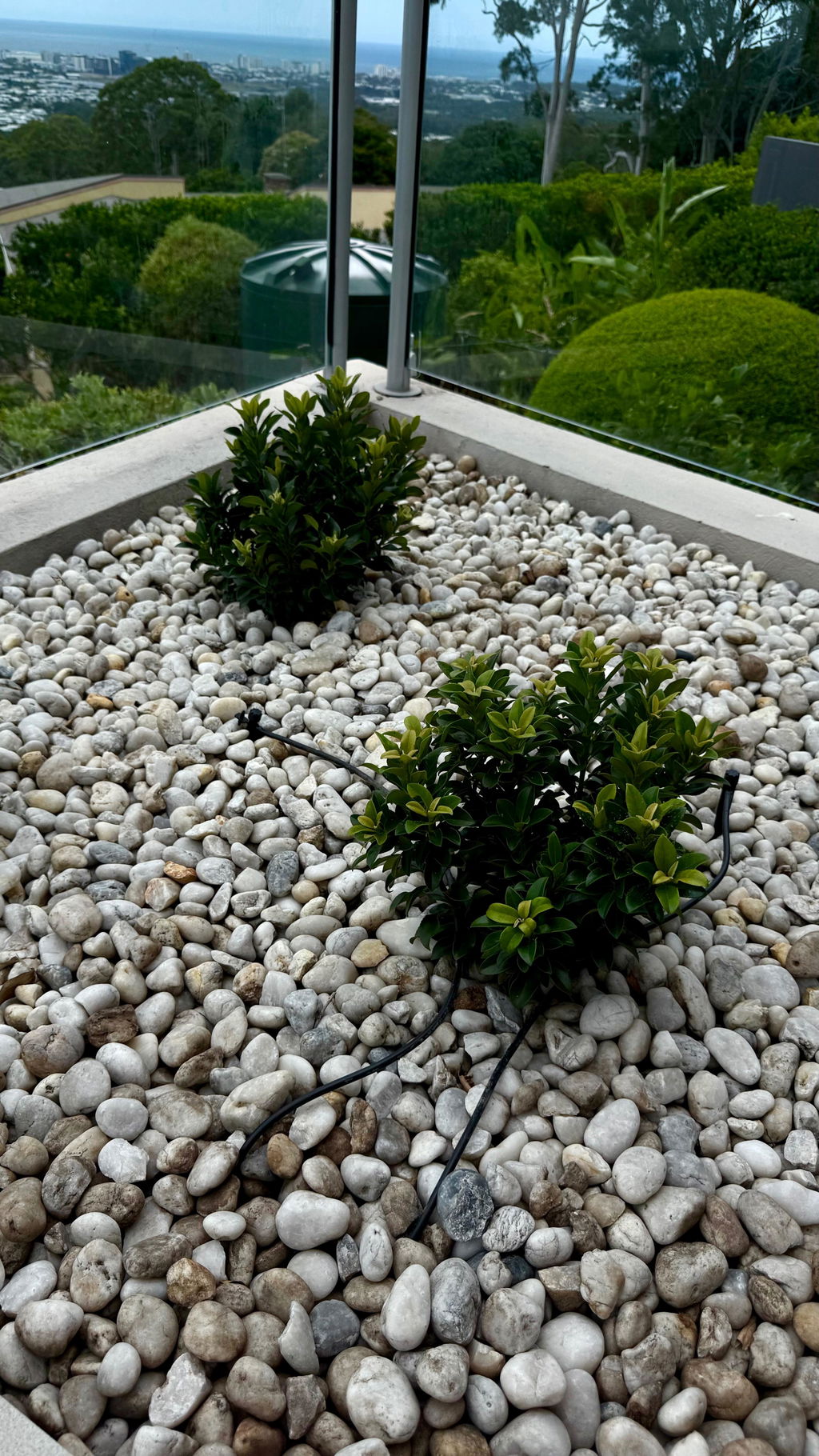
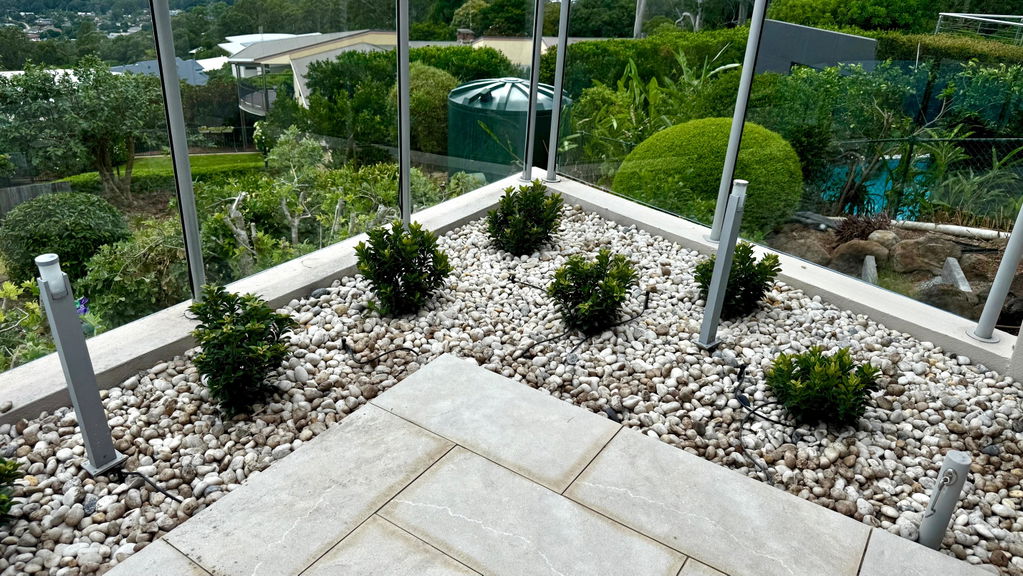
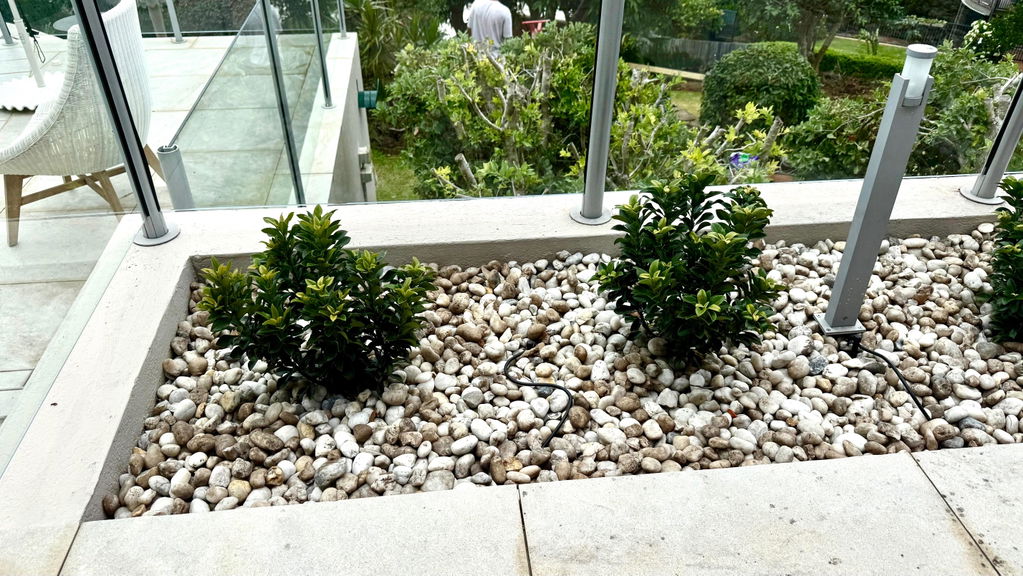
Murraya paniculata, commonly known as Mock Orange or Orange Jessamine, is a popular evergreen shrub valued for its lush, glossy green foliage, beautifully fragrant white flowers and excellent hedging and screening qualities. Its dense growth habit, attractive appearance and ability to respond well to regular pruning make it a versatile choice for residential gardens, formal landscapes and outdoor living spaces.
This fast-growing shrub produces masses of small, creamy-white flowers with a delightful citrus-like fragrance reminiscent of orange blossoms. Flowering occurs in flushes throughout the warmer months, often following rainfall, filling surrounding garden areas with a sweet perfume.
The foliage consists of small, glossy, deep green leaflets that form a dense, attractive canopy. Fresh new growth emerges in lighter green tones before maturing to a rich green, providing year-round colour and structure.
Murraya paniculata is particularly popular for creating formal hedges, privacy screens and garden boundaries. It responds exceptionally well to clipping and can be maintained at a range of heights, from compact ornamental hedges to taller screening plants. When allowed to grow naturally, it develops into a large, rounded shrub with an attractive, slightly informal appearance.
Well suited to the warm subtropical climate of the Sunshine Coast and South East Queensland, Mock Orange performs best in full sun to part shade with well-drained soil. Its combination of fragrant flowers, attractive evergreen foliage and versatile growth makes it a favourite for both traditional and contemporary gardens.
Small, five-petalled, creamy-white flowers are produced in clusters, releasing a strong, sweet fragrance similar to orange blossoms.
Flowering generally occurs from spring through autumn, with occasional additional flushes during favourable weather. Warm conditions and rainfall often encourage fresh flowering.
The fragrant flowers attract bees and other beneficial pollinating insects.
Dense, glossy, deep green foliage consisting of small, oval-shaped leaflets.
Fresh growth emerges a lighter green before gradually deepening in colour. The evergreen foliage provides year-round screening, structure and an attractive backdrop for flowering plants.
Regular trimming encourages compact branching and a fuller, denser appearance.
Following flowering, small oval berries may develop, initially green before ripening to orange or bright red.
The berries provide seasonal ornamental interest and may attract birds.
Height: Approximately 2–4 metres when grown naturally.
Width: Approximately 2–3 metres, potentially wider when left unpruned.
Growth Rate: Fast-growing under favourable conditions.
Habit: Dense, bushy evergreen shrub with a naturally rounded form.
Hedging Height: Commonly maintained between 1–2.5 metres through regular pruning.
Suggested Hedge Spacing: Approximately 80 cm–1.2 metres apart, depending on the desired hedge density and maintenance requirements.
Position: Full sun to part shade. Flowering is generally strongest in sunnier positions.
Soil: Prefers fertile, well-drained soil enriched with organic matter. Adaptable to a range of soil types provided drainage is adequate.
Watering: Water regularly during establishment. Once established, plants have moderate drought tolerance but benefit from supplementary watering during prolonged dry periods.
Climate: Well suited to warm subtropical and tropical climates, including the Sunshine Coast and much of South East Queensland.
Frost Tolerance: Sensitive to significant frost, particularly when young. Best planted in sheltered positions in cooler districts.
Fertilising: Apply a balanced slow-release fertiliser during spring and again during the warmer growing season if required.
Pruning: Responds well to regular trimming and shaping. Prune after flowering or during active growth to encourage dense foliage.
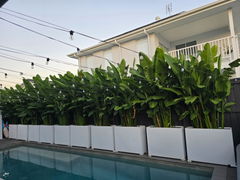
Privacy Screening: An excellent choice for creating dense evergreen screens along property boundaries, fences and outdoor entertaining areas.
Formal Hedging: Ideal for neatly clipped hedges that provide structure and definition to garden designs.
Garden Boundaries: Creates attractive green borders along pathways, driveways and landscaped garden beds.
Feature Shrub: Allow to develop naturally into a rounded flowering shrub for informal garden settings.
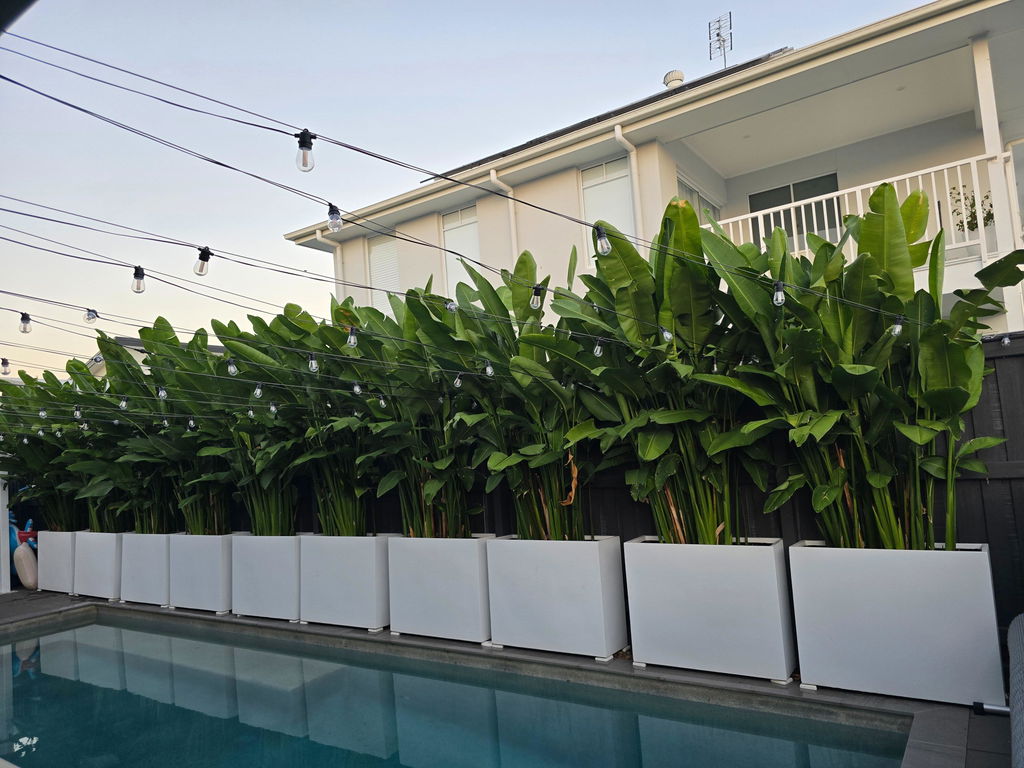
Poolside Landscaping: Suitable for creating green screening around pool areas where fragrant flowers and evergreen foliage are desired. Allow sufficient space for maintenance and falling flowers or fruit.
Courtyard Gardens: Adds year-round greenery and seasonal fragrance to sheltered courtyards and outdoor living areas.
Mass Planting: Plant in groups to create a continuous green backdrop or establish larger screening areas.
Container Growing: Can be maintained in large decorative pots with regular watering, fertilising and pruning.
Murraya paniculata is relatively easy to maintain once established.
Water regularly during the initial establishment period, particularly through hot or dry weather. Applying mulch around the root zone helps conserve moisture, regulate soil temperatures and reduce weed competition.
For formal hedging, trim regularly during the growing season to encourage dense branching and maintain the desired height and width. Light, frequent pruning generally produces a more compact hedge than occasional heavy cutting.
Apply a balanced slow-release fertiliser during spring to encourage healthy foliage and flowering.
Monitor for common garden pests, including scale insects and citrus-related pests, and treat where necessary.
Murraya paniculata is widely grown throughout Australian gardens for its fragrant flowers and reliable hedging performance.
For a dense privacy hedge, consistent plant spacing and regular pruning are important during establishment.
Mock Orange can be maintained at a relatively compact size, although plants left unpruned may develop into large shrubs.
Environmental Considerations: Some cultivated forms of Murraya paniculata, particularly the introduced 'Exotica' form, can spread into surrounding bushland through bird-dispersed seeds and are recognised as environmental weeds in parts of South East Queensland. Consider local planting requirements, especially near natural bushland, and select appropriate non-invasive alternatives where necessary.
Gardenia florida: Glossy foliage and fragrant white flowers complement the lush appearance of Murraya.
Lomandra: Provides attractive strappy foliage and contrasting texture along the base of hedges.
Dianella: Adds fine foliage, seasonal flowers and ornamental berries to mixed garden beds.
Agapanthus: Creates an attractive flowering border in front of established hedges.
Westringia: Contrasting fine foliage and compact growth complement formal garden designs.
Liriope: Ideal for low-maintenance edging and underplanting in suitable light conditions.
Nandina: Colourful foliage creates an attractive contrast against Murraya's deep green leaves.
Philodendron Xanadu: Adds bold tropical foliage to sheltered garden beds and courtyards.
Quantity:
Our plants and pots are sold both online and at our nursery, so stock availability can change throughout the day.
Need a specific quantity or planning a larger order? Chat with our team using the chat button to confirm availability before purchasing.
Usually ready in 5+ days —
Delivery Options
Product Availability
Plants & Pots come and go all year around.
Where are our plants Grown and how do we grow them
How to Look after your plants like we do

49 Caloundra Road
Caloundra West QLD 4551
Australia
Pickup available, usually ready in 5+ days