


10 of Our Favourite Grevilleas for Sunshine Coast Gardens

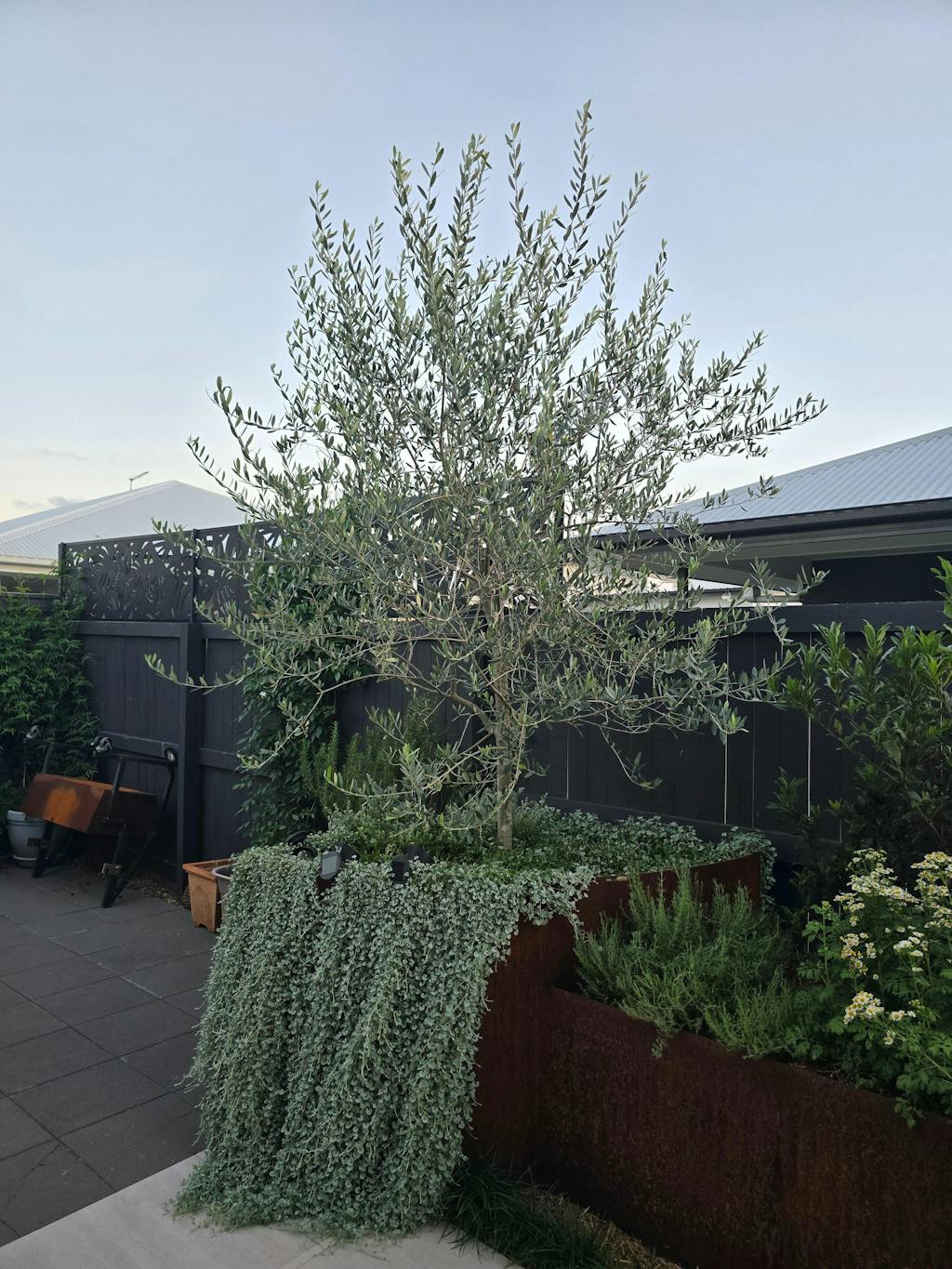
Rosemary ‘Gallipoli’ is a hardy, compact evergreen rosemary with a remarkable connection to Australian history. This special selection has been propagated from rosemary originating from the Gallipoli Peninsula, linking it to the ANZAC story and Australia’s long tradition of using rosemary as a symbol of remembrance.
Growing into a dense, upright shrub with highly aromatic foliage and attractive pale blue flowers, Rosemary ‘Gallipoli’ is both ornamental and useful. It is ideal for herb gardens, hedging, pots, borders and memorial gardens, while the fragrant foliage can also be harvested for culinary use.
Produces attractive pale blue flowers, with flowering particularly prominent from winter through spring. The nectar-rich flowers are attractive to bees and other beneficial pollinators.
Evergreen, narrow and highly aromatic green leaves with paler undersides. The strongly scented foliage provides year-round interest and can be harvested fresh for culinary use.
Small, dry seed-producing fruits may develop following flowering but are generally insignificant and are not considered an ornamental feature.
A compact, upright and bushy evergreen shrub growing approximately 1 m high × 1 m wide. Regular light pruning will help maintain a dense and well-shaped plant.
Light: Full sun is preferred for dense growth, good flowering and strongly aromatic foliage.
Soil: Prefers well-drained soil and performs particularly well in sandy, loamy and relatively poor soils. Avoid waterlogged or constantly wet positions.
Water: Water regularly while establishing. Once established, Rosemary ‘Gallipoli’ has low water requirements and good drought tolerance.
Frost: Frost hardy once established.
Wind: Tolerates exposed positions and is suitable for coastal gardens.
Climate: Well suited to Mediterranean, temperate and warm temperate climates. In subtropical areas such as the Sunshine Coast, plant in a sunny, well-drained position with good airflow, particularly during prolonged periods of wet or humid weather.
Ideal for herb and kitchen gardens, low hedging, borders, pots and containers, Mediterranean-style gardens, sensory gardens and coastal landscapes. Its historical significance also makes it an excellent choice for memorial gardens, schools, community gardens and commemorative plantings.
Low maintenance once established. Lightly prune after flowering or regularly tip prune to maintain a compact, bushy shape and reduce the development of old woody growth. Avoid overwatering and ensure good drainage. Feed lightly during the growing season as required.
Rosemary ‘Gallipoli’ has a special place in Australian history. It has been propagated from rosemary linked to a plant brought back from the Gallipoli Peninsula by a wounded Australian soldier during the First World War.
Rosemary itself has become an important Australian symbol of remembrance and is traditionally worn on ANZAC Day and sometimes Remembrance Day. Its significance is particularly appropriate as rosemary grows naturally on the Gallipoli Peninsula.
Along with its historical significance, ‘Gallipoli’ is an attractive and practical garden plant, offering aromatic culinary foliage, attractive flowers and a hardy, compact growth habit.
Pairs well with Lavender, Thyme, Oregano, Sage, Westringia, Lomandra and other Mediterranean-style or drought-tolerant plants. It is also an excellent companion for Lone Pine and other plants used in commemorative and remembrance gardens.
Common Name: Gallipoli Rosemary
Botanical Name: Salvia rosmarinus ‘Gallipoli’ (syn. Rosmarinus officinalis ‘Gallipoli’)
Family: Lamiaceae
Origin: Gallipoli Peninsula, Turkey
Quantity:
Usually ready in 24 hours —
As we cannot guarantee stock all year around on Pots & Plants please hit us up via the chat button and we can get back to you with availability
Delivery Options
Product Availability
Plants & Pots come and go all year around.
Where are our plants Grown and how do we grow them
How to Look after your plants like we do

49 Caloundra Road
Caloundra West QLD 4551
Australia
Pickup available, usually ready in 24 hours