Products

Filters

View

Filters

Clear all

Price

$
$
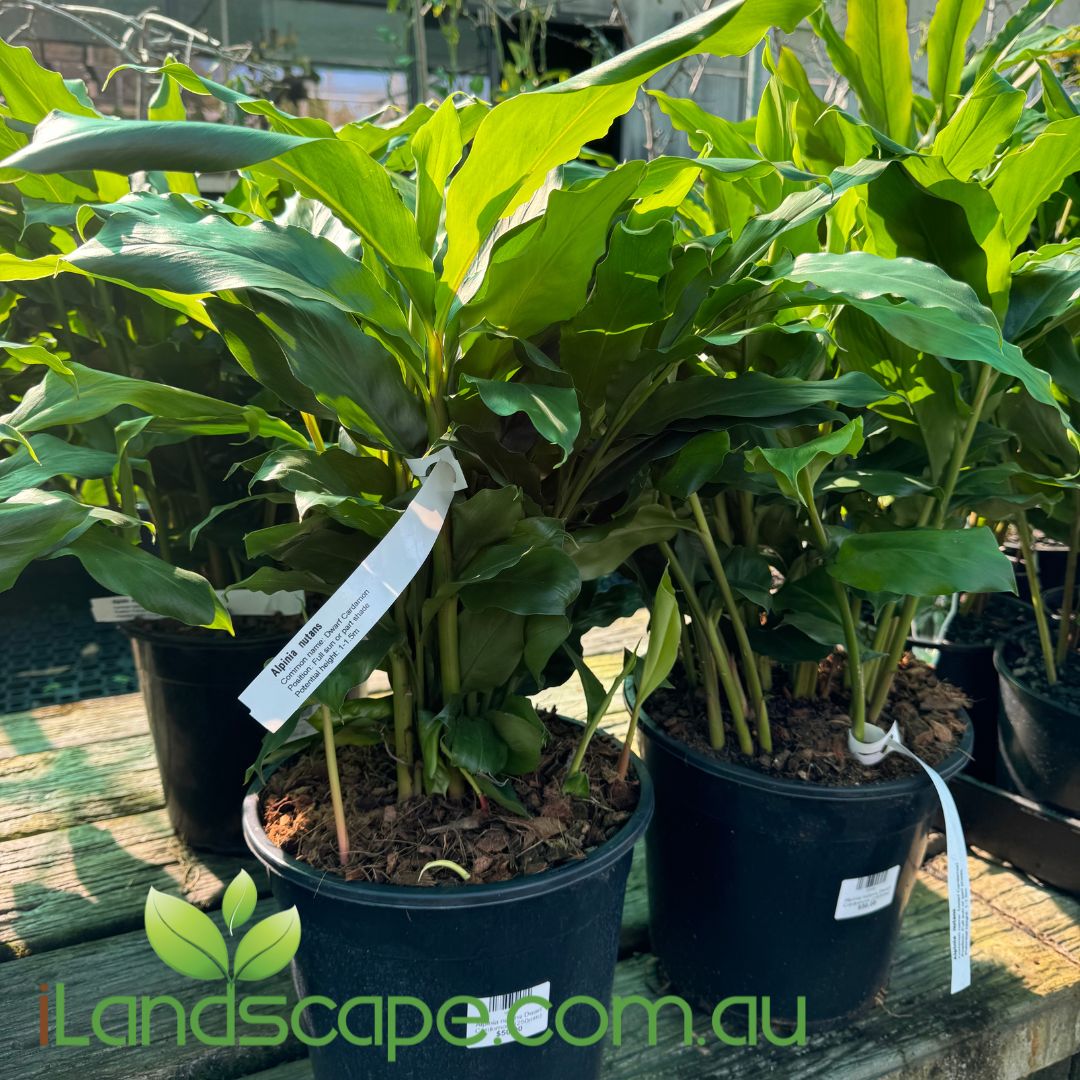
Alpinia nutans Dwarf Cardomom

Alpinia nutans Dwarf Cardomom

Description Alpinia nutans, commonly known as Dwarf Cardamom, is a compact, evergreen perennial known for its aromatic foliage and attractive growth habit. This versatile plant is well-suited for garden beds, borders, and containers, providing a lush, tropical appearance and a delightful fragrance. Flowers Dwarf Cardamom produces small, white flowers with yellow and red markings that bloom in clusters. While the flowers are not the main ornamental feature, they add a delicate touch to the plant. Foliage The foliage of Alpinia nutans consists of broad, lance-shaped leaves that are glossy green and aromatic. When crushed, the leaves emit a pleasant, cardamom-like scent, adding sensory interest to the garden. Form and Size Dwarf Cardamom typically grows to a height of 60-90 cm with a similar spread. It forms a dense, clumping habit, making it ideal for use as a ground cover or in mass plantings. Growing Conditions Soil: Prefers well-drained, fertile soils rich in organic matter. It can tolerate a range of soil types but thrives in moist, loamy conditions. Sunlight: Grows best in partial shade to full shade. It can tolerate full sun in cooler climates but benefits from protection from the hot afternoon sun. Water: Requires regular watering to keep the soil consistently moist. It performs best with consistent moisture, especially during dry periods. Climate: Suitable for warm, temperate, and subtropical climates. It is frost-sensitive and should be protected from cold temperatures. Uses Ground Cover: Ideal for use as a ground cover, providing a dense, green carpet that suppresses weeds and adds visual interest. Borders and Edging: Perfect for borders and edging, where its compact size and lush foliage can create a neat and attractive outline. Containers: Can be grown in pots and containers, making it a versatile choice for patios, balconies, and small garden spaces. Herb Gardens: The aromatic foliage makes it a great addition to herb gardens and sensory gardens. Maintenance Pruning: Minimal pruning required. Remove any dead or damaged leaves to maintain appearance. Fertilizing: Benefits from regular applications of a balanced, slow-release fertilizer during the growing season. Pest and Disease: Generally pest-resistant but can be susceptible to aphids and spider mites. Monitor regularly and treat as needed. Notes Dwarf Cardamom is a charming and low-maintenance plant that adds a touch of tropical elegance to any garden or landscape. Its aromatic foliage and attractive growth habit make it a favorite among gardeners and landscapers. Companion Plants Zingiber zerumbet (Shampoo Ginger) Costus woodsonii (Red Button Ginger) Curcuma longa (Turmeric) Hedychium coronarium (White Ginger Lily) Common Name Dwarf Cardamom Botanical Name Alpinia nutans Family Zingiberaceae Origin Native to Southeast Asia, Alpinia nutans has been cultivated widely for its ornamental and aromatic foliage, making it a popular choice in gardens around the world.

Regular price From $25.00 AUD
Regular price Sale price From $25.00 AUD
Unit price  per 
Alpinia Upright Shell

Alpinia Upright Shell

Alpinia 'Upright Shell' Description: Alpinia 'Upright Shell', commonly known as Shell Ginger, is a striking tropical plant renowned for its bold, upright growth habit and stunning variegated foliage. This plant adds a touch of the exotic to any garden or indoor space with its lush green leaves, striped with creamy white, and its beautiful shell-like flowers. Flowers: The flowers of Alpinia 'Upright Shell' are small, white, and pink, arranged in drooping clusters that resemble sea shells, hence the name Shell Ginger. The blooms are not only attractive but also fragrant, adding an extra dimension to the plant's appeal. Flowering typically occurs in the spring and summer. Foliage: The foliage is one of the main attractions of Alpinia 'Upright Shell'. The leaves are large, lance-shaped, and have striking variegation, with green and creamy white stripes running along their length. The leaves grow on tall, upright stems, creating a lush, tropical look. Form and Size: Alpinia 'Upright Shell' has a tall, clumping growth habit, reaching up to 1.5-2 meters (5-6.5 feet) in height and 1-1.5 meters (3-5 feet) in spread. Its vertical form makes it a great choice for adding height and structure to garden beds or containers. Growing Conditions: Light: Prefers partial shade to full sun. In hotter climates, some afternoon shade can help protect the foliage from scorching. Soil: Well-draining, fertile soil rich in organic matter. A slightly acidic to neutral pH is ideal. Water: Keep the soil consistently moist, especially during the growing season. Ensure good drainage to prevent waterlogging. Temperature: Thrives in warm, tropical to subtropical climates. Hardy in USDA zones 9-11. Protect from frost and cold temperatures. Humidity: Prefers high humidity levels. Regular misting or placement near a humidity tray can help maintain the necessary moisture in the air. Uses: Alpinia 'Upright Shell' is primarily grown for its ornamental value. It makes a stunning focal point in garden beds, borders, and large containers. The plant's lush foliage and beautiful flowers create a tropical feel, making it ideal for themed gardens and landscapes. Maintenance: This plant is relatively low-maintenance. Regular watering and fertilization during the growing season will promote healthy growth. Prune away any dead or damaged leaves to maintain its appearance. Mulch in winter in colder climates to protect the roots from frost. Notes: Alpinia 'Upright Shell' is non-toxic and safe to grow around pets and children. It is relatively pest-resistant but may occasionally attract aphids or spider mites, which can be treated with appropriate insecticides. Companion Plants: Alpinia 'Upright Shell' pairs well with other tropical and subtropical plants that have similar growing requirements, such as: Heliconia species Calathea species Canna Lily (Canna indica) Monstera deliciosa Common Name: Upright Shell, Shell Ginger Botanical Name: Alpinia 'Upright Shell' Family: Zingiberaceae Origin: Native to tropical and subtropical regions, with this variety developed in cultivation

Regular price From $25.00 AUD
Regular price Sale price From $25.00 AUD
Unit price  per 
A cluster of Alpinia zerumbet Green Shell Ginger plants with large green leaves, shown in pots under a greenhouse tent.

Alpinia zerumbet Green Shell Ginger

Description:Alpinia zerumbet Green Shell Ginger is a lush, tropical perennial known for its large, glossy green leaves and attractive shell-like flowers. Native to East Asia, this ginger species is valued for its bold, upright growth habit and ability to thrive in warm, humid climates. Its lush foliage makes it a popular choice for creating a tropical ambiance in gardens, while its fragrant flowers add seasonal interest. It is often used in garden beds, borders, or as a striking container plant. Flowers:Alpinia zerumbet Green Shell Ginger produces beautiful, pendulous clusters of fragrant, shell-shaped white flowers with yellow and pink accents. The flowers bloom in late spring to early summer, adding a striking contrast to the plant's green foliage. While the flowers are not the primary feature of the plant, they add a subtle elegance and fragrance to the garden. Foliage:The large, lance-shaped leaves of Green Shell Ginger are bright green, glossy, and have a striking, tropical appearance. The leaves can grow up to 60 cm long, creating a dramatic effect in the landscape. The bold, lush foliage is a key ornamental feature, providing year-round visual interest in tropical and subtropical gardens. Fruit:After flowering, small, inedible fruit capsules may form, though they are not a significant ornamental feature. Form and Size:This clump-forming perennial typically grows to 1.5-2 meters in height and 1-1.5 meters in width. Its upright, arching form makes it an excellent feature plant in tropical or subtropical garden settings, where its bold foliage can create a striking focal point. Growing Conditions:Green Shell Ginger thrives in part shade to full sun and prefers moist, well-drained soils. It performs best in warm, humid climates but can tolerate light frost in protected areas. In cooler regions, it can be grown in containers and brought indoors during the winter months. Regular watering is necessary to keep the soil moist, especially during hot, dry periods. Uses:This versatile plant is ideal for use as a feature plant in tropical or subtropical garden designs, where its large leaves and upright form add a bold, tropical aesthetic. It can be used in garden beds, as a border plant, or in large containers for patios and courtyards. Its lush foliage also makes it a great choice for creating privacy or a backdrop in mixed plantings. Maintenance:Alpinia zerumbet Green Shell Ginger is relatively low-maintenance. Remove spent flower spikes and any damaged or yellowing leaves to keep the plant looking tidy. Water regularly during dry periods, and mulch around the base to retain moisture. Apply a balanced, slow-release fertilizer in spring to promote healthy growth. In cooler climates, protect the plant from frost by mulching heavily or growing it in a container that can be moved indoors. Notes:Green Shell Ginger is prized for its lush, tropical appearance and ability to thrive in warm, humid environments. While the flowers are attractive, the plant is primarily grown for its bold foliage, which adds a dramatic touch to garden landscapes. Companion Plants:Pairs beautifully with other tropical plants like Heliconia, Cordyline, and Strelitzia. It also works well alongside smaller shade-loving plants like ferns or as a contrast to large-leaved plants like Alocasia and Philodendron. Common Name: Green Shell GingerBotanical Name: Alpinia zerumbetFamily: ZingiberaceaeOrigin: East Asia

Regular price $70.00 AUD
Regular price Sale price $70.00 AUD
Unit price  per 
Alpinia zerumbet variegata with lush green and yellow striped foliage in a tropical garden setting

Alpinia zerumbet variegata

Description:Alpinia zerumbet variegata, commonly known as Variegated Shell Ginger, is a striking evergreen perennial known for its large, bold, variegated leaves and tropical appearance. This versatile plant is ideal for adding a lush, tropical feel to gardens and landscapes. The bright green leaves are boldly striped with creamy yellow, making this plant a standout feature in both garden beds and containers. It is highly valued for its ornamental foliage, though it also produces attractive flowers under ideal conditions. Flowers:Alpinia zerumbet variegata produces drooping clusters of fragrant, shell-shaped white and pink flowers in spring and summer, though it is primarily grown for its foliage. The flowers add additional ornamental interest, especially when paired with the bold variegated leaves. The blooms are followed by small, inedible fruit capsules. Foliage:The large, lance-shaped leaves are the plant's most striking feature, with vivid green and creamy yellow variegation. The foliage is lush, bold, and tropical, adding texture and color to the garden year-round. The leaves grow up to 60 cm long, creating a dramatic presence in the landscape. Fruit:Small, round, inedible fruit capsules may form after flowering, but they are not significant ornamental features. Form and Size:Alpinia zerumbet variegata is a clump-forming perennial that typically grows to 1.5–2 meters in height and 1–1.5 meters in width. Its upright, arching growth habit and large, striking leaves make it perfect for use as a feature plant or backdrop in tropical-themed gardens. Growing Conditions:This plant thrives in part shade to full sun but performs best in bright, indirect light or filtered sun. It prefers well-drained, fertile soils and benefits from regular watering, especially during dry periods. It is frost-sensitive, making it ideal for subtropical and tropical climates. In cooler regions, it can be grown in containers and moved indoors during winter. Mulching helps retain moisture and protect the roots in colder areas. Uses:Alpinia zerumbet variegata is ideal for use as a feature plant in tropical or subtropical garden designs, where its bold variegated foliage can be fully appreciated. It works well as a border plant, in mixed garden beds, or in large containers. Its lush, tropical appearance makes it perfect for adding texture and color to shady or sheltered garden areas. Maintenance:This plant is relatively low-maintenance. Remove spent flower spikes and any damaged or dead foliage to maintain its appearance. Regular watering is essential during dry periods, but avoid waterlogging the soil. Apply a balanced, slow-release fertilizer in spring to promote healthy growth. In frost-prone areas, protect the plant by mulching heavily or growing it in containers to move indoors. Notes:Alpinia zerumbet variegata is primarily grown for its showy, variegated foliage rather than its flowers. It is an excellent plant for creating a tropical ambiance in gardens and patios, and it can be used as an indoor plant in colder regions. Companion Plants:Pairs well with other tropical plants like Cordyline, Heliconia, and Strelitzia. It also contrasts beautifully with smaller, finer-textured plants such as ferns and ornamental grasses, or with bold, flowering plants like Hibiscus and Canna. Common Name: Variegated Shell GingerBotanical Name: Alpinia zerumbet variegataFamily: ZingiberaceaeOrigin: Tropical Asia

Regular price $25.00 AUD
Regular price Sale price $25.00 AUD
Unit price  per 
Alternanthera Little Ruby

Alternanthera Little Ruby

Description: Alternanthera 'Little Ruby', commonly known as Little Ruby Alternanthera, is a striking evergreen groundcover prized for its vibrant, deep burgundy foliage. This compact plant is particularly valued for its colorful foliage and low-maintenance nature, making it an excellent choice for garden beds, borders, and containers. Flowers: Blooms: The plant produces small, inconspicuous white flowers in summer. While the flowers are not significant for ornamental value, they add a delicate touch to the foliage. Fragrance: The flowers have no notable fragrance. Foliage: Leaves: The leaves are small, oval, and deep burgundy to dark purple, providing a rich and vibrant appearance year-round. The foliage's intense color makes it a standout in any garden setting. Seasonal Color: The foliage maintains its deep burgundy color throughout the year, adding continuous visual interest. Fruit: Fruit: The plant rarely produces noticeable fruit. The primary ornamental value lies in its foliage. Form and Size: Size: Typically grows 30-40 cm tall and 60-90 cm wide, forming a dense, low-growing mat. Habit: Low-growing and spreading, making it suitable for various landscape uses as a groundcover or in mixed plantings. Growing Conditions: Climate: Thrives in tropical to subtropical climates and is suitable for various regions in Australia. It can tolerate light frosts but prefers warmer conditions. Soil: Prefers well-draining, fertile soils but can adapt to a variety of soil types, including sandy and loamy soils. Avoid waterlogged conditions. Sunlight: Best grown in full sun to partial shade. Full sun promotes the best foliage color, while partial shade is tolerated. Watering: Regular watering during the establishment phase is crucial. Once established, it benefits from consistent moisture but can tolerate short periods of drought. Uses: Groundcover: Highly valued as a groundcover for its low, spreading habit and vibrant foliage. Borders and Edging: Ideal for creating colorful borders and edging in garden beds. Containers: Perfect for pots and containers, adding a splash of color to patios, balconies, and small gardens. Mixed Plantings: Suitable for mixed plantings and garden beds, providing a contrasting color to green-leaved plants. Maintenance: Pruning: Trim back occasionally to maintain shape and encourage bushier growth. Pinching back tips promotes denser foliage. Fertilizing: Apply a balanced, slow-release fertilizer in early spring to promote healthy growth and vibrant foliage color. Pests and Diseases: Generally pest and disease-resistant. Monitor for common pests such as aphids and spider mites. Good air circulation and proper watering practices help prevent fungal diseases. Notes: Hardiness: Hardy in USDA zones 9-11. In cooler regions of Australia, provide protection from severe frost to prevent damage to new growth. Companion Plants: Pair with other colorful perennials and annuals such as coleus, petunias, and marigolds to create a vibrant and diverse garden display. Propagation: Propagate by softwood cuttings in spring or by division. Alternanthera 'Little Ruby' Common Name: Little Ruby Alternanthera Botanical Name: Alternanthera dentata 'Little Ruby' Family: Amaranthaceae Origin: Native to Central and South America, cultivated variety of Alternanthera

Regular price $12.95 AUD
Regular price Sale price $12.95 AUD
Unit price  per 
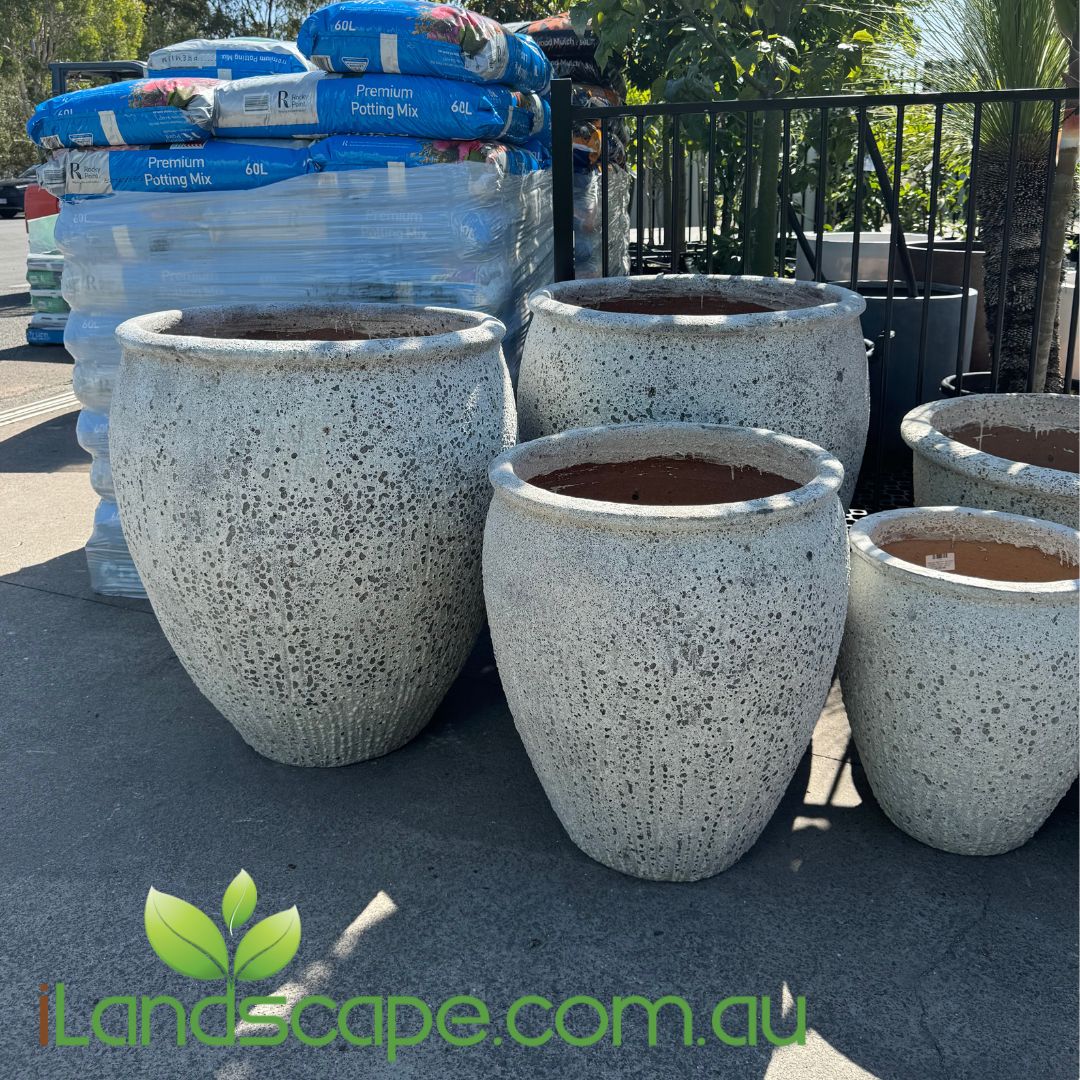
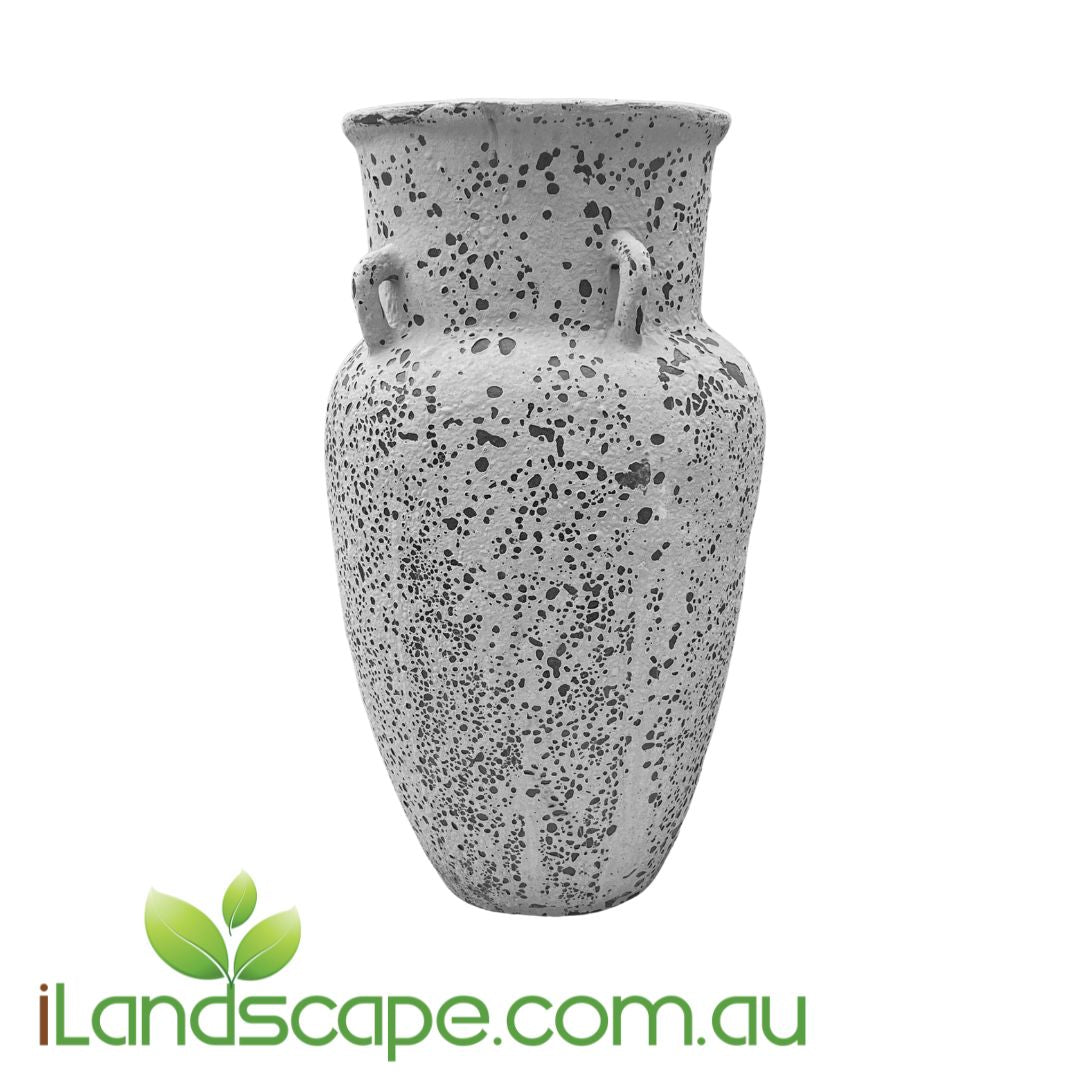
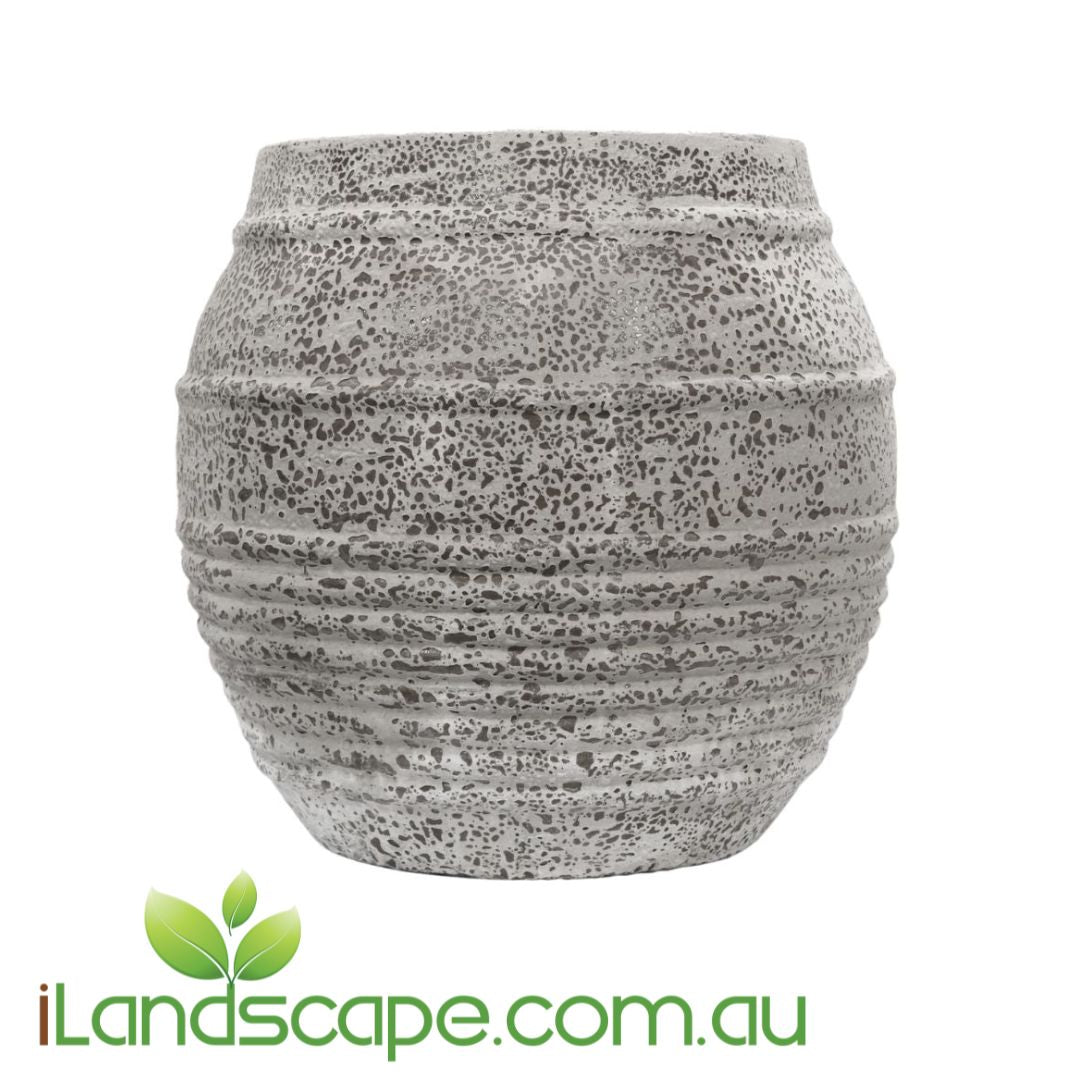
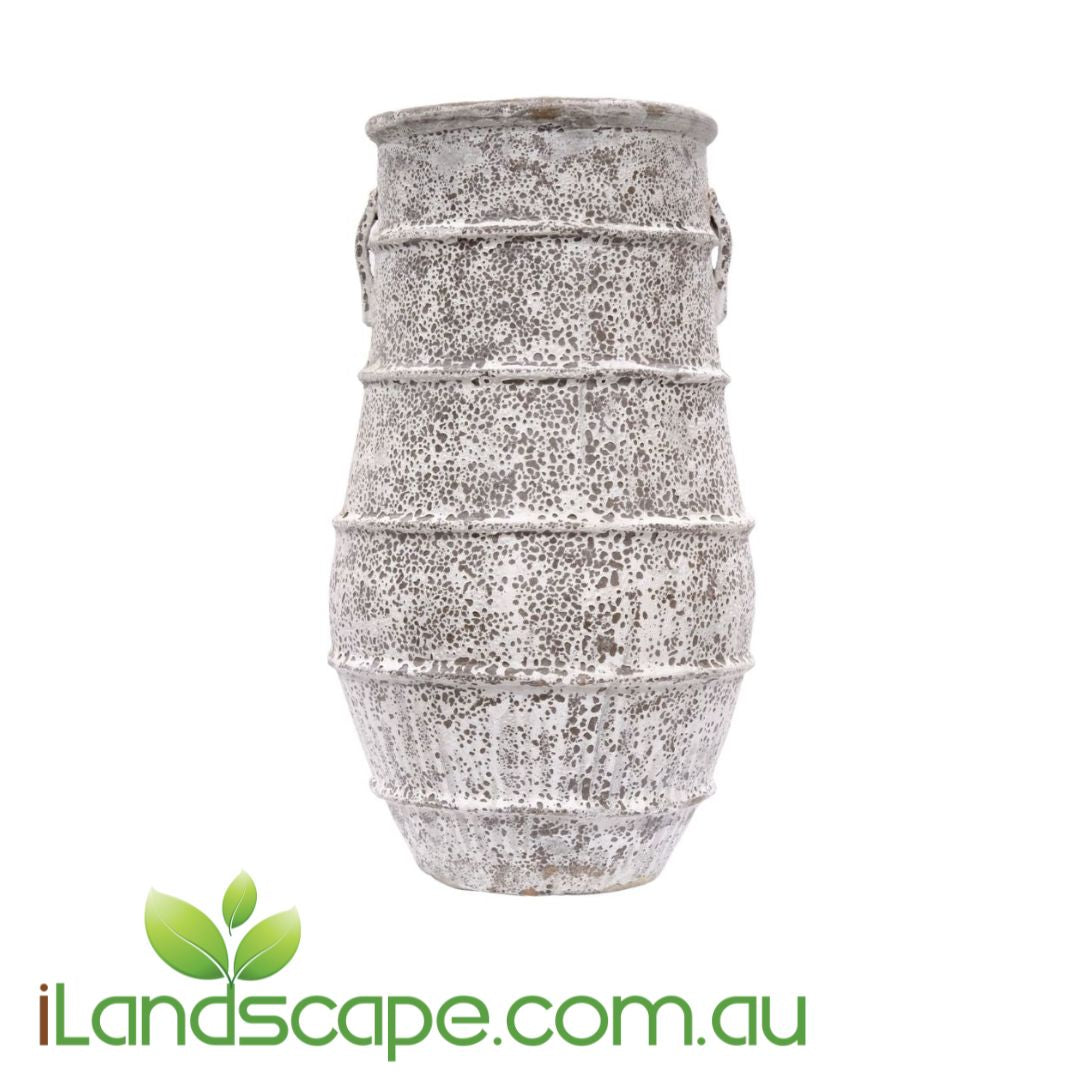
Ancient Babylon Urn

Ancient Babylon Urn

Ancient Babylon Urn Size - 57cm x 87cm High - 160L Colour - Ancient White

Regular price $595.00 AUD
Regular price Sale price $595.00 AUD
Unit price  per 
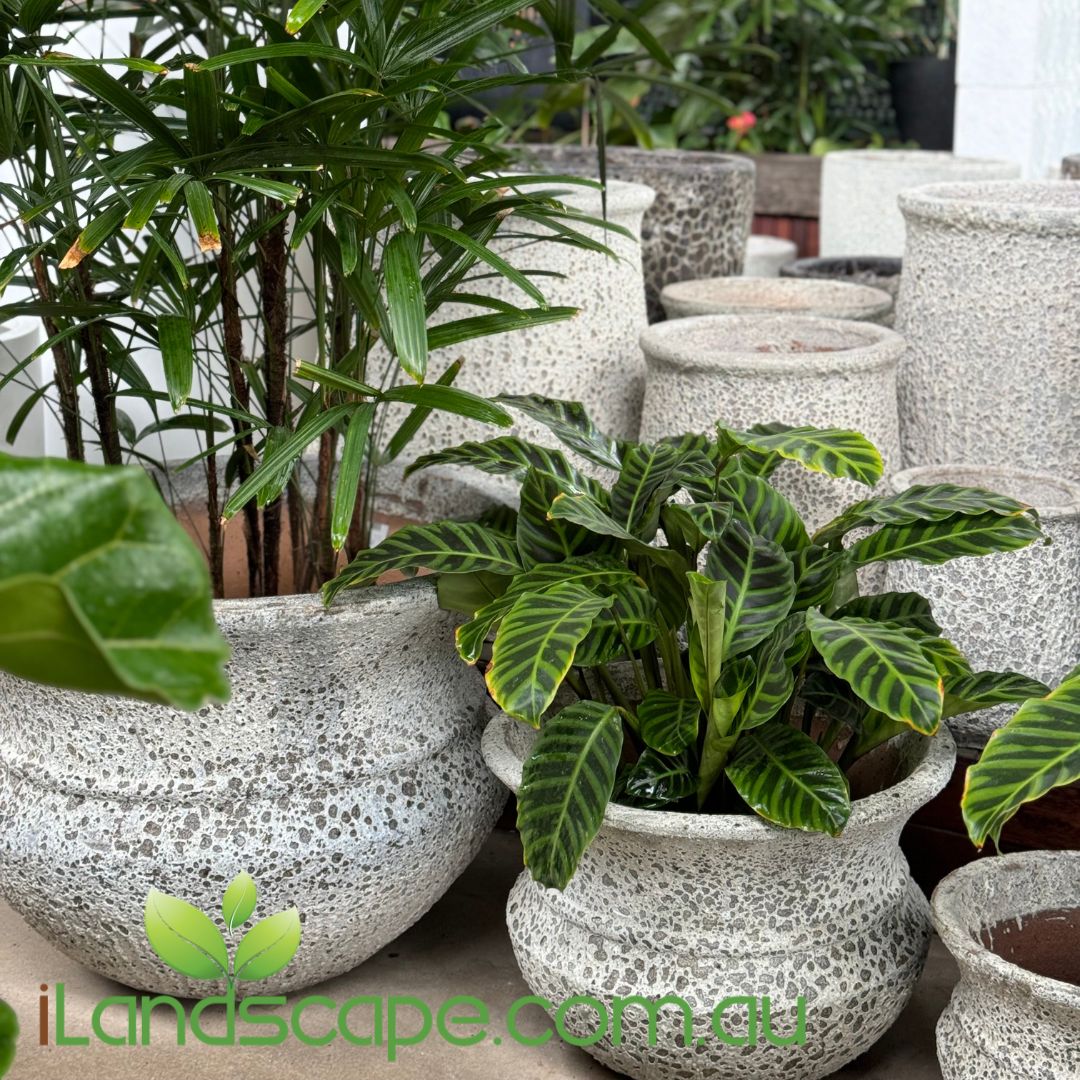
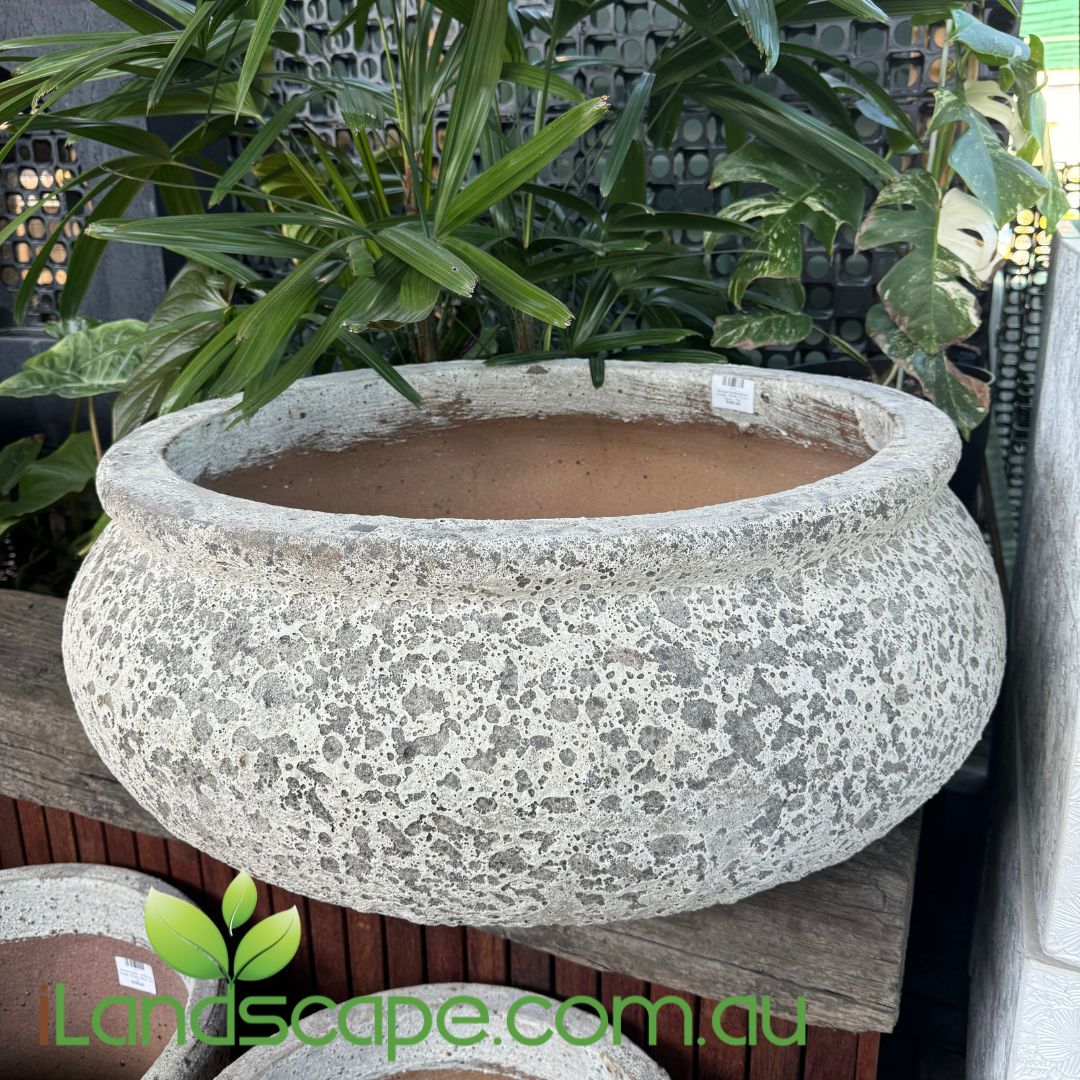
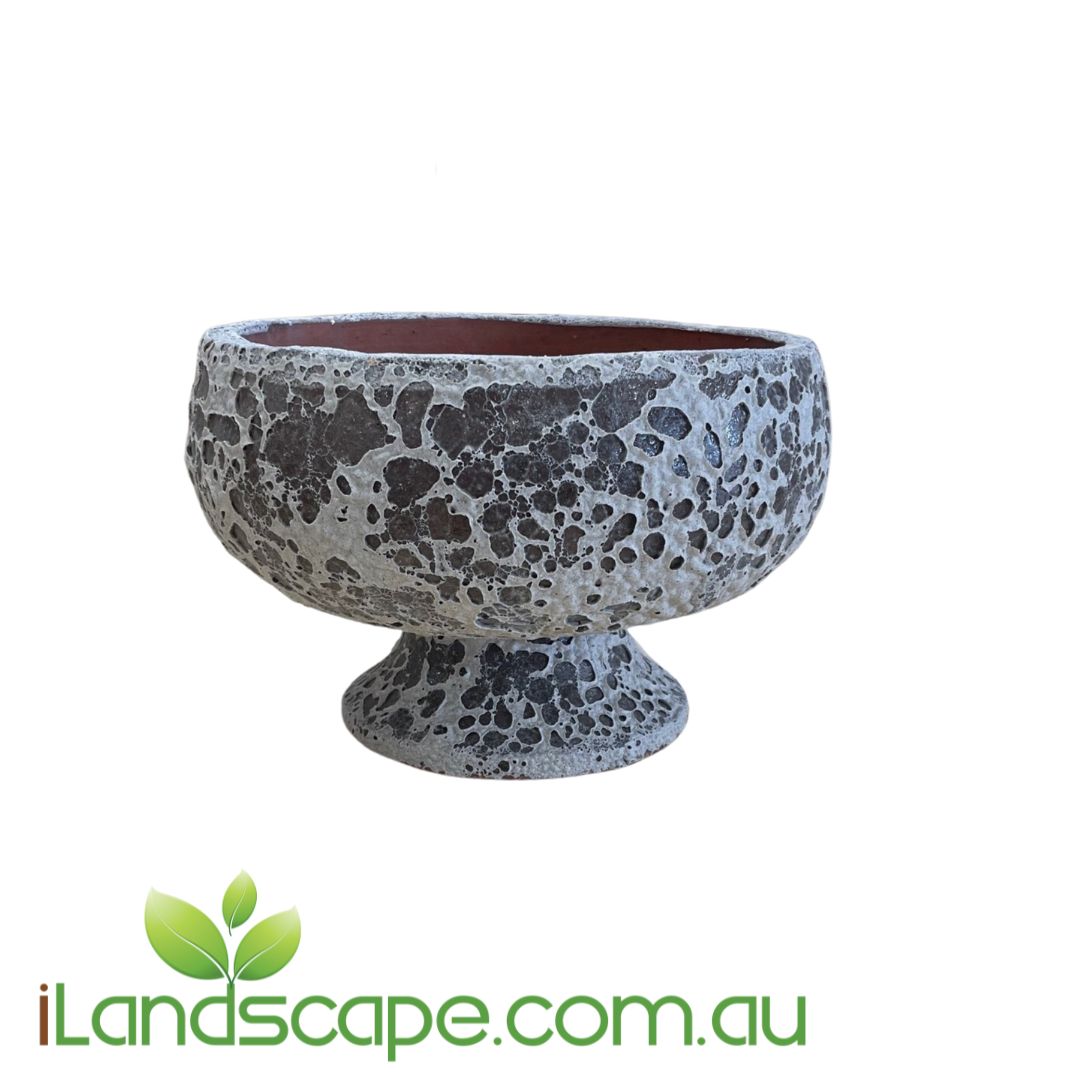
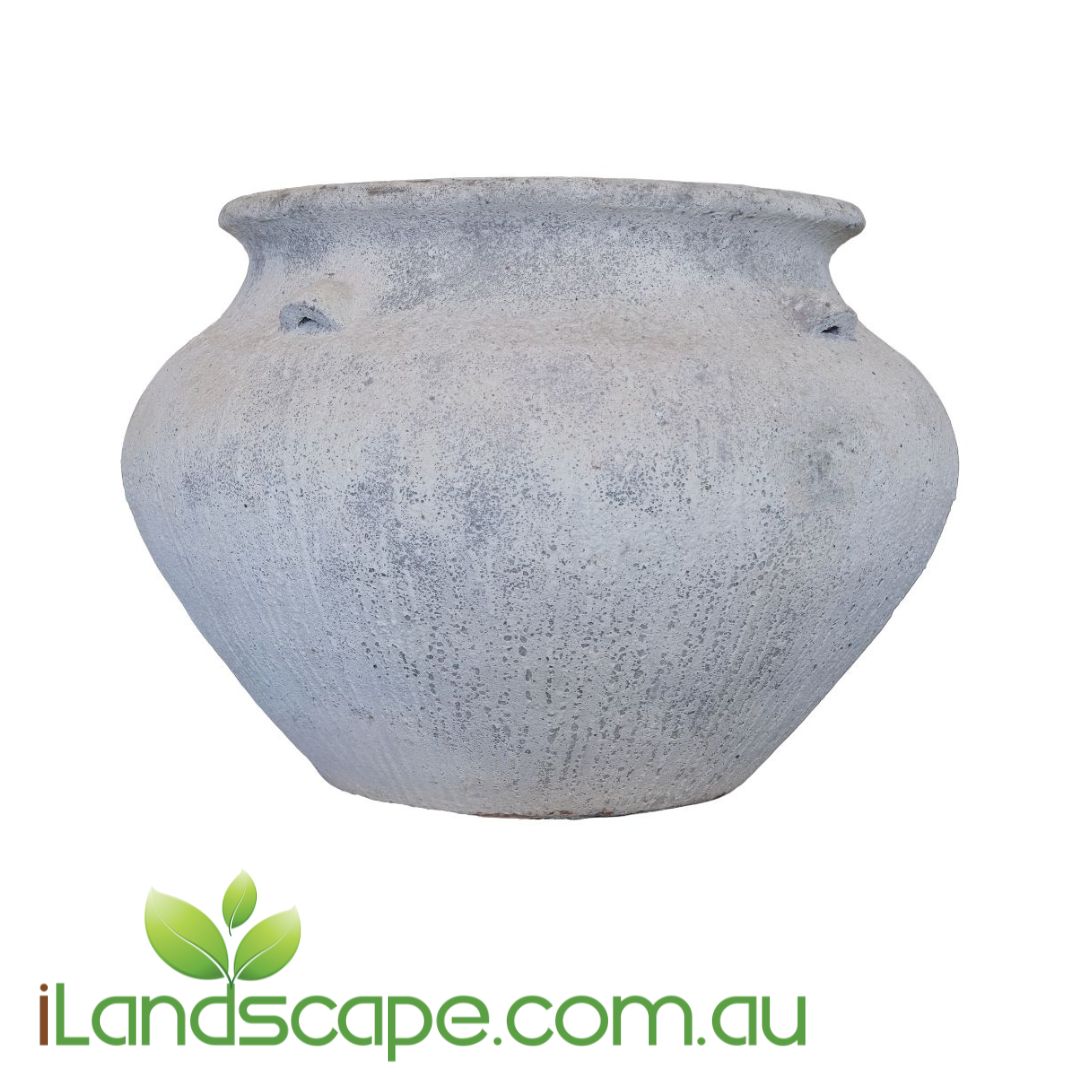
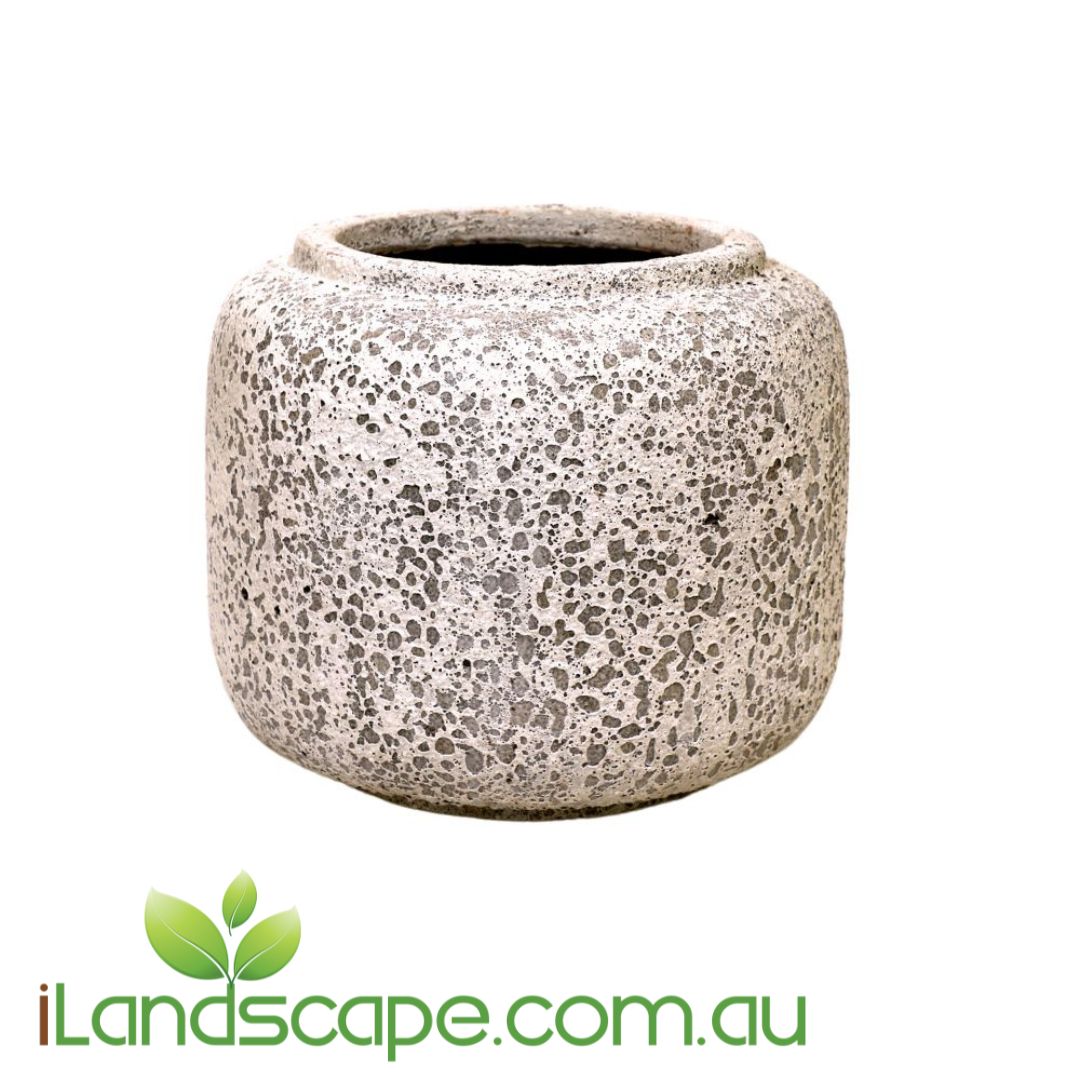
Ancient Champagne Bowl

Ancient Champagne Bowl

Ancient Champagne Bowl is available in Ancient White and 1 x Size Size - 35cm x 25cm

Regular price $100.00 AUD
Regular price Sale price $100.00 AUD
Unit price  per 
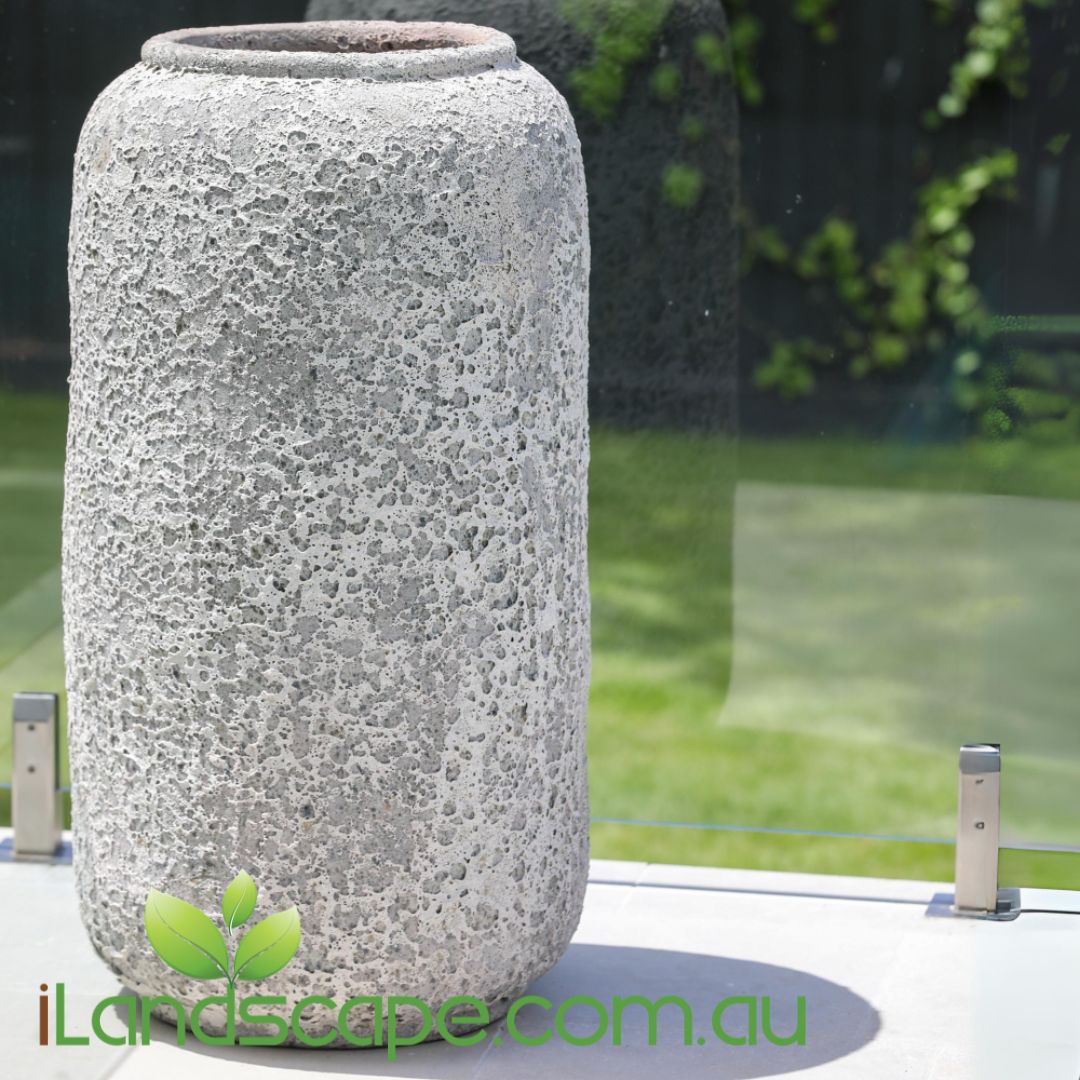
Ancient Collar Jar

Ancient Collar Jar

Ancient Collar Jar  Size - 75cm x 104cm - 220L Colours Green Ancient White

Regular price $950.00 AUD
Regular price Sale price $950.00 AUD
Unit price  per 
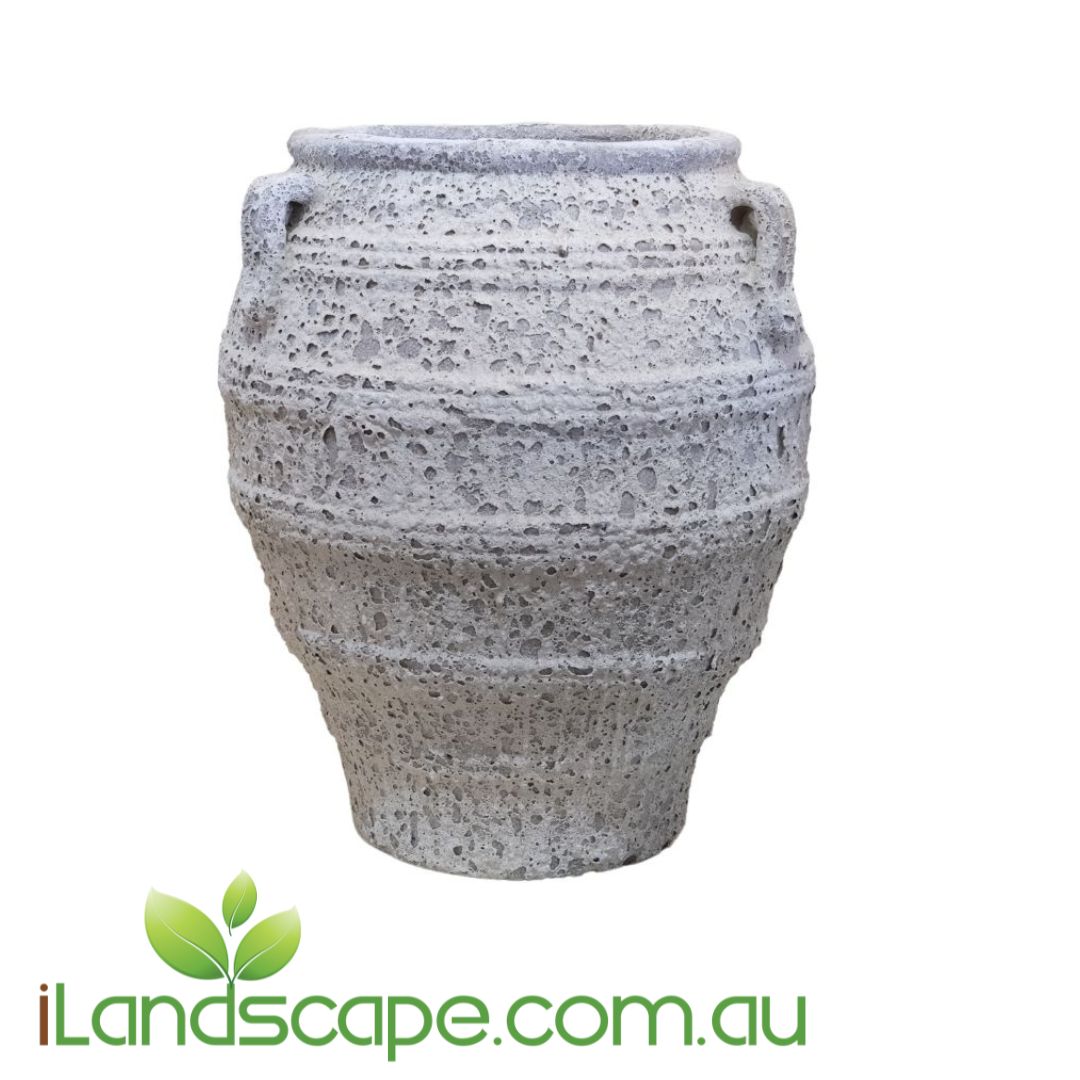
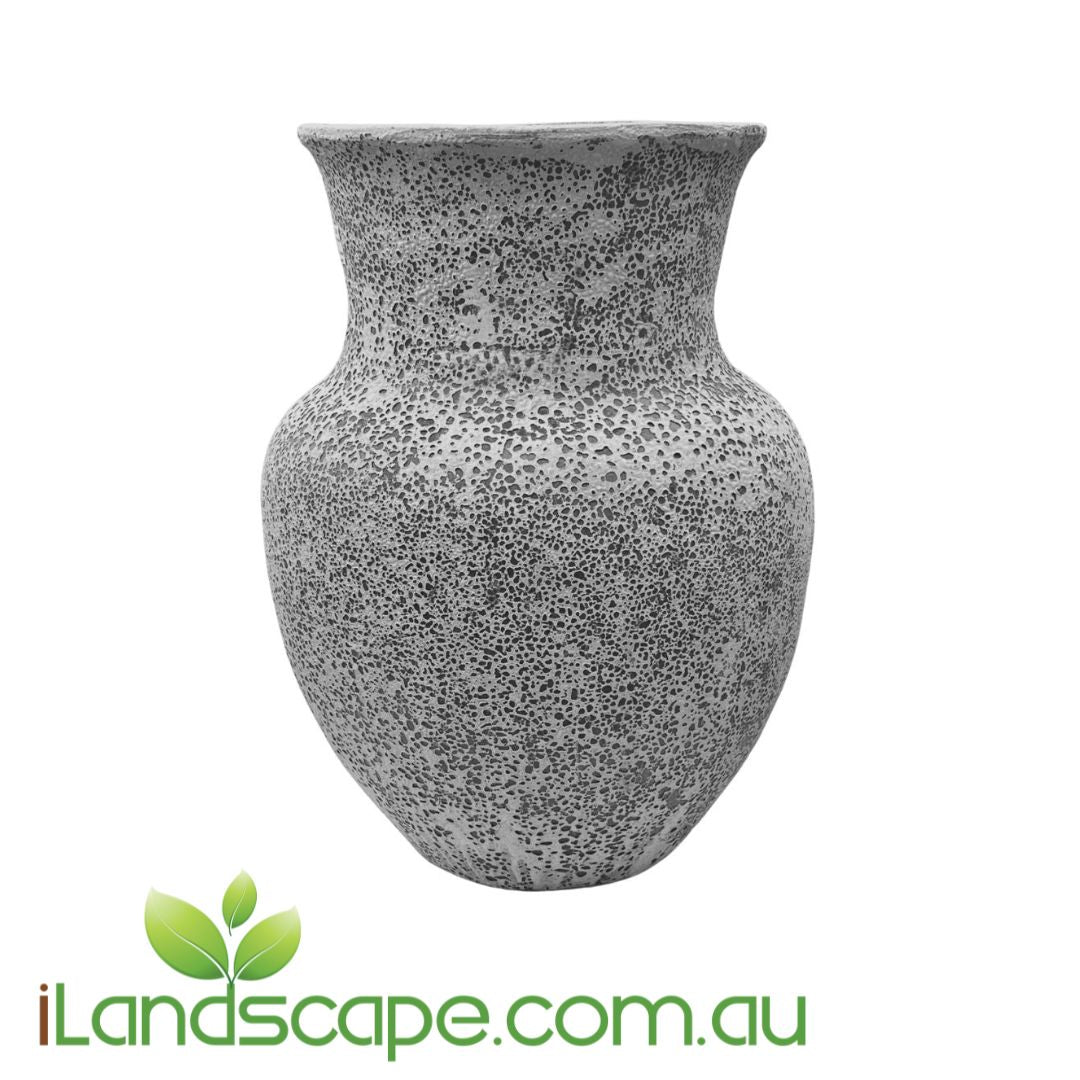
Ancient Etna Urn

Ancient Etna Urn

Ancient Etna Urn  Size - 56cm x 90cm - 170L Colour - Ancient White

Regular price $595.00 AUD
Regular price Sale price $595.00 AUD
Unit price  per 
Ancient Grange Urn

Ancient Grange Urn

Ancient Grange Urn  Size - 108cm x 72cm - 400Lt Colour - Ancient White

Regular price $1,250.00 AUD
Regular price Sale price $1,250.00 AUD
Unit price  per 
Ancient Pompeii Urn

Ancient Pompeii Urn

Awesome huge Pot available in Ancient White finish Pot size - 76cm Wide x 83cm High

Regular price $950.00 AUD
Regular price Sale price $950.00 AUD
Unit price  per 
Ancient Vesuvius Urn

Ancient Vesuvius Urn

Ancient Vesuvius Urn  Size - 55cm x 95cm High -180L  Colour - Ancient White

Regular price $595.00 AUD
Regular price Sale price $595.00 AUD
Unit price  per 
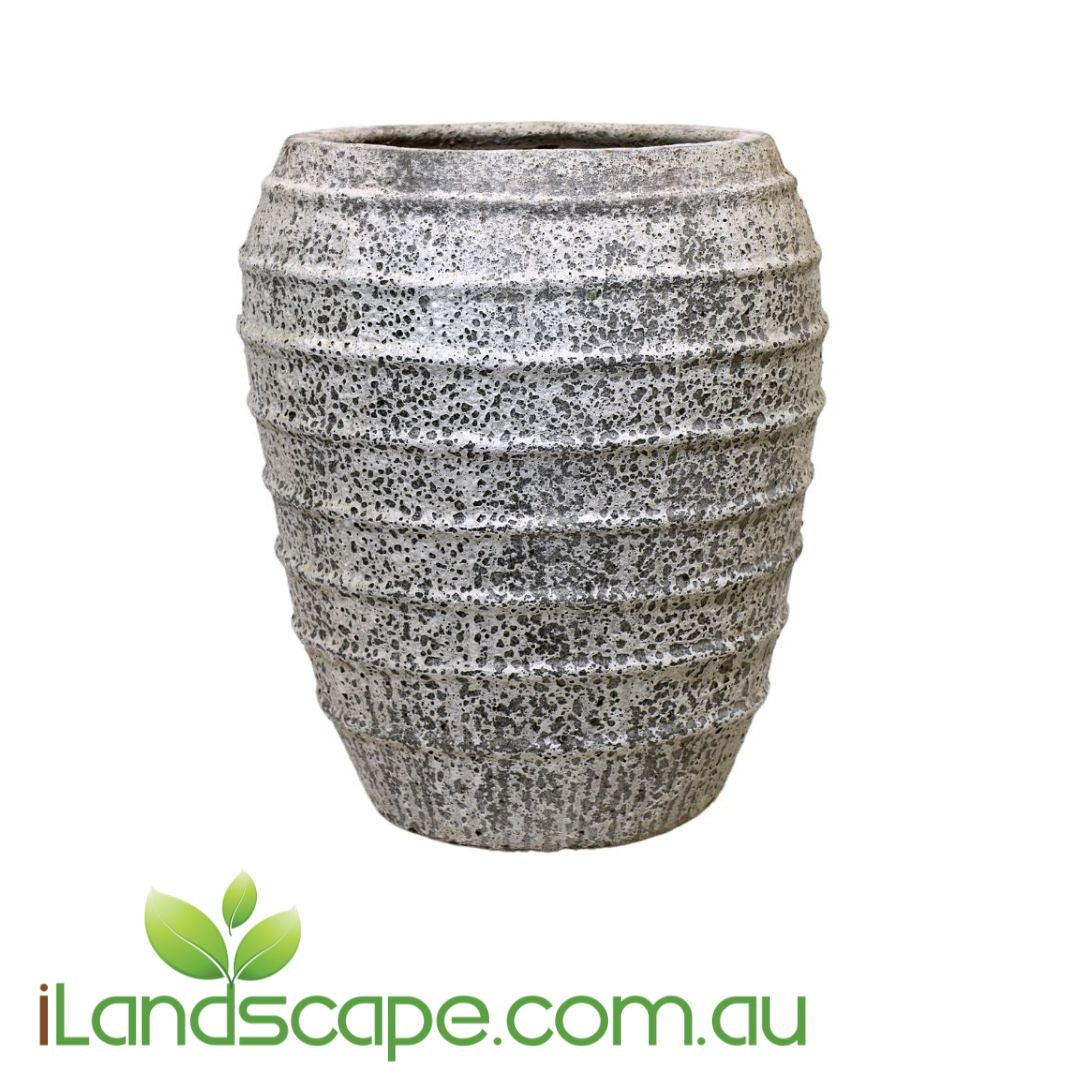
Ancient Vogue Tall Pot - Also known as Driftstone Nalu Tall Pot

Ancient Vogue Tall Pot - Also known as Driftstone Nalu Tall Pot

Ancient Vogue Tall Pot Size - 52cm x 97cm - 160L Colour - Ancient White

Regular price $595.00 AUD
Regular price Sale price $595.00 AUD
Unit price  per 
Anigozanthos 'Bush Zest' (Kangaroo Paw)

Anigozanthos 'Bush Zest' (Kangaroo Paw)

Description: Anigozanthos 'Bush Zest' is a vibrant perennial plant prized for its distinctive kangaroo paw-shaped flowers and graceful foliage. It typically grows to about 0.6 to 1 meter in height and spread, forming clumps of strap-like leaves that emerge from underground rhizomes. The leaves are typically green to bluish-green, growing up to 60 cm in length. Flowers: The standout feature of Anigozanthos 'Bush Zest' is its striking and unique flowers. These flowers are borne on tall, sturdy stems (scapes) that rise above the foliage. Each flower cluster consists of tubular blooms that open sequentially from the bottom to the top of the scape. Anigozanthos 'Bush Zest' is known for its vibrant coloration, often featuring shades of bright yellow, resembling a burst of zest. The flowers are also rich in nectar, attracting birds such as honeyeaters, making them a valuable addition to wildlife-friendly gardens. Cultivation: Anigozanthos 'Bush Zest' thrives in full sun and prefers well-drained soils. It is well-suited to various Australian garden styles, including native gardens, coastal gardens, and contemporary landscapes. While it can tolerate sandy or loamy soils, it performs best in soil that is slightly acidic to neutral. Good drainage is essential to prevent root rot, particularly during wet periods. Watering: Once established, Anigozanthos 'Bush Zest' is relatively drought-tolerant and requires minimal watering. Water deeply during dry spells, allowing the soil to dry out slightly between waterings. Avoid overwatering, as this can lead to root rot. Pruning: Pruning needs for Anigozanthos 'Bush Zest' are minimal. Remove spent flower stems once flowering has finished to promote new growth and maintain a tidy appearance. Trim back any dead or damaged leaves as needed throughout the growing season. Pests and Diseases: Anigozanthos 'Bush Zest' is generally resistant to pests and diseases when grown under suitable conditions. However, it may be susceptible to root rot if planted in poorly drained soils. Ensure good air circulation around the plants to minimize the risk of fungal diseases. Uses: Garden Beds and Borders: Plant Anigozanthos 'Bush Zest' in garden beds or borders to add a splash of vibrant color and unique texture. It complements other native plants and Mediterranean-style plants beautifully. Containers: Grow in large containers on patios, balconies, or verandas, where it can be admired up close. Cut Flowers: The striking flowers of Anigozanthos 'Bush Zest' make excellent cut flowers for floral arrangements, bringing a touch of Australian native beauty indoors. Environmental Benefits: As an Australian native plant, Anigozanthos 'Bush Zest' attracts pollinators such as bees and birds, contributing to local biodiversity. Its drought tolerance and low water requirements make it suitable for water-wise gardening practices. Care Tips: Mulch around the base of the plant to retain moisture and suppress weeds. Fertilize with a balanced, slow-release fertilizer formulated for native plants in early spring to promote healthy growth and flowering. Protect from frost in cooler climates, or consider growing in containers that can be moved indoors during winter. By incorporating Anigozanthos 'Bush Zest' into your garden, you can enjoy its vibrant flowers and unique form while supporting local wildlife and practicing sustainable gardening practices. Anigozanthos 'Bush Zest' (Kangaroo Paw) Botanical Name: Anigozanthos 'Bush Zest' Common Name: Kangaroo Paw Family: Haemodoraceae Origin: Cultivar developed in Australia

Regular price $15.00 AUD
Regular price Sale price $15.00 AUD
Unit price  per 
Anigozanthos Bush Ballard PBR (Kangaroo Paw)

Anigozanthos Bush Ballard PBR (Kangaroo Paw)

Description: Anigozanthos Bush Ballard PBR is a striking and unique perennial plant known for its vibrant, kangaroo paw-shaped flowers and graceful foliage. It typically grows to about 0.6 to 1 meter (2 to 3 feet) in height and spread, forming clumps of slender, strap-like leaves that arise from underground rhizomes. The leaves are typically green, sometimes with a bluish tinge, and can reach lengths of up to 60 cm (2 feet). Flowers: The most distinctive feature of Anigozanthos Bush Ballard PBR is its stunning flowers, which resemble the paw of a kangaroo. The flowers are borne on tall, sturdy stalks (scapes) that rise above the foliage. Each flower cluster consists of tubular blooms that open sequentially from the bottom to the top of the scape. Anigozanthos Bush Ballard PBR is known for its rich coloration, often featuring shades of vibrant pink, red, or orange, with some cultivars displaying bi-colored or tri-colored variations. The flowers are also attractive to birds, particularly honeyeaters, making them a valuable addition to wildlife gardens. Cultivation: Anigozanthos Bush Ballard PBR is well-suited to a variety of Australian garden styles, including native gardens, coastal gardens, and contemporary landscapes. It thrives in full sun and prefers well-drained soils. While it can tolerate sandy or loamy soils, it performs best in soil that is slightly acidic to neutral. Ensure good drainage to prevent root rot, especially during wet periods. Watering: Once established, Anigozanthos Bush Ballard PBR is relatively drought-tolerant and requires minimal watering. Water deeply during periods of extended dryness, allowing the soil to dry out slightly between waterings. Avoid overwatering, as this can lead to root rot. Pruning: Pruning is generally not required for Anigozanthos Bush Ballard PBR. Remove spent flower stems once flowering has finished to encourage new growth and maintain a tidy appearance. Trim back any dead or damaged leaves as needed. Pests and Diseases: Anigozanthos Bush Ballard PBR is generally pest and disease-resistant when grown in suitable conditions. However, it can be susceptible to root rot if planted in poorly drained soils. Ensure good air circulation around the plants to reduce the risk of fungal diseases. Uses: Garden Beds and Borders: Plant Anigozanthos Bush Ballard PBR in garden beds or borders to add vibrant color and texture. It pairs well with other native plants and Mediterranean-style plants. Containers: Grow in large containers on patios or balconies, providing a splash of color and texture. Cut Flowers: The striking flowers make excellent cut flowers for floral arrangements, adding a touch of Australian flair to bouquets. Environmental Benefits: As an Australian native plant, Anigozanthos Bush Ballard PBR attracts pollinators such as bees and birds, contributing to local biodiversity. Its drought tolerance and low water requirements make it suitable for water-wise gardening practices. Care Tips: Mulch around the base of the plant to retain moisture and suppress weeds. Fertilize with a balanced, slow-release fertilizer formulated for native plants in spring to promote healthy growth and flowering. Protect from frost in cooler climates, or consider growing in pots that can be moved indoors during winter. By incorporating Anigozanthos Bush Ballard PBR into your garden, you can enjoy its vibrant flowers and unique form, while also supporting local wildlife and practicing sustainable gardening. Anigozanthos Bush Ballard PBR (Kangaroo Paw) Botanical Name: Anigozanthos Bush Ballard PBR Common Name: Kangaroo Paw Family: Haemodoraceae Origin: Cultivar developed in Australia

Regular price $15.00 AUD
Regular price Sale price $15.00 AUD
Unit price  per 
Anigozanthos Bush Blitz PBR is part of the Bush Gem collections of Kangaroo Paw. Bush Blitz flowers in Spring with Dark orange to burgundy colours and grows to approx. 70cm High x 50cm wide

Anigozanthos Bush Blitz PBR (Kangaroo Paw)

Description: Anigozanthos 'Bush Blitz' PBR is a captivating perennial plant prized for its distinctive kangaroo paw-shaped flowers and elegant foliage. It typically grows to about 0.6 to 1 meter (2 to 3 feet) in height and spread, forming clumps of strap-like leaves that emerge from underground rhizomes. The leaves are typically green to bluish-green, growing up to 60 cm (2 feet) in length. Flowers: The standout feature of Anigozanthos 'Bush Blitz' PBR is its stunning and unique flowers. These flowers are borne on tall, sturdy stems (scapes) that rise above the foliage. Each flower cluster consists of tubular blooms that open sequentially from the bottom to the top of the scape. Anigozanthos 'Bush Blitz' PBR is known for its striking coloration, often featuring shades of vibrant red, orange, or yellow, sometimes with contrasting markings. The flowers are also rich in nectar, attracting birds such as honeyeaters, making them a valuable addition to wildlife-friendly gardens. Cultivation: Anigozanthos 'Bush Blitz' PBR thrives in full sun and prefers well-drained soils. It is well-suited to various Australian garden styles, including native gardens, coastal gardens, and contemporary landscapes. While it can tolerate sandy or loamy soils, it performs best in soil that is slightly acidic to neutral. Good drainage is essential to prevent root rot, particularly during wet periods. Watering: Once established, Anigozanthos 'Bush Blitz' PBR is relatively drought-tolerant and requires minimal watering. Water deeply during dry spells, allowing the soil to dry out slightly between waterings. Avoid overwatering, as this can lead to root rot. Pruning: Pruning needs for Anigozanthos 'Bush Blitz' PBR are minimal. Remove spent flower stems once flowering has finished to promote new growth and maintain a tidy appearance. Trim back any dead or damaged leaves as needed throughout the growing season. Pests and Diseases: Anigozanthos 'Bush Blitz' PBR is generally resistant to pests and diseases when grown under suitable conditions. However, it may be susceptible to root rot if planted in poorly drained soils. Ensure good air circulation around the plants to minimize the risk of fungal diseases. Uses: Garden Beds and Borders: Plant Anigozanthos 'Bush Blitz' PBR in garden beds or borders to add a splash of vibrant color and unique texture. It complements other native plants and Mediterranean-style plants beautifully. Containers: Grow in large containers on patios, balconies, or verandas, where it can be admired up close. Cut Flowers: The stunning flowers of Anigozanthos 'Bush Blitz' PBR make excellent cut flowers for floral arrangements, bringing a touch of Australian native beauty indoors. Environmental Benefits: As an Australian native plant, Anigozanthos 'Bush Blitz' PBR attracts pollinators such as bees and birds, contributing to local biodiversity. Its drought tolerance and low water requirements make it suitable for water-wise gardening practices. Care Tips: Mulch around the base of the plant to retain moisture and suppress weeds. Fertilize with a balanced, slow-release fertilizer formulated for native plants in early spring to promote healthy growth and flowering. Protect from frost in cooler climates, or consider growing in containers that can be moved indoors during winter. By incorporating Anigozanthos 'Bush Blitz' PBR into your garden, you can enjoy its spectacular flowers and unique form while supporting local wildlife and practicing sustainable gardening practices. Anigozanthos 'Bush Blitz' PBR (Kangaroo Paw) Botanical Name: Anigozanthos 'Bush Blitz' PBR Common Name: Kangaroo Paw Family: Haemodoraceae Origin: Cultivar developed in Australia

Regular price $15.00 AUD
Regular price Sale price $15.00 AUD
Unit price  per 

Sold out

Anigozanthos Bush Bonanza PBR (Kangaroo Paw)

Anigozanthos Bush Bonanza PBR (Kangaroo Paw)

Description: Anigozanthos Bush Bonanza PBR is an eye-catching perennial plant renowned for its distinctive kangaroo paw-shaped flowers and attractive foliage. It typically grows to about 0.6 to 1 meter (2 to 3 feet) in height and spread, forming clumps of strap-like leaves that emerge from underground rhizomes. The leaves are green to bluish-green in color, reaching lengths of up to 60 cm (2 feet). Flowers: The standout feature of Anigozanthos Bush Bonanza PBR is its striking flowers. These flowers are borne on tall, sturdy stems (scapes) that rise above the foliage. Each flower cluster consists of tubular blooms that open sequentially from the bottom to the top of the scape. Anigozanthos Bush Bonanza PBR is known for its vibrant coloration, typically displaying shades of rich red, burgundy, or pink. The flowers are also attractive to birds, particularly honeyeaters, making them a valuable addition to wildlife-friendly gardens. Cultivation: Anigozanthos Bush Bonanza PBR thrives in full sun and prefers well-drained soils. It is well-suited to various Australian garden styles, including native gardens, coastal gardens, and contemporary landscapes. While it can tolerate sandy or loamy soils, it performs best in soil that is slightly acidic to neutral. Good drainage is essential to prevent root rot, especially during wet periods. Watering: Once established, Anigozanthos Bush Bonanza PBR is relatively drought-tolerant and requires minimal watering. Water deeply during dry spells, allowing the soil to dry out slightly between waterings. Avoid overwatering, as this can lead to root rot. Pruning: Pruning is generally minimal for Anigozanthos Bush Bonanza PBR. Remove spent flower stems once flowering has finished to encourage new growth and maintain a tidy appearance. Trim back any dead or damaged leaves as needed throughout the growing season. Pests and Diseases: Anigozanthos Bush Bonanza PBR is typically resistant to pests and diseases when grown under suitable conditions. However, it may be susceptible to root rot if planted in poorly drained soils. Ensure good air circulation around the plants to minimize the risk of fungal diseases. Uses: Garden Beds and Borders: Plant Anigozanthos Bush Bonanza PBR in garden beds or borders to add vibrant color and texture. It complements other native plants and Mediterranean-style plants beautifully. Containers: Grow in large containers on patios, balconies, or verandas, where it can be easily admired up close. Cut Flowers: The striking flowers make excellent cut flowers for floral arrangements, bringing a touch of Australian flair indoors. Environmental Benefits: As an Australian native plant, Anigozanthos Bush Bonanza PBR attracts pollinators such as bees and birds, contributing to local biodiversity. Its drought tolerance and low water requirements make it suitable for water-wise gardening practices. Care Tips: Mulch around the base of the plant to retain moisture and suppress weeds. Fertilize with a balanced, slow-release fertilizer formulated for native plants in early spring to promote healthy growth and flowering. Protect from frost in cooler climates, or consider growing in containers that can be moved indoors during winter. By incorporating Anigozanthos Bush Bonanza PBR into your garden, you can enjoy its vibrant flowers and unique form while supporting local wildlife and practicing sustainable gardening practices. Anigozanthos Bush Bonanza PBR (Kangaroo Paw) Botanical Name: Anigozanthos Bush Bonanza PBR Common Name: Kangaroo Paw Family: Haemodoraceae Origin: Cultivar developed in Australia

Regular price $15.00 AUD
Regular price Sale price $15.00 AUD
Unit price  per 
Anigozanthos ‘Bush Crystal’ with soft pink Kangaroo Paw flowers and slender green foliage

Anigozanthos bush crystal - Kangaroo Paw

  Description:Anigozanthos Bush Crystal is a compact and striking Kangaroo Paw variety, known for its bright pink flowers and neat clumping habit. This hardy, low-maintenance plant is ideal for garden borders, pots, and feature planting, adding vibrant colour and texture to landscapes throughout the warmer months. Flowers:Vivid pink tubular flowers appear from spring through autumn, held on slender, upright stems above the foliage. The flowers are nectar-rich and attract birds and pollinators to the garden. Foliage:Narrow, strappy, mid-green leaves form a tidy, clumping base, creating a compact and upright growth habit. Fruit:Not significant. Form & Size:Compact, clump-forming perennial reaching approximately 50cm high and 40–50cm wide. Growing Conditions: Position: Best in full sun but will tolerate part shade. Soil: Well-drained sandy, loamy, or gravelly soils. Climate: Suited to a variety of Australian climates, including coastal areas. Tolerates light frost and dry conditions. Watering: Drought-tolerant once established but benefits from occasional deep watering, especially in extended dry periods. Uses: Perfect for borders, low-maintenance gardens, and feature planting. Excellent in pots and containers for patios, balconies, and courtyards. Great for attracting birds and providing bright colour in native garden settings. Maintenance: Very low-maintenance and easy to grow. Remove spent flower stems to encourage repeat blooming. Trim back old foliage as needed to maintain a neat appearance. Feed with a low-phosphorus native fertilizer in spring to promote healthy growth and flowering. Notes: Bird and pollinator-friendly variety. Handles coastal exposure, dry spells, and light frosts. Companion Plants:Combines beautifully with Lomandra, Dianella, and small native shrubs like Grevillea for a colourful, water-wise garden. Common Name: Bush Crystal Kangaroo PawBotanical Name: Anigozanthos Bush CrystalFamily: HaemodoraceaeOrigin: Australia

Regular price $15.00 AUD
Regular price Sale price $15.00 AUD
Unit price  per 
Anigozanthos Bush Dance PBR (Kangaroo Paw)

Anigozanthos Bush Dance PBR (Kangaroo Paw)

Description: Anigozanthos 'Bush Dance' PBR is an attractive perennial plant prized for its distinctive kangaroo paw-shaped flowers and graceful foliage. It typically grows to about 0.6 to 1 meter (2 to 3 feet) in height and spread, forming clumps of strap-like leaves that arise from underground rhizomes. The leaves are typically green to bluish-green, growing up to 60 cm (2 feet) in length. Flowers: The standout feature of Anigozanthos 'Bush Dance' PBR is its vibrant and unique flowers. These flowers are borne on tall, sturdy stems (scapes) that rise above the foliage. Each flower cluster consists of tubular blooms that open sequentially from the bottom to the top of the scape. Anigozanthos 'Bush Dance' PBR is known for its striking coloration, often featuring shades of deep red, burgundy, or orange, sometimes with contrasting markings. The flowers are also rich in nectar, attracting birds such as honeyeaters, making them a valuable addition to wildlife-friendly gardens. Cultivation: Anigozanthos 'Bush Dance' PBR thrives in full sun and prefers well-drained soils. It is well-suited to various Australian garden styles, including native gardens, coastal gardens, and contemporary landscapes. While it can tolerate sandy or loamy soils, it performs best in soil that is slightly acidic to neutral. Good drainage is essential to prevent root rot, particularly during wet periods. Watering: Once established, Anigozanthos 'Bush Dance' PBR is relatively drought-tolerant and requires minimal watering. Water deeply during dry spells, allowing the soil to dry out slightly between waterings. Avoid overwatering, as this can lead to root rot. Pruning: Pruning needs for Anigozanthos 'Bush Dance' PBR are minimal. Remove spent flower stems once flowering has finished to promote new growth and maintain a tidy appearance. Trim back any dead or damaged leaves as needed throughout the growing season. Pests and Diseases: Anigozanthos 'Bush Dance' PBR is generally resistant to pests and diseases when grown under suitable conditions. However, it may be susceptible to root rot if planted in poorly drained soils. Ensure good air circulation around the plants to minimize the risk of fungal diseases. Uses: Garden Beds and Borders: Plant Anigozanthos 'Bush Dance' PBR in garden beds or borders to add a splash of vibrant color and unique texture. It complements other native plants and Mediterranean-style plants beautifully. Containers: Grow in large containers on patios, balconies, or verandas, where it can be admired up close. Cut Flowers: The stunning flowers of Anigozanthos 'Bush Dance' PBR make excellent cut flowers for floral arrangements, bringing a touch of Australian native beauty indoors. Environmental Benefits: As an Australian native plant, Anigozanthos 'Bush Dance' PBR attracts pollinators such as bees and birds, contributing to local biodiversity. Its drought tolerance and low water requirements make it suitable for water-wise gardening practices. Care Tips: Mulch around the base of the plant to retain moisture and suppress weeds. Fertilize with a balanced, slow-release fertilizer formulated for native plants in early spring to promote healthy growth and flowering. Protect from frost in cooler climates, or consider growing in containers that can be moved indoors during winter. By incorporating Anigozanthos 'Bush Dance' PBR into your garden, you can enjoy its spectacular flowers and unique form while supporting local wildlife and practicing sustainable gardening practices Anigozanthos 'Bush Dance' PBR (Kangaroo Paw) Botanical Name: Anigozanthos 'Bush Dance' PBR Common Name: Kangaroo Paw Family: Haemodoraceae Origin: Cultivar developed in Australia

Regular price $15.00 AUD
Regular price Sale price $15.00 AUD
Unit price  per 
Tall Anigozanthos 'Bush Diamond' Kangaroo Paw plant with tubular flowers in a garden setting, with a visible 'Landscapes.com.

Anigozanthos Bush Diamond

Description:Anigozanthos 'Bush Diamond', commonly known as Kangaroo Paw, is a hardy, evergreen perennial native to Australia, prized for its striking, tubular flowers and slender, grassy foliage. This compact cultivar is well-suited to small gardens, containers, or mass plantings, and it thrives in sunny, low-water landscapes. 'Bush Diamond' is known for its pale pink to white flowers, which add a soft, elegant touch to any garden while attracting birds and pollinators. Flowers:The unique, tubular flowers of Anigozanthos 'Bush Diamond' appear on tall, slender stems, typically from spring through summer. These flowers range in color from soft white to pale pink, with a velvety texture that is characteristic of Kangaroo Paws. The blooms are highly attractive to birds, particularly nectar-feeding species, and add a beautiful, architectural element to the garden. Foliage:The foliage consists of narrow, strap-like leaves that are bright green and form a dense, clumping habit. The fine texture of the foliage provides a graceful contrast to the bold flowers, creating a dynamic and elegant appearance. Fruit:Anigozanthos 'Bush Diamond' does not produce significant fruit or seed pods, with the main ornamental feature being its flowers and foliage. Form and Size:This compact Kangaroo Paw typically grows to around 60-70 cm in height and width. Its upright, clumping form makes it ideal for mass planting, as a feature plant in borders, or as a statement plant in containers. Growing Conditions:Thrives in full sun and prefers well-drained soils. Anigozanthos 'Bush Diamond' is drought-tolerant once established and can thrive in a range of soil types, including sandy and loamy soils. It is also frost-tolerant in mild climates, making it an excellent choice for temperate and coastal gardens. Mulching around the base helps retain moisture and promote healthy growth. Uses:This versatile plant is perfect for use in low-water, native, or contemporary gardens where its unique flowers and fine foliage can be fully appreciated. 'Bush Diamond' is ideal for mass plantings, borders, or container gardens. Its nectar-rich blooms attract birds and pollinators, making it a valuable addition to wildlife-friendly landscapes. Maintenance:Anigozanthos 'Bush Diamond' requires minimal maintenance once established. Remove spent flower stems to encourage repeat blooming, and cut back any old foliage in late winter to promote fresh, new growth. A slow-release fertilizer applied in spring can help encourage robust growth and flowering. Water during dry periods, especially when the plant is young. Notes:Kangaroo Paws are known for their hardiness and adaptability to dry conditions. Anigozanthos 'Bush Diamond' adds a delicate touch to the garden with its soft-colored flowers, making it an ideal plant for those looking to create a calming and elegant garden design. Companion Plants:Pairs beautifully with other Australian natives like Grevillea, Westringia, and Leptospermum. It also complements silver-leafed plants like Eremophila and grasses like Lomandra, adding contrast and texture to garden beds or containers. Common Name: Bush Diamond Kangaroo PawBotanical Name: Anigozanthos 'Bush Diamond'Family: HaemodoraceaeOrigin: Australia

Regular price $15.00 AUD
Regular price Sale price $15.00 AUD
Unit price  per 
Anigozanthos Bush Elegance PBR is part of the Bush Gem collections of Kangaroo Paw. Bush elegance flowers in Spring with Deep burgundy colours and grows to approx. 70cm High x 50cm wide

Anigozanthos Bush Elegance PBR (Kangaroo Paw)

Description:Anigozanthos Bush Elegance PBR is a compact and hardy Kangaroo Paw featuring rich burgundy-red flowers held on upright stems above strappy green foliage. This striking, low-maintenance variety is ideal for borders, containers, and mass planting, adding vibrant colour and texture to Australian gardens. Flowers:Deep burgundy-red tubular flowers appear mainly in spring and summer, with spot flowering at other times. The flowers are bird-attracting and sit high above the foliage on strong stems. Foliage:Narrow, strappy, mid-green leaves form a neat, clumping base, creating a tidy, upright habit. Fruit:Not significant. Form & Size:Compact, clump-forming perennial reaching approximately 50–60cm high and 40–50cm wide. Growing Conditions: Position: Prefers full sun to part shade. Soil: Well-drained sandy, loamy, or gravelly soils. Climate: Suitable for a range of Australian climates, including coastal areas. Tolerates light frost and periods of dryness. Watering: Drought-tolerant once established but benefits from occasional watering during extended dry periods. Uses: Perfect for borders, mass planting, and feature planting. Great in pots and containers for patios and courtyards. Excellent for attracting birds and adding vibrant colour to native gardens. Maintenance: Low-maintenance and easy to grow. Remove spent flower stems to encourage repeat flowering. Cut back old foliage as needed to maintain a tidy appearance. Feed with a low-phosphorus native fertilizer in spring for best flowering. Notes: Bird-attracting and pollinator-friendly. Tolerates light frost and dry conditions once established. Companion Plants:Pairs well with Lomandra, Dianella, and other compact natives like Grevillea and Callistemon for a colourful, water-wise garden. Common Name: Bush Elegance Kangaroo PawBotanical Name: Anigozanthos Bush Elegance PBRFamily: HaemodoraceaeOrigin: Australia

Regular price $15.00 AUD
Regular price Sale price $15.00 AUD
Unit price  per 
Anigozanthos Bush Fire (Kangaroo Paw)

Anigozanthos Bush Fire (Kangaroo Paw)

Description: Anigozanthos 'Bush Fire' is a stunning perennial plant celebrated for its unique kangaroo paw-shaped flowers and attractive foliage. It typically grows to about 0.6 to 1 meter (2 to 3 feet) in height and spread, forming clumps of strap-like leaves that emerge from underground rhizomes. The leaves are typically green to bluish-green, growing up to 60 cm (2 feet) in length. Flowers: The most striking feature of Anigozanthos 'Bush Fire' is its vivid and vibrant flowers. These flowers are borne on tall, sturdy stems (scapes) that rise above the foliage. Each flower cluster consists of tubular blooms that open sequentially from the bottom to the top of the scape. Anigozanthos 'Bush Fire' is known for its intense coloration, featuring shades of bright red, orange, and yellow that resemble a blazing fire, hence its name. The flowers are also rich in nectar, attracting birds such as honeyeaters, making them a valuable addition to wildlife-friendly gardens. Cultivation: Anigozanthos 'Bush Fire' thrives in full sun and prefers well-drained soils. It is well-suited to various Australian garden styles, including native gardens, coastal gardens, and contemporary landscapes. While it can tolerate sandy or loamy soils, it performs best in soil that is slightly acidic to neutral. Good drainage is crucial to prevent root rot, particularly during wet periods. Watering: Once established, Anigozanthos 'Bush Fire' is relatively drought-tolerant and requires minimal watering. Water deeply during dry spells, allowing the soil to dry out slightly between waterings. Avoid overwatering, as this can lead to root rot. Pruning: Pruning needs for Anigozanthos 'Bush Fire' are minimal. Remove spent flower stems once flowering has finished to promote new growth and maintain a neat appearance. Trim back any dead or damaged leaves as needed throughout the growing season. Pests and Diseases: Anigozanthos 'Bush Fire' is generally resistant to pests and diseases when grown under suitable conditions. However, it may be susceptible to root rot if planted in poorly drained soils. Ensure good air circulation around the plants to reduce the risk of fungal diseases. Uses: Garden Beds and Borders: Plant Anigozanthos 'Bush Fire' in garden beds or borders to add a splash of vibrant color and unique texture. It pairs well with other native plants and Mediterranean-style plants. Containers: Grow in large containers on patios, balconies, or verandas, where it can be admired up close. Cut Flowers: The stunning flowers of Anigozanthos 'Bush Fire' make excellent cut flowers for floral arrangements, bringing a touch of Australian native beauty indoors. Environmental Benefits: As an Australian native plant, Anigozanthos 'Bush Fire' attracts pollinators such as bees and birds, contributing to local biodiversity. Its drought tolerance and low water requirements make it suitable for water-wise gardening practices. Care Tips: Mulch around the base of the plant to retain moisture and suppress weeds. Fertilize with a balanced, slow-release fertilizer formulated for native plants in early spring to promote healthy growth and flowering. Protect from frost in cooler climates, or consider growing in containers that can be moved indoors during winter. By incorporating Anigozanthos 'Bush Fire' into your garden, you can enjoy its spectacular flowers and unique form while supporting local wildlife and practicing sustainable gardening practices Anigozanthos 'Bush Fire' (Kangaroo Paw) Botanical Name: Anigozanthos 'Bush Fire' Common Name: Kangaroo Paw Family: Haemodoraceae Origin: Cultivar developed in Australia

Regular price $15.00 AUD
Regular price Sale price $15.00 AUD
Unit price  per 
Anigozanthos bush flare (Kangaroo Paw)

Anigozanthos bush flare (Kangaroo Paw)

Description: Anigozanthos 'Bush Flare' is a striking perennial plant valued for its unique kangaroo paw-shaped flowers and attractive foliage. It typically grows to about 0.6 to 1 meter (2 to 3 feet) in height and spread, forming clumps of strap-like leaves that emerge from underground rhizomes. The leaves are typically green to bluish-green, growing up to 60 cm (2 feet) in length. Flowers: The standout feature of Anigozanthos 'Bush Flare' is its vibrant and distinctive flowers. These flowers are borne on tall, sturdy stems (scapes) that rise above the foliage. Each flower cluster consists of tubular blooms that open sequentially from the bottom to the top of the scape. Anigozanthos 'Bush Flare' is known for its intense coloration, typically displaying shades of bright red, orange, or yellow, resembling a fiery flare. The flowers are also rich in nectar, attracting birds such as honeyeaters, making them a valuable addition to wildlife-friendly gardens. Cultivation: Anigozanthos 'Bush Flare' thrives in full sun and prefers well-drained soils. It is well-suited to various Australian garden styles, including native gardens, coastal gardens, and contemporary landscapes. While it can tolerate sandy or loamy soils, it performs best in soil that is slightly acidic to neutral. Good drainage is essential to prevent root rot, particularly during wet periods. Watering: Once established, Anigozanthos 'Bush Flare' is relatively drought-tolerant and requires minimal watering. Water deeply during dry spells, allowing the soil to dry out slightly between waterings. Avoid overwatering, as this can lead to root rot. Pruning: Pruning requirements for Anigozanthos 'Bush Flare' are minimal. Remove spent flower stems once flowering has finished to promote new growth and maintain a tidy appearance. Trim back any dead or damaged leaves as needed throughout the growing season. Pests and Diseases: Anigozanthos 'Bush Flare' is generally resistant to pests and diseases when grown under suitable conditions. However, it may be susceptible to root rot if planted in poorly drained soils. Ensure good air circulation around the plants to minimize the risk of fungal diseases. Uses: Garden Beds and Borders: Plant Anigozanthos 'Bush Flare' in garden beds or borders to add a splash of vibrant color and unique texture. It pairs well with other native plants and Mediterranean-style plants. Containers: Grow in large containers on patios, balconies, or verandas, where it can be admired up close. Cut Flowers: The striking flowers of Anigozanthos 'Bush Flare' make excellent cut flowers for floral arrangements, bringing a touch of Australian native beauty indoors. Environmental Benefits: As an Australian native plant, Anigozanthos 'Bush Flare' attracts pollinators such as bees and birds, contributing to local biodiversity. Its drought tolerance and low water requirements make it suitable for water-wise gardening practices. Care Tips: Mulch around the base of the plant to retain moisture and suppress weeds. Fertilize with a balanced, slow-release fertilizer formulated for native plants in early spring to promote healthy growth and flowering. Protect from frost in cooler climates, or consider growing in containers that can be moved indoors during winter. By incorporating Anigozanthos 'Bush Flare' into your garden, you can enjoy its spectacular flowers and unique form while supporting local wildlife and practicing sustainable gardening practices. Anigozanthos 'Bush Flare' (Kangaroo Paw) Botanical Name: Anigozanthos 'Bush Flare' Common Name: Kangaroo Paw Family: Haemodoraceae Origin: Cultivar developed in Australia

Regular price $15.00 AUD
Regular price Sale price $15.00 AUD
Unit price  per 
Anigozanthos ‘Bush Fury’ with bold red Kangaroo Paw flowers and green strappy foliage

Anigozanthos bush fury - Kangaroo Paw

Description:Anigozanthos Bush Fury is a bold and compact Kangaroo Paw variety, admired for its intense red flowers and tidy, clumping foliage. Hardy and easy to care for, this striking plant is ideal for borders, feature planting, and pots, adding long-lasting colour and height to garden spaces. Flowers:Brilliant deep red tubular flowers are held on upright stems above the foliage, blooming from spring through to autumn. The flowers are rich in nectar and highly attractive to birds and pollinators. Foliage:Narrow, arching, strappy green leaves form a neat and dense clump, providing a lush base for the tall flower stems. Fruit:Not significant. Form & Size:Compact, upright perennial reaching approximately 60–70cm high and 40–50cm wide. Growing Conditions: Position: Prefers full sun for best flowering but will tolerate part shade. Soil: Well-drained sandy, loamy, or gravelly soils. Climate: Suited to a wide range of Australian climates, including coastal regions. Tolerates light frost and periods of dryness. Watering: Drought-tolerant once established, though benefits from occasional deep watering during extended dry spells. Uses: Excellent for borders, mass planting, and feature spots in gardens. Ideal for pots and containers on patios, decks, and courtyards. Attracts nectar-feeding birds and pollinators, adding life to the garden. Maintenance: Very low-maintenance and easy to grow. Remove spent flower stems to encourage repeat blooming. Trim back older foliage as needed to maintain a tidy shape. Feed with a low-phosphorus native fertilizer in spring for healthy growth and prolific flowering. Notes: Bird and pollinator-friendly variety. Tolerates coastal exposure, dry conditions, and light frost. Companion Plants:Pairs well with Lomandra, Dianella, and compact Grevillea for a vibrant, low-maintenance native garden. Common Name: Bush Fury Kangaroo PawBotanical Name: Anigozanthos Bush FuryFamily: HaemodoraceaeOrigin: Australia

Regular price $15.00 AUD
Regular price Sale price $15.00 AUD
Unit price  per 
Anigozanthos Bush Glow (Kangaroo Paw)

Anigozanthos Bush Glow (Kangaroo Paw)

Description: Anigozanthos 'Bush Glow' is a striking perennial plant prized for its unique kangaroo paw-shaped flowers and attractive foliage. It typically grows to about 0.6 to 1 meter (2 to 3 feet) in height and spread, forming clumps of strap-like leaves that emerge from underground rhizomes. The leaves are typically green to bluish-green, growing up to 60 cm (2 feet) in length. Flowers: The standout feature of Anigozanthos 'Bush Glow' is its vibrant and eye-catching flowers. These flowers are borne on tall, sturdy stems (scapes) that rise above the foliage. Each flower cluster consists of tubular blooms that open sequentially from the bottom to the top of the scape. Anigozanthos 'Bush Glow' is known for its striking coloration, often displaying shades of bright yellow, orange, or red, resembling a glowing ember. The flowers are also rich in nectar, attracting birds such as honeyeaters, making them a valuable addition to wildlife-friendly gardens. Cultivation: Anigozanthos 'Bush Glow' thrives in full sun and prefers well-drained soils. It is well-suited to various Australian garden styles, including native gardens, coastal gardens, and contemporary landscapes. While it can tolerate sandy or loamy soils, it performs best in soil that is slightly acidic to neutral. Good drainage is essential to prevent root rot, particularly during wet periods. Watering: Once established, Anigozanthos 'Bush Glow' is relatively drought-tolerant and requires minimal watering. Water deeply during dry spells, allowing the soil to dry out slightly between waterings. Avoid overwatering, as this can lead to root rot. Pruning: Pruning needs for Anigozanthos 'Bush Glow' are minimal. Remove spent flower stems once flowering has finished to promote new growth and maintain a tidy appearance. Trim back any dead or damaged leaves as needed throughout the growing season. Pests and Diseases: Anigozanthos 'Bush Glow' is generally resistant to pests and diseases when grown under suitable conditions. However, it may be susceptible to root rot if planted in poorly drained soils. Ensure good air circulation around the plants to minimize the risk of fungal diseases. Uses: Garden Beds and Borders: Plant Anigozanthos 'Bush Glow' in garden beds or borders to add a splash of vibrant color and unique texture. It complements other native plants and Mediterranean-style plants beautifully. Containers: Grow in large containers on patios, balconies, or verandas, where it can be admired up close. Cut Flowers: The stunning flowers of Anigozanthos 'Bush Glow' make excellent cut flowers for floral arrangements, bringing a touch of Australian native beauty indoors. Environmental Benefits: As an Australian native plant, Anigozanthos 'Bush Glow' attracts pollinators such as bees and birds, contributing to local biodiversity. Its drought tolerance and low water requirements make it suitable for water-wise gardening practices. Care Tips: Mulch around the base of the plant to retain moisture and suppress weeds. Fertilize with a balanced, slow-release fertilizer formulated for native plants in early spring to promote healthy growth and flowering. Protect from frost in cooler climates, or consider growing in containers that can be moved indoors during winter. By incorporating Anigozanthos 'Bush Glow' into your garden, you can enjoy its spectacular flowers and unique form while supporting local wildlife and practicing sustainable gardening practices Anigozanthos 'Bush Glow' (Kangaroo Paw) Botanical Name: Anigozanthos 'Bush Glow' Common Name: Kangaroo Paw Family: Haemodoraceae Origin: Cultivar developed in Australia

Regular price $15.00 AUD
Regular price Sale price $15.00 AUD
Unit price  per 
Anigozanthos ‘Bush Inferno’ with bright fiery red Kangaroo Paw flowers and compact green foliage

Anigozanthos bush inferno - Kangaroo Paw

Description:Anigozanthos Bush Inferno is a compact and vibrant Kangaroo Paw known for its fiery red to orange flowers and neat clumping form. This hardy and low-maintenance variety is ideal for borders, containers, and mass planting, bringing bold colour and texture to Australian gardens. Flowers:Striking bright red to orange tubular flowers bloom from spring through autumn, held high on slender, upright stems. The nectar-rich flowers attract birds, bees, and other pollinators. Foliage:Narrow, strappy green leaves form a dense, upright clump, providing an attractive base for the colourful flower stems. Fruit:Not significant. Form & Size:Compact, clump-forming perennial reaching approximately 60–70cm high and 40–50cm wide. Growing Conditions: Position: Prefers full sun but will tolerate part shade. Soil: Well-drained sandy, loamy, or gravelly soils. Climate: Suitable for a range of Australian climates, including coastal areas. Tolerates light frost and dry periods. Watering: Drought-tolerant once established but benefits from occasional deep watering during prolonged dry weather. Uses: Ideal for garden borders, feature planting, and mass displays. Perfect for pots and containers to add bold colour to patios and courtyards. Excellent for attracting birds and adding vibrant tones to native gardens. Maintenance: Easy care and low-maintenance. Remove spent flower stems to encourage repeat blooming. Trim back older foliage as needed to keep a tidy appearance. Fertilise with a low-phosphorus native fertilizer in spring to promote strong growth and flowering. Notes: Bird and pollinator-friendly. Tolerates coastal exposure, light frost, and dry conditions. Companion Plants:Pairs beautifully with Lomandra, Dianella, and compact Grevillea varieties for a water-wise, colourful native garden. Common Name: Bush Inferno Kangaroo PawBotanical Name: Anigozanthos Bush InfernoFamily: HaemodoraceaeOrigin: Australia

Regular price $15.00 AUD
Regular price Sale price $15.00 AUD
Unit price  per 
Anigozanthos Bush Pearl PBR is part of the Bush Gem collections of Kangaroo Paw. Bush Pearl flowers in Spring with Bright Candy Pink colours and grows to approx. 70cm High x 50cm wide

Anigozanthos Bush Pearl PBR (Kangaroo Paw)

Anigozanthos 'Bush Pearl' PBR is a stunning perennial plant prized for its unique kangaroo paw-shaped flowers and elegant foliage. It typically grows to about 0.6 to 1 meter (2 to 3 feet) in height and spread, forming clumps of strap-like leaves that arise from underground rhizomes. The leaves are typically green to bluish-green, growing up to 60 cm (2 feet) in length. Flowers: The standout feature of Anigozanthos 'Bush Pearl' PBR is its exquisite and distinctive flowers. These flowers are borne on tall, sturdy stems (scapes) that rise above the foliage. Each flower cluster consists of tubular blooms that open sequentially from the bottom to the top of the scape. Anigozanthos 'Bush Pearl' PBR is known for its delicate coloration, often featuring shades of creamy white, soft pink, or pale yellow, resembling pearls. The flowers are also rich in nectar, attracting birds such as honeyeaters, making them a valuable addition to wildlife-friendly gardens. Cultivation: Anigozanthos 'Bush Pearl' PBR thrives in full sun and prefers well-drained soils. It is well-suited to various Australian garden styles, including native gardens, coastal gardens, and contemporary landscapes. While it can tolerate sandy or loamy soils, it performs best in soil that is slightly acidic to neutral. Good drainage is essential to prevent root rot, particularly during wet periods. Watering: Once established, Anigozanthos 'Bush Pearl' PBR is relatively drought-tolerant and requires minimal watering. Water deeply during dry spells, allowing the soil to dry out slightly between waterings. Avoid overwatering, as this can lead to root rot. Pruning: Pruning needs for Anigozanthos 'Bush Pearl' PBR are minimal. Remove spent flower stems once flowering has finished to promote new growth and maintain a tidy appearance. Trim back any dead or damaged leaves as needed throughout the growing season. Pests and Diseases: Anigozanthos 'Bush Pearl' PBR is generally resistant to pests and diseases when grown under suitable conditions. However, it may be susceptible to root rot if planted in poorly drained soils. Ensure good air circulation around the plants to minimize the risk of fungal diseases. Uses: Garden Beds and Borders: Plant Anigozanthos 'Bush Pearl' PBR in garden beds or borders to add a touch of elegance with its soft colors and unique texture. It complements other native plants and Mediterranean-style plants beautifully. Containers: Grow in large containers on patios, balconies, or verandas, where it can be admired up close. Cut Flowers: The delicate flowers of Anigozanthos 'Bush Pearl' PBR make excellent cut flowers for floral arrangements, bringing a touch of Australian native beauty indoors. Environmental Benefits: As an Australian native plant, Anigozanthos 'Bush Pearl' PBR attracts pollinators such as bees and birds, contributing to local biodiversity. Its drought tolerance and low water requirements make it suitable for water-wise gardening practices. Care Tips: Mulch around the base of the plant to retain moisture and suppress weeds. Fertilize with a balanced, slow-release fertilizer formulated for native plants in early spring to promote healthy growth and flowering. Protect from frost in cooler climates, or consider growing in containers that can be moved indoors during winter. By incorporating Anigozanthos 'Bush Pearl' PBR into your garden, you can enjoy its exquisite flowers and unique form while supporting local wildlife and practicing sustainable gardening practices. Anigozanthos 'Bush Pearl' PBR (Kangaroo Paw) Botanical Name: Anigozanthos 'Bush Pearl' PBR Common Name: Kangaroo Paw Family: Haemodoraceae Origin: Cultivar developed in Australia

Regular price $15.00 AUD
Regular price Sale price $15.00 AUD
Unit price  per 
Anigozanthos Bush Princess (Kangaroo Paw)

Anigozanthos Bush Princess (Kangaroo Paw)

Description: Anigozanthos 'Bush Princess' is a striking perennial plant known for its distinctive kangaroo paw-shaped flowers and attractive foliage. It typically grows to about 0.6 to 1 meter (2 to 3 feet) in height and spread, forming clumps of strap-like leaves that arise from underground rhizomes. The leaves are typically green to bluish-green, growing up to 60 cm (2 feet) in length. Flowers: The standout feature of Anigozanthos 'Bush Princess' is its vibrant and unique flowers. These flowers are borne on tall, sturdy stems (scapes) that rise above the foliage. Each flower cluster consists of tubular blooms that open sequentially from the bottom to the top of the scape. Anigozanthos 'Bush Princess' is known for its striking coloration, typically displaying shades of pink or coral-red, often with contrasting yellow highlights. The flowers are also rich in nectar, attracting birds such as honeyeaters, making them a valuable addition to wildlife-friendly gardens. Cultivation: Anigozanthos 'Bush Princess' thrives in full sun and prefers well-drained soils. It is well-suited to various Australian garden styles, including native gardens, coastal gardens, and contemporary landscapes. While it can tolerate sandy or loamy soils, it performs best in soil that is slightly acidic to neutral. Good drainage is crucial to prevent root rot, particularly during wet periods. Watering: Once established, Anigozanthos 'Bush Princess' is relatively drought-tolerant and requires minimal watering. Water deeply during dry spells, allowing the soil to dry out slightly between waterings. Avoid overwatering, as this can lead to root rot. Pruning: Pruning requirements for Anigozanthos 'Bush Princess' are minimal. Remove spent flower stems once flowering has finished to promote new growth and maintain a tidy appearance. Trim back any dead or damaged leaves as needed throughout the growing season. Pests and Diseases: Anigozanthos 'Bush Princess' is generally resistant to pests and diseases when grown under suitable conditions. However, it may be susceptible to root rot if planted in poorly drained soils. Ensure good air circulation around the plants to minimize the risk of fungal diseases. Uses: Garden Beds and Borders: Plant Anigozanthos 'Bush Princess' in garden beds or borders to add a splash of vibrant color and unique texture. It pairs well with other native plants and Mediterranean-style plants. Containers: Grow in large containers on patios, balconies, or verandas, where it can be admired up close. Cut Flowers: The striking flowers of Anigozanthos 'Bush Princess' make excellent cut flowers for floral arrangements, bringing a touch of Australian native beauty indoors. Environmental Benefits: As an Australian native plant, Anigozanthos 'Bush Princess' attracts pollinators such as bees and birds, contributing to local biodiversity. Its drought tolerance and low water requirements make it suitable for water-wise gardening practices. Care Tips: Mulch around the base of the plant to retain moisture and suppress weeds. Fertilize with a balanced, slow-release fertilizer formulated for native plants in early spring to promote healthy growth and flowering. Protect from frost in cooler climates, or consider growing in containers that can be moved indoors during winter. By incorporating Anigozanthos 'Bush Princess' into your garden, you can enjoy its spectacular flowers and unique form while supporting local wildlife and practicing sustainable gardening practices. Anigozanthos 'Bush Princess' (Kangaroo Paw) Botanical Name: Anigozanthos 'Bush Princess' Common Name: Kangaroo Paw Family: Haemodoraceae Origin: Cultivar developed in Australia

Regular price $15.00 AUD
Regular price Sale price $15.00 AUD
Unit price  per 
Anigozanthos Bush Tenacity (Kangaroo Paw)

Anigozanthos Bush Tenacity (Kangaroo Paw)

Description: Anigozanthos 'Bush Tenacity' is a stunning perennial plant known for its unique kangaroo paw-shaped flowers and graceful foliage. It typically grows to about 60cm H x 45cm Wide and forms clumps of strap-like leaves arising from underground rhizomes.  Flowers: The standout feature of Anigozanthos 'Bush Tenacity' is its vibrant and distinctive flowers. These flowers are borne on tall, sturdy stems that rise above the foliage. Each flower cluster consists of tubular blooms that open sequentially from the bottom to the top of the scape. Anigozanthos 'Bush Tenacity' is known for its Orange, Yellow flowers. They are also rich in nectar, attracting birds Cultivation: Anigozanthos 'Bush Tenacity' thrives in full sun and prefers well-drained soils. It is well-suited to various Australian garden styles, including native gardens, coastal gardens, and contemporary landscapes. While it can tolerate sandy or loamy soils, it performs best in soil that is slightly acidic to neutral. Good drainage is essential to prevent root rot, particularly during wet periods. Watering: Once established, Anigozanthos 'Bush Tenacity' is relatively drought-tolerant and requires minimal watering. Water deeply during dry spells, allowing the soil to dry out slightly between waterings. Avoid overwatering, as this can lead to root rot. Pruning: Pruning needs for Anigozanthos 'Bush Tenacity' are minimal. Remove spent flower stems once flowering has finished to promote new growth and maintain a tidy appearance. Trim back any dead or damaged leaves as needed throughout the growing season. Pests and Diseases: Anigozanthos 'Bush Tenacity' is generally resistant to pests and diseases when grown under suitable conditions. However, it may be susceptible to root rot if planted in poorly drained soils. Ensure good air circulation around the plants to minimize the risk of fungal diseases. Uses: Garden Beds and Borders: Plant Anigozanthos 'Bush Tenacity' in garden beds or borders to add a splash of vibrant color and unique texture. It complements other native plants and Mediterranean-style plants beautifully. Containers: Grow in large containers on patios, balconies, or verandas, where it can be admired up close. Cut Flowers: The striking flowers of Anigozanthos 'Bush Tenacity' make excellent cut flowers for floral arrangements, bringing a touch of Australian native beauty indoors. Environmental Benefits: As an Australian native plant, Anigozanthos 'Bush Tenacity' attracts pollinators such as bees and birds, contributing to local biodiversity. Its drought tolerance and low water requirements make it suitable for water-wise gardening practices. Care Tips: Mulch around the base of the plant to retain moisture and suppress weeds. Fertilize with a balanced, slow-release fertilizer formulated for native plants in early spring to promote healthy growth and flowering. Protect from frost in cooler climates, or consider growing in containers that can be moved indoors during winter. Anigozanthos 'Bush Tenacity' (Kangaroo Paw) Botanical Name: Anigozanthos 'Bush Tenacity' Common Name: Kangaroo Paw Family: Haemodoraceae Origin: Cultivar developed in Australia

Regular price $15.00 AUD
Regular price Sale price $15.00 AUD
Unit price  per 
Anigozanthos Landscape Tangerine Kangaroo Paw orange flowers

Anigozanthos Landscape Tangerine - Kangaroo Paw

DescriptionAnigozanthos ‘Landscape Tangerine’ is a vibrant, clumping Australian native known for its striking tangerine-orange flower spikes and strong garden performance. Bred for landscape use, this hardy kangaroo paw offers excellent colour contrast, long flowering periods and reliable durability in Australian conditions, making it ideal for modern gardens and mass plantings. FlowersProduces vivid tangerine-orange, velvety tubular flowers on upright stems that rise above the foliage. Flowering is prolific through spring, summer and into autumn, providing long-lasting colour and attracting birds and pollinators. FoliageFeatures neat clumps of strappy, mid-green leaves that provide year-round structure and contrast beautifully with the bright flower spikes. Form & SizeA compact, upright clumping perennial growing approximately 50–70cm high and 40–60cm wide, making it perfect for borders, feature planting and containers. Growing ConditionsPrefers a sunny position in well-drained soil. Highly suited to Australian climates, particularly coastal and warmer regions. Tolerates dry conditions once established and benefits from good airflow around the foliage. UsesIdeal for garden beds, borders, native gardens, mass plantings and pots. Excellent for adding bright seasonal colour and attracting birds to the garden. Also suitable for cut flowers. MaintenanceRemove spent flower stems to encourage repeat flowering. Prune back foliage annually to rejuvenate the plant and maintain a tidy shape. Avoid overwatering and ensure good drainage to prevent root issues. NotesA reliable, low-maintenance variety bred for improved disease resistance and strong flowering performance in landscape settings. Companion PlantsPairs beautifully with lomandra, grevillea, westringia and other drought-tolerant native grasses and shrubs for a cohesive native garden design. Common Name: Kangaroo PawBotanical Name: Anigozanthos ‘Landscape Tangerine’Family: HaemodoraceaeOrigin: Australia

Regular price $12.95 AUD
Regular price Sale price $12.95 AUD
Unit price  per 
Norfolk Island Pine with symmetrical green branches in an upright conical form

Araucaria heterophylla Norfolk Island Pine

Description:Araucaria heterophylla, commonly known as Norfolk Island Pine, is a tall, evergreen conifer that is widely recognized for its symmetrical, pyramidal shape and whorled branches. Native to Norfolk Island in the Pacific Ocean, this iconic tree is often used as an ornamental feature in gardens, parks, and coastal areas. While it can grow to impressive heights outdoors, it is also popular as an indoor plant when young, prized for its elegant and soft-textured foliage. Flowers:As a conifer, Araucaria heterophylla does not produce traditional flowers. Instead, it produces small male cones and larger female cones. The cones are not particularly ornamental and are rarely seen in indoor or young specimens. Foliage:The soft, needle-like leaves of Araucaria heterophylla are bright green and arranged in a distinctive, spiraled pattern along the branches. The foliage has a soft, feathery appearance, adding to the tree's ornamental appeal, especially in young plants. The leaves become darker and more scale-like as the tree matures. Fruit:The tree produces large, woody seed cones that can reach up to 10-15 cm in diameter. These cones contain seeds, but they are not a major feature of the plant, especially in younger specimens or indoor settings. Form and Size:In its natural habitat, Araucaria heterophylla can grow up to 50-65 meters tall. However, in cultivation, especially in gardens or as an indoor plant, it typically reaches around 20-30 meters outdoors and much smaller heights indoors. Its symmetrical, pyramidal form and neatly arranged branches give it an architectural elegance, making it a popular choice for large landscapes or as a feature tree. Growing Conditions:Araucaria heterophylla thrives in full sun and well-drained soils. It can tolerate a variety of soil types, including sandy or loamy soils, making it well-suited to coastal environments. The tree is salt-tolerant and can withstand salty coastal winds. It prefers mild, frost-free climates but can tolerate light frost. When grown indoors, it requires bright, indirect light and should be kept away from drafts and cold temperatures. Uses:This tree is commonly used as an ornamental feature in large gardens, parks, or coastal landscapes. It is also a popular indoor plant when young, often used as a decorative tree during the holiday season. Its symmetrical form and striking foliage make it a standout in any landscape, and its ability to tolerate salt and wind makes it perfect for coastal plantings. Maintenance:Araucaria heterophylla is a low-maintenance plant. Outdoors, it requires little pruning other than to remove dead or damaged branches. Indoors, it should be kept in a bright location with regular watering, allowing the soil to dry out slightly between waterings. Avoid overwatering and ensure good drainage. Fertilize with a balanced, slow-release fertilizer in spring to support healthy growth. Notes:Norfolk Island Pine is a long-lived tree that can grow for decades, making it a valuable addition to large landscapes. It is often associated with coastal environments but can be successfully grown in urban areas as well. Indoors, it can live for many years if given proper care, although it grows much more slowly than outdoors. Companion Plants:Pairs well with other large conifers like Agathis or Cupressus, as well as coastal plants like Banksia and Melaleuca. It also works well with tropical plants like Cordyline or Alpinia in large garden designs. Common Name: Norfolk Island PineBotanical Name: Araucaria heterophyllaFamily: AraucariaceaeOrigin: Norfolk Island

Regular price From $26.00 AUD
Regular price Sale price From $26.00 AUD
Unit price  per 
Archontophoenix alexandrae - Alexander Palms

Archontophoenix alexandrae - Alexander Palms

Description Archontophoenix alexandrae, commonly known as the Alexandra Palm or King Palm, is a tall, elegant palm tree known for its smooth, slender trunk and lush, feathery fronds. This palm is often used as an ornamental tree in tropical and subtropical landscapes due to its graceful appearance and relatively fast growth. Flowers The Alexandra Palm produces small, creamy-white flowers arranged in large, branched inflorescences. These flowers are followed by clusters of small, round, bright red fruits. Foliage The foliage consists of large, pinnate fronds that can reach up to 2-3 meters (6.5-10 feet) in length. The leaflets are dark green on the upper side and silver-green on the underside, creating a striking contrast. Fruit The fruits are small, round, and bright red when mature, adding ornamental value. They are often consumed by birds and other wildlife. Form and Size The Alexandra Palm grows in a tall, single-trunk form, typically reaching heights of 15-25 meters (50-80 feet) in its native habitat. The trunk is smooth, grey to light green, and slightly swollen at the base. When grown in cultivation, it usually reaches a more manageable height of 6-12 meters (20-40 feet). Growing Conditions Light: Prefers full sun to partial shade. It can tolerate full sun exposure, which promotes optimal growth. Water: Requires regular watering, especially during the growing season. Keep the soil consistently moist but well-drained. Reduce watering in winter. Humidity: Thrives in high humidity environments. Regular misting or placing the plant near a humidifier can help maintain adequate humidity levels indoors. Temperature: Prefers temperatures between 20-30°C (68-86°F). It is sensitive to frost and should be protected from cold temperatures below 5°C (41°F). Uses Archontophoenix alexandrae is perfect for: Creating a tropical ambiance in gardens and landscapes Planting as a specimen tree or in rows for avenue planting Adding height and elegance to large indoor spaces (in large containers) Coastal and subtropical garden designs Maintenance Pruning: Remove dead or damaged fronds to maintain a tidy appearance. Regular pruning can help prevent disease and pest infestations. Repotting: When grown in containers, repot every 2-3 years to refresh the soil and accommodate growth. Use a well-draining, organic-rich potting mix. Pests: Generally pest-resistant, but can occasionally be affected by spider mites, scale, and palm aphids. Treat infestations with insecticidal soap or neem oil. Notes The Alexandra Palm is known for its relatively fast growth and can quickly become a centerpiece in tropical and subtropical landscapes. It is also salt-tolerant, making it suitable for coastal plantings. Companion Plants Cocos nucifera (Coconut Palm) Hibiscus Bougainvillea Strelitzia nicolai (Giant White Bird of Paradise) These plants share similar growing conditions and can create a visually appealing tropical garden when planted alongside Archontophoenix alexandrae. Archontophoenix alexandrae Common Name Alexandra Palm, King Palm Botanical Name Archontophoenix alexandrae Family Arecaceae Origin Native to the rainforests of Queensland, Australia.

Regular price From $75.00 AUD
Regular price Sale price From $75.00 AUD
Unit price  per