Products

View

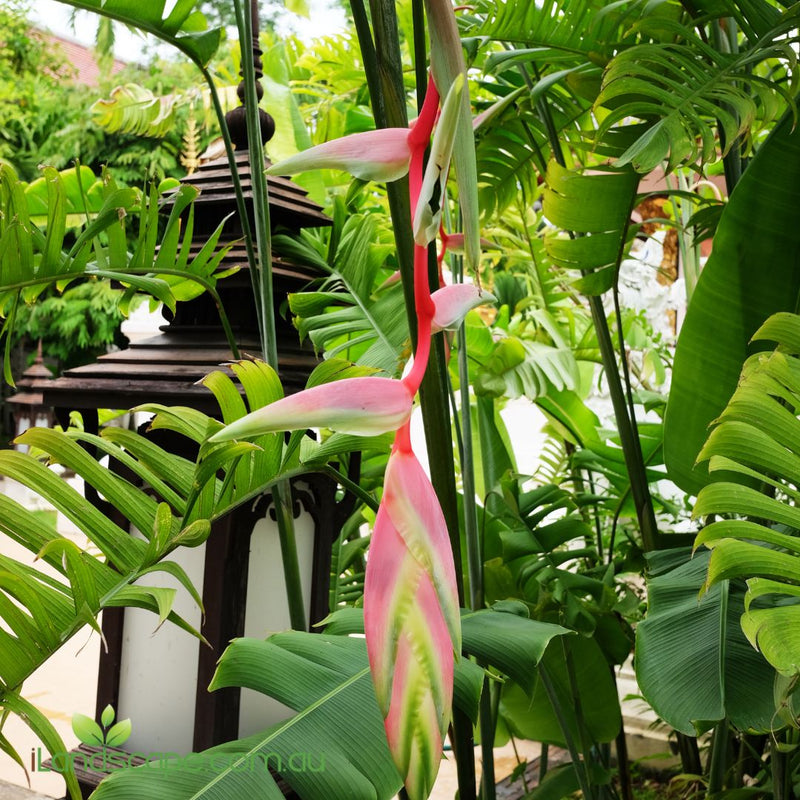
A close-up image of a Heliconia psittacorum Fuchsia plant with vibrant pink and green foliage and fuchsia-colored flowers.

Heliconia psittacorum Fuchsia

Description:Heliconia psittacorum 'Fuchsia', commonly known as Fuchsia Parrot's Beak, is a tropical evergreen perennial admired for its vibrant fuchsia-colored inflorescences and lush green foliage. This compact Heliconia adds a bold splash of color to tropical gardens, borders, and container plantings. Its striking flowers and ease of growth make it a popular choice for warm, humid climates, bringing an exotic flair to any landscape. Flowers:'Fuchsia' produces bright, fuchsia-pink bracts with contrasting yellow and orange tones, resembling a parrot's beak. The blooms appear primarily in summer and can continue throughout the year in optimal conditions. These vibrant flowers attract hummingbirds and other pollinators, adding life and movement to the garden. Foliage:The plant features slender, lance-shaped green leaves that grow upright, forming a dense clump. The lush foliage provides a tropical backdrop for the vivid flowers and remains attractive year-round in suitable climates. Fruit:This variety may produce small, blue-black fruits after flowering, although they are not a significant ornamental feature and are seldom seen. Form and Size:Heliconia psittacorum 'Fuchsia' has a clumping growth habit, typically reaching a height of 1 to 1.5 meters and a spread of 0.5 to 1 meter. Its compact size makes it suitable for smaller gardens, borders, and container plantings. Growing Conditions:This plant thrives in full sun to partial shade and prefers rich, well-draining soil kept consistently moist. It is best suited to warm, humid environments and is sensitive to frost. Regular watering is essential to maintain lush growth and support continuous flowering. Uses:'Fuchsia' is versatile in tropical landscaping, ideal for use in garden beds, borders, and as a feature in mixed tropical plantings. Its vibrant flowers make it a popular choice for cut flower arrangements. It also performs well in containers, adding a tropical touch to patios and decks. Maintenance:This variety is relatively low-maintenance but requires regular watering to keep the soil moist. Mulching helps retain soil moisture and suppress weeds. Fertilize during the growing season with a balanced fertilizer to promote healthy growth and abundant blooms. Remove spent flower stalks to encourage new flowering. Notes:Heliconia psittacorum 'Fuchsia' is valued for its vivid, showy flowers and ease of cultivation in suitable climates. It brings a bold, tropical look to gardens and is a favorite among gardeners in warm regions. Companion Plants:Pairs well with other tropical plants such as Cordyline, Alocasia, and Canna. It also complements ferns and ornamental gingers, enhancing the lush, tropical aesthetic. Common Name: Fuchsia Parrot's BeakBotanical Name: Heliconia psittacorum 'Fuchsia'Family: HeliconiaceaeOrigin: Tropical Americas

Regular price $40.00 AUD
Regular price Sale price $40.00 AUD
Unit price  per 
Heliconia 'Pink Lipstick' with vivid pink and green-tipped bracts surrounded by tropical foliage

Heliconia psittacorum Pink Lipstick

Description: Heliconia psittacorum 'Pink Lipstick' is a compact and vibrant tropical plant known for its striking inflorescences that feature bright pink bracts. This variety is a popular choice for adding color and texture to tropical gardens and landscapes. Its compact size and vivid color make it ideal for small gardens, borders, and container planting. Flowers: The flowers of Heliconia psittacorum 'Pink Lipstick' are small and tubular, nestled within the showy pink bracts that are the plant’s main attraction. The bracts are bright pink, with a glossy texture, and they often have contrasting yellow or orange tones at the base. The inflorescences are upright and slender, typically reaching 30-60 cm in height. Foliage: The foliage of 'Pink Lipstick' consists of long, narrow, lance-shaped leaves that are a rich green color. The leaves grow in a fan-like arrangement and have a smooth texture, adding a lush backdrop to the vivid pink flowers. The leaves can reach up to 60 cm in length, providing a dense and tropical appearance. Fruit: Heliconia psittacorum 'Pink Lipstick' produces small, insignificant fruits that are not typically noticed, as the plant is primarily cultivated for its ornamental bracts and foliage. Form and Size: This Heliconia is a clump-forming perennial that typically grows to a height of 0.9 to 1.5 meters, with a spread of about 0.6 to 1 meter. It has an upright, bushy form, making it suitable for smaller spaces in tropical gardens or as an accent plant in larger landscapes. Growing Conditions: Heliconia psittacorum 'Pink Lipstick' thrives in warm, humid environments and prefers well-draining, fertile soil. It grows best in full sun to partial shade and requires regular watering to maintain its lush appearance. The plant appreciates a sheltered location where it is protected from strong winds. It is frost-sensitive and should be grown in frost-free areas or provided with winter protection. Uses: 'Pink Lipstick' is perfect for adding a pop of color to tropical gardens, mixed borders, and as an eye-catching feature in containers. Its vibrant pink bracts are also popular in floral arrangements, where they can add an exotic touch. It can be used as an underplanting for taller tropical plants or as a standalone feature in smaller garden spaces. Maintenance: Heliconia psittacorum 'Pink Lipstick' is relatively low-maintenance once established. It requires regular watering, especially during dry periods, and benefits from occasional feeding with a balanced, slow-release fertilizer. Dead or damaged leaves and spent flower bracts should be pruned to encourage new growth and maintain a neat appearance. Notes: This Heliconia is known for its long blooming season, providing color and interest in the garden for much of the year. It attracts hummingbirds and other pollinators, adding life and movement to the landscape. Companion Plants: Pair Heliconia psittacorum 'Pink Lipstick' with other tropical plants such as crotons (Codiaeum variegatum), bromeliads (Bromeliaceae), and coleus (Plectranthus scutellarioides) for a vibrant and dynamic garden display. Common Name: Pink Lipstick HeliconiaBotanical Name: Heliconia psittacorum 'Pink Lipstick'Family: HeliconiaceaeOrigin: Tropical Americas

Regular price $35.00 AUD
Regular price Sale price $35.00 AUD
Unit price  per 
Heliconia-Rauliniana in 200mm Pots

Heliconia Rauliniana

Description Heliconia rauliniana, commonly known as Rauliniana Heliconia, is a stunning tropical plant known for its dramatic, brightly colored bracts and lush foliage. This plant is highly valued for its ornamental beauty and exotic appearance, making it a standout feature in tropical and subtropical landscapes. Flowers The flowers of the Rauliniana Heliconia are small and inconspicuous, but they are surrounded by large, brightly colored bracts that can range from red and orange to yellow and green. These bracts are arranged in a distinctive, upright inflorescence that resembles a lobster claw, a common name for many Heliconia species. Foliage The leaves are large, paddle-shaped, and glossy, with a rich green color. Each leaf can reach up to 1-2 meters in length, creating a lush and tropical appearance. The foliage is dense and adds a vibrant backdrop to the colorful bracts. Fruit The fruit is a small, blue to black drupe that is not typically consumed. The primary ornamental value of the plant lies in its bracts and foliage rather than its fruit. Form and Size The Rauliniana Heliconia typically grows to a height of 2-3 meters with a spread of 1-2 meters. It has a clumping growth habit, forming dense clusters of upright stems topped with the dramatic bracts and large leaves. Growing Conditions Soil: Prefers well-drained, rich, organic soil. Thrives in moist, fertile conditions and can tolerate a range of soil types. Sunlight: Grows best in partial shade to full sun. It benefits from some protection from the harshest midday sun in very hot climates. Water: Requires regular watering to keep the soil consistently moist but not waterlogged. It benefits from high humidity levels. Climate: Suitable for tropical and subtropical climates. Prefers warm, humid conditions and is frost-sensitive. Uses Landscaping: Ideal for tropical-themed gardens, shaded borders, and as an accent plant. Also suitable for mass plantings and creating lush, tropical screens. Ornamental: The vibrant bracts and lush foliage provide a dramatic and exotic look, enhancing the aesthetic appeal of any garden or landscape. Containers: Can be grown in large containers for patios, verandas, and indoor spaces with sufficient light. Maintenance Pruning: Minimal pruning required. Remove any dead or damaged leaves and spent bracts to maintain appearance. Fertilizing: Benefits from regular applications of a balanced, slow-release fertilizer during the growing season. Pest and Disease: Generally pest-resistant but can be susceptible to aphids, spider mites, and scale insects. Ensure good air circulation and avoid waterlogging to minimize disease risk. Notes The Rauliniana Heliconia is a versatile and visually striking plant that adds a distinctive tropical flair to any garden or landscape. Its vibrant bracts and lush foliage make it a favorite among gardeners and landscape designers seeking to create an exotic and colorful environment. Companion Plants Alpinia zerumbet (Shell Ginger) Codiaeum variegatum (Croton) Strelitzia reginae (Bird of Paradise) Calathea spp. (Calathea) Common Name Rauliniana Heliconia Botanical Name Heliconia rauliniana Family Heliconiaceae Origin Native to Central and South America

Regular price From $55.00 AUD
Regular price Sale price From $55.00 AUD
Unit price  per 
Heliconia 'Strictly Bella' with vibrant red-orange bracts and lush tropical foliage

Heliconia Strictly Bella

Description:Heliconia stricta 'Strictly Bella' is a compact, evergreen tropical plant renowned for its vibrant red bracts and lush green foliage. Reaching heights of 1.2 to 1.8 meters, it adds a striking visual appeal to gardens, particularly in tropical and subtropical regions. Its moderate size makes it suitable for smaller spaces and container planting. Flowers:Blooming from late winter to spring, 'Strictly Bella' produces bright red, lobster claw-shaped bracts that house small, inconspicuous flowers. These bracts are long-lasting and attract pollinators such as hummingbirds and butterflies, enhancing the garden's biodiversity. Foliage:The plant features broad, glossy green leaves with a maroon midrib, contributing to its tropical aesthetic. The foliage forms a dense clump, providing a lush backdrop to the vibrant bracts. Form and Size:With a clumping growth habit, 'Strictly Bella' typically reaches 1.2 to 1.8 meters in height. Its compact form makes it ideal for underplanting beneath taller palms and bamboos or as a feature in garden beds and large containers. Growing Conditions:Thriving in part sun to light shade, this heliconia prefers well-drained, rich soils. Consistent moisture is essential, but overwatering should be avoided to prevent root rot. Applying mulch helps retain soil moisture and regulate temperature. Uses:'Strictly Bella' is versatile in the landscape, suitable for mass planting in garden beds, underplanting beneath taller specimens, or as a striking feature in large pots. Its vibrant bracts are also excellent for cut flower arrangements, adding tropical flair indoors. Maintenance:Regular fertilization during the growing season promotes robust growth and flowering. Pruning spent flowers and damaged foliage maintains the plant's appearance. In cooler climates, protect the plant from frost to ensure longevity. Notes:'Strictly Bella' is relatively pest and disease-free. However, ensure good air circulation and avoid waterlogged conditions to prevent fungal issues. Companion Plants:Pairs well with other tropical plants like gingers (Alpinia spp.), calatheas (Calathea spp.), and ferns, creating a lush, layered garden design. Common Name: Strictly Bella HeliconiaBotanical Name: Heliconia stricta 'Strictly Bella'Family: HeliconiaceaeOrigin: Cultivar; species native to Central and South America

Regular price $100.00 AUD
Regular price Sale price $100.00 AUD
Unit price  per 
Heliconia tropics in 180mm Pots

Heliconia Tropics

Heliconia 'Tropics' Description:Heliconia 'Tropics' is a stunning tropical perennial valued for its bold, vibrant bracts and lush foliage. This hybrid variety is a striking addition to any tropical or subtropical garden, producing long-lasting flowers that attract pollinators such as birds and butterflies. Its upright growth habit and large banana-like leaves create a dramatic, exotic appearance, making it an excellent choice for landscaping, screening, or feature planting. Flowers:The spectacular flowers consist of bright red bracts with golden-yellow or orange accents, forming an upright inflorescence. The true flowers are small and hidden within the bracts. Flowering occurs in warm seasons, typically from spring through autumn, with blooms lasting several weeks. Foliage:Large, paddle-shaped, glossy green leaves grow in an upright fashion, resembling banana plants. The foliage creates a lush, tropical effect and provides a striking contrast to the brightly colored bracts. Fruit:Produces small, round, blue to black fruits after flowering, but these are not commonly seen in cultivated settings. Form & Size:An upright, clumping perennial that typically reaches 1.5–2.5m in height and 1–1.5m in width under ideal conditions. Growing Conditions: Light: Prefers full sun to partial shade. More sun encourages better flowering. Soil: Thrives in rich, well-draining soil with organic matter. Prefers slightly acidic to neutral soil. Water: Requires regular watering, particularly in warm weather. Keep soil moist but avoid waterlogging. Humidity: High humidity promotes healthy growth. Beneficial in tropical and subtropical environments. Temperature: Grows best in warm climates with temperatures above 15°C. Protect from frost, as cold conditions can damage foliage. Uses:Perfect for tropical gardens, mass planting, screening, borders, and container planting. Ideal as a feature plant or to create a lush, exotic backdrop in landscape designs. Maintenance: Remove spent flower stems and older leaves to encourage new growth. Mulch well to retain soil moisture and suppress weeds. Fertilize with a balanced, slow-release fertilizer or liquid feed during the growing season. Protect from strong winds, which can tear the broad leaves. Divide clumps every 2–3 years to maintain vigor. Notes:Heliconia 'Tropics' thrives in warm, humid environments and is best suited to tropical and subtropical regions. If grown in cooler areas, it can be cultivated in pots and overwintered indoors. The striking bracts make excellent cut flowers for floral arrangements. Companion Plants:Complements Gingers (Alpinia spp.), Cordylines, Bromeliads, Strelitzia, and Crotons, creating a layered tropical aesthetic. Common Name: Heliconia 'Tropics'Botanical Name: Heliconia spp. 'Tropics'Family: HeliconiaceaeOrigin: Hybrid variety, derived from tropical Central and South American species.

Regular price $60.00 AUD
Regular price Sale price $60.00 AUD
Unit price  per 
A hand holding a potted Hibbertia Scandens 'Golden Sunburst' plant with yellow flowers, in a garden center environment.

Hibbertia Scandens Golden Sunburst

Description: Hibbertia scandens 'Golden Sunburst' is a vigorous, evergreen climber or scrambling shrub known for its lush foliage and stunning golden-yellow flowers. The plant can grow up to 2-5 meters in height and spread, depending on its support and growing conditions. The leaves are dark green, glossy, and oval-shaped, providing an attractive backdrop to the bright blooms. Flowers: The plant produces large, vibrant golden-yellow flowers that bloom mainly from spring to autumn, with sporadic flowering at other times of the year. Each flower has five petals and a prominent cluster of stamens in the center, creating a striking contrast against the green foliage. The flowers are typically 4-6 cm in diameter and are known for their cheerful, sunny appearance. Cultivation: Hibbertia scandens 'Golden Sunburst' is well-suited to a variety of garden styles, including native, coastal, and cottage gardens. It thrives in full sun to partial shade and prefers well-drained soils. The plant is adaptable to a range of soil types, including sandy, loamy, and even slightly clay soils, provided they are well-draining. It is also tolerant of coastal conditions, including salty winds. Watering: Once established, Hibbertia scandens 'Golden Sunburst' is relatively drought-tolerant. Regular watering is required during the initial establishment period. During prolonged dry periods, occasional deep watering will help maintain its health and vigor. Pruning: Light pruning can help maintain a neat shape and encourage more prolific flowering. Prune after the main flowering period to remove spent flowers and trim any excessively long or unruly stems. The plant can also be trained to climb on trellises, fences, or other supports. Pests and Diseases: Hibbertia scandens 'Golden Sunburst' is generally pest-resistant. However, it can be susceptible to root rot if planted in poorly drained soil. It is also relatively free from diseases but monitor for any signs of stress, such as yellowing leaves, which can indicate nutrient deficiencies or improper watering. Uses: This versatile plant is excellent for use as a climber on trellises, fences, and pergolas, or as a ground cover for large areas. Its bright, cheerful flowers make it a great choice for adding color to garden borders, rockeries, and mixed plantings. Hibbertia scandens 'Golden Sunburst' can also be used in containers for patios or balconies. Environmental Benefits: As an Australian native, Hibbertia scandens 'Golden Sunburst' supports local biodiversity by providing habitat and nectar for native bees, butterflies, and other beneficial insects. Its low water requirements and adaptability to various conditions make it a sustainable choice for eco-friendly gardening. Care Tips: Ensure good drainage to prevent root rot by planting in raised beds or using well-draining soil. Mulch around the base to retain moisture and suppress weeds, but keep mulch away from the stem to avoid rot. Fertilise with a balanced, slow-release fertiliser in spring to promote healthy growth and flowering. Provide support if you want the plant to climb, or allow it to scramble freely as a ground cover. By incorporating Hibbertia scandens 'Golden Sunburst' into your garden, you enhance its visual appeal and support the local ecosystem, creating a vibrant and sustainable garden space. Hibbertia scandens 'Golden Sunburst' Botanical Name: Hibbertia scandens 'Golden Sunburst' Common Name: Golden Sunburst Guinea Flower Family: Dilleniaceae Origin: Native to Australia

Regular price $17.50 AUD
Regular price Sale price $17.50 AUD
Unit price  per 
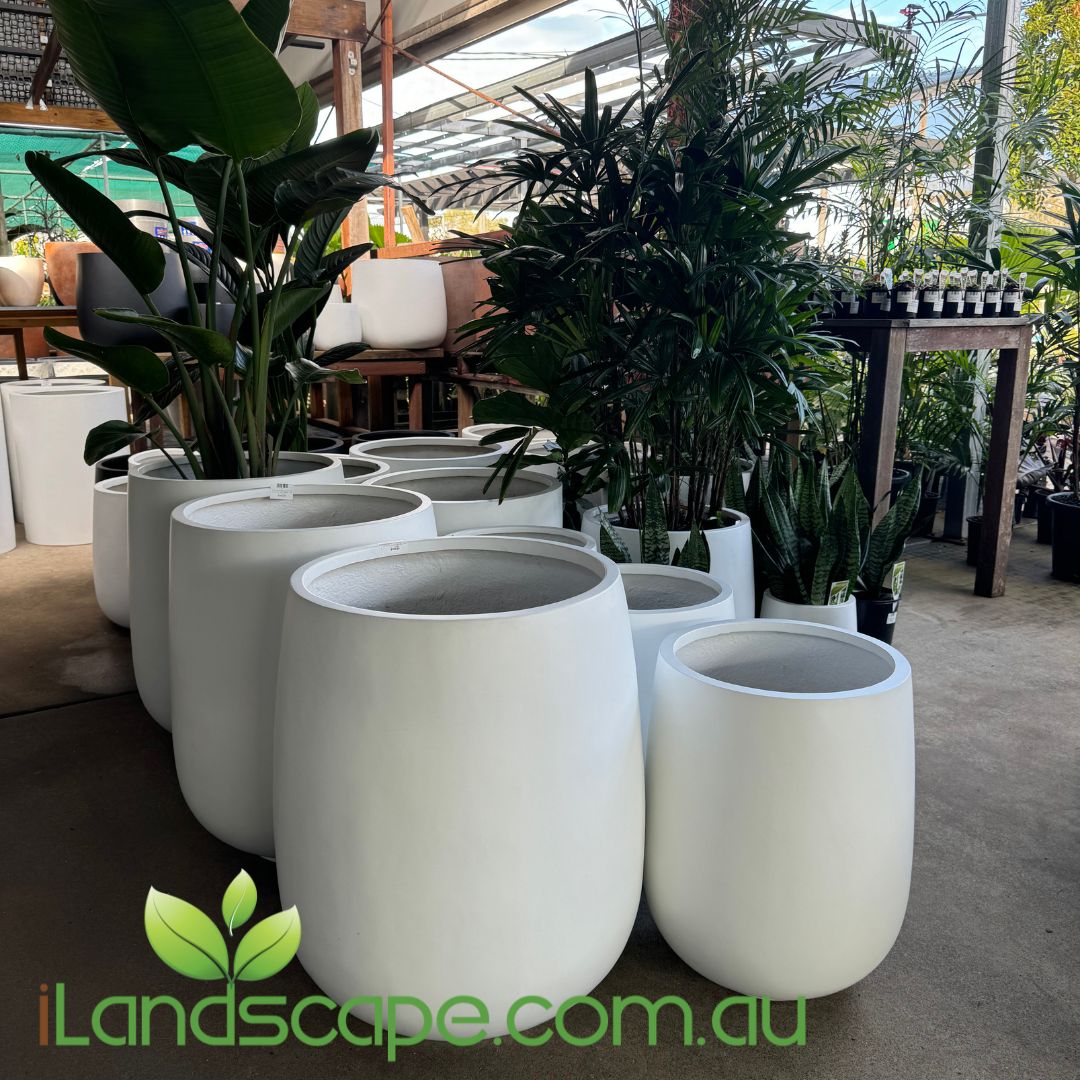
White Horseshoe fibrestone planter pots in contemporary lightweight garden pot design

Horseshoe Planter Pot - Also known as Hamptons Pot

The Horseshoe Fibrestone Planter Pot is a stylish, lightweight decorative garden pot designed to complement modern homes, landscaped gardens and outdoor entertaining areas. Also known as the Hamptons Pot, this attractive planter combines contemporary styling with a substantial appearance, making it an excellent choice for feature planting. Manufactured from lightweight fibrestone, the Horseshoe Planter Pot provides the visual appeal of a large garden planter without the excessive weight associated with traditional concrete pots. Its generous proportions make it particularly suitable for displaying ornamental plants, tropical foliage, decorative shrubs and statement planting arrangements. Available in two sizes and three contemporary colours, these versatile garden pots complement a wide range of landscaping styles, including modern, coastal, Hamptons-inspired and contemporary garden designs. Whether you're looking for large outdoor pots, lightweight feature planters or decorative indoor plant pots, the Horseshoe Fibrestone Planter offers a practical and attractive planting solution. Features Lightweight fibrestone construction, making handling easier than traditional concrete planters. Contemporary decorative design suitable for modern and Hamptons-inspired gardens. Generous proportions for attractive feature planting. Suitable for indoor and outdoor use with appropriate drainage arrangements. Available in two sizes to suit different planting requirements. Choice of White, Black and Industrial Grey. Ideal for ornamental foliage, tropical plants, compact shrubs and decorative feature plants. Suitable for residential gardens, courtyards, patios and commercial landscaping. Uses Outdoor Gardens & Landscaping: Create attractive feature plantings around garden entrances, pathways, patios and outdoor entertaining areas. Hamptons & Coastal Gardens: Complement coastal-inspired landscapes and Hamptons-style homes with contemporary decorative planters in neutral colours. Indoor Plant Displays: Showcase suitable indoor foliage plants in living areas, offices, reception spaces and covered entertaining areas. Feature Planting: Use the larger size to display statement foliage plants, ornamental shrubs or other suitable feature plants. Courtyards & Balconies: Introduce greenery into paved outdoor spaces using decorative lightweight planters, subject to available space and load limits. Commercial Landscaping: Suitable for decorative planting around shopfronts, offices, cafés and commercial entrances. Available Sizes & Colours Size Height Width Small 56 cm 45 cm Large 72 cm 55 cm Available Colours: White Black Industrial Grey The Horseshoe Planter Pots are available individually in both sizes. Planting Suggestions The Horseshoe Fibrestone Planter Pot is particularly suited to feature planting where height, foliage and decorative structure are important. Tropical Gardens: Consider suitable Philodendrons, Cordylines, Bird of Paradise or other ornamental foliage plants for a lush tropical appearance. Modern & Contemporary Gardens: Compact ornamental shrubs, architectural plants and decorative grasses can create attractive, structured planting arrangements. Coastal & Hamptons Gardens: Combine the neutral pot colours with suitable green foliage or flowering plants to complement coastal-inspired landscaping. Indoor Spaces: Use appropriately sized indoor foliage plants to create attractive decorative displays in well-lit interior spaces. Always select plants appropriate for the pot dimensions, available sunlight and growing conditions. Use a quality potting mix and ensure suitable drainage for the intended application. Notes The Horseshoe Fibrestone Planter Pot combines contemporary styling with lightweight construction, making it an attractive alternative to heavier traditional garden pots. For outdoor planting, ensure adequate drainage is provided. For indoor use, appropriate floor protection and water management are recommended. Product colours may vary slightly between photographs, screens and actual finishes. We recommend viewing the available colours in-store where possible. Available from Sunshine Coast Nursery & Garden Centre in Caloundra, with local pickup and delivery options available.

Regular price From $250.00 AUD
Regular price Sale price From $250.00 AUD
Unit price  per 
Howea forsteriana Kentia Palm – kentia 400mm sunshine coast nursery

Howea forsteriana Kentia Palm

Description Howea forsteriana, commonly known as the Kentia Palm, is an elegant and slow-growing palm tree renowned for its graceful, arching fronds and slender trunk. It is a popular choice for both indoor and outdoor landscapes, adding a touch of tropical sophistication. Flowers The Kentia Palm produces small, creamy-white flowers that grow in large, branched inflorescences. These flowers are followed by clusters of small, round, red to black fruits. Foliage The foliage of Howea forsteriana consists of long, feather-like fronds that are dark green and glossy. Each frond can reach up to 3 meters in length and is composed of numerous narrow leaflets that arch gracefully, creating a lush, tropical canopy. Form and Size The Kentia Palm typically grows to a height of 10-12 meters outdoors, but it usually reaches 2-3 meters when grown indoors. It has a single, slender trunk that is dark green when young and becomes more grayish-brown with age. The trunk is topped with a crown of elegant fronds, forming a symmetrical and airy silhouette. Growing Conditions Soil: Prefers well-drained, sandy to loamy soils. It can tolerate poor soil conditions but thrives in fertile, well-draining substrates. Sunlight: Grows best in partial shade to full shade. It can tolerate low light conditions, making it an excellent choice for indoor environments. Water: Requires moderate watering. Keep the soil consistently moist but not waterlogged. Allow the top layer of soil to dry out between waterings. Climate: Suitable for warm, temperate, and subtropical climates. It is moderately frost-tolerant but should be protected from extreme cold. Uses Indoor Plant: Ideal for indoor settings such as homes, offices, and commercial spaces due to its tolerance for low light and air-purifying qualities. Specimen Plant: Perfect as a focal point in gardens, patios, and conservatories, providing a sophisticated and tropical ambiance. Landscaping: Used in shaded garden beds and borders to add height and texture to the landscape. Maintenance Pruning: Minimal pruning required. Remove any dead or damaged fronds to maintain appearance. Fertilizing: Benefits from regular applications of a balanced, slow-release fertilizer during the growing season. Pest and Disease: Generally pest-resistant but can be susceptible to spider mites and scale insects. Monitor regularly and treat as needed. Notes The Kentia Palm is a versatile and low-maintenance plant that adds a touch of elegance to any setting. Its slow growth rate and adaptability to various light conditions make it a favorite among gardeners and interior designers. Companion Plants Spathiphyllum spp. (Peace Lily) Aspidistra elatior (Cast Iron Plant) Philodendron spp. (Philodendron) Dracaena spp. (Dracaena) Common Name Kentia Palm Botanical Name Howea forsteriana Family Arecaceae Origin Native to Lord Howe Island, Australia, Howea forsteriana has been cultivated widely for its ornamental value and adaptability to indoor and outdoor environments.

Regular price From $120.00 AUD
Regular price Sale price From $120.00 AUD
Unit price  per 
Hydrangea Magical Revolution with compact foliage and multi-toned flowering heads

Hydrangea Magical Revolution

Description:Hydrangea Magical Revolution is a compact and robust deciduous shrub that delivers a spectacular display of ever-changing blooms throughout its extended flowering season. This variety is particularly notable for its ability to produce flowers that transition in colour, offering dynamic visual interest. With its compact size and striking appearance, it is a favourite for small gardens, patios, and containers. Flowers:The mophead blooms are abundant, starting with bright pink or blue tones (depending on soil pH) and gradually evolving into deeper shades of purple, green, or burgundy. This long-lasting colour transformation extends from late spring to early autumn. Foliage:The dark green, ovate leaves form a dense canopy that provides a lush, textured backdrop for the vibrant blooms. The foliage remains healthy and attractive throughout the growing season. Fruit:Hydrangea Magical Revolution is grown for its ornamental flowers, with little emphasis on fruit production. Form and Size:This compact shrub grows to a height and width of approximately 0.8–1 meter, making it perfect for smaller spaces, container planting, or as a low hedge in garden beds. Growing Conditions: Position: Prefers partial to full shade, protected from the harsh afternoon sun. Soil: Performs best in well-drained, nutrient-rich soils. Acidic soils produce blue-toned blooms, while neutral to alkaline soils bring out pink hues. Watering: Regular watering is essential, particularly during hot or dry periods, to maintain consistent soil moisture. Climate: Thrives in temperate climates but is adaptable to warmer regions with proper care. Uses:Ideal for garden borders, foundation planting, and decorative containers. The blooms are also highly valued for cut flower arrangements, both fresh and dried. Maintenance: Light pruning after the flowering season helps maintain its shape and encourages new growth. Mulch around the base to retain soil moisture and regulate root temperature. Apply a slow-release fertilizer in early spring and mid-season for optimal flowering. Remove spent blooms to encourage prolonged flowering. Notes:Hydrangea Magical Revolution’s ability to thrive in smaller spaces and its vivid, changing colours make it a standout choice for modern gardens. Regular feeding and soil testing can help enhance the vibrancy of its blooms. Companion Plants:Pair with shade-loving plants like hostas, heucheras, or Japanese forest grass for a harmonious effect. For a more dramatic display, combine with taller hydrangeas or evergreen shrubs. Common Name: Magical Revolution HydrangeaBotanical Name: Hydrangea macrophylla 'Magical Revolution'Family: HydrangeaceaeOrigin: Hybrid cultivar

Regular price $35.00 AUD
Regular price Sale price $35.00 AUD
Unit price  per 
Hydrangea Magical ruby red sunshine coast nursery

Hydrangea Magical Ruby Red

Description:Hydrangea Magical Ruby Red is a striking deciduous shrub celebrated for its vibrant ruby-red flowers and compact growth habit. The blooms provide an intense pop of color that gradually deepens over time, creating a dynamic focal point in gardens or containers. Known for its exceptional hardiness and prolonged flowering season, this hydrangea is a perfect choice for adding a dramatic touch to shaded areas. Flowers:Large, mophead-style clusters of deep ruby-red flowers dominate this cultivar. As the flowers age, they often take on a richer tone, developing subtle burgundy or purple hues. Flowering occurs from late spring to early autumn, ensuring months of stunning visual interest. Foliage:The foliage is deep green, with a broad, ovate shape and serrated edges. The leaves form a dense canopy that provides a rich contrast to the vivid blooms. Fruit:This plant does not produce significant fruit, as its ornamental value lies in its stunning flowers. Form and Size:Hydrangea Magical Ruby Red forms a compact, rounded shrub, reaching up to 1–1.2 meters in height and width. Its uniform shape makes it ideal for both garden beds and container planting. Growing Conditions: Position: Prefers partial to full shade, avoiding intense afternoon sun. Soil: Thrives in well-drained, humus-rich soils. Acidic to neutral soil will best support vibrant flower coloration. Watering: Requires regular watering, especially during dry periods, to maintain consistent soil moisture. Climate: Performs well in temperate climates but can adapt to warmer regions with sufficient shade and hydration. Uses:This versatile shrub is excellent for garden borders, mixed planting beds, and patio containers. Its long-lasting blooms are also ideal for fresh or dried floral arrangements, adding rich color to indoor spaces. Maintenance: Deadhead spent blooms to encourage new flowers. Light pruning after flowering helps maintain its shape. Apply mulch around the base to retain moisture and protect roots. Use a balanced, slow-release fertilizer in spring and after flowering. Notes:Hydrangea Magical Ruby Red's intense color is enhanced in acidic soils. Regular feeding and proper watering will ensure the blooms retain their vibrancy throughout the flowering season. Companion Plants:Combine with shade-loving plants such as astilbes, hostas, and ferns for a lush, layered look. Pair with contrasting hydrangea varieties or Japanese maples to create a vibrant color palette. Common Name: Magical Ruby Red HydrangeaBotanical Name: Hydrangea macrophylla 'Magical Ruby Red'Family: HydrangeaceaeOrigin: Hybrid cultivar

Regular price $35.00 AUD
Regular price Sale price $35.00 AUD
Unit price  per 
Bottle Palm Hyophorbe lagenicaulis with swollen trunk in tropical garden

Hyophorbe lagenicaulis Bottle Palm

Description The Bottle Palm is a striking tropical feature palm, instantly recognisable by its unique swollen, bottle-shaped trunk. Native to the Mascarene Islands, this slow-growing palm brings a sculptural, architectural element to gardens and landscapes. Its compact size and distinctive form make it ideal for feature planting in courtyards, poolside settings, and tropical garden designs across South East Queensland. Flowers Produces small, cream-coloured flowers on branching inflorescences that emerge from beneath the crownshaft. While not the main feature, they add seasonal interest and can be followed by small ornamental fruits. Foliage Features a neat crown of arching, feather-like (pinnate) fronds in a rich green tone. The foliage is clean and symmetrical, enhancing its tidy, ornamental appearance. Fruit Small, oval fruits develop after flowering, transitioning from green to black as they mature. These are generally not a major ornamental feature. Form and Size A slow-growing, single-trunk palm with a distinctive swollen base tapering towards the crown. Typically grows to approximately 3–5m high and 2–3m wide over time, making it well suited to smaller spaces and feature planting. Growing Conditions Thrives in full sun to part shade in warm, frost-free environments. Prefers well-drained soil and benefits from regular watering during establishment. Well suited to coastal conditions and performs strongly in South East Queensland climates. Uses Perfect as a feature palm in tropical and resort-style gardens. Ideal for poolside planting, courtyard gardens, and large decorative pots. Its compact size also makes it suitable for smaller residential landscapes. Maintenance Low maintenance once established. Remove old fronds as needed to maintain a clean appearance. Apply a slow-release palm fertiliser during the growing season for optimal health and growth. Notes Highly valued for its unique trunk shape and compact habit. Best suited to frost-free areas, as it is sensitive to cold temperatures when young. Excellent choice for adding a premium, architectural look to landscape designs. Companion Plants Pairs beautifully with tropical favourites such as heliconias, cordylines, hibiscus, and crotons. Also complements low-growing groundcovers and decorative pots for layered tropical styling. Common Name: Bottle PalmBotanical Name: Hyophorbe lagenicaulisFamily: ArecaceaeOrigin: Mascarene Islands

Regular price From $125.00 AUD
Regular price Sale price From $125.00 AUD
Unit price  per 
Ilex Crenata Sky Pencil is a slow growing, narrow, strongly columnar evergreen Japanese Holly with a shiny foliage. grows to approx. 4 m tall x 1.0m wide  Feed seasonally using Native food or similar

Ilex Crenata Sky Pencil

Ilex 'Sky Pencil' is a striking evergreen shrub renowned for its unique narrow, columnar growth habit that adds strong vertical interest to the landscape. Its naturally upright form requires little to no pruning, making it an excellent choice for formal gardens, entranceways, courtyards, feature planting and narrow spaces where width is limited. With dense, glossy green foliage and year-round structure, 'Sky Pencil' brings elegance and architectural appeal to both modern and traditional garden designs. Flowers Small, inconspicuous white flowers appear during spring. While not showy, they attract bees and other beneficial pollinators. Foliage Small, glossy deep green evergreen leaves densely cover the upright stems, maintaining a neat appearance throughout the year. Fruit Female plants may produce small black berries during autumn if a compatible male pollinator is planted nearby. The fruit provides seasonal interest and attracts birds. Form & Size A very narrow, upright evergreen shrub with a naturally columnar habit. Mature Size: Approximately 2–3m high × 50–80cm wide Growing Conditions Sun: Full sun to part shade. Soil: Prefers fertile, well-drained soils rich in organic matter and grows best in slightly acidic soils. Water: Water regularly during establishment. Once established it prefers consistent moisture but will tolerate short dry periods. Frost: Excellent frost tolerance. Wind: Suitable for most garden situations but appreciates protection from strong drying winds. Climate: Well suited to temperate, subtropical and cooler coastal climates throughout Australia. Uses Feature planting Formal gardens Entrance planting Narrow screening Courtyard gardens Containers and pots Topiary accents Avenue planting Commercial landscaping Maintenance Requires very little maintenance due to its naturally upright habit. Pruning is rarely necessary but can be carried out lightly to maintain shape if desired. Feed annually with a quality slow-release fertiliser in spring and keep well mulched to maintain soil moisture. Notes 'Sky Pencil' is one of the most distinctive evergreen shrubs available, offering a naturally slender form that fits into spaces where wider shrubs cannot. Its architectural shape makes it perfect for framing entrances, lining pathways or creating vertical accents within formal landscapes. Female plants require a male pollinator nearby to produce berries. Companion Plants Buxus microphylla var. japonica Thuja 'Smaragd' Gardenia Camellia Nandina Liriope 'Emerald Cascade' Lomandra 'Little Pal' Mondo Grass Azalea Common Name: Sky Pencil Holly Botanical Name: Ilex crenata 'Sky Pencil' Family: Aquifoliaceae Origin: Cultivated selection of Ilex crenata, a species native to Japan, Korea, China and eastern Russia.

Regular price From $25.00 AUD
Regular price Sale price From $25.00 AUD
Unit price  per 
Ixora ‘Compact Orange’ with glossy green foliage and bright orange flower clusters

Ixora chinensis Compact Orange

Description:Ixora ‘Compact Orange’ is a vibrant, low-growing tropical shrub prized for its dense growth habit and continuous display of brilliant orange flower clusters. This compact variety is perfect for borders, low hedges, tropical gardens, or containers, providing year-round colour in warm climates. Its glossy foliage and bright blooms make it a standout in any landscape. Flowers:Clusters of small, bright orange star-shaped flowers bloom prolifically from spring through autumn, with spot flowering year-round in tropical conditions. The blooms are long-lasting and highly attractive to butterflies and pollinators. Foliage:Glossy, deep green leaves are small and leathery, forming a tight, compact shrub that maintains a neat appearance with minimal pruning. Fruit:Occasionally produces small berries after flowering, though not a prominent feature. Form & Size:Neat, rounded shrub growing approximately 60–90cm high and wide. Growing Conditions: Position: Prefers full sun to part shade; best flowering in full sun. Soil: Well-drained, slightly acidic soil enriched with organic matter. Climate: Best suited to tropical and subtropical climates. Frost-sensitive – protect in cooler regions. Watering: Keep soil evenly moist; mulch to retain moisture during hot periods. Uses: Ideal for low borders, tropical garden beds, and mass planting. Great for pots and containers in warm, protected areas. Excellent choice for brightening up patios, courtyards, and entranceways. Maintenance: Low-maintenance once established. Prune lightly to shape and remove spent flower heads. Feed with a slow-release fertiliser in spring and late summer to support blooming. Notes: Prefers warm, humid conditions. May be grown as a seasonal potted plant in cooler climates. Attracts pollinators and provides continuous colour in tropical gardens. Companion Plants:Pairs beautifully with Cordyline, Gardenia, Alpinia, and Mandevilla for a lush, vibrant planting scheme. Common Name: Compact Orange IxoraBotanical Name: Ixora ‘Compact Orange’Family: RubiaceaeOrigin: Tropical Asia (cultivar)

Regular price $25.00 AUD
Regular price Sale price $25.00 AUD
Unit price  per 
Jacaranda Mimosafolia - Purple flowers – Jacaranda 20purple

Jacaranda Mimosafolia - Purple flowers

Description:Jacaranda mimosifolia, commonly known as Jacaranda, is a striking deciduous tree known for its spectacular display of purple-blue flowers in spring and summer. With its broad, spreading canopy and fern-like foliage, it is a favorite feature tree in warm-climate gardens. Native to South America, this tree is widely grown in urban landscapes, parks, and streetscapes for its ornamental beauty. Its graceful form and vibrant floral display make it an iconic tree in subtropical and tropical regions. Flowers:In late spring to early summer, Jacaranda mimosifolia bursts into bloom with clusters of tubular, lavender-blue flowers that cover the branches. These flowers form a stunning, showy display, carpeting the ground in a sea of purple as they fall. The blooms are lightly fragrant and attract pollinators like bees. Foliage:The leaves are bright green and feathery, composed of multiple small leaflets, giving the tree a soft, airy appearance. During the cooler months, the tree is semi-deciduous, shedding its leaves in winter. The delicate foliage creates a light shade, making it ideal for planting over lawns or garden beds where filtered sunlight is needed. Fruit:Following the flowering period, flat, woody seed pods form. These pods are round, brown, and hard, resembling small discs. Though not particularly ornamental, they add interest and persist on the tree after the flowers have fallen. Form and Size:Jacaranda mimosifolia has a broad, spreading canopy with an open, vase-like form. It typically reaches a height of 10-15 meters, with a similar spread. The tree develops an attractive, gnarled trunk as it matures, adding character to its overall appearance. Its graceful, arching branches make it an excellent choice for providing dappled shade. Growing Conditions:This tree thrives in full sun and prefers well-drained soil. It is adaptable to a range of soil types, including sandy and loamy soils. Jacaranda mimosifolia is drought-tolerant once established but appreciates regular watering during prolonged dry periods, particularly when young. It is frost-sensitive, so it is best suited to warmer climates or protected areas in cooler regions. Uses:Jacaranda mimosifolia is ideal as a feature tree in large gardens or public spaces where its floral display can be fully appreciated. Its spreading canopy provides shade, making it suitable for parks, streetscapes, or planted over garden seating areas. The tree's flowers create a striking visual impact when planted in rows or as a focal point in landscape designs. Maintenance:Relatively low-maintenance, this tree benefits from occasional pruning to remove dead wood and maintain a balanced shape. Water deeply when establishing young trees, and mulch around the base to conserve moisture. Fertilize in spring with a balanced fertilizer to promote healthy growth and flowering. Notes:The Jacaranda is iconic in many warm-climate cities worldwide, celebrated for its vibrant spring blooms. While it is stunning when in flower, the fallen petals can be slippery on footpaths, so this should be considered when planting near walkways or driveways. In some regions, Jacaranda mimosifolia is considered invasive, so it's important to check local guidelines before planting. Companion Plants:Pairs well with other subtropical and Mediterranean plants such as Bougainvillea, Agapanthus, and Callistemon. Its light, filtered shade makes it an ideal companion for underplanting with shrubs like Lavender and Roses. Common Name: JacarandaBotanical Name: Jacaranda mimosifoliaFamily: BignoniaceaeOrigin: South America

Regular price $95.00 AUD
Regular price Sale price $95.00 AUD
Unit price  per 

Sold out

Jacaranda mimosifolia alba - White Jacaranda – Jacarandawhite

Jacaranda mimosifolia alba - White Jacaranda

Description:Jacaranda mimosifolia alba, commonly known as White Jacaranda, is a stunning deciduous tree prized for its beautiful white, trumpet-shaped flowers and graceful, fern-like foliage. A rare variant of the more common purple-flowering Jacaranda, this tree offers a striking display of snow-white blooms, making it an exceptional feature in gardens, streetscapes, and large landscapes. Its elegant form and airy canopy provide light, dappled shade. Flowers:In late spring to early summer, White Jacaranda produces clusters of large, trumpet-shaped, pure white flowers that cover the branches. These fragrant blossoms create a breathtaking display, attracting bees and other pollinators. The tree's flower show is often followed by a light carpet of fallen petals. Foliage:The tree has soft, feathery, fern-like leaves that are a bright green during the growing season. The finely divided leaflets create a delicate, airy canopy that provides light shade. In cooler climates, the foliage may drop in winter, while in warmer regions, the tree may retain some leaves year-round. Fruit:After flowering, the tree develops flat, round, woody seed pods that turn brown as they mature. These pods can persist on the tree through winter, adding subtle ornamental interest. Form and Size:White Jacaranda has an upright, spreading growth habit with an open canopy. It typically reaches a height of 10 to 15 meters with a spread of 8 to 10 meters, making it ideal for larger gardens, parks, and as a street tree where space allows. Growing Conditions:This tree thrives in full sun and prefers well-draining, sandy or loamy soil. It is moderately drought-tolerant once established but benefits from regular watering during hot, dry periods. White Jacaranda is frost-sensitive, especially when young, and should be planted in a sheltered location in cooler climates. Uses:Ideal as a feature tree in large gardens, parks, and avenues, the White Jacaranda creates a striking visual impact when in bloom. Its open canopy makes it suitable for creating dappled shade over lawns or garden beds. The tree’s elegant form and flowering display also make it a popular choice for streetscapes and public spaces. Maintenance:This tree is relatively low-maintenance once established. Light pruning in late winter or early spring helps shape the tree and remove any dead or crossing branches. A balanced fertilizer applied in early spring can promote healthy growth and flowering. Young trees may require staking and frost protection in colder regions. Notes:White Jacaranda is valued for its rarity, making it a sought-after choice for collectors and gardeners looking for something unique. Its elegant, white blossoms provide a softer, more delicate alternative to the vibrant purple Jacaranda. Companion Plants:Pairs well with other flowering trees like Magnolia and Tabebuia. It also complements evergreen shrubs and ground covers such as Liriope and Agapanthus, adding layers of color and texture to the landscape. Common Name: White JacarandaBotanical Name: Jacaranda mimosifolia albaFamily: BignoniaceaeOrigin: South America (Argentina, Brazil, Bolivia)

Regular price $300.00 AUD
Regular price Sale price $300.00 AUD
Unit price  per 
Juglans nigra Black Walnut tree with compound leaves and dark bark

Juglans nigra Black Walnut

Description:Black Walnut (Juglans nigra) is a large, deciduous tree known for its distinctive dark bark, broad canopy, and valuable hardwood. Native to North America, this tree produces edible nuts encased in a hard shell and is often prized for its durable, richly-colored wood used in fine furniture. Black Walnut adds structure and shade to large landscapes and is a common choice for woodland and rural plantings. Flowers:In spring, Black Walnut produces small, yellow-green flowers. The male flowers appear as long, hanging catkins, while the female flowers are shorter and cluster near the branch tips. Although these flowers are not showy, they add seasonal interest to the tree. Foliage:The tree features large, pinnately compound leaves with 15 to 23 lance-shaped leaflets, each a vibrant green in spring and summer. In autumn, the foliage turns yellow, adding a touch of seasonal color. The leaves provide a light, airy canopy, creating filtered shade beneath the tree. Fruit:Black Walnut produces round, green husks that mature in autumn, encasing the hard-shelled walnut within. The nuts are edible but challenging to harvest and crack. The tree’s fruit production can create litter beneath the canopy, and the nuts attract wildlife, including squirrels and birds. Form and Size:This tree has a broad, rounded crown with a spreading growth habit. It typically reaches a height of 20 to 30 meters with a spread of 15 to 20 meters, making it suitable for large spaces. Its dark, deeply ridged bark adds texture and interest year-round. Growing Conditions:Black Walnut thrives in full sun and prefers deep, well-draining, fertile soil, though it can tolerate a range of soil types. It is drought-tolerant once established and can adapt to various climates but does best in temperate regions. Note that the tree produces a compound called juglone, which can inhibit the growth of certain plants nearby. Uses:This tree is ideal for shade, timber production, and wildlife habitats in large landscapes, parks, and rural areas. Its nuts are edible and often harvested for culinary use, and its wood is highly valued for woodworking and cabinetry. However, it may not be suitable for small gardens due to its size and juglone production. Maintenance:This tree requires little maintenance once established. Regular watering is beneficial in its early years, but mature trees are relatively drought-tolerant. Prune in late winter to remove any dead or crossing branches and promote a strong structure. Notes:Black Walnut is highly valued for its high-quality wood and nut production, but gardeners should be aware of its allelopathic properties due to juglone, which can inhibit the growth of sensitive plants nearby. Its large size makes it best suited for expansive spaces. Companion Plants:Care should be taken when planting near Black Walnut, as its juglone production can be toxic to certain plants. Juglone-tolerant plants include Pawpaw, Virginia Creeper, and Serviceberry. Avoid planting sensitive species such as tomatoes, potatoes, and certain ornamental flowers nearby. Common Name: Black WalnutBotanical Name: Juglans nigraFamily: JuglandaceaeOrigin: Eastern North America

Regular price $130.00 AUD
Regular price Sale price $130.00 AUD
Unit price  per 
Juniperus conferta – Juniperous conferta plant Garden centre Sunshine Coast

Juniperus conferta

Juniperus conferta Description: Juniperus conferta, commonly known as Shore Juniper, is a hardy, low-growing evergreen shrub renowned for its dense, spreading habit and vibrant green foliage. This versatile plant is ideal for ground cover, erosion control, and coastal landscapes due to its robust tolerance to salt spray and sandy soils. Flowers: Juniperus conferta produces small, inconspicuous flowers that are not a significant ornamental feature. The male flowers are yellowish-brown, while the female flowers are small and green. Foliage: The foliage of Juniperus conferta consists of needle-like leaves that are bright green to bluish-green. The needles are arranged in whorls along the stems, giving the plant a lush, textured appearance. The foliage emits a pleasant fragrance when crushed. Fruit: The fruit of Juniperus conferta is a small, berry-like cone that matures to a blue-black color. These fruits are generally inconspicuous but can add a subtle decorative element. Form and Size: Juniperus conferta has a low, spreading growth habit, typically reaching up to 30-45 cm (12-18 inches) in height and spreading 1.2-1.8 meters (4-6 feet) wide. Its prostrate form makes it an excellent ground cover option. Growing Conditions: Light: Prefers full sun for optimal growth and foliage color. Can tolerate partial shade but may become leggy. Soil: Well-draining soil is essential. Juniperus conferta tolerates a range of soil types, including sandy, loamy, and rocky soils, and is particularly well-suited for coastal conditions. Water: Drought-tolerant once established. Requires regular watering during the establishment period, after which it can withstand dry conditions. Temperature: Thrives in a range of climates. Hardy in USDA zones 5-9. Humidity: Tolerates a range of humidity levels but prefers moderate humidity. Uses: Juniperus conferta is used primarily as a ground cover, particularly in areas where erosion control is needed. Its dense, spreading habit makes it ideal for stabilizing slopes, covering large areas, and providing a low-maintenance landscape solution. It is also used in rock gardens, coastal landscapes, and as a border plant. Maintenance: This plant is low-maintenance and easy to care for. Prune as needed to maintain its shape and control its spread. Apply a balanced fertilizer in early spring to promote healthy growth. Mulch around the base to conserve moisture and suppress weeds. Notes: Juniperus conferta is generally pest and disease-resistant but may be susceptible to juniper blight and spider mites. Ensure good air circulation and avoid waterlogging to prevent root rot. Non-toxic and safe to grow around pets and children. Companion Plants: Juniperus conferta pairs well with other sun-loving, drought-tolerant plants that have similar growing requirements, such as: Yucca species Sedum species Lavender (Lavandula species) Rosemary (Rosmarinus officinalis) Common Name: Shore Juniper Botanical Name: Juniperus conferta Family: Cupressaceae Origin: Native to coastal areas of Japan and Sakhalin Island

Regular price $12.95 AUD
Regular price Sale price $12.95 AUD
Unit price  per 
Juniperus chinensis 'Pyramidalis'  has a tight blue green like colour foliage and will grow to approx. 1.5 m tall, this slow growing conifer is a great addition to any garden and also ideal for Pots

Juniperus Pyramidalis

Juniperus 'Pyramidalis' Description: Juniperus 'Pyramidalis,' commonly known as the Pyramid Juniper, is an upright, evergreen conifer noted for its strong, pyramidal form and dense, blue-green foliage. This hardy shrub is an excellent choice for adding vertical interest to gardens and landscapes, and it can be used as a specimen plant, hedge, or screen. Flowers: Juniperus 'Pyramidalis' produces small, inconspicuous flowers that are not a significant ornamental feature. The male flowers are yellowish-brown, while the female flowers are small and green, which eventually develop into berries. Foliage: The foliage consists of scale-like leaves that are densely packed along the stems. The leaves are a striking blue-green color, maintaining their vibrant hue throughout the year. The dense foliage creates a textured, lush appearance. Fruit: The fruit of Juniperus 'Pyramidalis' is small, round, berry-like cones that mature to a bluish-black color. These cones add a subtle decorative element to the plant. Form and Size: Juniperus 'Pyramidalis' has a strong, pyramidal growth habit, reaching up to 3-5 meters (10-16 feet) in height and 1-2 meters (3-6 feet) in width. Its narrow, upright form makes it ideal for use as a vertical accent, hedge, or screen. Growing Conditions: Light: Prefers full sun for optimal growth and foliage color. Can tolerate partial shade but may become less dense. Soil: Well-draining soil is essential. Juniperus 'Pyramidalis' tolerates a range of soil types, including sandy, loamy, and clay soils. Water: Drought-tolerant once established. Requires regular watering during the establishment period, after which it can withstand dry conditions. Temperature: Thrives in a range of climates. Hardy in USDA zones 4-9. Humidity: Tolerates a range of humidity levels but prefers moderate humidity. Uses: Juniperus 'Pyramidalis' is used primarily as an ornamental plant for hedging, screens, and vertical accents in gardens and landscapes. Its tall, slender form and dense foliage make it an excellent choice for creating privacy screens or windbreaks. It can also be used as a focal point in formal gardens or grown in containers for patios and terraces. Maintenance: This plant is low-maintenance and easy to care for. Prune annually to maintain its shape and size, preferably in late spring or early summer. Apply a balanced fertilizer in early spring to promote healthy growth. Mulch around the base to conserve moisture and suppress weeds. Notes: Juniperus 'Pyramidalis' is generally pest and disease-resistant but may be susceptible to juniper blight and spider mites. Ensure good air circulation and avoid waterlogging to prevent root rot. Non-toxic and safe to grow around pets and children. Companion Plants: Juniperus 'Pyramidalis' pairs well with other evergreens and shrubs that have similar growing requirements, such as: Boxwood (Buxus species) Holly (Ilex species) Lavender (Lavandula species) Rosemary (Rosmarinus officinalis) Common Name: Pyramid Juniper Botanical Name: Juniperus 'Pyramidalis' Family: Cupressaceae Origin: Hybrid, developed in cultivation

Regular price From $15.00 AUD
Regular price Sale price From $15.00 AUD
Unit price  per 
Juniperus spartan is one of the most perfect screening conifer plants. beautiful dark green evergreen foliage  Grows approx. 4-5m tall x 1.0m wide over a 10 year period  great plant for screening and also topiary in pots

Juniperus spartan

Juniper 'Spartan' is a fast-growing, evergreen conifer renowned for its naturally dense, upright pyramidal form and rich green foliage. Highly valued for screening, feature planting and formal landscapes, it provides year-round structure with minimal maintenance. Its excellent drought tolerance, adaptability and resistance to heat make it an outstanding choice for Australian gardens, while its naturally symmetrical habit requires little pruning to maintain its attractive shape. Flowers Produces small, inconspicuous male and female cones during spring. The flowers are not considered ornamental. Foliage Dense sprays of rich emerald green evergreen foliage remain attractive throughout the year, creating a soft yet formal appearance. Fruit Female plants may produce small blue-grey berry-like cones that mature over time and provide food for birds. Form & Size A dense, upright evergreen conifer with a naturally pyramidal habit. Mature Size: Approximately 4–6m high × 1.5–2m wide Growing Conditions Sun: Full sun. Soil: Prefers well-drained soils and adapts to sandy, loamy and clay soils provided drainage is good. Water: Water regularly during establishment. Once established it is highly drought tolerant and requires only occasional watering during extended dry periods. Frost: Excellent frost tolerance. Wind: Tolerates coastal conditions and moderate to strong winds. Climate: Well suited to subtropical, temperate, Mediterranean and coastal climates throughout Australia. Uses Privacy screening Formal hedging Feature planting Entrance planting Avenue planting Windbreaks Commercial landscaping Large gardens Architectural landscapes Maintenance Very low maintenance. Prune lightly if required to maintain the desired size or shape, although its naturally tidy habit usually requires little attention. Feed annually with a slow-release fertiliser in spring and mulch around the base to retain soil moisture during establishment. Notes Juniper 'Spartan' is one of the most reliable upright conifers for Australian gardens. It combines rapid growth with excellent disease resistance, drought tolerance and year-round colour. Its dense foliage and naturally uniform shape make it an excellent alternative to Italian Cypress where a slightly broader screening tree is desired. Companion Plants Cupressus sempervirens 'Glauca' Thuja occidentalis 'Smaragd' Ilex crenata 'Sky Pencil' Lavender Rosemary Agapanthus Buxus microphylla var. japonica Lomandra 'Little Pal' Magnolia 'Little Gem' Common Name: Spartan Juniper Botanical Name: Juniperus chinensis 'Spartan' Family: Cupressaceae Origin: Cultivated selection of Juniperus chinensis, a species native to China, Mongolia, Japan and Korea.

Regular price From $27.50 AUD
Regular price Sale price From $27.50 AUD
Unit price  per 
Kalanchoe Quicksilver with dense silver foliage and compact spreading form

Kalanchoe Quicksilver

Description: Kalanchoe 'Quicksilver' is a striking succulent known for its unique, silvery-green foliage and compact growth habit. This attractive plant is part of the Kalanchoe genus, which is popular for its easy care and resilience. 'Quicksilver' stands out in any succulent collection or garden with its distinctive leaf coloration and rosette form. It is ideal for both indoor and outdoor growing, making it a versatile addition to any plant enthusiast's collection. Flowers: While Kalanchoe 'Quicksilver' is primarily grown for its beautiful foliage, it can also produce small, tubular flowers. These flowers typically appear in clusters on upright stems and are usually a soft pink or red color. The blooming period occurs in late winter to early spring, adding a seasonal splash of color to the plant. Foliage: The foliage of 'Quicksilver' is its most notable feature. The leaves are thick, fleshy, and oval-shaped, with a distinctive silvery-green color that can develop a slight blush of pink or red along the edges when exposed to bright light. The leaves form a dense rosette, which can spread to about 15 to 20 cm in diameter. The silvery hue of the foliage gives this plant a cool, metallic appearance, making it a standout in any succulent arrangement. Fruit: Kalanchoe 'Quicksilver' does not typically produce fruit, as it is grown primarily for its foliage and occasional flowers. Form and Size: This Kalanchoe is a compact, low-growing succulent that usually reaches a height of 10 to 15 cm, with a spread of 15 to 20 cm. Its rosette form and dense foliage make it an ideal plant for small containers, rock gardens, or as a ground cover in warmer climates. Growing Conditions: Kalanchoe 'Quicksilver' thrives in bright, indirect light but can tolerate some direct sunlight, which enhances the color of its foliage. It prefers well-draining soil, such as a cactus or succulent mix, and should be watered sparingly, allowing the soil to dry out completely between waterings. This plant is drought-tolerant and can withstand periods of neglect, making it an excellent choice for busy gardeners or those new to succulents. It is not frost-tolerant and should be protected from cold temperatures or brought indoors during the winter in cooler climates. Uses: 'Quicksilver' is a versatile succulent that can be used in various settings. It works well as a potted plant for indoor spaces, particularly in bright rooms where its silvery foliage can be showcased. It is also suitable for outdoor succulent gardens, rockeries, or as part of a mixed container arrangement. Its compact size and striking color make it an excellent choice for adding contrast and texture to any plant display. Maintenance: Kalanchoe 'Quicksilver' is low-maintenance and requires minimal care. Watering should be done infrequently, allowing the soil to dry out completely between waterings to prevent root rot. The plant benefits from occasional feeding with a diluted, balanced fertilizer during the growing season. Pruning is rarely needed, but removing any spent flowers or damaged leaves can help maintain its neat appearance. Notes: Kalanchoe 'Quicksilver' is an excellent choice for both beginner and experienced gardeners due to its easy care and striking appearance. It is also known for its ability to thrive indoors, making it a popular choice for home and office environments. Companion Plants: Pair Kalanchoe 'Quicksilver' with other succulents such as Echeveria, Sedum, or Crassula for a diverse and visually appealing succulent garden. It also complements cacti and other drought-tolerant plants in rock gardens or xeriscapes. Common Name: Quicksilver KalanchoeBotanical Name: Kalanchoe 'Quicksilver'Family: CrassulaceaeOrigin: Cultivated variety

Regular price $14.95 AUD
Regular price Sale price $14.95 AUD
Unit price  per 
Lagerstroemia 'Zuni' Crepe Myrtle – Lagerstroemia indica zuni Crepe Myrtle sunshine coast garden centre

Lagerstroemia 'Zuni' Crepe Myrtle

Lagerstroemia 'Zuni' Crepe Myrtle, a captivating addition to elevate your garden to new heights. With its striking magenta blossoms and elegant form, 'Zuni' is a living work of art that graces your landscape with timeless beauty. As the sun casts its glow, 'Zuni' unfolds its crepe-like petals in a dazzling display of colour. The vibrant magenta blooms, set against a backdrop of lush green foliage, create a visual symphony that captures the essence of nature's grandeur. Resilient and well-suited for the diverse climates of Australia, 'Zuni' is not just a plant—it's a statement. Whether as a standalone feature or part of a curated garden, this Crepe Myrtle variety adds a touch of sophistication and allure to any space. Celebrate the changing seasons as 'Zuni' weaves a tapestry of colour throughout the year. With low-maintenance care requirements, this cultivar invites you to enjoy the beauty of a flourishing garden without the fuss. Lagerstroemia 'Zuni'—where elegance meets resilience. Transform your outdoor sanctuary with the captivating allure of 'Zuni,' a botanical marvel that promises to be the highlight of your garden. Grows approx. 4.0- 4.5m tall and approx. 2.5m-3.0m wide - grows on the slower side of crepe myrtles Flowers - Masses of pinky-lavender coloured flowers mid-summer to early autumn in summer  Medium green leaves turn reddish-orange to dark red in autumn. Young growth tinged red  

Regular price From $150.00 AUD
Regular price Sale price From $150.00 AUD
Unit price  per 
Lagerstroemia indica 'Acoma' Crepe Myrtle – Lagerstroemia indica Acoma Crepe Myrtle sunshine coast garden centre

Lagerstroemia indica 'Acoma' Crepe Myrtle

Acoma' Crepe Myrtle. Graceful and captivating, 'Acoma' is a garden gem that enchants with its timeless beauty. Dressed in pristine white blooms, this exquisite Crepe Myrtle cultivar brings a touch of sophistication to any landscape. As the sun-kissed petals unfurl, 'Acoma' unveils a vision of purity and serenity. The delicate crepe-like texture of the flowers adds a layer of refinement, creating a stunning visual spectacle against the backdrop of deep green foliage. Resilient and well-suited to the diverse climates of Australia, 'Acoma' thrives in full sun, embodying the spirit of sunny days and clear skies. Whether you're seeking an elegant centrepiece or a harmonious addition to your garden, this cultivar promises a year-round display of natural artistry. Celebrate the low-maintenance nature of 'Acoma,' and let it weave its magic, transforming your outdoor space into a haven of tranquillity. Revel in the changing seasons as this Crepe Myrtle adorns your garden with a tapestry of timeless beauty. Lagerstroemia 'Acoma'—where botanical grace meets enduring allure. Elevate your garden experience with this radiant masterpiece, and let the charm of 'Acoma' blossom in your green sanctuary. Grows approx 4m tall x 3m wide - can be trimmed and kept smaller if required  green growth with white flowers that bloom in summer prefers well drained soil and sunny positions 

Regular price From $150.00 AUD
Regular price Sale price From $150.00 AUD
Unit price  per 
Lagerstroemia indica 'Tonto' Crepe Myrtle – Lagerstroemia indica tonto Crepe Myrtle sunshine coast garden centre

Lagerstroemia indica 'Tonto' Crepe Myrtle

Lagerstroemia indica 'Tonto' Crepe Myrtle, a botanical masterpiece that adds a touch of vibrant allure to your garden oasis. Bursting with character, 'Tonto' stands out with its brilliant fuchsia-pink blooms, creating a stunning focal point that captivates in every season. As the sun-loving 'Tonto' comes to life, watch your garden transform into a haven of colour and charm. The crepe-like petals gracefully unfold, showcasing a visual symphony that dances with the breeze. Paired with rich green foliage, this Crepe Myrtle is a testament to nature's ability to paint beauty with every brushstroke. Thriving in the Australian sun, 'Tonto' is not only a showstopper but also a resilient addition to your outdoor space. With its low-maintenance nature, you can revel in the joy of a thriving garden without compromising on style. Whether you're seeking a statement tree or a pop of colour in your landscape, Lagerstroemia Indica 'Tonto' delivers a bold and elegant presence. Unleash the potential of your garden with this radiant cultivar, where beauty and resilience converge in a breath taking display. Transform your outdoor sanctuary with the vibrant allure of 'Tonto'—a celebration of nature's brilliance that promises year-round delight grows approx. 4m tall x 2.5m wide at maturity - can be trimmed and kept smaller if required prefers sunny positions and well drained soil types dark green leaves will turn shades of orange through to red in autumn flowers in summer   

Regular price From $30.00 AUD
Regular price Sale price From $30.00 AUD
Unit price  per 

Sold out

Lemon Dwarf 'Eureka SL' - It produces a mass of fragrant flowers and vigorous almost thornless, evergreen foliage. Dwarf Eureka is an ideal lemon for the home garden, bearing fruit all year round and peaking in summer.

Lemon Dwarf 'Eureka SL'

Lemon Dwarf 'Eureka SL' Description:The Dwarf Eureka Lemon ‘SL’ is a compact and productive citrus variety prized for its consistent fruiting and juicy lemons. This dwarf variety is particularly popular in home gardens due to its manageable size and suitability for growing in pots or small spaces. It’s a fantastic choice for those who enjoy having fresh lemons readily available for cooking, drinks, and other culinary uses. Flowers:The flowers of the Dwarf Eureka Lemon are small, white, and fragrant, often with a hint of purple at the petal base. Blooming year-round, but peaking in spring, the blossoms are followed by continuous fruit production, making this variety one of the most reliable lemon producers for home gardeners. Fruit:The fruit is medium to large, bright yellow, and has a tangy, juicy flesh that is perfect for culinary use. The lemons are known for their high juice content, minimal seeds, and versatility in a wide range of dishes, drinks, and garnishes. Foliage:The foliage consists of glossy, dark green, evergreen leaves. The dense canopy provides year-round interest, making the tree an attractive addition to gardens and patios. The leaves also release a citrusy aroma when crushed, adding to its sensory appeal. Form and Size:The Dwarf Eureka Lemon has a compact, bushy growth habit, typically reaching up to 1.5-2 meters (5-6.5 feet) in height and spread. Its dwarf size makes it ideal for container gardening, small gardens, or as a feature plant in sunny areas. Growing Conditions: Light: Prefers full sun. It thrives with at least 6-8 hours of direct sunlight daily, which is essential for healthy growth and fruit production. Soil: Well-draining, fertile soil rich in organic matter. A slightly acidic to neutral pH is ideal. Water: Moderate water requirements. Water regularly during the growing season to keep the soil consistently moist but not waterlogged. Reduce watering in winter. Temperature: Thrives in warm, temperate to subtropical climates. Hardy in USDA zones 9-11. Protect from frost, as cold temperatures can damage the fruit and foliage. Humidity: Prefers moderate humidity levels. Ensure adequate air circulation if grown indoors to prevent fungal issues. Uses:The Dwarf Eureka Lemon is primarily grown for its fruit, which is perfect for culinary use. The compact size makes it suitable for container gardening, patios, and small spaces. The tree’s attractive foliage and fragrant flowers add aesthetic value, making it a delightful feature in ornamental gardens as well. Maintenance:This plant is relatively low-maintenance. Regular pruning helps maintain its shape and encourages bushier growth. Fertilize during the growing season with a citrus-specific fertilizer. Mulch around the base to conserve moisture and suppress weeds. Monitor for pests like aphids and citrus leaf miners, which can be treated with appropriate insecticides. Notes:Lemon Dwarf ‘Eureka SL’ is non-toxic and safe to grow around pets and children. It is relatively pest-resistant but may occasionally be affected by common citrus issues, which can be managed with integrated pest control practices. Companion Plants:The Dwarf Eureka Lemon pairs well with other sun-loving Mediterranean or subtropical plants, such as: Rosemary (Rosmarinus officinalis) Lavender (Lavandula species) Olive trees (Olea europaea) Bay Laurel (Laurus nobilis) Common Name: Dwarf Eureka LemonBotanical Name: Citrus limon ‘Eureka SL’Family: RutaceaeOrigin: Native to Southeast Asia, widely cultivated worldwide

Regular price $49.95 AUD
Regular price Sale price $49.95 AUD
Unit price  per 
A terracotta pot with a floral design, suitable for planting, displayed in a garden center setting.

Lemon Planter Pot - Terracotta

The Terracotta Lemon Planter Pot is a timeless, classic piece that brings warmth and natural beauty to any garden or home setting. Featuring a soft terracotta finish with an elegant embossed lemon leaf design, this planter blends traditional craftsmanship with stylish detailing, making it perfect for both modern and rustic landscapes. Crafted from high-quality terracotta, this pot allows for natural airflow, promoting healthy root development and plant growth. Its sturdy construction makes it suitable for both indoor and outdoor use, while the warm earthy tones complement a wide variety of plants, from lush greenery to colourful flowering shrubs. Features Classic terracotta finish with embossed lemon leaf detailing Breathable natural material promotes healthier root systems Durable, timeless design for long-lasting use Perfect for indoor and outdoor styling Complements both modern and traditional garden designs Uses Ideal for feature plants, small trees, and decorative displays Perfect for courtyards, patios, balconies, and entryways Works beautifully with Mediterranean-style and coastal-inspired gardens Pairs well with other terracotta planters for a cohesive look Available Sizes Small -  32cm x 32cm High Medium - 42cm x 39cm High Large - 53cm x 47cm High X Large - 65cm x 53cm High check with us on availability instore by using the chat button on our Site

Regular price From $25.00 AUD
Regular price Sale price From $25.00 AUD
Unit price  per 
Leptospermum cardwell ‘Pink’ with soft pink tea tree flowers and fine green foliage

Leptospermum cardwell Pink

Description:Leptospermum cardwell ‘Pink’ is a hardy, compact native shrub known for its dense, fine foliage and profusion of soft pink flowers. This versatile and low-maintenance plant is ideal for hedging, screening, or feature planting, thriving in a wide range of Australian conditions. Flowers:Masses of small, soft pink flowers cover the plant in spring and summer, attracting bees and other pollinators. Foliage:Fine, aromatic, dark green foliage, providing year-round interest and a dense growth habit. Fruit:Small, woody seed capsules follow flowering, persisting on the plant. Form & Size:Compact, bushy shrub reaching approximately 2m high and 1.5m wide. Growing Conditions: Position: Prefers full sun to part shade. Soil: Well-drained sandy, loamy, or clay soils. Climate: Suited to various Australian climates, including coastal areas and light frost zones. Watering: Drought-tolerant once established but benefits from occasional deep watering. Uses: Ideal for hedging, screening, and feature planting. Great for attracting pollinators and beneficial insects. Suitable for native gardens, mixed borders, and container planting. Maintenance: Low-maintenance and easy to grow. Prune lightly after flowering to encourage bushy growth. Apply a slow-release native fertilizer in spring. Notes: Bird and pollinator-friendly. Tolerates coastal exposure, light frost, and dry conditions. Companion Plants:Pairs well with Grevillea, Callistemon, and Westringia for a balanced, water-wise native garden. Common Name: Pink Cardwell Tea TreeBotanical Name: Leptospermum cardwell ‘Pink’Family: MyrtaceaeOrigin: Australia

Regular price $25.00 AUD
Regular price Sale price $25.00 AUD
Unit price  per 
Leptospermum Lemon Frost sunshine coast nursery

Leptospermum Lemon Frost

Leptospermum 'Lemon Frost' Description: Leptospermum 'Lemon Frost', commonly known as Lemon Frost Tea Tree, is a delightful evergreen shrub known for its aromatic foliage and profusion of white flowers. This Australian native plant is prized for its hardiness and ornamental appeal, making it an excellent choice for a variety of garden settings. Flowers: The flowers of Leptospermum 'Lemon Frost' are small, white, and dainty, appearing in abundance from late winter to early summer. These charming flowers cover the plant, creating a stunning display and attracting pollinators such as bees and butterflies. Foliage: The foliage of 'Lemon Frost' is aromatic, releasing a pleasant lemon scent when crushed. The small, narrow leaves are bright green, providing a fresh and vibrant backdrop for the white flowers. The foliage remains attractive year-round, adding to the plant's appeal. Form and Size: Leptospermum 'Lemon Frost' has a compact, bushy growth habit, typically reaching up to 1-2 meters (3-6.5 feet) in height and spread. Its dense form makes it ideal for use as a hedge, border plant, or in mixed shrub plantings. Growing Conditions: Light: Prefers full sun to partial shade. It thrives in bright light but can tolerate some shade, particularly in hotter climates. Soil: Well-draining soil is essential. It adapts well to various soil types, including sandy and loamy soils, and prefers slightly acidic to neutral pH. Water: Low to moderate water requirements once established. Water regularly during the growing season to establish roots and reduce watering as the plant matures. It is drought-tolerant but benefits from occasional watering during extended dry periods. Temperature: Thrives in warm, temperate to subtropical climates. Hardy in USDA zones 9-11. Protect from frost and extreme cold. Humidity: Prefers moderate humidity levels. Suitable for typical garden conditions without the need for additional humidity. Uses: Leptospermum 'Lemon Frost' is primarily grown for its ornamental value. It makes an excellent hedge or border plant, providing a dense, evergreen screen. The plant's aromatic foliage and profusion of white flowers add visual and sensory interest to garden beds, borders, and large containers. It is also well-suited for use in native and wildlife gardens, attracting pollinators and beneficial insects. Maintenance: This plant is relatively low-maintenance. Prune lightly after flowering to maintain its shape and encourage bushier growth. Remove any dead or damaged branches to keep the plant healthy. Mulch around the base to conserve moisture and suppress weeds. Fertilize lightly in the spring with a balanced, slow-release fertilizer. Notes: Leptospermum 'Lemon Frost' is non-toxic and safe to grow around pets and children. It is relatively pest and disease-resistant but may occasionally attract aphids or scale insects, which can be treated with appropriate insecticides. Companion Plants: Leptospermum 'Lemon Frost' pairs well with other low-maintenance, drought-tolerant plants with similar growing requirements, such as: Grevillea species Callistemon species (Bottlebrush) Westringia fruticosa (Coastal Rosemary) Correa species Common Name: Lemon Frost Tea Tree Botanical Name: Leptospermum 'Lemon Frost' Family: Myrtaceae Origin: Native to Australia, cultivated as an ornamental plant variety

Regular price $15.00 AUD
Regular price Sale price $15.00 AUD
Unit price  per 
Leptospermum ‘Little Lemon Scent’ with fine lemon-scented foliage and white flowers

Leptospermum Little Lemon Scent PBR

Description:Leptospermum ‘Little Lemon Scent’ PBR is a compact, dense-growing native shrub with aromatic lemon-scented foliage and masses of soft pink flowers. This hardy, low-maintenance variety is ideal for hedging, borders, and feature planting, thriving in a wide range of Australian conditions. Flowers:Delicate soft pink flowers cover the plant in spring and summer, attracting bees and other pollinators. Foliage:Fine, aromatic, lemon-scented green foliage, creating a lush, dense appearance. Fruit:Small woody seed capsules develop after flowering. Form & Size:Compact, bushy shrub reaching approximately 1.5m high and 1.2m wide. Growing Conditions: Position: Prefers full sun to part shade. Soil: Well-drained sandy, loamy, or clay soils. Climate: Suited to various Australian climates, including coastal areas and light frost zones. Watering: Drought-tolerant once established but benefits from occasional deep watering. Uses: Ideal for hedging, borders, and feature planting. Great for attracting pollinators and beneficial insects. Suitable for native gardens, mixed borders, and container planting. Maintenance: Low-maintenance and easy to grow. Prune lightly after flowering to encourage bushy growth. Apply a slow-release native fertilizer in spring. Notes: Bird and pollinator-friendly. Tolerates coastal exposure, light frost, and dry conditions. Companion Plants:Pairs well with Grevillea, Callistemon, and Westringia for a balanced native garden. Common Name: Little Lemon Scent Tea TreeBotanical Name: Leptospermum ‘Little Lemon Scent’ PBRFamily: MyrtaceaeOrigin: Australia

Regular price $15.00 AUD
Regular price Sale price $15.00 AUD
Unit price  per 
Leptospermum Petersonii - Lemon Scented Tea Tree – Leptospermum Petersonii sunshine coast nursery

Leptospermum Petersonii - Lemon Scented Tea Tree

Leptospermum petersonii Description: Leptospermum petersonii, commonly known as Lemon-Scented Tea Tree, is an aromatic evergreen shrub or small tree prized for its fragrant foliage and ornamental appeal. This Australian native plant is widely appreciated for its versatility and ease of care, making it a popular choice for a variety of garden settings. Flowers: The flowers of Leptospermum petersonii are small, white, and delicate, appearing in clusters along the branches. Blooming from late spring to early summer, these charming flowers attract pollinators such as bees and butterflies, adding life and movement to the garden. Foliage: The foliage of Leptospermum petersonii is its standout feature. The small, narrow leaves release a strong lemon scent when crushed, adding a sensory element to the garden. The bright green leaves create a lush and vibrant backdrop for the white flowers and remain attractive year-round. Form and Size: Leptospermum petersonii has a bushy, upright growth habit, typically reaching up to 3-5 meters (10-16 feet) in height and 2-3 meters (6-10 feet) in spread. Its dense form makes it ideal for use as a hedge, screen, or standalone ornamental shrub. Growing Conditions: Light: Prefers full sun to partial shade. Thrives in bright light but can tolerate some shade, particularly in hotter climates. Soil: Well-draining soil is essential. Adapts well to various soil types, including sandy and loamy soils, and prefers slightly acidic to neutral pH. Water: Low to moderate water requirements once established. Water regularly during the growing season to establish roots and reduce watering as the plant matures. It is drought-tolerant but benefits from occasional watering during extended dry periods. Temperature: Thrives in warm, temperate to subtropical climates. Hardy in USDA zones 9-11. Protect from frost and extreme cold. Humidity: Prefers moderate humidity levels. Suitable for typical garden conditions without the need for additional humidity. Uses: Leptospermum petersonii is primarily grown for its ornamental and aromatic value. It makes an excellent hedge or screen, providing a dense, evergreen barrier. The plant's fragrant foliage and delicate flowers add visual and sensory interest to garden beds, borders, and large containers. It is also well-suited for use in native and wildlife gardens, attracting pollinators and beneficial insects. Maintenance: This plant is relatively low-maintenance. Prune lightly after flowering to maintain its shape and encourage bushier growth. Remove any dead or damaged branches to keep the plant healthy. Mulch around the base to conserve moisture and suppress weeds. Fertilize lightly in the spring with a balanced, slow-release fertilizer. Notes: Leptospermum petersonii is non-toxic and safe to grow around pets and children. It is relatively pest and disease-resistant but may occasionally attract aphids or scale insects, which can be treated with appropriate insecticides. Companion Plants: Leptospermum petersonii pairs well with other low-maintenance, drought-tolerant plants with similar growing requirements, such as: Grevillea species Callistemon species (Bottlebrush) Westringia fruticosa (Coastal Rosemary) Correa species Common Name: Lemon-Scented Tea Tree Botanical Name: Leptospermum petersonii Family: Myrtaceae Origin: Native to Australia, cultivated as an ornamental plant variety

Regular price $15.00 AUD
Regular price Sale price $15.00 AUD
Unit price  per 
Leptospermum Riot sunshine coast nursery

Leptospermum Riot

Leptospermum 'Riot' Description: Leptospermum 'Riot', commonly known as the Tea Tree, is a vibrant evergreen shrub celebrated for its profusion of colorful flowers and attractive foliage. This Australian native plant is known for its hardiness and versatility, making it a fantastic addition to various garden landscapes. Flowers: The flowers of Leptospermum 'Riot' are small, vibrant, and come in shades of pink, red, and white, often appearing in clusters along the branches. Blooming profusely from late spring to early summer, these eye-catching flowers attract pollinators such as bees and butterflies, adding life and movement to the garden. Foliage: The foliage of 'Riot' consists of small, narrow leaves that are bright green and aromatic when crushed. The dense, fine-textured foliage provides a lush backdrop for the colorful flowers and remains attractive year-round, contributing to the plant's ornamental appeal. Form and Size: Leptospermum 'Riot' has a bushy, upright growth habit, typically reaching up to 1.5-2 meters (5-6.5 feet) in height and 1-1.5 meters (3-5 feet) in spread. Its compact form makes it ideal for use as a hedge, border plant, or in mixed shrub plantings. Growing Conditions: Light: Prefers full sun to partial shade. Thrives in bright light but can tolerate some shade, particularly in hotter climates. Soil: Well-draining soil is essential. Adapts well to various soil types, including sandy and loamy soils, and prefers slightly acidic to neutral pH. Water: Low to moderate water requirements once established. Water regularly during the growing season to establish roots and reduce watering as the plant matures. It is drought-tolerant but benefits from occasional watering during extended dry periods. Temperature: Thrives in warm, temperate to subtropical climates. Hardy in USDA zones 9-11. Protect from frost and extreme cold. Humidity: Prefers moderate humidity levels. Suitable for typical garden conditions without the need for additional humidity. Uses: Leptospermum 'Riot' is primarily grown for its ornamental value. It makes an excellent hedge or border plant, providing a dense, evergreen screen. The plant's colorful flowers and lush foliage add visual interest to garden beds, borders, and large containers. It is also well-suited for use in native and wildlife gardens, attracting pollinators and beneficial insects. Maintenance: This plant is relatively low-maintenance. Prune lightly after flowering to maintain its shape and encourage bushier growth. Remove any dead or damaged branches to keep the plant healthy. Mulch around the base to conserve moisture and suppress weeds. Fertilize lightly in the spring with a balanced, slow-release fertilizer. Notes: Leptospermum 'Riot' is non-toxic and safe to grow around pets and children. It is relatively pest and disease-resistant but may occasionally attract aphids or scale insects, which can be treated with appropriate insecticides. Companion Plants: Leptospermum 'Riot' pairs well with other low-maintenance, drought-tolerant plants with similar growing requirements, such as: Grevillea species Callistemon species (Bottlebrush) Westringia fruticosa (Coastal Rosemary) Correa species Common Name: Tea Tree Botanical Name: Leptospermum 'Riot' Family: Myrtaceae Origin: Native to Australia, cultivated as an ornamental plant variety

Regular price $15.00 AUD
Regular price Sale price $15.00 AUD
Unit price  per 
Leptospermum Starry Night sunshine coast nursery

Leptospermum Starry Night

Leptospermum 'Starry Night' Description: Leptospermum 'Starry Night', commonly known as the Tea Tree, is a captivating evergreen shrub admired for its dark foliage and abundance of star-shaped flowers. This Australian native plant is known for its hardiness and striking appearance, making it a standout choice for a variety of garden landscapes. Flowers: The flowers of Leptospermum 'Starry Night' are small, white, and star-shaped, appearing in dense clusters along the branches. Blooming profusely from late winter to early summer, these delicate flowers contrast beautifully with the dark foliage and attract pollinators such as bees and butterflies. Foliage: The foliage of 'Starry Night' consists of small, narrow leaves that are a deep, almost black-purple color. The dense, fine-textured foliage provides a dramatic backdrop for the white flowers and remains attractive year-round, adding to the plant's ornamental appeal. Form and Size: Leptospermum 'Starry Night' has a bushy, upright growth habit, typically reaching up to 2-3 meters (6.5-10 feet) in height and 1.5-2 meters (5-6.5 feet) in spread. Its compact form makes it ideal for use as a hedge, border plant, or in mixed shrub plantings. Growing Conditions: Light: Prefers full sun to partial shade. Thrives in bright light but can tolerate some shade, particularly in hotter climates. Soil: Well-draining soil is essential. Adapts well to various soil types, including sandy and loamy soils, and prefers slightly acidic to neutral pH. Water: Low to moderate water requirements once established. Water regularly during the growing season to establish roots and reduce watering as the plant matures. It is drought-tolerant but benefits from occasional watering during extended dry periods. Temperature: Thrives in warm, temperate to subtropical climates. Hardy in USDA zones 9-11. Protect from frost and extreme cold. Humidity: Prefers moderate humidity levels. Suitable for typical garden conditions without the need for additional humidity. Uses: Leptospermum 'Starry Night' is primarily grown for its ornamental value. It makes an excellent hedge or border plant, providing a dense, evergreen screen. The plant's dark foliage and bright flowers add visual interest to garden beds, borders, and large containers. It is also well-suited for use in native and wildlife gardens, attracting pollinators and beneficial insects. Maintenance: This plant is relatively low-maintenance. Prune lightly after flowering to maintain its shape and encourage bushier growth. Remove any dead or damaged branches to keep the plant healthy. Mulch around the base to conserve moisture and suppress weeds. Fertilize lightly in the spring with a balanced, slow-release fertilizer. Notes: Leptospermum 'Starry Night' is non-toxic and safe to grow around pets and children. It is relatively pest and disease-resistant but may occasionally attract aphids or scale insects, which can be treated with appropriate insecticides. Companion Plants: Leptospermum 'Starry Night' pairs well with other low-maintenance, drought-tolerant plants with similar growing requirements, such as: Grevillea species Callistemon species (Bottlebrush) Westringia fruticosa (Coastal Rosemary) Correa species Common Name: Starry Night Tea Tree Botanical Name: Leptospermum 'Starry Night' Family: Myrtaceae Origin: Native to Australia, cultivated as an ornamental plant variety

Regular price $15.00 AUD
Regular price Sale price $15.00 AUD
Unit price  per 
Leptospermum Stephen Rose sunshine coast nursery

Leptospermum Stephen Rose

Leptospermum 'Stephen Rose' Description: Leptospermum 'Stephen Rose', commonly known as Stephen Rose Tea Tree, is a charming evergreen shrub admired for its vibrant pink flowers and attractive foliage. This Australian native plant is known for its hardiness and ornamental appeal, making it a popular choice for a variety of garden settings. Flowers: The flowers of Leptospermum 'Stephen Rose' are small, bright pink, and star-shaped, appearing in dense clusters along the branches. Blooming from late winter to early summer, these eye-catching flowers attract pollinators such as bees and butterflies, adding color and life to the garden. Foliage: The foliage consists of small, narrow leaves that are bright green and aromatic when crushed. The dense, fine-textured foliage provides a lush backdrop for the vibrant flowers and remains attractive year-round, contributing to the plant's ornamental appeal. Form and Size: Leptospermum 'Stephen Rose' has a bushy, upright growth habit, typically reaching up to 1.5-2 meters (5-6.5 feet) in height and 1-1.5 meters (3-5 feet) in spread. Its compact form makes it ideal for use as a hedge, border plant, or in mixed shrub plantings. Growing Conditions: Light: Prefers full sun to partial shade. Thrives in bright light but can tolerate some shade, particularly in hotter climates. Soil: Well-draining soil is essential. Adapts well to various soil types, including sandy and loamy soils, and prefers slightly acidic to neutral pH. Water: Low to moderate water requirements once established. Water regularly during the growing season to establish roots and reduce watering as the plant matures. It is drought-tolerant but benefits from occasional watering during extended dry periods. Temperature: Thrives in warm, temperate to subtropical climates. Hardy in USDA zones 9-11. Protect from frost and extreme cold. Humidity: Prefers moderate humidity levels. Suitable for typical garden conditions without the need for additional humidity. Uses: Leptospermum 'Stephen Rose' is primarily grown for its ornamental value. It makes an excellent hedge or border plant, providing a dense, evergreen screen. The plant's vibrant flowers and lush foliage add visual interest to garden beds, borders, and large containers. It is also well-suited for use in native and wildlife gardens, attracting pollinators and beneficial insects. Maintenance: This plant is relatively low-maintenance. Prune lightly after flowering to maintain its shape and encourage bushier growth. Remove any dead or damaged branches to keep the plant healthy. Mulch around the base to conserve moisture and suppress weeds. Fertilize lightly in the spring with a balanced, slow-release fertilizer. Notes: Leptospermum 'Stephen Rose' is non-toxic and safe to grow around pets and children. It is relatively pest and disease-resistant but may occasionally attract aphids or scale insects, which can be treated with appropriate insecticides. Companion Plants: Leptospermum 'Stephen Rose' pairs well with other low-maintenance, drought-tolerant plants with similar growing requirements, such as: Grevillea species Callistemon species (Bottlebrush) Westringia fruticosa (Coastal Rosemary) Correa species Common Name: Stephen Rose Tea Tree Botanical Name: Leptospermum 'Stephen Rose' Family: Myrtaceae Origin: Native to Australia, cultivated as an ornamental plant variety

Regular price $15.00 AUD
Regular price Sale price $15.00 AUD
Unit price  per 
Close-up of Leptospermum 'Vertical Drop' with cascading branches and small, white, tea tree-like flowers.

Leptospermum Vertical Drop

Description:Leptospermum 'Vertical Drop' is an attractive, weeping evergreen shrub known for its graceful, cascading form and delicate white flowers. This Australian native brings elegance to gardens with its flowing branches and fine foliage, making it ideal for use in borders, as a specimen plant, or as part of a mixed native planting. Its hardy nature and ornamental appeal make it well-suited to a variety of landscapes. Flowers:In spring, 'Vertical Drop' produces masses of small, white, tea tree-like flowers along its weeping branches. The flowers create a soft, romantic display and attract bees and other pollinators, adding seasonal interest and supporting local biodiversity. Foliage:The plant features narrow, aromatic green leaves that are finely textured and densely cover the branches. The evergreen foliage remains lush year-round and complements the white blooms, adding both structure and softness to the landscape. Fruit:After flowering, small, woody seed capsules form along the stems, typical of the Leptospermum species. These add a subtle decorative element and remain on the plant, providing habitat for small insects. Form and Size:'Vertical Drop' has a weeping growth habit, with cascading branches that create a soft, fountain-like effect. It typically reaches a height of 1.5 to 2 meters and a spread of around 1 meter, making it ideal for tight spaces or as a feature plant in smaller gardens. Growing Conditions:This plant thrives in full sun to partial shade and is adaptable to various well-draining soil types, including sandy, loamy, and clay soils. It is drought-tolerant once established and can withstand light frost, making it suitable for a range of climates, including coastal areas. Uses:'Vertical Drop' is versatile in landscaping, often used as a feature plant, low hedge, or in borders. Its graceful form and white flowers make it a beautiful choice for softening the edges of garden beds, and its compact size makes it suitable for smaller spaces. Maintenance:This variety is low-maintenance, requiring minimal pruning. Light trimming after flowering can help maintain its shape and encourage denser growth. Apply a native-friendly, low-phosphorus fertilizer in spring to support healthy foliage and flowering. Notes:Leptospermum 'Vertical Drop' is valued for its weeping form and resilience. Its elegant branches and low-maintenance needs make it a popular choice for both native and ornamental gardens. Companion Plants:Pairs well with other Australian natives such as Grevillea, Westringia, and Callistemon. It also complements ground covers and small shrubs, adding textural contrast in mixed plantings. Common Name: Vertical DropBotanical Name: Leptospermum 'Vertical Drop'Family: MyrtaceaeOrigin: Australia

Regular price $15.00 AUD
Regular price Sale price $15.00 AUD
Unit price  per 
Licuala elegans Elegant Fan Palm with large pleated circular green leaves, ideal for tropical and shaded Sunshine Coast gardens.

Licuala elegans

Licuala elegans, commonly known as the Elegant Fan Palm, is a stunning tropical palm admired for its large, almost circular, glossy green leaves with distinctive pleated folds. Its spectacular fan-shaped foliage creates a lush rainforest appearance, making it an excellent feature plant for tropical gardens, shaded courtyards and protected outdoor spaces. Slow-growing and naturally elegant, this palm develops a single slender trunk topped with a crown of impressive foliage. It thrives in warm, humid environments and is particularly suited to sheltered positions in Sunshine Coast gardens. Flowers Produces small, inconspicuous cream-coloured flowers on branching flower stems. Flowering is generally more likely on mature plants grown in favourable tropical conditions. Foliage Large, rounded, deep green fan-shaped leaves with distinctive pleated folds and a glossy appearance. Individual leaves can reach approximately 1–1.5 metres across under ideal conditions, creating a striking architectural feature. Fruit Small rounded fruits develop following successful flowering and pollination, gradually changing colour as they mature. Form & Size Height: 3–5 metres Width: 2–3 metres Growth Rate: Slow Habit: Evergreen, single-trunked tropical fan palm with an upright growth habit and broad, rounded foliage. Growing Conditions Position: Part shade to full shade. Prefers filtered sunlight and protection from harsh afternoon sun. Soil: Rich, fertile, well-drained soil containing plenty of organic matter. Water: Requires regular watering, particularly during warmer months. Keep soil consistently moist without allowing waterlogging. Frost: Frost sensitive. Best grown in frost-free locations. Wind: Requires protection from strong winds, which can damage its large, delicate leaves. Climate: Ideal for tropical and warm subtropical climates. Suitable for sheltered Sunshine Coast gardens with adequate moisture and humidity. Uses Feature palm for tropical and rainforest gardens. Shaded courtyards and protected outdoor entertaining areas. Understorey planting beneath taller trees and palms. Large decorative pots and containers. Tropical poolside landscaping in sheltered positions. Creating lush foliage displays in shaded garden beds. Maintenance Licuala elegans requires relatively little pruning once established. Remove old or damaged leaves as needed to maintain its attractive appearance. Apply organic mulch around the base to retain moisture and improve soil conditions. Feed with a suitable slow-release palm fertiliser during the warmer growing months. Regular watering is particularly important during establishment and extended dry periods. Protect from drying winds and direct afternoon sunlight to maintain healthy foliage. Notes Licuala elegans is particularly valued for its spectacular rounded leaves, which provide a distinctive tropical appearance unlike many traditional feather-leaved palms. Its slow growth and attractive form make it an excellent long-term feature plant for shaded gardens and sheltered outdoor spaces. In the Australian nursery trade, plants sold as Licuala elegans are generally Licuala peltata var. sumawongii. This is botanically distinct from the true Licuala elegans species. Companion Plants Philodendron varieties Alocasia Calathea Heliconia Cordyline Bird's Nest Fern Anthurium Spathiphyllum Common Name: Elegant Fan Palm / Licuala Palm Botanical Name: Licuala peltata var. sumawongii (commonly sold as Licuala elegans) Family: Arecaceae Origin: Southern Thailand and Peninsular Malaysia

Regular price From $125.00 AUD
Regular price Sale price From $125.00 AUD
Unit price  per 
Licuala ramsayi Australian Fan Palm featuring large, circular, pleated green leaves, ideal for tropical and rainforest gardens on the Sunshine Coast.

Licuala ramsayi – Australian Fan Palm

Licuala ramsayi, commonly known as the Australian Fan Palm, Queensland Fan Palm or Ramsay's Fan Palm, is a spectacular Australian native palm admired for its large, circular, pleated leaves and elegant tropical appearance. Naturally occurring in the tropical rainforests of North Queensland, this distinctive palm is an excellent choice for creating a lush, rainforest-inspired landscape. Australian Fan Palms are particularly admired for their impressive fan-shaped foliage, which creates a bold architectural feature in tropical gardens. The large, glossy green leaves are deeply pleated and divided into wedge-shaped segments, forming an almost circular fan that gives the palm its distinctive appearance. Unlike feather-leaved palms such as Alexander Palms and Bangalow Palms, Licuala ramsayi produces broad, rounded leaves that create a dramatic tropical effect. The foliage is supported by long, slender leaf stalks, allowing the large fans to spread gracefully around the crown. As the palm matures, it develops a single, slender trunk topped with a crown of impressive green foliage. Young plants grow slowly and often remain close to ground level for several years before developing a noticeable trunk. Mature Australian Fan Palms may produce long, branching flower clusters carrying small, creamy-white flowers. These are followed by rounded fruits that ripen to bright red, providing additional ornamental interest and attracting wildlife. Well suited to warm, sheltered gardens throughout the Sunshine Coast and South East Queensland, Licuala ramsayi performs best in part shade, filtered sunlight and consistently moist, fertile soil. Its preference for humidity and protection from harsh afternoon sun makes it particularly suitable for tropical courtyards, rainforest gardens and sheltered garden beds. The combination of impressive fan-shaped foliage, elegant growth habit and Australian native origins makes Licuala ramsayi an outstanding feature palm for tropical landscaping. Flowers Mature Australian Fan Palms produce branching clusters of small, creamy-white to pale yellow flowers. The flower clusters emerge among or beneath the foliage and may extend beyond the leaf crown. Flowering is generally more noticeable on mature plants growing in favourable tropical conditions. The flowers may attract bees and other pollinating insects. Foliage Large, glossy green, almost circular fan-shaped leaves with prominent pleating. The leaves are divided into wedge-shaped segments, creating a distinctive rounded appearance. Mature leaves can reach approximately 1–2 metres across under favourable growing conditions. The foliage is supported by long, slender leaf stalks, creating an attractive layered tropical canopy. New leaves emerge from the centre of the crown and gradually unfold into broad, pleated fans. Fruit Small, rounded fruits develop following successful flowering and pollination. The fruits initially appear green before gradually ripening to bright red. The colourful fruit provides seasonal ornamental interest and may attract native birds and other wildlife. Fruit production is generally more noticeable on established, mature palms. Form & Size Height: Approximately 5–10 metres in cultivation, potentially reaching 15 metres or more in ideal tropical rainforest conditions. Width: Approximately 3–5 metres across the mature canopy. Growth Rate: Slow to moderate, particularly during the juvenile stage. Habit: Upright, single-trunked palm with a distinctive crown of large, rounded fan-shaped leaves. Trunk: Slender, grey to brownish trunk developing as the palm matures. Canopy: Broad, pleated fan-shaped foliage forming an attractive tropical crown. Planting Spacing: Approximately 3–4 metres apart for group planting, allowing sufficient room for the mature foliage. Growing Conditions Position: Part shade to filtered sunlight. Young palms prefer protection from harsh afternoon sun. Established palms may tolerate increased sunlight when provided with adequate moisture and humidity. Soil: Prefers fertile, moisture-retentive soil rich in organic matter. Performs best in well-drained soils that remain consistently moist. Watering: Water regularly during establishment and maintain consistent soil moisture. Avoid prolonged dry conditions, particularly during hot weather. Climate: Best suited to tropical and warm subtropical climates. Suitable for sheltered, humid gardens throughout the Sunshine Coast and South East Queensland. Frost Tolerance: Sensitive to frost, particularly when young. Best grown in warm, protected positions. Coastal Tolerance: Suitable for sheltered coastal gardens but should be protected from strong, salt-laden winds. Fertilising: Apply a balanced slow-release palm fertiliser during spring and throughout the warmer growing season as required. Pruning: Minimal pruning required. Remove older, damaged or discoloured leaves as necessary, avoiding unnecessary removal of healthy foliage. Uses Tropical Landscaping: An excellent choice for creating lush tropical gardens with bold, distinctive foliage. Feature Palm: The impressive circular fan-shaped leaves make Australian Fan Palms an outstanding specimen plant. Rainforest Gardens: Ideal for creating natural rainforest-inspired landscapes with layered tropical foliage. Shaded Garden Beds: Particularly suitable for sheltered garden beds beneath taller palms and established trees. Courtyard Gardens: Adds dramatic tropical character to spacious, sheltered courtyards with filtered sunlight. Poolside Landscaping: Creates an attractive tropical backdrop around swimming pools in protected positions away from harsh reflected heat and strong winds. Group Planting: Plant several together to create a lush, layered tropical display. Large Containers: Young plants can be grown in large decorative pots and planters where adequate moisture and drainage are maintained. Contemporary Landscaping: The bold, architectural foliage complements modern garden designs and tropical architectural features. Maintenance Australian Fan Palms are relatively easy to maintain when grown in suitable warm, humid conditions with consistent moisture and protection from harsh sunlight. Water regularly after planting to encourage healthy root development. Young palms are particularly sensitive to drying out and benefit from consistent soil moisture during warmer weather. Apply a generous layer of organic mulch around the root zone to help retain moisture, regulate soil temperatures and improve soil conditions. Keep mulch clear of the trunk. Feed with a quality slow-release palm fertiliser during the active growing season to support healthy foliage development. Avoid excessive fertilising, particularly on young plants with slower growth rates. Remove older, damaged or yellowing leaves as required to maintain a neat appearance. Avoid removing healthy green foliage unnecessarily, as this can reduce the palm's growth and vigour. Monitor occasionally for scale insects, mealybugs and nutrient deficiencies, particularly on young plants or those growing in containers. Protect the large fan-shaped leaves from strong winds, as exposed conditions can cause tearing or damage to the foliage. Notes Licuala ramsayi is an Australian native palm naturally occurring in the tropical rainforests and wet forest environments of North Queensland. It is particularly admired for its large, almost circular fan-shaped leaves, which distinguish it from many other commonly grown palm species. Australian Fan Palms are generally slow-growing when young and may take several years to develop a noticeable trunk. Growth improves in warm, humid conditions with adequate moisture and nutrients. Although mature palms can reach considerable heights, young plants remain compact for extended periods, making them attractive for sheltered tropical gardens and large decorative containers. Licuala ramsayi is a single-trunked palm and does not naturally develop multiple stems from the base. The large leaves are sensitive to strong winds and harsh sunlight, particularly when young. Sheltered planting positions help maintain the best foliage appearance. Australian Fan Palms prefer consistently moist conditions and are less tolerant of prolonged drought than many commonly grown landscape palms. Their distinctive foliage makes them particularly effective when planted against darker tropical vegetation, feature walls or beneath taller rainforest trees. Companion Plants Archontophoenix alexandrae: Alexander Palms provide height and an attractive tropical canopy above Australian Fan Palms. Archontophoenix cunninghamiana: Bangalow Palms create a lush rainforest-inspired setting with elegant trunks and arching foliage. Chamaedorea seifrizii: Bamboo Palms provide fine, upright foliage that contrasts with the broad fan-shaped leaves. Alocasia macrorrhiza: Large, bold tropical leaves complement the dramatic foliage of Australian Fan Palms. Philodendron Xanadu: Dense, deeply lobed foliage creates an attractive tropical underplanting. Rhapis excelsa: Elegant fan-shaped foliage provides an interesting combination of different leaf shapes and textures. Asplenium australasicum: Bird's Nest Ferns provide broad, glossy green foliage for shaded tropical garden beds. Alpinia: Attractive ginger foliage and seasonal flowers complement rainforest-inspired landscaping. Monstera deliciosa: Large, divided leaves create a bold tropical appearance alongside the circular fan-shaped foliage.

Regular price From $125.00 AUD
Regular price Sale price From $125.00 AUD
Unit price  per 
Ligularia reniformis Tractor Seat Plant featuring large glossy green rounded leaves, ideal for shaded tropical gardens on the Sunshine Coast.

Ligularia reniformis - Tractor Seat Plant

Ligularia reniformis, commonly known as the Tractor Seat Plant, is a striking evergreen perennial prized for its large, glossy, kidney-shaped leaves that resemble the seat of an old-fashioned tractor. Its bold, tropical-looking foliage creates a lush, architectural feature in shaded gardens, making it an excellent choice for subtropical landscapes, tropical gardens and sheltered outdoor spaces. Growing in attractive, rounded clumps, the Tractor Seat Plant adds texture, depth and vibrant greenery to garden beds, shaded borders and large decorative pots. Well suited to Sunshine Coast gardens, it thrives in protected positions with consistent moisture and shelter from harsh afternoon sunlight. Flowers Bright yellow, daisy-like flowers appear on upright stems above the foliage, generally from late summer into autumn. Although attractive, the flowers are secondary to the plant's impressive foliage, which provides year-round interest in warmer climates. Foliage The standout feature of Ligularia reniformis is its large, rounded to kidney-shaped leaves, which can reach approximately 30–45 cm across in favourable growing conditions. The foliage is deep green, glossy and leathery, creating a bold tropical appearance. The leaves emerge on long, sturdy stalks, forming a dense mound of dramatic foliage. In warm, sheltered climates, the plant generally remains evergreen, although cold conditions or frost may cause seasonal leaf damage or dieback. Fruit Following flowering, small, dry seed-bearing fruits may develop. These are inconspicuous and have little ornamental significance. Form & Size Height: Approximately 0.8–1.0 m Width: Approximately 0.8–1.2 m Growth Habit: Clump-forming, rounded perennial Growth Rate: Moderate Foliage: Evergreen in warm climates Mature dimensions can vary depending on growing conditions, moisture availability and the particular form being grown. Growing Conditions Sunlight: Prefers partial shade to full shade. Morning sunlight is generally tolerated, but protection from harsh afternoon sun is important to prevent leaf scorching. Soil: Grows best in fertile, organically enriched, moist but well-drained soil. Incorporating compost before planting will help improve moisture retention and soil structure. Water: Requires regular watering to maintain consistently moist soil, particularly during hot or dry weather. Avoid allowing the root zone to dry out completely. Frost: Sensitive to heavy frost. In cooler climates, foliage may die back during winter before new growth emerges in spring. Wind: Prefers sheltered locations protected from strong, drying winds that may damage the large leaves. Climate: Well suited to subtropical and warm temperate climates, including the Sunshine Coast, when planted in a shaded, moisture-retentive position. Uses Tropical and subtropical garden designs Shaded garden beds and borders Feature planting beneath trees and larger shrubs Large decorative pots and containers Poolside landscaping in sheltered positions Mass planting for bold foliage displays Courtyards and shaded outdoor entertaining areas Planting alongside ponds and water features Maintenance Ligularia reniformis is relatively low maintenance when grown in suitable conditions. Water regularly during warmer months to prevent the large leaves from wilting. Apply organic mulch around the base to conserve soil moisture and maintain a cool root environment. Feed with a balanced slow-release fertiliser during spring to encourage healthy foliage growth. Remove damaged, yellowing or ageing leaves as required, along with spent flower stems. Monitor for snails and slugs, which may damage the broad leaves, particularly during wet or humid weather. Established clumps can be divided when necessary to rejuvenate plants or create additional plantings. Notes The Tractor Seat Plant is an excellent choice for adding a lush, tropical appearance to shaded areas where many flowering plants struggle. Its distinctive foliage creates a strong visual contrast when planted alongside fine-leaved ferns, strappy foliage plants and other shade-loving tropical species. For Sunshine Coast gardens, positioning the plant where it receives filtered light, protection from afternoon heat and reliable moisture will help maintain its large, glossy leaves throughout the year. Botanical Naming: The name Ligularia reniformis is widely used in the Australian nursery trade. However, botanical naming is inconsistent, and many plants sold under this name are forms of Farfugium japonicum, particularly the large-leaved form often called 'Giganteum'. The name Ligularia reniformis is also associated with Cremanthodium reniforme in botanical references. Identification of the exact plant is recommended before changing its botanical name. Companion Plants Philodendron Xanadu Alocasia varieties Asplenium australasicum (Bird's Nest Fern) Aspidistra elatior (Cast Iron Plant) Liriope muscari Clivia miniata Farfugium japonicum varieties Spathiphyllum varieties Blechnum gibbum (Silver Lady Fern) Common Name: Tractor Seat Plant Botanical Name: Ligularia reniformis (trade name; commonly associated with Farfugium japonicum) Family: Asteraceae Origin: East Asia, particularly Japan (Farfugium japonicum)

Regular price $32.50 AUD
Regular price Sale price $32.50 AUD
Unit price  per 
Liriodendron tulipifera Tulip Tree with tulip-shaped flowers and lobed leaves

Liriodendron tulipifera Tulip Tree

Description:Tulip Tree (Liriodendron tulipifera), also known as the American Tulip Tree or Yellow Poplar, is a large, deciduous tree admired for its unique tulip-shaped leaves and showy, tulip-like flowers. Native to North America, this fast-growing tree has an upright, columnar form and is widely used as a shade or ornamental tree in large landscapes, parks, and expansive gardens. Flowers:In late spring to early summer, Tulip Tree produces large, cup-shaped, tulip-like flowers with greenish-yellow petals and an orange center. These fragrant flowers are often high up in the canopy, adding subtle color and attracting pollinators, including bees and hummingbirds. Foliage:The tree features distinctive, four-lobed, tulip-shaped leaves that emerge a bright green in spring and deepen to a rich green in summer. In autumn, the leaves turn vibrant shades of yellow, creating a brilliant seasonal display. Fruit:After flowering, Tulip Tree produces cone-like clusters of winged seeds that mature in fall. These seeds, though not particularly ornamental, add a touch of natural charm and are often consumed by birds and small wildlife. Form and Size:This tree has a tall, pyramidal to oval growth habit, typically reaching a height of 18 to 24 meters with a spread of 10 to 15 meters. Its symmetrical, upright form and large size make it best suited for spacious landscapes and large properties. Growing Conditions:Tulip Tree thrives in full sun and prefers moist, well-draining, slightly acidic soil. While it can tolerate a range of soil types, regular watering is beneficial, especially during its establishment period. It does best in temperate climates and requires adequate space for its large root system. Uses:This tree is ideal as a shade tree in parks, large gardens, and open landscapes. Its tall, symmetrical form and attractive foliage make it a beautiful specimen tree, and its large canopy provides ample shade. The Tulip Tree also has historical significance as one of North America’s tallest native hardwoods. Maintenance:This variety is low-maintenance, requiring minimal pruning. Prune in late winter to remove any dead or crossing branches and promote a strong structure. Fertilizing young trees in spring can encourage healthy growth, but mature trees typically require little additional care. Notes:Tulip Tree is highly valued for its impressive size, showy flowers, and beautiful autumn foliage. Its fast growth rate and symmetrical form make it a popular choice for large landscapes, but it may not be suitable for smaller gardens. Companion Plants:Pairs well with other large trees and shrubs like Quercus (Oak), Betula (Birch), and Magnolia. It also complements shade-tolerant ground covers and perennials, such as Ferns, Hostas, and Heuchera, adding layered texture to expansive garden settings. Common Name: Tulip Tree, American Tulip Tree, Yellow PoplarBotanical Name: Liriodendron tulipiferaFamily: MagnoliaceaeOrigin: Eastern North America

Regular price $80.00 AUD
Regular price Sale price $80.00 AUD
Unit price  per