Native Plants for Sunshine Coast Gardens

If your looking for Native plants on the Sunshine Coast its definitely worth checking out the local native range of plants we carry in our Nursery & garden centre. Based in Caloundra and locally grown on the Sunshine Coast we stock a huge range of natives from Banksias to Kangaroo Paws and Grevilleas to Callistemon. We have so many native plants you will love spending time checking them all out. Native plants available for pickup instore 7 days a week and also available online with Delivery 

View

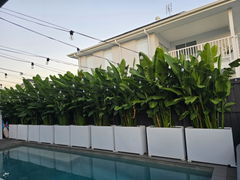
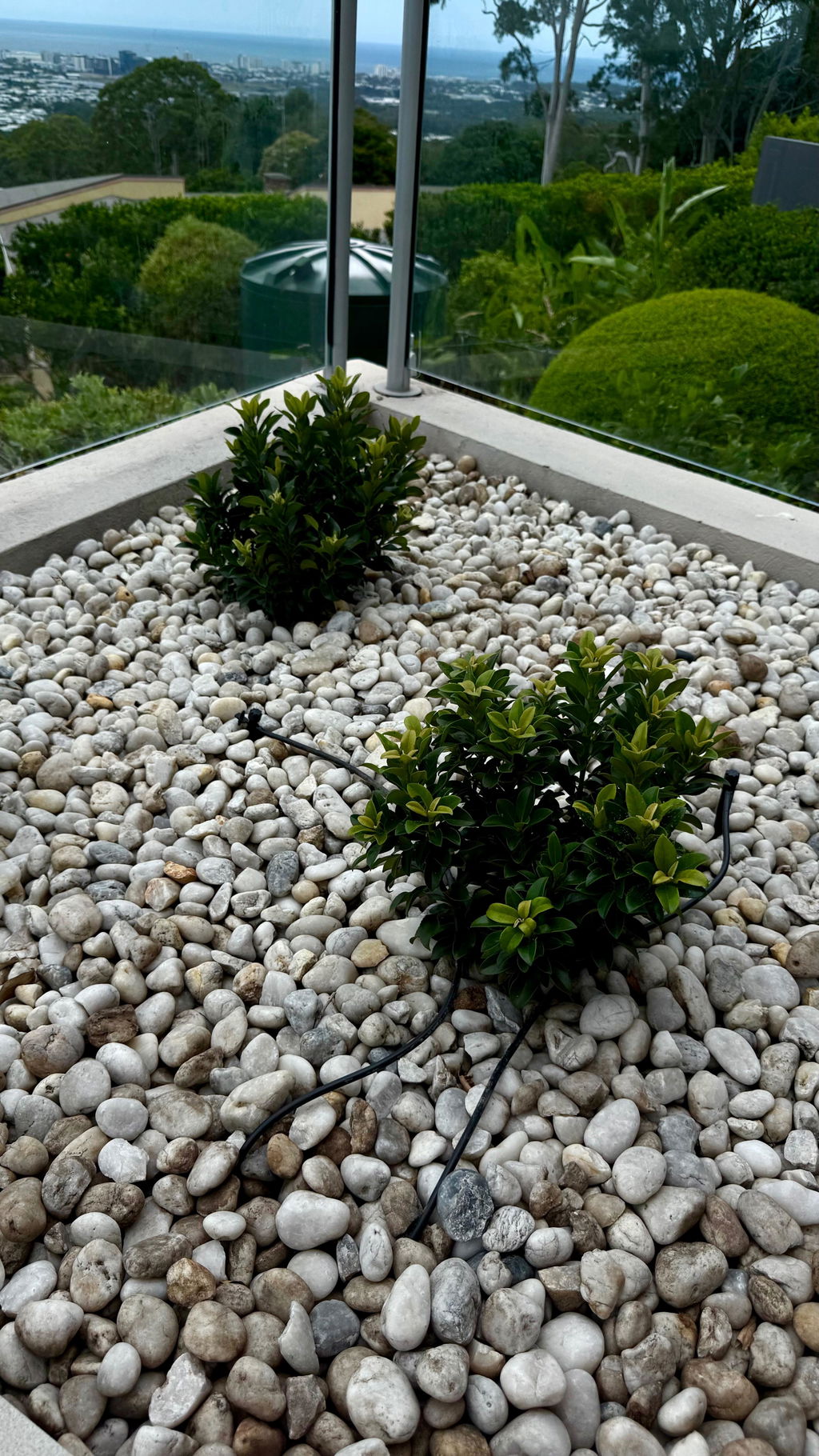
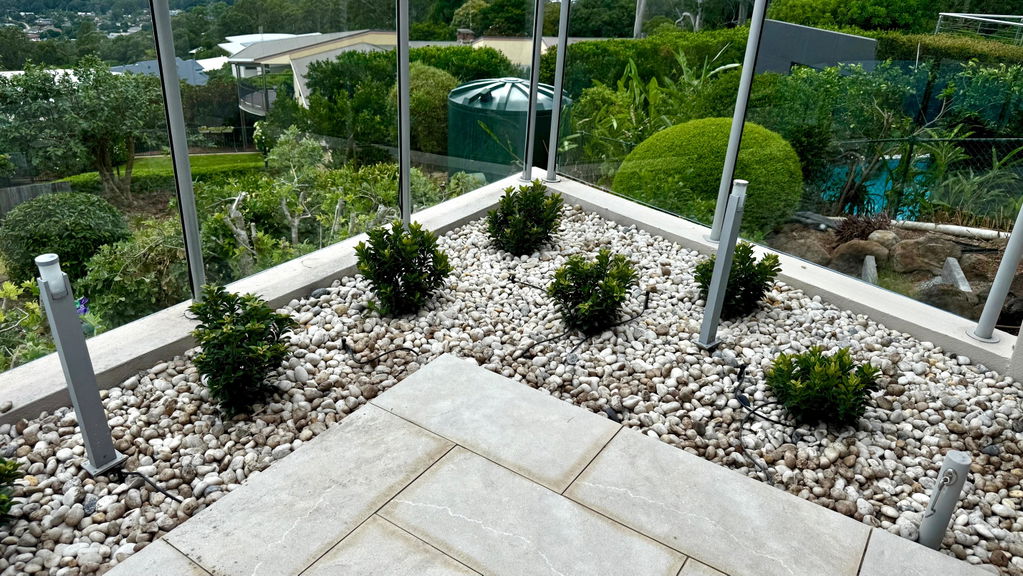
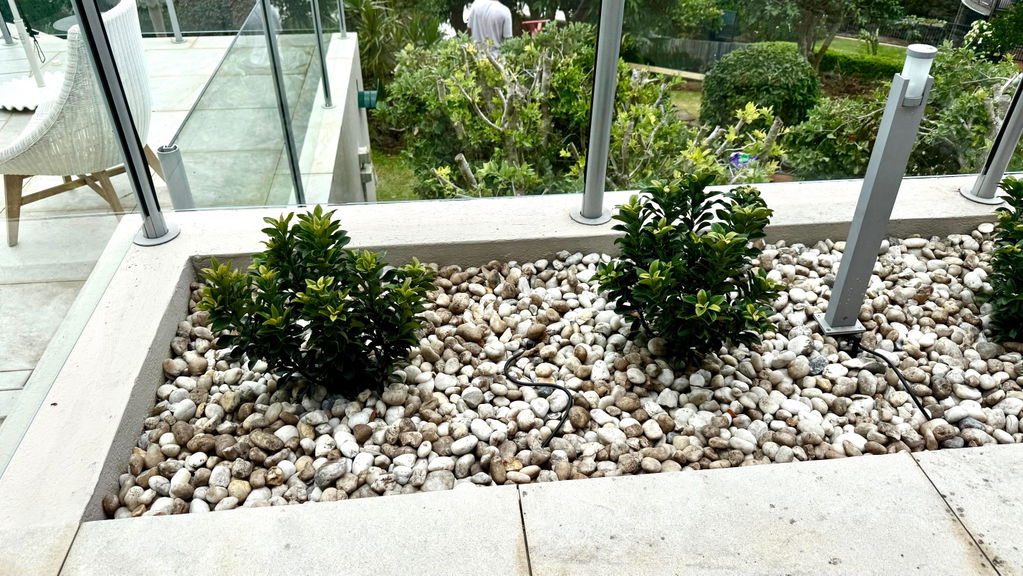
Allyn Magic Dwarf Lilly Pilly with dense glossy green foliage and colourful bronze new growth growing as a compact hedge.

Acmena smithii minor Allyn Magic

Acmena smithii minor 'Allyn Magic' is a compact, evergreen Australian native lilly pilly renowned for its naturally dense, rounded habit and colourful bronze to red new growth. Highly resistant to lilly pilly psyllid, this hardy variety requires minimal maintenance and is ideal for creating neat low hedges, borders, feature plantings and container displays. Its compact size makes it perfect for smaller gardens while still providing lush year-round foliage and excellent structure. Flowers Small fluffy white flowers appear during late spring to early summer, attracting bees and other beneficial pollinators. Foliage Dense, glossy green evergreen foliage is complemented by vibrant bronze to reddish-orange new growth, providing fresh colour throughout the growing season. Fruit Clusters of attractive pink to purple berries develop after flowering and are enjoyed by native birds. Form & Size A naturally compact, rounded evergreen shrub. Mature Size: Approximately 0.6–1m high × 0.6–1m wide Growing Conditions Sun: Full sun to part shade Soil: Prefers well-drained soils but adapts to sandy, loamy and clay soils with good organic matter. Water: Water regularly during establishment. Once established it is reasonably drought tolerant but performs best with occasional deep watering during extended dry periods. Frost: Tolerates light frost once established. Wind: Suitable for coastal gardens and tolerates moderate coastal winds. Climate: Well suited to subtropical, temperate and coastal climates throughout Australia. Uses Low formal hedging Garden borders Mass planting Courtyard gardens Container planting Feature shrub Commercial landscapes Native gardens Maintenance Very low maintenance. Prune lightly after periods of active growth to maintain a dense, tidy shape. Apply a quality slow-release fertiliser in spring and keep well mulched to encourage healthy growth. Notes 'Allyn Magic' is a dwarf selection of Acmena smithii minor, specifically chosen for its naturally compact habit, colourful new growth and excellent resistance to lilly pilly psyllid. Its dense growth means it maintains a neat appearance with very little pruning, making it an excellent choice for modern low-maintenance gardens. Companion Plants Lomandra Dianella Nandina Westringia Gardenia Agapanthus Liriope Grevillea Correa Common Name: Allyn Magic Dwarf Lilly Pilly Botanical Name: Acmena smithii minor 'Allyn Magic' (also sold under the synonym Syzygium smithii 'Allyn Magic') Family: Myrtaceae Origin: Cultivated selection of the Australian native Acmena smithii minor.

Regular price From $15.00 AUD
Regular price Sale price From $15.00 AUD
Unit price  per 
Cherry Surprise Lilly Pilly with vibrant cherry-red new growth and dense evergreen foliage growing as a compact hedge in an Australian garden.

Acmena smithii minor Cherry Surprise

Acmena 'Cherry Surprise' is a compact Australian native lilly pilly selected for its vibrant cherry-red new growth, dense evergreen foliage and naturally tidy growth habit. This attractive, psyllid-resistant variety provides year-round colour and structure, making it an excellent choice for low hedging, borders, screening, feature planting and containers. Fast growing, hardy and easy to maintain, 'Cherry Surprise' thrives in a wide range of Australian conditions and is equally suited to residential and commercial landscapes. Flowers Small, fluffy white flowers appear from late spring to early summer, attracting bees and other beneficial pollinators. Foliage Glossy deep green evergreen foliage is highlighted by brilliant cherry-red new growth that creates striking seasonal colour and contrast throughout the year. Fruit Small edible berries develop after flowering, ripening from pink to purple. The fruit is attractive to native birds and other wildlife. Form & Size A compact, dense evergreen shrub with a naturally rounded habit. Mature Size: Approximately 1.5–2m high × 1–1.5m wide Growing Conditions Sun: Full sun to part shade. Soil: Grows well in most well-drained soils including sandy, loamy and clay soils enriched with organic matter. Water: Water regularly during establishment. Once established it is moderately drought tolerant but performs best with occasional deep watering during extended dry periods. Frost: Tolerates light frost. Wind: Excellent tolerance of coastal conditions and moderate winds. Climate: Well suited to subtropical, temperate and coastal climates throughout Australia. Uses Low hedging Informal screening Borders Feature planting Mass planting Courtyard gardens Pots and containers Commercial landscaping Native gardens Maintenance Very low maintenance. Light pruning after periods of active growth will encourage dense foliage and enhance the colourful new flushes. Feed annually with a quality slow-release fertiliser during spring and keep well mulched for best performance. Notes 'Cherry Surprise' has been selected for its outstanding cherry-red new growth, compact habit and high resistance to lilly pilly psyllid. Its naturally dense growth means less pruning is required than many traditional lilly pillies, making it an excellent choice for low-maintenance gardens and formal hedging. Companion Plants Lomandra 'Little Pal' Liriope 'Emerald Cascade' Dianella Nandina Gardenia Westringia Agapanthus Callistemon Grevillea Common Name: Cherry Surprise Lilly Pilly Botanical Name: Acmena smithii minor 'Cherry Surprise' Family: Myrtaceae Origin: Cultivated selection of the Australian native Acmena smithii minor.

Regular price $30.00 AUD
Regular price Sale price $30.00 AUD
Unit price  per 
Adenanthos sericeus dwarf woolly bush shrub

Adenanthos sericeus - Dwarf Woolly Bush

Adenanthos sericeus ‘Dwarf Woolly Bush’ is a compact, evergreen native shrub prized for its exceptionally soft, silver-grey foliage and naturally neat form. A smaller-growing selection of the iconic Woolly Bush, this cultivar delivers year-round texture and colour without the size of the standard species, making it ideal for modern gardens, coastal landscapes, and low-maintenance designs. Flowers Small, inconspicuous red to pink tubular flowers appear sporadically through winter and spring. While subtle, they are attractive to native birds and add seasonal interest without detracting from the foliage. Foliage The standout feature of this plant is its finely divided, silky-soft foliage in stunning silver-grey tones. The foliage has a woolly texture that catches the light beautifully and provides strong contrast against darker green plants and hardscapes. Form & Size Forms a dense, rounded shrub with a tidy habit.Grows to approximately 1–1.5m high and 1–1.5m wide, making it perfect for smaller gardens or feature plantings. Growing Conditions Sun: Full sun to light shade Soil: Free-draining sandy or gravelly soil Water: Low water once established Climate: Ideal for coastal and temperate Australian conditions Frost: Light frost tolerant once established Excellent salt tolerance makes it a standout choice for seaside gardens. Uses Feature shrub in native or coastal gardens Low informal hedging or screening Accent plant for silver-themed landscapes Large pots and planters Drought-tolerant and waterwise designs Maintenance Very low maintenance. Avoid heavy pruning; light shaping after flowering is sufficient if required. Does not like phosphorus-rich fertilisers — use native-specific, low-phosphorus fertilisers only. Notes A fantastic alternative to the standard Woolly Bush where space is limited. Performs best in well-drained soils and open positions with good air circulation. Overwatering should be avoided. Companion Plants Pairs beautifully with Grevillea groundcovers, Westringia, Leucophyta, Lomandra, and other silver or fine-textured Australian natives. Common Name: Dwarf Woolly BushBotanical Name: Adenanthos sericeusFamily: ProteaceaeOrigin: Western Australia

Regular price From $15.00 AUD
Regular price Sale price From $15.00 AUD
Unit price  per 
Anigozanthos Bush Ballard PBR (Kangaroo Paw)

Anigozanthos Bush Ballard PBR (Kangaroo Paw)

Description: Anigozanthos Bush Ballard PBR is a striking and unique perennial plant known for its vibrant, kangaroo paw-shaped flowers and graceful foliage. It typically grows to about 0.6 to 1 meter (2 to 3 feet) in height and spread, forming clumps of slender, strap-like leaves that arise from underground rhizomes. The leaves are typically green, sometimes with a bluish tinge, and can reach lengths of up to 60 cm (2 feet). Flowers: The most distinctive feature of Anigozanthos Bush Ballard PBR is its stunning flowers, which resemble the paw of a kangaroo. The flowers are borne on tall, sturdy stalks (scapes) that rise above the foliage. Each flower cluster consists of tubular blooms that open sequentially from the bottom to the top of the scape. Anigozanthos Bush Ballard PBR is known for its rich coloration, often featuring shades of vibrant pink, red, or orange, with some cultivars displaying bi-colored or tri-colored variations. The flowers are also attractive to birds, particularly honeyeaters, making them a valuable addition to wildlife gardens. Cultivation: Anigozanthos Bush Ballard PBR is well-suited to a variety of Australian garden styles, including native gardens, coastal gardens, and contemporary landscapes. It thrives in full sun and prefers well-drained soils. While it can tolerate sandy or loamy soils, it performs best in soil that is slightly acidic to neutral. Ensure good drainage to prevent root rot, especially during wet periods. Watering: Once established, Anigozanthos Bush Ballard PBR is relatively drought-tolerant and requires minimal watering. Water deeply during periods of extended dryness, allowing the soil to dry out slightly between waterings. Avoid overwatering, as this can lead to root rot. Pruning: Pruning is generally not required for Anigozanthos Bush Ballard PBR. Remove spent flower stems once flowering has finished to encourage new growth and maintain a tidy appearance. Trim back any dead or damaged leaves as needed. Pests and Diseases: Anigozanthos Bush Ballard PBR is generally pest and disease-resistant when grown in suitable conditions. However, it can be susceptible to root rot if planted in poorly drained soils. Ensure good air circulation around the plants to reduce the risk of fungal diseases. Uses: Garden Beds and Borders: Plant Anigozanthos Bush Ballard PBR in garden beds or borders to add vibrant color and texture. It pairs well with other native plants and Mediterranean-style plants. Containers: Grow in large containers on patios or balconies, providing a splash of color and texture. Cut Flowers: The striking flowers make excellent cut flowers for floral arrangements, adding a touch of Australian flair to bouquets. Environmental Benefits: As an Australian native plant, Anigozanthos Bush Ballard PBR attracts pollinators such as bees and birds, contributing to local biodiversity. Its drought tolerance and low water requirements make it suitable for water-wise gardening practices. Care Tips: Mulch around the base of the plant to retain moisture and suppress weeds. Fertilize with a balanced, slow-release fertilizer formulated for native plants in spring to promote healthy growth and flowering. Protect from frost in cooler climates, or consider growing in pots that can be moved indoors during winter. By incorporating Anigozanthos Bush Ballard PBR into your garden, you can enjoy its vibrant flowers and unique form, while also supporting local wildlife and practicing sustainable gardening. Anigozanthos Bush Ballard PBR (Kangaroo Paw) Botanical Name: Anigozanthos Bush Ballard PBR Common Name: Kangaroo Paw Family: Haemodoraceae Origin: Cultivar developed in Australia

Regular price $15.00 AUD
Regular price Sale price $15.00 AUD
Unit price  per 
Anigozanthos Bush Blitz PBR is part of the Bush Gem collections of Kangaroo Paw. Bush Blitz flowers in Spring with Dark orange to burgundy colours and grows to approx. 70cm High x 50cm wide

Anigozanthos Bush Blitz PBR (Kangaroo Paw)

Description: Anigozanthos 'Bush Blitz' PBR is a captivating perennial plant prized for its distinctive kangaroo paw-shaped flowers and elegant foliage. It typically grows to about 0.6 to 1 meter (2 to 3 feet) in height and spread, forming clumps of strap-like leaves that emerge from underground rhizomes. The leaves are typically green to bluish-green, growing up to 60 cm (2 feet) in length. Flowers: The standout feature of Anigozanthos 'Bush Blitz' PBR is its stunning and unique flowers. These flowers are borne on tall, sturdy stems (scapes) that rise above the foliage. Each flower cluster consists of tubular blooms that open sequentially from the bottom to the top of the scape. Anigozanthos 'Bush Blitz' PBR is known for its striking coloration, often featuring shades of vibrant red, orange, or yellow, sometimes with contrasting markings. The flowers are also rich in nectar, attracting birds such as honeyeaters, making them a valuable addition to wildlife-friendly gardens. Cultivation: Anigozanthos 'Bush Blitz' PBR thrives in full sun and prefers well-drained soils. It is well-suited to various Australian garden styles, including native gardens, coastal gardens, and contemporary landscapes. While it can tolerate sandy or loamy soils, it performs best in soil that is slightly acidic to neutral. Good drainage is essential to prevent root rot, particularly during wet periods. Watering: Once established, Anigozanthos 'Bush Blitz' PBR is relatively drought-tolerant and requires minimal watering. Water deeply during dry spells, allowing the soil to dry out slightly between waterings. Avoid overwatering, as this can lead to root rot. Pruning: Pruning needs for Anigozanthos 'Bush Blitz' PBR are minimal. Remove spent flower stems once flowering has finished to promote new growth and maintain a tidy appearance. Trim back any dead or damaged leaves as needed throughout the growing season. Pests and Diseases: Anigozanthos 'Bush Blitz' PBR is generally resistant to pests and diseases when grown under suitable conditions. However, it may be susceptible to root rot if planted in poorly drained soils. Ensure good air circulation around the plants to minimize the risk of fungal diseases. Uses: Garden Beds and Borders: Plant Anigozanthos 'Bush Blitz' PBR in garden beds or borders to add a splash of vibrant color and unique texture. It complements other native plants and Mediterranean-style plants beautifully. Containers: Grow in large containers on patios, balconies, or verandas, where it can be admired up close. Cut Flowers: The stunning flowers of Anigozanthos 'Bush Blitz' PBR make excellent cut flowers for floral arrangements, bringing a touch of Australian native beauty indoors. Environmental Benefits: As an Australian native plant, Anigozanthos 'Bush Blitz' PBR attracts pollinators such as bees and birds, contributing to local biodiversity. Its drought tolerance and low water requirements make it suitable for water-wise gardening practices. Care Tips: Mulch around the base of the plant to retain moisture and suppress weeds. Fertilize with a balanced, slow-release fertilizer formulated for native plants in early spring to promote healthy growth and flowering. Protect from frost in cooler climates, or consider growing in containers that can be moved indoors during winter. By incorporating Anigozanthos 'Bush Blitz' PBR into your garden, you can enjoy its spectacular flowers and unique form while supporting local wildlife and practicing sustainable gardening practices. Anigozanthos 'Bush Blitz' PBR (Kangaroo Paw) Botanical Name: Anigozanthos 'Bush Blitz' PBR Common Name: Kangaroo Paw Family: Haemodoraceae Origin: Cultivar developed in Australia

Regular price $15.00 AUD
Regular price Sale price $15.00 AUD
Unit price  per 

Sold out

Anigozanthos Bush Bonanza PBR (Kangaroo Paw)

Anigozanthos Bush Bonanza PBR (Kangaroo Paw)

Description: Anigozanthos Bush Bonanza PBR is an eye-catching perennial plant renowned for its distinctive kangaroo paw-shaped flowers and attractive foliage. It typically grows to about 0.6 to 1 meter (2 to 3 feet) in height and spread, forming clumps of strap-like leaves that emerge from underground rhizomes. The leaves are green to bluish-green in color, reaching lengths of up to 60 cm (2 feet). Flowers: The standout feature of Anigozanthos Bush Bonanza PBR is its striking flowers. These flowers are borne on tall, sturdy stems (scapes) that rise above the foliage. Each flower cluster consists of tubular blooms that open sequentially from the bottom to the top of the scape. Anigozanthos Bush Bonanza PBR is known for its vibrant coloration, typically displaying shades of rich red, burgundy, or pink. The flowers are also attractive to birds, particularly honeyeaters, making them a valuable addition to wildlife-friendly gardens. Cultivation: Anigozanthos Bush Bonanza PBR thrives in full sun and prefers well-drained soils. It is well-suited to various Australian garden styles, including native gardens, coastal gardens, and contemporary landscapes. While it can tolerate sandy or loamy soils, it performs best in soil that is slightly acidic to neutral. Good drainage is essential to prevent root rot, especially during wet periods. Watering: Once established, Anigozanthos Bush Bonanza PBR is relatively drought-tolerant and requires minimal watering. Water deeply during dry spells, allowing the soil to dry out slightly between waterings. Avoid overwatering, as this can lead to root rot. Pruning: Pruning is generally minimal for Anigozanthos Bush Bonanza PBR. Remove spent flower stems once flowering has finished to encourage new growth and maintain a tidy appearance. Trim back any dead or damaged leaves as needed throughout the growing season. Pests and Diseases: Anigozanthos Bush Bonanza PBR is typically resistant to pests and diseases when grown under suitable conditions. However, it may be susceptible to root rot if planted in poorly drained soils. Ensure good air circulation around the plants to minimize the risk of fungal diseases. Uses: Garden Beds and Borders: Plant Anigozanthos Bush Bonanza PBR in garden beds or borders to add vibrant color and texture. It complements other native plants and Mediterranean-style plants beautifully. Containers: Grow in large containers on patios, balconies, or verandas, where it can be easily admired up close. Cut Flowers: The striking flowers make excellent cut flowers for floral arrangements, bringing a touch of Australian flair indoors. Environmental Benefits: As an Australian native plant, Anigozanthos Bush Bonanza PBR attracts pollinators such as bees and birds, contributing to local biodiversity. Its drought tolerance and low water requirements make it suitable for water-wise gardening practices. Care Tips: Mulch around the base of the plant to retain moisture and suppress weeds. Fertilize with a balanced, slow-release fertilizer formulated for native plants in early spring to promote healthy growth and flowering. Protect from frost in cooler climates, or consider growing in containers that can be moved indoors during winter. By incorporating Anigozanthos Bush Bonanza PBR into your garden, you can enjoy its vibrant flowers and unique form while supporting local wildlife and practicing sustainable gardening practices. Anigozanthos Bush Bonanza PBR (Kangaroo Paw) Botanical Name: Anigozanthos Bush Bonanza PBR Common Name: Kangaroo Paw Family: Haemodoraceae Origin: Cultivar developed in Australia

Regular price $15.00 AUD
Regular price Sale price $15.00 AUD
Unit price  per 
Anigozanthos ‘Bush Crystal’ with soft pink Kangaroo Paw flowers and slender green foliage

Anigozanthos bush crystal - Kangaroo Paw

  Description:Anigozanthos Bush Crystal is a compact and striking Kangaroo Paw variety, known for its bright pink flowers and neat clumping habit. This hardy, low-maintenance plant is ideal for garden borders, pots, and feature planting, adding vibrant colour and texture to landscapes throughout the warmer months. Flowers:Vivid pink tubular flowers appear from spring through autumn, held on slender, upright stems above the foliage. The flowers are nectar-rich and attract birds and pollinators to the garden. Foliage:Narrow, strappy, mid-green leaves form a tidy, clumping base, creating a compact and upright growth habit. Fruit:Not significant. Form & Size:Compact, clump-forming perennial reaching approximately 50cm high and 40–50cm wide. Growing Conditions: Position: Best in full sun but will tolerate part shade. Soil: Well-drained sandy, loamy, or gravelly soils. Climate: Suited to a variety of Australian climates, including coastal areas. Tolerates light frost and dry conditions. Watering: Drought-tolerant once established but benefits from occasional deep watering, especially in extended dry periods. Uses: Perfect for borders, low-maintenance gardens, and feature planting. Excellent in pots and containers for patios, balconies, and courtyards. Great for attracting birds and providing bright colour in native garden settings. Maintenance: Very low-maintenance and easy to grow. Remove spent flower stems to encourage repeat blooming. Trim back old foliage as needed to maintain a neat appearance. Feed with a low-phosphorus native fertilizer in spring to promote healthy growth and flowering. Notes: Bird and pollinator-friendly variety. Handles coastal exposure, dry spells, and light frosts. Companion Plants:Combines beautifully with Lomandra, Dianella, and small native shrubs like Grevillea for a colourful, water-wise garden. Common Name: Bush Crystal Kangaroo PawBotanical Name: Anigozanthos Bush CrystalFamily: HaemodoraceaeOrigin: Australia

Regular price $15.00 AUD
Regular price Sale price $15.00 AUD
Unit price  per 
Anigozanthos Bush Dance PBR (Kangaroo Paw)

Anigozanthos Bush Dance PBR (Kangaroo Paw)

Description: Anigozanthos 'Bush Dance' PBR is an attractive perennial plant prized for its distinctive kangaroo paw-shaped flowers and graceful foliage. It typically grows to about 0.6 to 1 meter (2 to 3 feet) in height and spread, forming clumps of strap-like leaves that arise from underground rhizomes. The leaves are typically green to bluish-green, growing up to 60 cm (2 feet) in length. Flowers: The standout feature of Anigozanthos 'Bush Dance' PBR is its vibrant and unique flowers. These flowers are borne on tall, sturdy stems (scapes) that rise above the foliage. Each flower cluster consists of tubular blooms that open sequentially from the bottom to the top of the scape. Anigozanthos 'Bush Dance' PBR is known for its striking coloration, often featuring shades of deep red, burgundy, or orange, sometimes with contrasting markings. The flowers are also rich in nectar, attracting birds such as honeyeaters, making them a valuable addition to wildlife-friendly gardens. Cultivation: Anigozanthos 'Bush Dance' PBR thrives in full sun and prefers well-drained soils. It is well-suited to various Australian garden styles, including native gardens, coastal gardens, and contemporary landscapes. While it can tolerate sandy or loamy soils, it performs best in soil that is slightly acidic to neutral. Good drainage is essential to prevent root rot, particularly during wet periods. Watering: Once established, Anigozanthos 'Bush Dance' PBR is relatively drought-tolerant and requires minimal watering. Water deeply during dry spells, allowing the soil to dry out slightly between waterings. Avoid overwatering, as this can lead to root rot. Pruning: Pruning needs for Anigozanthos 'Bush Dance' PBR are minimal. Remove spent flower stems once flowering has finished to promote new growth and maintain a tidy appearance. Trim back any dead or damaged leaves as needed throughout the growing season. Pests and Diseases: Anigozanthos 'Bush Dance' PBR is generally resistant to pests and diseases when grown under suitable conditions. However, it may be susceptible to root rot if planted in poorly drained soils. Ensure good air circulation around the plants to minimize the risk of fungal diseases. Uses: Garden Beds and Borders: Plant Anigozanthos 'Bush Dance' PBR in garden beds or borders to add a splash of vibrant color and unique texture. It complements other native plants and Mediterranean-style plants beautifully. Containers: Grow in large containers on patios, balconies, or verandas, where it can be admired up close. Cut Flowers: The stunning flowers of Anigozanthos 'Bush Dance' PBR make excellent cut flowers for floral arrangements, bringing a touch of Australian native beauty indoors. Environmental Benefits: As an Australian native plant, Anigozanthos 'Bush Dance' PBR attracts pollinators such as bees and birds, contributing to local biodiversity. Its drought tolerance and low water requirements make it suitable for water-wise gardening practices. Care Tips: Mulch around the base of the plant to retain moisture and suppress weeds. Fertilize with a balanced, slow-release fertilizer formulated for native plants in early spring to promote healthy growth and flowering. Protect from frost in cooler climates, or consider growing in containers that can be moved indoors during winter. By incorporating Anigozanthos 'Bush Dance' PBR into your garden, you can enjoy its spectacular flowers and unique form while supporting local wildlife and practicing sustainable gardening practices Anigozanthos 'Bush Dance' PBR (Kangaroo Paw) Botanical Name: Anigozanthos 'Bush Dance' PBR Common Name: Kangaroo Paw Family: Haemodoraceae Origin: Cultivar developed in Australia

Regular price $15.00 AUD
Regular price Sale price $15.00 AUD
Unit price  per 
Tall Anigozanthos 'Bush Diamond' Kangaroo Paw plant with tubular flowers in a garden setting, with a visible 'Landscapes.com.

Anigozanthos Bush Diamond

Description:Anigozanthos 'Bush Diamond', commonly known as Kangaroo Paw, is a hardy, evergreen perennial native to Australia, prized for its striking, tubular flowers and slender, grassy foliage. This compact cultivar is well-suited to small gardens, containers, or mass plantings, and it thrives in sunny, low-water landscapes. 'Bush Diamond' is known for its pale pink to white flowers, which add a soft, elegant touch to any garden while attracting birds and pollinators. Flowers:The unique, tubular flowers of Anigozanthos 'Bush Diamond' appear on tall, slender stems, typically from spring through summer. These flowers range in color from soft white to pale pink, with a velvety texture that is characteristic of Kangaroo Paws. The blooms are highly attractive to birds, particularly nectar-feeding species, and add a beautiful, architectural element to the garden. Foliage:The foliage consists of narrow, strap-like leaves that are bright green and form a dense, clumping habit. The fine texture of the foliage provides a graceful contrast to the bold flowers, creating a dynamic and elegant appearance. Fruit:Anigozanthos 'Bush Diamond' does not produce significant fruit or seed pods, with the main ornamental feature being its flowers and foliage. Form and Size:This compact Kangaroo Paw typically grows to around 60-70 cm in height and width. Its upright, clumping form makes it ideal for mass planting, as a feature plant in borders, or as a statement plant in containers. Growing Conditions:Thrives in full sun and prefers well-drained soils. Anigozanthos 'Bush Diamond' is drought-tolerant once established and can thrive in a range of soil types, including sandy and loamy soils. It is also frost-tolerant in mild climates, making it an excellent choice for temperate and coastal gardens. Mulching around the base helps retain moisture and promote healthy growth. Uses:This versatile plant is perfect for use in low-water, native, or contemporary gardens where its unique flowers and fine foliage can be fully appreciated. 'Bush Diamond' is ideal for mass plantings, borders, or container gardens. Its nectar-rich blooms attract birds and pollinators, making it a valuable addition to wildlife-friendly landscapes. Maintenance:Anigozanthos 'Bush Diamond' requires minimal maintenance once established. Remove spent flower stems to encourage repeat blooming, and cut back any old foliage in late winter to promote fresh, new growth. A slow-release fertilizer applied in spring can help encourage robust growth and flowering. Water during dry periods, especially when the plant is young. Notes:Kangaroo Paws are known for their hardiness and adaptability to dry conditions. Anigozanthos 'Bush Diamond' adds a delicate touch to the garden with its soft-colored flowers, making it an ideal plant for those looking to create a calming and elegant garden design. Companion Plants:Pairs beautifully with other Australian natives like Grevillea, Westringia, and Leptospermum. It also complements silver-leafed plants like Eremophila and grasses like Lomandra, adding contrast and texture to garden beds or containers. Common Name: Bush Diamond Kangaroo PawBotanical Name: Anigozanthos 'Bush Diamond'Family: HaemodoraceaeOrigin: Australia

Regular price $15.00 AUD
Regular price Sale price $15.00 AUD
Unit price  per 
Anigozanthos Bush Elegance PBR is part of the Bush Gem collections of Kangaroo Paw. Bush elegance flowers in Spring with Deep burgundy colours and grows to approx. 70cm High x 50cm wide

Anigozanthos Bush Elegance PBR (Kangaroo Paw)

Description:Anigozanthos Bush Elegance PBR is a compact and hardy Kangaroo Paw featuring rich burgundy-red flowers held on upright stems above strappy green foliage. This striking, low-maintenance variety is ideal for borders, containers, and mass planting, adding vibrant colour and texture to Australian gardens. Flowers:Deep burgundy-red tubular flowers appear mainly in spring and summer, with spot flowering at other times. The flowers are bird-attracting and sit high above the foliage on strong stems. Foliage:Narrow, strappy, mid-green leaves form a neat, clumping base, creating a tidy, upright habit. Fruit:Not significant. Form & Size:Compact, clump-forming perennial reaching approximately 50–60cm high and 40–50cm wide. Growing Conditions: Position: Prefers full sun to part shade. Soil: Well-drained sandy, loamy, or gravelly soils. Climate: Suitable for a range of Australian climates, including coastal areas. Tolerates light frost and periods of dryness. Watering: Drought-tolerant once established but benefits from occasional watering during extended dry periods. Uses: Perfect for borders, mass planting, and feature planting. Great in pots and containers for patios and courtyards. Excellent for attracting birds and adding vibrant colour to native gardens. Maintenance: Low-maintenance and easy to grow. Remove spent flower stems to encourage repeat flowering. Cut back old foliage as needed to maintain a tidy appearance. Feed with a low-phosphorus native fertilizer in spring for best flowering. Notes: Bird-attracting and pollinator-friendly. Tolerates light frost and dry conditions once established. Companion Plants:Pairs well with Lomandra, Dianella, and other compact natives like Grevillea and Callistemon for a colourful, water-wise garden. Common Name: Bush Elegance Kangaroo PawBotanical Name: Anigozanthos Bush Elegance PBRFamily: HaemodoraceaeOrigin: Australia

Regular price $15.00 AUD
Regular price Sale price $15.00 AUD
Unit price  per 
Anigozanthos Bush Fire (Kangaroo Paw)

Anigozanthos Bush Fire (Kangaroo Paw)

Description: Anigozanthos 'Bush Fire' is a stunning perennial plant celebrated for its unique kangaroo paw-shaped flowers and attractive foliage. It typically grows to about 0.6 to 1 meter (2 to 3 feet) in height and spread, forming clumps of strap-like leaves that emerge from underground rhizomes. The leaves are typically green to bluish-green, growing up to 60 cm (2 feet) in length. Flowers: The most striking feature of Anigozanthos 'Bush Fire' is its vivid and vibrant flowers. These flowers are borne on tall, sturdy stems (scapes) that rise above the foliage. Each flower cluster consists of tubular blooms that open sequentially from the bottom to the top of the scape. Anigozanthos 'Bush Fire' is known for its intense coloration, featuring shades of bright red, orange, and yellow that resemble a blazing fire, hence its name. The flowers are also rich in nectar, attracting birds such as honeyeaters, making them a valuable addition to wildlife-friendly gardens. Cultivation: Anigozanthos 'Bush Fire' thrives in full sun and prefers well-drained soils. It is well-suited to various Australian garden styles, including native gardens, coastal gardens, and contemporary landscapes. While it can tolerate sandy or loamy soils, it performs best in soil that is slightly acidic to neutral. Good drainage is crucial to prevent root rot, particularly during wet periods. Watering: Once established, Anigozanthos 'Bush Fire' is relatively drought-tolerant and requires minimal watering. Water deeply during dry spells, allowing the soil to dry out slightly between waterings. Avoid overwatering, as this can lead to root rot. Pruning: Pruning needs for Anigozanthos 'Bush Fire' are minimal. Remove spent flower stems once flowering has finished to promote new growth and maintain a neat appearance. Trim back any dead or damaged leaves as needed throughout the growing season. Pests and Diseases: Anigozanthos 'Bush Fire' is generally resistant to pests and diseases when grown under suitable conditions. However, it may be susceptible to root rot if planted in poorly drained soils. Ensure good air circulation around the plants to reduce the risk of fungal diseases. Uses: Garden Beds and Borders: Plant Anigozanthos 'Bush Fire' in garden beds or borders to add a splash of vibrant color and unique texture. It pairs well with other native plants and Mediterranean-style plants. Containers: Grow in large containers on patios, balconies, or verandas, where it can be admired up close. Cut Flowers: The stunning flowers of Anigozanthos 'Bush Fire' make excellent cut flowers for floral arrangements, bringing a touch of Australian native beauty indoors. Environmental Benefits: As an Australian native plant, Anigozanthos 'Bush Fire' attracts pollinators such as bees and birds, contributing to local biodiversity. Its drought tolerance and low water requirements make it suitable for water-wise gardening practices. Care Tips: Mulch around the base of the plant to retain moisture and suppress weeds. Fertilize with a balanced, slow-release fertilizer formulated for native plants in early spring to promote healthy growth and flowering. Protect from frost in cooler climates, or consider growing in containers that can be moved indoors during winter. By incorporating Anigozanthos 'Bush Fire' into your garden, you can enjoy its spectacular flowers and unique form while supporting local wildlife and practicing sustainable gardening practices Anigozanthos 'Bush Fire' (Kangaroo Paw) Botanical Name: Anigozanthos 'Bush Fire' Common Name: Kangaroo Paw Family: Haemodoraceae Origin: Cultivar developed in Australia

Regular price $15.00 AUD
Regular price Sale price $15.00 AUD
Unit price  per 
Anigozanthos bush flare (Kangaroo Paw)

Anigozanthos bush flare (Kangaroo Paw)

Description: Anigozanthos 'Bush Flare' is a striking perennial plant valued for its unique kangaroo paw-shaped flowers and attractive foliage. It typically grows to about 0.6 to 1 meter (2 to 3 feet) in height and spread, forming clumps of strap-like leaves that emerge from underground rhizomes. The leaves are typically green to bluish-green, growing up to 60 cm (2 feet) in length. Flowers: The standout feature of Anigozanthos 'Bush Flare' is its vibrant and distinctive flowers. These flowers are borne on tall, sturdy stems (scapes) that rise above the foliage. Each flower cluster consists of tubular blooms that open sequentially from the bottom to the top of the scape. Anigozanthos 'Bush Flare' is known for its intense coloration, typically displaying shades of bright red, orange, or yellow, resembling a fiery flare. The flowers are also rich in nectar, attracting birds such as honeyeaters, making them a valuable addition to wildlife-friendly gardens. Cultivation: Anigozanthos 'Bush Flare' thrives in full sun and prefers well-drained soils. It is well-suited to various Australian garden styles, including native gardens, coastal gardens, and contemporary landscapes. While it can tolerate sandy or loamy soils, it performs best in soil that is slightly acidic to neutral. Good drainage is essential to prevent root rot, particularly during wet periods. Watering: Once established, Anigozanthos 'Bush Flare' is relatively drought-tolerant and requires minimal watering. Water deeply during dry spells, allowing the soil to dry out slightly between waterings. Avoid overwatering, as this can lead to root rot. Pruning: Pruning requirements for Anigozanthos 'Bush Flare' are minimal. Remove spent flower stems once flowering has finished to promote new growth and maintain a tidy appearance. Trim back any dead or damaged leaves as needed throughout the growing season. Pests and Diseases: Anigozanthos 'Bush Flare' is generally resistant to pests and diseases when grown under suitable conditions. However, it may be susceptible to root rot if planted in poorly drained soils. Ensure good air circulation around the plants to minimize the risk of fungal diseases. Uses: Garden Beds and Borders: Plant Anigozanthos 'Bush Flare' in garden beds or borders to add a splash of vibrant color and unique texture. It pairs well with other native plants and Mediterranean-style plants. Containers: Grow in large containers on patios, balconies, or verandas, where it can be admired up close. Cut Flowers: The striking flowers of Anigozanthos 'Bush Flare' make excellent cut flowers for floral arrangements, bringing a touch of Australian native beauty indoors. Environmental Benefits: As an Australian native plant, Anigozanthos 'Bush Flare' attracts pollinators such as bees and birds, contributing to local biodiversity. Its drought tolerance and low water requirements make it suitable for water-wise gardening practices. Care Tips: Mulch around the base of the plant to retain moisture and suppress weeds. Fertilize with a balanced, slow-release fertilizer formulated for native plants in early spring to promote healthy growth and flowering. Protect from frost in cooler climates, or consider growing in containers that can be moved indoors during winter. By incorporating Anigozanthos 'Bush Flare' into your garden, you can enjoy its spectacular flowers and unique form while supporting local wildlife and practicing sustainable gardening practices. Anigozanthos 'Bush Flare' (Kangaroo Paw) Botanical Name: Anigozanthos 'Bush Flare' Common Name: Kangaroo Paw Family: Haemodoraceae Origin: Cultivar developed in Australia

Regular price $15.00 AUD
Regular price Sale price $15.00 AUD
Unit price  per 
Anigozanthos ‘Bush Fury’ with bold red Kangaroo Paw flowers and green strappy foliage

Anigozanthos bush fury - Kangaroo Paw

Description:Anigozanthos Bush Fury is a bold and compact Kangaroo Paw variety, admired for its intense red flowers and tidy, clumping foliage. Hardy and easy to care for, this striking plant is ideal for borders, feature planting, and pots, adding long-lasting colour and height to garden spaces. Flowers:Brilliant deep red tubular flowers are held on upright stems above the foliage, blooming from spring through to autumn. The flowers are rich in nectar and highly attractive to birds and pollinators. Foliage:Narrow, arching, strappy green leaves form a neat and dense clump, providing a lush base for the tall flower stems. Fruit:Not significant. Form & Size:Compact, upright perennial reaching approximately 60–70cm high and 40–50cm wide. Growing Conditions: Position: Prefers full sun for best flowering but will tolerate part shade. Soil: Well-drained sandy, loamy, or gravelly soils. Climate: Suited to a wide range of Australian climates, including coastal regions. Tolerates light frost and periods of dryness. Watering: Drought-tolerant once established, though benefits from occasional deep watering during extended dry spells. Uses: Excellent for borders, mass planting, and feature spots in gardens. Ideal for pots and containers on patios, decks, and courtyards. Attracts nectar-feeding birds and pollinators, adding life to the garden. Maintenance: Very low-maintenance and easy to grow. Remove spent flower stems to encourage repeat blooming. Trim back older foliage as needed to maintain a tidy shape. Feed with a low-phosphorus native fertilizer in spring for healthy growth and prolific flowering. Notes: Bird and pollinator-friendly variety. Tolerates coastal exposure, dry conditions, and light frost. Companion Plants:Pairs well with Lomandra, Dianella, and compact Grevillea for a vibrant, low-maintenance native garden. Common Name: Bush Fury Kangaroo PawBotanical Name: Anigozanthos Bush FuryFamily: HaemodoraceaeOrigin: Australia

Regular price $15.00 AUD
Regular price Sale price $15.00 AUD
Unit price  per 
Anigozanthos ‘Bush Inferno’ with bright fiery red Kangaroo Paw flowers and compact green foliage

Anigozanthos bush inferno - Kangaroo Paw

Description:Anigozanthos Bush Inferno is a compact and vibrant Kangaroo Paw known for its fiery red to orange flowers and neat clumping form. This hardy and low-maintenance variety is ideal for borders, containers, and mass planting, bringing bold colour and texture to Australian gardens. Flowers:Striking bright red to orange tubular flowers bloom from spring through autumn, held high on slender, upright stems. The nectar-rich flowers attract birds, bees, and other pollinators. Foliage:Narrow, strappy green leaves form a dense, upright clump, providing an attractive base for the colourful flower stems. Fruit:Not significant. Form & Size:Compact, clump-forming perennial reaching approximately 60–70cm high and 40–50cm wide. Growing Conditions: Position: Prefers full sun but will tolerate part shade. Soil: Well-drained sandy, loamy, or gravelly soils. Climate: Suitable for a range of Australian climates, including coastal areas. Tolerates light frost and dry periods. Watering: Drought-tolerant once established but benefits from occasional deep watering during prolonged dry weather. Uses: Ideal for garden borders, feature planting, and mass displays. Perfect for pots and containers to add bold colour to patios and courtyards. Excellent for attracting birds and adding vibrant tones to native gardens. Maintenance: Easy care and low-maintenance. Remove spent flower stems to encourage repeat blooming. Trim back older foliage as needed to keep a tidy appearance. Fertilise with a low-phosphorus native fertilizer in spring to promote strong growth and flowering. Notes: Bird and pollinator-friendly. Tolerates coastal exposure, light frost, and dry conditions. Companion Plants:Pairs beautifully with Lomandra, Dianella, and compact Grevillea varieties for a water-wise, colourful native garden. Common Name: Bush Inferno Kangaroo PawBotanical Name: Anigozanthos Bush InfernoFamily: HaemodoraceaeOrigin: Australia

Regular price $15.00 AUD
Regular price Sale price $15.00 AUD
Unit price  per 
Anigozanthos Bush Pearl PBR is part of the Bush Gem collections of Kangaroo Paw. Bush Pearl flowers in Spring with Bright Candy Pink colours and grows to approx. 70cm High x 50cm wide

Anigozanthos Bush Pearl PBR (Kangaroo Paw)

Anigozanthos 'Bush Pearl' PBR is a stunning perennial plant prized for its unique kangaroo paw-shaped flowers and elegant foliage. It typically grows to about 0.6 to 1 meter (2 to 3 feet) in height and spread, forming clumps of strap-like leaves that arise from underground rhizomes. The leaves are typically green to bluish-green, growing up to 60 cm (2 feet) in length. Flowers: The standout feature of Anigozanthos 'Bush Pearl' PBR is its exquisite and distinctive flowers. These flowers are borne on tall, sturdy stems (scapes) that rise above the foliage. Each flower cluster consists of tubular blooms that open sequentially from the bottom to the top of the scape. Anigozanthos 'Bush Pearl' PBR is known for its delicate coloration, often featuring shades of creamy white, soft pink, or pale yellow, resembling pearls. The flowers are also rich in nectar, attracting birds such as honeyeaters, making them a valuable addition to wildlife-friendly gardens. Cultivation: Anigozanthos 'Bush Pearl' PBR thrives in full sun and prefers well-drained soils. It is well-suited to various Australian garden styles, including native gardens, coastal gardens, and contemporary landscapes. While it can tolerate sandy or loamy soils, it performs best in soil that is slightly acidic to neutral. Good drainage is essential to prevent root rot, particularly during wet periods. Watering: Once established, Anigozanthos 'Bush Pearl' PBR is relatively drought-tolerant and requires minimal watering. Water deeply during dry spells, allowing the soil to dry out slightly between waterings. Avoid overwatering, as this can lead to root rot. Pruning: Pruning needs for Anigozanthos 'Bush Pearl' PBR are minimal. Remove spent flower stems once flowering has finished to promote new growth and maintain a tidy appearance. Trim back any dead or damaged leaves as needed throughout the growing season. Pests and Diseases: Anigozanthos 'Bush Pearl' PBR is generally resistant to pests and diseases when grown under suitable conditions. However, it may be susceptible to root rot if planted in poorly drained soils. Ensure good air circulation around the plants to minimize the risk of fungal diseases. Uses: Garden Beds and Borders: Plant Anigozanthos 'Bush Pearl' PBR in garden beds or borders to add a touch of elegance with its soft colors and unique texture. It complements other native plants and Mediterranean-style plants beautifully. Containers: Grow in large containers on patios, balconies, or verandas, where it can be admired up close. Cut Flowers: The delicate flowers of Anigozanthos 'Bush Pearl' PBR make excellent cut flowers for floral arrangements, bringing a touch of Australian native beauty indoors. Environmental Benefits: As an Australian native plant, Anigozanthos 'Bush Pearl' PBR attracts pollinators such as bees and birds, contributing to local biodiversity. Its drought tolerance and low water requirements make it suitable for water-wise gardening practices. Care Tips: Mulch around the base of the plant to retain moisture and suppress weeds. Fertilize with a balanced, slow-release fertilizer formulated for native plants in early spring to promote healthy growth and flowering. Protect from frost in cooler climates, or consider growing in containers that can be moved indoors during winter. By incorporating Anigozanthos 'Bush Pearl' PBR into your garden, you can enjoy its exquisite flowers and unique form while supporting local wildlife and practicing sustainable gardening practices. Anigozanthos 'Bush Pearl' PBR (Kangaroo Paw) Botanical Name: Anigozanthos 'Bush Pearl' PBR Common Name: Kangaroo Paw Family: Haemodoraceae Origin: Cultivar developed in Australia

Regular price $15.00 AUD
Regular price Sale price $15.00 AUD
Unit price  per 
Anigozanthos Bush Princess (Kangaroo Paw)

Anigozanthos Bush Princess (Kangaroo Paw)

Description: Anigozanthos 'Bush Princess' is a striking perennial plant known for its distinctive kangaroo paw-shaped flowers and attractive foliage. It typically grows to about 0.6 to 1 meter (2 to 3 feet) in height and spread, forming clumps of strap-like leaves that arise from underground rhizomes. The leaves are typically green to bluish-green, growing up to 60 cm (2 feet) in length. Flowers: The standout feature of Anigozanthos 'Bush Princess' is its vibrant and unique flowers. These flowers are borne on tall, sturdy stems (scapes) that rise above the foliage. Each flower cluster consists of tubular blooms that open sequentially from the bottom to the top of the scape. Anigozanthos 'Bush Princess' is known for its striking coloration, typically displaying shades of pink or coral-red, often with contrasting yellow highlights. The flowers are also rich in nectar, attracting birds such as honeyeaters, making them a valuable addition to wildlife-friendly gardens. Cultivation: Anigozanthos 'Bush Princess' thrives in full sun and prefers well-drained soils. It is well-suited to various Australian garden styles, including native gardens, coastal gardens, and contemporary landscapes. While it can tolerate sandy or loamy soils, it performs best in soil that is slightly acidic to neutral. Good drainage is crucial to prevent root rot, particularly during wet periods. Watering: Once established, Anigozanthos 'Bush Princess' is relatively drought-tolerant and requires minimal watering. Water deeply during dry spells, allowing the soil to dry out slightly between waterings. Avoid overwatering, as this can lead to root rot. Pruning: Pruning requirements for Anigozanthos 'Bush Princess' are minimal. Remove spent flower stems once flowering has finished to promote new growth and maintain a tidy appearance. Trim back any dead or damaged leaves as needed throughout the growing season. Pests and Diseases: Anigozanthos 'Bush Princess' is generally resistant to pests and diseases when grown under suitable conditions. However, it may be susceptible to root rot if planted in poorly drained soils. Ensure good air circulation around the plants to minimize the risk of fungal diseases. Uses: Garden Beds and Borders: Plant Anigozanthos 'Bush Princess' in garden beds or borders to add a splash of vibrant color and unique texture. It pairs well with other native plants and Mediterranean-style plants. Containers: Grow in large containers on patios, balconies, or verandas, where it can be admired up close. Cut Flowers: The striking flowers of Anigozanthos 'Bush Princess' make excellent cut flowers for floral arrangements, bringing a touch of Australian native beauty indoors. Environmental Benefits: As an Australian native plant, Anigozanthos 'Bush Princess' attracts pollinators such as bees and birds, contributing to local biodiversity. Its drought tolerance and low water requirements make it suitable for water-wise gardening practices. Care Tips: Mulch around the base of the plant to retain moisture and suppress weeds. Fertilize with a balanced, slow-release fertilizer formulated for native plants in early spring to promote healthy growth and flowering. Protect from frost in cooler climates, or consider growing in containers that can be moved indoors during winter. By incorporating Anigozanthos 'Bush Princess' into your garden, you can enjoy its spectacular flowers and unique form while supporting local wildlife and practicing sustainable gardening practices. Anigozanthos 'Bush Princess' (Kangaroo Paw) Botanical Name: Anigozanthos 'Bush Princess' Common Name: Kangaroo Paw Family: Haemodoraceae Origin: Cultivar developed in Australia

Regular price $15.00 AUD
Regular price Sale price $15.00 AUD
Unit price  per 
Anigozanthos Bush Tenacity (Kangaroo Paw)

Anigozanthos Bush Tenacity (Kangaroo Paw)

Description: Anigozanthos 'Bush Tenacity' is a stunning perennial plant known for its unique kangaroo paw-shaped flowers and graceful foliage. It typically grows to about 60cm H x 45cm Wide and forms clumps of strap-like leaves arising from underground rhizomes.  Flowers: The standout feature of Anigozanthos 'Bush Tenacity' is its vibrant and distinctive flowers. These flowers are borne on tall, sturdy stems that rise above the foliage. Each flower cluster consists of tubular blooms that open sequentially from the bottom to the top of the scape. Anigozanthos 'Bush Tenacity' is known for its Orange, Yellow flowers. They are also rich in nectar, attracting birds Cultivation: Anigozanthos 'Bush Tenacity' thrives in full sun and prefers well-drained soils. It is well-suited to various Australian garden styles, including native gardens, coastal gardens, and contemporary landscapes. While it can tolerate sandy or loamy soils, it performs best in soil that is slightly acidic to neutral. Good drainage is essential to prevent root rot, particularly during wet periods. Watering: Once established, Anigozanthos 'Bush Tenacity' is relatively drought-tolerant and requires minimal watering. Water deeply during dry spells, allowing the soil to dry out slightly between waterings. Avoid overwatering, as this can lead to root rot. Pruning: Pruning needs for Anigozanthos 'Bush Tenacity' are minimal. Remove spent flower stems once flowering has finished to promote new growth and maintain a tidy appearance. Trim back any dead or damaged leaves as needed throughout the growing season. Pests and Diseases: Anigozanthos 'Bush Tenacity' is generally resistant to pests and diseases when grown under suitable conditions. However, it may be susceptible to root rot if planted in poorly drained soils. Ensure good air circulation around the plants to minimize the risk of fungal diseases. Uses: Garden Beds and Borders: Plant Anigozanthos 'Bush Tenacity' in garden beds or borders to add a splash of vibrant color and unique texture. It complements other native plants and Mediterranean-style plants beautifully. Containers: Grow in large containers on patios, balconies, or verandas, where it can be admired up close. Cut Flowers: The striking flowers of Anigozanthos 'Bush Tenacity' make excellent cut flowers for floral arrangements, bringing a touch of Australian native beauty indoors. Environmental Benefits: As an Australian native plant, Anigozanthos 'Bush Tenacity' attracts pollinators such as bees and birds, contributing to local biodiversity. Its drought tolerance and low water requirements make it suitable for water-wise gardening practices. Care Tips: Mulch around the base of the plant to retain moisture and suppress weeds. Fertilize with a balanced, slow-release fertilizer formulated for native plants in early spring to promote healthy growth and flowering. Protect from frost in cooler climates, or consider growing in containers that can be moved indoors during winter. Anigozanthos 'Bush Tenacity' (Kangaroo Paw) Botanical Name: Anigozanthos 'Bush Tenacity' Common Name: Kangaroo Paw Family: Haemodoraceae Origin: Cultivar developed in Australia

Regular price $15.00 AUD
Regular price Sale price $15.00 AUD
Unit price  per 
Anigozanthos Landscape Tangerine Kangaroo Paw orange flowers

Anigozanthos Landscape Tangerine - Kangaroo Paw

DescriptionAnigozanthos ‘Landscape Tangerine’ is a vibrant, clumping Australian native known for its striking tangerine-orange flower spikes and strong garden performance. Bred for landscape use, this hardy kangaroo paw offers excellent colour contrast, long flowering periods and reliable durability in Australian conditions, making it ideal for modern gardens and mass plantings. FlowersProduces vivid tangerine-orange, velvety tubular flowers on upright stems that rise above the foliage. Flowering is prolific through spring, summer and into autumn, providing long-lasting colour and attracting birds and pollinators. FoliageFeatures neat clumps of strappy, mid-green leaves that provide year-round structure and contrast beautifully with the bright flower spikes. Form & SizeA compact, upright clumping perennial growing approximately 50–70cm high and 40–60cm wide, making it perfect for borders, feature planting and containers. Growing ConditionsPrefers a sunny position in well-drained soil. Highly suited to Australian climates, particularly coastal and warmer regions. Tolerates dry conditions once established and benefits from good airflow around the foliage. UsesIdeal for garden beds, borders, native gardens, mass plantings and pots. Excellent for adding bright seasonal colour and attracting birds to the garden. Also suitable for cut flowers. MaintenanceRemove spent flower stems to encourage repeat flowering. Prune back foliage annually to rejuvenate the plant and maintain a tidy shape. Avoid overwatering and ensure good drainage to prevent root issues. NotesA reliable, low-maintenance variety bred for improved disease resistance and strong flowering performance in landscape settings. Companion PlantsPairs beautifully with lomandra, grevillea, westringia and other drought-tolerant native grasses and shrubs for a cohesive native garden design. Common Name: Kangaroo PawBotanical Name: Anigozanthos ‘Landscape Tangerine’Family: HaemodoraceaeOrigin: Australia

Regular price $15.00 AUD
Regular price Sale price $15.00 AUD
Unit price  per 
Birthday Candles Banksia compact Australian native shrub with golden flower spikes and dense evergreen foliage in flower.

Banksia 'Birthday Candles'

Banksia 'Birthday Candles' is one of Australia's most popular dwarf native shrubs, prized for its compact growth, spectacular golden flower spikes and outstanding bird-attracting qualities. This hardy evergreen shrub forms a dense, spreading mound, making it perfect for smaller gardens, coastal landscapes, rockeries, borders and containers. Its long flowering season and low-maintenance nature make it an excellent choice for adding year-round colour and supporting local wildlife. Flowers Brilliant golden-yellow flower spikes with contrasting red styles are produced from autumn through winter, often continuing into early spring. The nectar-rich flowers attract honeyeaters, bees and other beneficial pollinators. Foliage Dense, evergreen foliage with narrow, dark green leaves creates an attractive compact shrub throughout the year. Fruit Woody seed cones develop after flowering and remain on the plant, adding ornamental interest and providing habitat for wildlife. Form & Size A compact, spreading evergreen shrub with a naturally dense habit. Mature Size: Approximately 0.6m high × 1.5m wide Growing Conditions Sun: Full sun to part shade Soil: Well-drained sandy or loamy soils. Prefers slightly acidic, free-draining soil. Water: Water regularly during establishment, then only during prolonged dry periods. Frost: Moderate frost tolerant. Wind: Excellent tolerance of coastal winds and salt spray. Climate: Well suited to coastal, subtropical, temperate and Mediterranean climates throughout Australia. Uses Native gardens Coastal gardens Rockeries Mass planting Low borders Containers and pots Feature planting Bird-attracting gardens Low-maintenance landscapes Maintenance Requires very little maintenance once established. Light pruning after flowering will encourage dense new growth and maintain its compact shape. Use only low-phosphorus fertilisers formulated for Australian native plants. Notes 'Birthday Candles' is a selected dwarf form of Banksia spinulosa and has become one of Australia's best-known native cultivars. Its compact size, extended flowering season and ability to attract native birds make it a standout choice for both modern and traditional Australian gardens. Companion Plants Grevillea Westringia Callistemon Correa Scaevola Lomandra Dianella Leucophyta Myoporum Common Name: Birthday Candles Banksia Botanical Name: Banksia spinulosa 'Birthday Candles' Family: Proteaceae Origin: Cultivated selection of Banksia spinulosa, developed in Victoria, Australia.

Regular price $25.00 AUD
Regular price Sale price $25.00 AUD
Unit price  per 
Banksia Coastal Cushion compact Australian native shrub with golden flower spikes and dense evergreen foliage growing in a coastal garden.

Banksia 'Coastal Cushion'

Banksia 'Coastal Cushion' is a compact, low-growing Australian native selected for its dense spreading habit, attractive evergreen foliage and spectacular golden flower spikes. This hardy cultivar is ideal for coastal gardens, native landscapes, rockeries and mass plantings where a tough, low-maintenance shrub is required. It thrives in harsh coastal conditions, attracts a wide variety of native birds and pollinators, and provides year-round colour and texture while requiring very little care. Flowers Large golden-yellow flower spikes with distinctive dark red to maroon styles appear from autumn through winter and often continue into spring. The nectar-rich flowers are highly attractive to honeyeaters, bees and other beneficial pollinators. Foliage Dense evergreen foliage with narrow, dark green leaves and lightly serrated margins creates an attractive, compact shrub all year round. Fruit Woody seed cones develop after flowering and remain on the plant, providing lasting ornamental interest and habitat for wildlife. Form & Size A compact, spreading evergreen shrub with a naturally dense, rounded habit. Mature Size: Approximately 0.5m high × 1.5–2m wide Growing Conditions Sun: Full sun Soil: Well-drained sandy, loamy or free-draining soils Water: Water regularly during establishment, then only during extended dry periods Frost: Light to moderate frost tolerant Wind: Excellent tolerance of coastal winds and salt spray Climate: Well suited to coastal, subtropical, temperate and Mediterranean climates throughout Australia. Uses Coastal gardens Native gardens Rockeries Mass planting Groundcover Embankments Containers Bird-attracting gardens Erosion control Maintenance Requires very little maintenance once established. Light pruning after flowering will help maintain its compact shape and encourage fresh growth. Avoid excessive fertiliser, particularly products high in phosphorus, and ensure excellent drainage. Notes Banksia 'Coastal Cushion' is a selected compact form of Banksia spinulosa, valued for its low, spreading habit and exceptional performance in coastal conditions. It is an excellent choice where a hardy native shrub with reliable flowering and minimal maintenance is required. Companion Plants Westringia Grevillea Callistemon Correa Scaevola Lomandra Dianella Myoporum Leucophyta Common Name: Coastal Cushion Banksia Botanical Name: Banksia spinulosa 'Coastal Cushion' Family: Proteaceae Origin: Cultivated selection of Banksia spinulosa, native to eastern Australia.

Regular price $25.00 AUD
Regular price Sale price $25.00 AUD
Unit price  per 
Banksia ericifolia

Banksia ericifolia

Description:Banksia ericifolia, commonly known as Heath-leaved Banksia, is a tall, dense, evergreen shrub native to Australia. It is known for its brilliant orange-red cylindrical flower spikes and fine, needle-like foliage. This hardy and resilient plant is highly attractive to birds, especially honeyeaters, and is a popular choice for native gardens and wildlife-friendly landscapes. Its vibrant flowers and striking foliage make it a standout feature plant in any garden. Flowers:Banksia ericifolia produces stunning flower spikes that can reach up to 30 cm in length. The cylindrical blooms are typically bright orange to red and appear from late autumn to early spring. These long-lasting flowers are rich in nectar, attracting a wide variety of birds, bees, and other pollinators. The dramatic floral display makes it a visual highlight in the garden during the cooler months. Foliage:The fine, needle-like leaves are dark green and resemble the foliage of heather (hence the species name "ericifolia"). The dense foliage provides excellent cover for wildlife and creates a soft, textured appearance. The plant’s compact and bushy habit makes it a perfect screening or background plant. Fruit:Following the flowering season, woody seed cones develop. These cones may persist on the plant for many years, gradually opening to release seeds. While the cones are not particularly ornamental, they add an interesting natural element to the plant's structure. Form and Size:This shrub typically grows to 3-5 meters in height and up to 2-3 meters wide, with a naturally upright, bushy growth habit. It can be pruned to maintain a more compact size or to encourage denser growth, making it suitable for smaller gardens or hedging. Growing Conditions:Banksia ericifolia thrives in full sun and well-drained soils. It is highly adaptable to a variety of soil types, including sandy and loamy soils, and is well-suited to coastal gardens due to its tolerance of salt-laden winds. It is drought-tolerant once established and can withstand light frosts. This hardy shrub is ideal for low-maintenance, water-wise gardens. Uses:Banksia ericifolia is ideal for use as a feature plant, hedge, or screen. Its tall, dense growth and bright flowers make it a standout choice for native gardens, wildlife-attracting gardens, or as a structural plant in larger landscapes. It also works well in coastal or low-water gardens. Maintenance:This plant is low-maintenance and requires little care once established. Light pruning after flowering can help maintain its shape and encourage a bushier habit. It benefits from occasional mulching to retain moisture and protect its roots. Fertilizing with a low-phosphorus native plant fertilizer in spring will support healthy growth and flowering. Notes:Banksia ericifolia is a fire-retardant plant, making it suitable for areas prone to bushfires. It is highly resilient and attracts a variety of wildlife, including nectar-feeding birds and beneficial insects. Avoid high-phosphorus fertilizers, as they can harm the plant. Companion Plants:Pairs beautifully with other Australian natives like Grevillea, Callistemon, and Leptospermum. Its bright flowers contrast well with silver-foliaged plants like Eremophila or groundcovers like Lomandra for added texture and interest. Common Name: Heath-leaved BanksiaBotanical Name: Banksia ericifoliaFamily: ProteaceaeOrigin: Australia

Regular price $20.00 AUD
Regular price Sale price $20.00 AUD
Unit price  per 
Banksia ‘Golden Girl’ with fine green foliage and bright golden-orange flower spikes

Banksia ericifolia 'Golden Girl'

Description:Banksia ericifolia ‘Golden Girl’ is a compact, upright form of the popular heath-leaved banksia, prized for its brilliant golden-yellow flower spikes and fine, dense foliage. This Australian native shrub offers a long flowering season and is a magnet for birds and pollinators. With its neat growth habit and striking blooms, ‘Golden Girl’ is perfect for feature planting, low screening, or native borders in low-maintenance gardens. Flowers:Long, golden-yellow cylindrical flower spikes appear from autumn through spring, sometimes reaching up to 20cm in length. The blooms are rich in nectar and attract honeyeaters, bees, and butterflies. Foliage:Fine, needle-like green leaves cover the plant densely, giving it a soft texture and year-round structure. New growth may appear slightly bronze. Fruit:Woody cones may develop after flowering and persist on the plant, adding an interesting sculptural element. Form & Size:Compact, upright shrub growing approximately 1.5–2m high and 1–1.5m wide. Growing Conditions: Position: Prefers full sun but tolerates part shade. Soil: Requires well-drained soil; suitable for sandy, loamy, or gravelly soils. Avoid heavy or waterlogged areas. Climate: Performs well in coastal, temperate, and light frost areas. Watering: Drought-tolerant once established. Occasional deep watering in prolonged dry periods improves flowering. Uses: Ideal for native borders, low screens, and feature planting. Suitable for attracting wildlife to pollinator gardens. Works well in coastal and firewise landscaping. Maintenance: Very low-maintenance. Light pruning after flowering helps maintain shape and encourages denser growth. Feed with a low-phosphorus native fertiliser in spring if required. Notes: Bird and pollinator-friendly. Fire-retardant species – excellent for bushfire-prone areas. Offers a vibrant, long-lasting colour display in low-maintenance settings. Companion Plants:Pairs beautifully with Grevillea, Lomandra, Callistemon, and Leptospermum for a layered and colourful native garden. Common Name: Golden Girl BanksiaBotanical Name: Banksia ericifolia ‘Golden Girl’Family: ProteaceaeOrigin: Australia (cultivar of B. ericifolia)

Regular price $20.00 AUD
Regular price Sale price $20.00 AUD
Unit price  per 
Banksia ‘Red Rover’ with fine green foliage and vibrant red-orange flower spikes

Banksia ericifolia 'Red Rover'

Description:Banksia ericifolia ‘Red Rover’ is a compact and vibrant form of the popular heath-leaved banksia, selected for its stunning red-orange flower spikes and dense, upright growth habit. This striking Australian native shrub adds bold seasonal colour, fine evergreen foliage, and strong bird-attracting features to the garden. Perfect for screening, borders, or as a standout feature in native and low-maintenance landscapes. Flowers:Brilliant red to orange cylindrical flower spikes bloom from autumn through spring, providing months of colour and nectar. The flowers are rich in nectar and highly attractive to honeyeaters, bees, and other pollinators. Foliage:Fine, needle-like green foliage covers the plant densely, giving it a soft texture and excellent screening ability. New growth may emerge with a bronze tinge, adding subtle contrast. Fruit:Woody seed cones may develop after flowering and remain on the plant, contributing to its rustic, native appeal. Form & Size:Medium-sized shrub with a bushy, upright form, growing approximately 1.5–2.5m high and 1.5–2m wide. Growing Conditions: Position: Prefers full sun but will tolerate part shade. Soil: Requires well-drained sandy, loamy, or gravelly soils. Avoid heavy or poorly drained soils. Climate: Hardy to coastal, temperate, and light frost conditions. Watering: Drought-tolerant once established. Water deeply during prolonged dry spells for best performance. Uses: Ideal for screening, hedging, or feature planting. Great for native and wildlife-friendly gardens. Suitable for coastal gardens, fire-retardant landscapes, and large pots. Maintenance: Very low-maintenance and reliable. Light pruning after flowering maintains shape and promotes dense growth. Apply a low-phosphorus native fertiliser in spring if needed. Notes: Excellent for attracting birds and beneficial insects. Fire-retardant and suitable for bushfire-prone areas. Provides year-round structure with a long flowering season. Companion Plants:Pairs beautifully with Grevillea, Callistemon, Lomandra, and Leptospermum for a vibrant, layered native garden. Common Name: Red Rover BanksiaBotanical Name: Banksia ericifolia ‘Red Rover’Family: ProteaceaeOrigin: Australia (cultivar of B. ericifolia)

Regular price From $20.00 AUD
Regular price Sale price From $20.00 AUD
Unit price  per 
Banksia ‘Honeypots’ with golden-orange flower spikes and soft green foliage in a compact form

Banksia Honeypots

Description:Banksia ‘Honeypots’ is a compact and colourful Australian native shrub, known for its profusion of honey-toned, golden-orange flower spikes and soft, fine foliage. This low-growing cultivar is ideal for small gardens, native borders, and container planting, offering a long flowering season and strong appeal to birds and pollinators. ‘Honeypots’ is drought-tolerant, easy-care, and brings vibrant colour and texture to any landscape. Flowers:Bright golden-orange flower spikes bloom profusely from autumn through winter and into early spring. The nectar-rich blooms attract honeyeaters, bees, and other pollinators, making it an excellent choice for wildlife gardens. Foliage:Soft, narrow, mid-green leaves form a dense, mounding shrub. The fine foliage adds gentle texture and contrasts beautifully with the bold flowers. Fruit:Woody cones may develop after flowering, typical of Banksia species, adding interest to the shrub year-round. Form & Size:Compact, rounded shrub reaching approximately 50–80cm high and 1–1.2m wide. Growing Conditions: Position: Prefers full sun to part shade. Soil: Grows best in well-drained sandy or loamy soil; avoid heavy or waterlogged areas. Climate: Thrives in coastal, temperate, and subtropical climates. Tolerates drought and light frost once established. Watering: Low water requirement once established. Water deeply during prolonged dry periods. Uses: Ideal for low borders, native garden beds, and rockeries. Excellent for small gardens and pots. Attractive feature in wildlife-friendly landscapes. Maintenance: Very low-maintenance. Light pruning after flowering promotes a neat, compact habit. Feed with a low-phosphorus native fertiliser in spring to maintain vigour. Notes: Fire retardant and suitable for use in bushfire-prone areas. Long flowering season provides extended colour and nectar supply. Non-invasive and well-suited to formal or informal plantings. Companion Plants:Combines beautifully with Lomandra, Correa, Grevillea, and Dianella for a colourful, water-wise native garden. Common Name: Honeypots BanksiaBotanical Name: Banksia spinulosa ‘Honeypots’Family: ProteaceaeOrigin: Australia (cultivar)

Regular price $20.00 AUD
Regular price Sale price $20.00 AUD
Unit price  per 
A close-up image of a Banksia integrifolia tree, showing its cylindrical yellow flower spike and dark green foliage. The tree is in outdoor settings with a blue sky in the background.

Banksia integrifolia

Description:Banksia integrifolia, commonly known as the Coast Banksia, is a hardy, evergreen tree renowned for its cylindrical, yellow flower spikes and distinctive foliage. Native to Australia, it is well-suited to coastal and inland areas, tolerating salt spray, wind, and various soil conditions. This versatile tree is ideal as a specimen plant, windbreak, or screen, and provides habitat and food for native wildlife. Flowers:From late summer through winter, Banksia integrifolia produces long, upright flower spikes in shades of pale yellow. These flowers are rich in nectar, attracting birds, bees, and other pollinators, and add striking color to the garden during cooler months. Foliage:The tree features tough, dark green leaves with a distinctive, glossy upper surface and a silvery underside. The leaves are narrow and slightly serrated, creating a textured and attractive canopy that contrasts beautifully with the yellow blooms. Fruit:After flowering, Banksia integrifolia forms woody seed pods that remain on the tree. These cone-like structures add additional interest and provide a food source for native wildlife, particularly cockatoos. Form and Size:Coast Banksia has a variable growth habit, reaching heights of 5 to 15 meters, with a similar spread, depending on growing conditions. It can be pruned to maintain a shrub-like form or allowed to grow into a tall, open tree, making it adaptable to different landscape designs. Growing Conditions:This plant thrives in full sun and is adaptable to various soil types, including sandy, clay, and loamy soils, provided they are well-draining. It is highly tolerant of coastal exposure and frost, making it suitable for a range of climates and challenging sites. Uses:Banksia integrifolia is versatile in landscaping, serving as an excellent windbreak, screen, or specimen tree. Its ability to attract birds and pollinators makes it valuable for wildlife gardens, while its dense foliage and adaptability make it ideal for erosion control on coastal dunes. Maintenance:This tree is low-maintenance and requires minimal pruning. Light pruning can be done to shape the tree or control its size. Fertilize annually with a native-friendly, low-phosphorus fertilizer, and apply mulch to retain soil moisture and suppress weeds. Notes:Coast Banksia is an iconic Australian native that adapts well to a variety of environments. Its resilience to harsh conditions and its ecological value make it a popular choice for both residential and public landscapes. Companion Plants:Pairs well with other Australian natives such as Grevillea, Callistemon, and Westringia. It also complements ground covers like Lomandra and low-growing Correa varieties. Common Name: Coast BanksiaBotanical Name: Banksia integrifoliaFamily: ProteaceaeOrigin: Eastern Australia

Regular price $35.00 AUD
Regular price Sale price $35.00 AUD
Unit price  per 
Banksia ‘Little Pal’ with dense green foliage and pale yellow cylindrical flower spikes

Banksia paludosa ‘Little Pal’

Description:Banksia paludosa ‘Little Pal’ is a compact, dwarf variety of the swamp banksia, prized for its neat form, soft grey-green foliage, and striking lemon-yellow flower spikes. This hardy Australian native shrub is ideal for borders, native gardens, rockeries, and pots. With its long flowering season and compact size, ‘Little Pal’ is perfect for small spaces while attracting birds and pollinators year-round. Flowers:Bright yellow cylindrical flower spikes appear from autumn through winter, offering a long-lasting display. The flowers are nectar-rich and highly attractive to birds, bees, and other pollinators. Foliage:Soft-textured, grey-green leaves with serrated edges form a compact, tidy shrub. The foliage provides year-round colour and gentle contrast in mixed plantings. Fruit:Woody seed cones may develop on older flower spikes, adding rustic interest through the year. Form & Size:Dense, compact shrub growing approximately 60cm–1m high and 80cm–1m wide. Growing Conditions: Position: Prefers full sun to light shade. Soil: Well-drained sandy or loamy soils; tolerates low fertility. Avoid waterlogged sites. Climate: Tolerates frost, drought, and coastal exposure. Suited to temperate and coastal Australian gardens. Watering: Drought-tolerant once established. Water deeply during extended dry periods. Uses: Ideal for borders, native rockeries, and low hedging. Great for containers and small garden spaces. Excellent in wildlife-friendly and low-maintenance gardens. Maintenance: Very low-maintenance and easy to grow. Light pruning after flowering encourages bushiness and neat form. Apply a low-phosphorus native fertiliser in spring if required. Notes: Bird and pollinator-friendly. Fire-retardant species suitable for bushfire-prone areas. Compact habit makes it ideal for smaller native garden designs. Companion Plants:Combines well with Correa, Lomandra, Grevillea, and other dwarf native shrubs for a colourful and low-care landscape. Common Name: Little Pal BanksiaBotanical Name: Banksia paludosa ‘Little Pal’Family: ProteaceaeOrigin: Australia (cultivar of B. paludosa, NSW native)

Regular price $20.00 AUD
Regular price Sale price $20.00 AUD
Unit price  per 
Banksia robur with bold serrated leaves and emerging green-yellow flower spike

Banksia robur

Description:Banksia robur, commonly known as Swamp Banksia, is a striking and hardy Australian native shrub that thrives in moist environments. It is recognized for its large, leathery leaves and distinctive cylindrical flower spikes that change color as they age. This versatile shrub is ideal for wetland or coastal gardens, providing habitat for wildlife and adding a unique architectural element to the landscape. It is well-suited for gardens that require a resilient and water-loving plant. Flowers:The flower spikes of Banksia robur are large and cylindrical, typically 12–20 cm in length. The blooms start out as a greenish-blue, maturing to shades of golden-yellow or brown. Flowering occurs primarily in spring and summer, and the flowers are rich in nectar, attracting birds, bees, and other pollinators. The changing colors of the flower spikes provide seasonal interest in the garden. Foliage:The leaves are large, oblong, and leathery, with a serrated edge. They are dark green on the upper surface and silvery underneath, creating a striking contrast. The robust foliage forms a dense canopy, making the shrub an excellent choice for providing shelter for wildlife. Fruit:After flowering, woody cones form, containing seeds. These cones can remain on the plant for years, gradually releasing seeds. While the cones are not particularly ornamental, they add an interesting structural element to the shrub. Form and Size:Banksia robur is a medium-sized shrub that typically grows to around 1.5–2.5 meters in height and 2–3 meters in width. It has a broad, bushy form, which makes it suitable for mass planting, as a feature shrub, or as a background plant in moist garden settings. Growing Conditions:Thrives in full sun to part shade and prefers moist, well-drained soils. Banksia robur is highly tolerant of wet conditions, making it ideal for gardens with poor drainage or swampy areas. It can also handle periods of drought once established. It is frost-tolerant and performs well in both coastal and inland environments. Uses:Banksia robur is perfect for wetland gardens, rain gardens, or areas with poor drainage where other plants may struggle. It is also an excellent addition to native or wildlife-attracting gardens due to its nectar-rich flowers. Its robust size and form make it a good choice for naturalistic or informal garden designs. Maintenance:Low-maintenance and hardy, Banksia robur requires minimal care once established. Light pruning after flowering will help maintain its shape and promote fresh growth. Mulching around the base will help retain moisture, and a low-phosphorus fertilizer designed for native plants can be applied in spring to encourage healthy growth. Notes:Banksia robur is well-suited to coastal gardens and wet environments, where it can handle salty winds and waterlogged soils. Its changing flower colors and robust form make it a visually appealing plant for a variety of landscapes. Companion Plants:Pairs well with other moisture-loving Australian natives like Melaleuca, Leptospermum, and Lomandra. Its bold foliage and striking flower spikes also contrast nicely with fine-textured plants like Juncus or other ornamental grasses. Common Name: Swamp BanksiaBotanical Name: Banksia roburFamily: ProteaceaeOrigin: Australia

Regular price $20.00 AUD
Regular price Sale price $20.00 AUD
Unit price  per 
Banksia Spinulosa

Banksia Spinulosa

Description:Banksia spinulosa, commonly known as Hairpin Banksia, is a hardy, evergreen shrub native to Australia. It is prized for its distinctive cylindrical flower spikes, which vary in color from golden-yellow to orange, and its fine, needle-like foliage. This versatile and drought-tolerant shrub is highly valued for its ability to attract wildlife, particularly birds and pollinators. Its compact size and long flowering period make it an excellent choice for both native and ornamental gardens. Flowers:The cylindrical flower spikes of Banksia spinulosa are typically golden-yellow with darker styles, resembling hairpins, hence the common name. The flowers appear primarily in autumn and winter, but sporadic blooms may occur throughout the year. These nectar-rich flowers attract a wide range of pollinators, including birds, bees, and butterflies. Foliage:The foliage consists of fine, needle-like leaves that are dark green and leathery. The leaves are slender and serrated along the edges, providing a delicate texture that contrasts with the bold flower spikes. The dense foliage creates a lush, full appearance, making the plant suitable for hedging or as a feature shrub. Fruit:After flowering, woody seed cones develop. These cones can remain on the plant for several years, gradually opening to release seeds. The cones add structural interest to the plant but are not a primary ornamental feature. Form and Size:Banksia spinulosa is a compact shrub, typically growing to 1.5–2 meters in height and 1–2 meters in width. Its naturally bushy growth habit and manageable size make it suitable for a variety of garden settings, from formal borders to informal native gardens. Growing Conditions:Thrives in full sun to part shade and prefers well-drained soils. Banksia spinulosa is highly drought-tolerant once established and performs well in a variety of soil types, including sandy or loamy soils. It can tolerate light frosts and is ideal for low-maintenance, water-wise gardens. Mulching around the base of the plant helps retain moisture and keep the roots cool. Uses:Banksia spinulosa is ideal as a feature shrub, in mixed native garden beds, or as a low hedge. Its attractive flowers and dense foliage make it perfect for wildlife gardens, particularly for attracting nectar-feeding birds and insects. Its compact form and drought tolerance also make it suitable for coastal gardens or areas with low water availability. Maintenance:Low-maintenance and tough, Banksia spinulosa requires minimal care once established. Light pruning after flowering will help maintain its shape and encourage bushier growth. Avoid overwatering, as the plant prefers well-drained conditions. Apply a low-phosphorus fertilizer in spring to support healthy growth and flowering. Notes:Banksia spinulosa is fire-retardant, making it a good choice for areas prone to bushfires. It is also highly resilient to drought and poor soils, making it an excellent addition to sustainable, low-water gardens. Companion Plants:Pairs well with other Australian natives such as Grevillea, Callistemon, and Leptospermum. Its bold flower spikes and fine foliage also contrast beautifully with grasses like Lomandra or silver-leaved plants such as Eremophila. Common Name: Hairpin BanksiaBotanical Name: Banksia spinulosaFamily: ProteaceaeOrigin: Australia

Regular price $20.00 AUD
Regular price Sale price $20.00 AUD
Unit price  per 
Banksia ‘Giant Candles’ with tall golden-orange flower spikes and bold green foliage

banksia spinulosa 'Giant Candles'

Description:Banksia spinulosa ‘Giant Candles’ is a bold and dramatic Australian native shrub, celebrated for its exceptionally large, golden-orange flower spikes and dense, upright habit. A reliable performer in a wide range of conditions, it makes an excellent feature shrub, screen, or wildlife attractor in native and contemporary gardens alike. Long-flowering and low-maintenance, this cultivar offers year-round interest and vibrant seasonal colour. Flowers:Huge, upright golden-orange cylindrical flower spikes (up to 40cm long) bloom from autumn through winter and into spring. The nectar-rich flowers are highly attractive to birds, bees, and other pollinators. Foliage:Narrow, dark green leaves with serrated edges create a dense, bushy appearance and contrast beautifully with the golden flower spikes. New growth is often tinged with bronze. Fruit:Woody seed cones may develop on older flower spikes, adding rustic texture to the plant. Form & Size:Large, upright shrub growing approximately 3–4m high and 2–3m wide. Growing Conditions: Position: Prefers full sun to light shade. Soil: Well-drained sandy, loamy, or gravelly soils. Avoid heavy or waterlogged soils. Climate: Tolerates coastal conditions, light frost, and drought once established. Watering: Low water requirements once established. Water deeply during extended dry periods. Uses: Ideal as a striking feature plant or in native wildlife gardens. Suitable for screening, hedging, or large background planting. Excellent for attracting birds and pollinators in low-maintenance landscapes. Maintenance: Very low-maintenance. Prune lightly after flowering to maintain shape and promote dense growth. Apply a low-phosphorus native fertiliser in spring if required. Notes: Bird and insect-friendly. Fire-retardant species, suitable for bushfire-prone areas. Long flowering season adds extended visual appeal. Companion Plants:Pairs well with Grevillea, Callistemon, Lomandra, and Leptospermum for a rich, layered native garden. Common Name: Giant Candles BanksiaBotanical Name: Banksia spinulosa ‘Giant Candles’Family: ProteaceaeOrigin: Australia (cultivar of B. spinulosa, selected in Queensland)

Regular price $45.00 AUD
Regular price Sale price $45.00 AUD
Unit price  per 
Banksia ‘Honey Eater Delight’ with golden-yellow flower spikes and fine green foliage in a compact form

Banksia spinulosa dwarf 'Honey Eater Delight'

Description:Banksia spinulosa dwarf ‘Honey Eater’s Delight’ is a compact, bird-attracting Australian native shrub that produces a vibrant display of golden-orange flower spikes with red styles. This low-growing cultivar is perfect for smaller gardens, borders, native planting schemes, or feature pots, providing year-round interest and colour with minimal maintenance. Its dense, bushy habit and reliable flowering make it a standout in any landscape. Flowers:Golden-orange cylindrical flower spikes with contrasting red styles bloom from autumn through winter and into early spring. Rich in nectar, they attract honeyeaters, bees, and other pollinators. Foliage:Fine, narrow dark green leaves with toothed edges form a dense, compact mound. The foliage remains evergreen and adds texture to garden beds year-round. Fruit:Woody seed cones may develop after flowering, adding rustic texture and interest. Form & Size:Compact, rounded shrub growing approximately 1–1.2m high and 1–1.5m wide. Growing Conditions: Position: Prefers full sun to part shade. Soil: Well-drained sandy or loamy soils. Avoid heavy or poorly drained soils. Climate: Tolerates frost, drought, and coastal exposure once established. Watering: Low water needs once established. Water deeply during extended dry periods. Uses: Ideal for borders, native garden beds, and low hedging. Great in containers or small garden spaces. Perfect for attracting birds and insects to wildlife-friendly gardens. Maintenance: Very low-maintenance. Light pruning after flowering encourages a dense, compact shape. Apply a low-phosphorus native fertiliser in spring to support flowering and health. Notes: Fire-retardant species – suitable for bushfire-prone areas. Non-invasive and well-behaved in formal or informal gardens. Long-flowering and highly ornamental. Companion Plants:Pairs beautifully with Lomandra, Grevillea, Callistemon, and Correa for a diverse and drought-tolerant native planting palette. Common Name: Honey Eater’s Delight BanksiaBotanical Name: Banksia spinulosa ‘Honey Eater’s Delight’Family: ProteaceaeOrigin: Australia (cultivar)

Regular price $20.00 AUD
Regular price Sale price $20.00 AUD
Unit price  per 
Banksia ‘Bird Song’ with dense green foliage and vibrant golden-orange flower spikes

Banksia spinulosa x ericifolia 'Bird Song'

Description:Banksia ‘Birdsong’ is a beautiful medium-sized hybrid native shrub, combining the fine foliage of Banksia ericifolia with the compact flowering habit of Banksia spinulosa. It produces masses of soft golden-orange flower spikes that bloom over a long season, attracting nectar-feeding birds and pollinators. Hardy, low-maintenance, and eye-catching, ‘Birdsong’ is ideal for feature planting, native garden beds, or informal screening. Flowers:Golden-orange cylindrical flower spikes appear from autumn through to spring, standing upright among the foliage. The flowers are rich in nectar and highly attractive to honeyeaters, bees, and butterflies. Foliage:Fine, narrow dark green leaves with a soft texture, offering year-round interest and a dense, bushy form. Fruit:Woody cones may develop after flowering and can remain on the plant for several seasons, adding rustic character. Form & Size:Medium-sized, upright shrub growing approximately 1.5–2m high and 1.2–1.5m wide. Growing Conditions: Position: Prefers full sun to part shade. Soil: Well-drained sandy, loamy, or gravelly soils. Avoid heavy clay or poorly drained soils. Climate: Suited to a wide range of Australian climates including coastal, temperate, and light frost areas. Watering: Drought-tolerant once established. Requires occasional deep watering in extended dry periods. Uses: Ideal for feature planting, informal screens, and native borders. Great for attracting birds and pollinators to the garden. Suitable for wildlife-friendly and low-maintenance garden designs. Maintenance: Low-maintenance and easy to grow. Light pruning after flowering maintains shape and promotes bushiness. Apply a low-phosphorus native fertiliser in spring to support healthy growth. Notes: Fire-retardant qualities make it suitable for bushfire-prone areas. Long flowering period provides extended seasonal colour. Non-invasive and adaptable to most native landscape designs. Companion Plants:Pairs well with Grevillea, Callistemon, Lomandra, and Leptospermum for a resilient, colourful native planting palette. Common Name: Birdsong BanksiaBotanical Name: Banksia spinulosa × ericifolia ‘Birdsong’Family: ProteaceaeOrigin: Australia (cultivar hybrid)

Regular price From $20.00 AUD
Regular price Sale price From $20.00 AUD
Unit price  per 
Brachychiton rupestris tree with swollen bottle-shaped trunk and soft green leaves

Brachychiton rupestris Queensland Bottle Tree

Description:Brachychiton rupestris, commonly known as the Queensland Bottle Tree, is a unique, deciduous tree with a distinctive swollen trunk that resembles a bottle. Native to Queensland, Australia, it is well adapted to dry conditions and stores water in its trunk, allowing it to survive extended droughts. This unusual form makes it an eye-catching specimen tree and a focal point in landscape designs. Flowers:In late spring to early summer, the Queensland Bottle Tree produces clusters of small, bell-shaped cream to yellow flowers with red flecks inside. These blooms are subtle but add a touch of interest and are attractive to various pollinators. Foliage:The tree has dark green, lobed leaves that vary in shape, often becoming broader and more lobed as they mature. Its foliage provides light shade and a delicate, textured appearance, contrasting with the thick, bulbous trunk. Fruit:After flowering, Brachychiton rupestris produces woody seed pods that are boat-shaped and contain numerous seeds. These pods remain on the tree for a long period and add visual interest. Form and Size:This tree has a characteristic bottle-shaped trunk that can reach several meters in diameter at maturity. It typically grows to a height of 10 to 20 meters, with a spread of 5 to 8 meters, depending on the growing conditions. Its unusual shape makes it instantly recognizable and adds a sculptural element to the landscape. Growing Conditions:The Queensland Bottle Tree thrives in full sun and well-draining soil. It is highly drought-tolerant and can withstand poor soils, but it performs best in sandy or loamy soils. It is hardy in a range of climates, including hot, dry regions and areas with light frost. Uses:Due to its unique appearance, Brachychiton rupestris is often used as a specimen tree in large gardens, parks, and public landscapes. It also serves well in arid landscapes and xeriscaping designs, adding an iconic, sculptural element. The tree’s drought tolerance makes it suitable for low-water-use gardens. Maintenance:This tree is low-maintenance and requires little pruning. It benefits from occasional deep watering during extended dry periods, though it is quite drought-resistant. Fertilize annually with a balanced, slow-release fertilizer to support healthy growth. Notes:The Queensland Bottle Tree is known for its ability to store water in its trunk, allowing it to survive long periods of drought. Its unique form and resilience to harsh conditions make it an iconic Australian native that is increasingly popular in sustainable landscape designs. Companion Plants:Pairs well with other drought-tolerant natives such as Eucalyptus, Grevillea, and Callistemon. It also complements succulents and ornamental grasses in xeriscape and desert-inspired gardens. Common Name: Queensland Bottle TreeBotanical Name: Brachychiton rupestrisFamily: MalvaceaeOrigin: Queensland, Australia

Regular price $30.00 AUD
Regular price Sale price $30.00 AUD
Unit price  per 
Callistemon Snow Burst™ with dense green foliage and bright white bottlebrush flowers

Callistemon (CNU07) Snow Burst™

Description:Callistemon ‘Snow Burst’ (CNU07 PBR) is a compact, evergreen Australian native shrub renowned for its profusion of striking white bottlebrush flowers that contrast beautifully against its fine, dark green foliage. This low-maintenance variety is ideal for hedging, mass planting, feature specimens, or container gardening, providing year-round interest and attracting birds and pollinators to the garden. Flowers:Abundant pure white bottlebrush flowers bloom in spring, emerging from shell pink buds and tipped with a dusting of lemon yellow. The nectar-rich blooms are highly attractive to bees, butterflies, and nectar-feeding birds. Foliage:Fine, narrow, dark green leaves create a dense, bushy appearance, offering a lush backdrop to the bright white flowers and maintaining year-round greenery. Form & Size:Naturally compact and bushy shrub reaching approximately 80–100 cm in height and 70–80 cm in width. Its tidy form requires little to no pruning to maintain shape. Growing Conditions: Position: Thrives in full sun to part shade. Soil: Adapts well to most soil types, including those that are occasionally waterlogged. Climate: Tolerates light frost and dry conditions once established. Watering: Water regularly for the first 8–13 weeks until established; thereafter, minimal watering is required. Uses: Ideal for low hedging, borders, and mass planting. Excellent as a feature plant or in containers for patios and small gardens. Attracts native birds and pollinators, enhancing biodiversity. Maintenance: Low-maintenance; pruning is generally unnecessary but can be done every 2–3 years to encourage a denser habit. Apply a slow-release native fertiliser in spring to promote healthy growth and flowering. Mulch well to retain soil moisture and suppress weeds. Notes: Suitable for coastal planting and performs well in various soil conditions. Its compact size makes it an excellent choice for small gardens and urban landscapes. Provides excellent habitat and food source for nectar-feeding wildlife. Common Name: Snow Burst BottlebrushBotanical Name: Callistemon ‘Snow Burst’ (CNU07) PBRFamily: MyrtaceaeOrigin: Australia (cultivar)

Regular price $15.00 AUD
Regular price Sale price $15.00 AUD
Unit price  per 
A close-up image of a Candy Pink Bottlebrush shrub with pink flower spikes and green foliage.

Callistemon Candy Pink

Description:Callistemon 'Candy Pink', commonly known as Candy Pink Bottlebrush, is a striking evergreen shrub known for its vibrant pink flower spikes and hardy nature. This Australian native is ideal for a variety of garden settings, including borders, hedges, and as a standalone specimen plant. Its vivid flowers, which attract pollinators, add seasonal color and texture to landscapes. Flowers:In spring and sporadically in autumn, Callistemon 'Candy Pink' produces dense, cylindrical flower spikes in shades of bright pink. The bottlebrush-like blooms are rich in nectar, attracting birds, bees, and butterflies, making it a valuable addition to wildlife-friendly gardens. Foliage:The plant features narrow, lance-shaped green leaves with a slight silvery sheen. The foliage is aromatic when crushed and provides year-round structure and greenery, contrasting beautifully with the pink blooms. Fruit:After flowering, small, woody capsules form along the stems, typical of the Callistemon species. These capsules add subtle interest to the plant and remain on the shrub, providing habitat for insects. Form and Size:Candy Pink Bottlebrush has an upright, bushy growth habit, typically reaching a height and width of 2 to 3 meters. Its compact form makes it suitable for hedging and screening, as well as for use as a specimen plant. Growing Conditions:This plant thrives in full sun and well-draining soil but is adaptable to a variety of soil types, including sandy and clay soils. It is highly drought-tolerant once established and can withstand frost and coastal conditions, making it suitable for a range of climates. Uses:Callistemon 'Candy Pink' is versatile in landscaping, often used for hedging, screening, or as a focal point in garden beds. Its nectar-rich flowers and dense foliage make it ideal for wildlife gardens and pollinator-friendly landscapes. Maintenance:This variety is low-maintenance, requiring minimal pruning. Light trimming after flowering helps maintain shape and encourages a bushier habit. Fertilize annually with a low-phosphorus, native plant fertilizer to support healthy growth and flowering. Notes:Candy Pink Bottlebrush is a resilient and colorful choice for Australian gardens. Its vibrant blooms and ease of care make it a popular option for adding bold color to low-maintenance landscapes. Companion Plants:Pairs well with other Australian natives like Grevillea, Westringia, and Leptospermum. It also complements ornamental grasses and other drought-tolerant shrubs in mixed borders. Common Name: Candy Pink BottlebrushBotanical Name: Callistemon 'Candy Pink'Family: MyrtaceaeOrigin: Australia

Regular price $13.50 AUD
Regular price Sale price $13.50 AUD
Unit price  per 
Callistemon Candy Pink with soft pink bottlebrush flowers in an Australian garden

Callistemon candy pink

Callistemon ‘Candy Pink’ is a compact, evergreen bottlebrush valued for its soft pink flower spikes and tidy, naturally rounded habit. Bred for reliable performance and garden-friendly proportions, it is an excellent choice for modern landscapes, native gardens, and low-maintenance planting schemes across coastal and subtropical regions. FlowersLarge cylindrical bottlebrush flowers appear in spring and again through summer, displaying a delicate candy-pink tone that softens the landscape. The nectar-rich blooms are highly attractive to birds, bees, and other pollinators. FoliageThe foliage consists of fine, narrow green leaves with a fresh, clean appearance year-round. New growth often emerges with a lighter green flush, adding seasonal interest even when not in flower. Form & SizeA dense, compact shrub with a rounded growth habit. Grows to approximately 1.5–2m high and 1.5–2m wide, making it ideal for smaller gardens and controlled plantings. Growing ConditionsThrives in full sun to part shade. Performs best in well-drained soils but is adaptable to sandy, loamy, and clay-based soils. Once established, it is drought tolerant and well suited to coastal and inland Australian conditions. UsesIdeal for feature planting, hedging, screening, native gardens, coastal landscapes, and large containers. Works beautifully in mass plantings or as a soft-coloured contrast among deeper red or crimson bottlebrush varieties. MaintenanceLow maintenance. Light pruning after flowering encourages bushier growth and repeat blooms. Generally pest and disease resistant, with minimal ongoing care required. NotesCallistemon ‘Candy Pink’ is a great choice where a softer flower colour is desired without sacrificing the toughness and reliability of traditional bottlebrush plants. Common Name: Candy Pink BottlebrushBotanical Name: Callistemon ‘Candy Pink’Family: MyrtaceaeOrigin: Australian native cultivar

Regular price $13.50 AUD
Regular price Sale price $13.50 AUD
Unit price  per 
Callistemon ‘Cherry Time’ with dense green foliage and bright cherry-red bottlebrush flowers

Callistemon Cherry Time

Description:Callistemon ‘Cherry Time’ is a compact and vibrant Australian native shrub known for its rich cherry-red bottlebrush flowers and dense, glossy green foliage. This eye-catching variety is perfect for low hedging, borders, and feature planting, offering bright seasonal colour and strong bird-attracting qualities. Hardy and low-maintenance, ‘Cherry Time’ is ideal for gardens of all sizes and suits a wide range of conditions. Flowers:Striking cherry-red bottlebrush flowers bloom in spring and summer, with occasional spot flowering throughout the year. The blooms are nectar-rich and attract honeyeaters, bees, and butterflies. Foliage:Lush, mid-green foliage with soft, narrow leaves forms a dense and compact shape. New growth may emerge with a subtle bronze tint. Fruit:Woody seed capsules may develop after flowering and remain on the stems for added visual interest. Form & Size:Compact shrub reaching approximately 1–1.5m high and 1–1.2m wide, with a naturally rounded habit. Growing Conditions: Position: Prefers full sun but will tolerate part shade. Soil: Grows in most well-drained soils, including sandy and clay types. Climate: Suitable for coastal, temperate, and light frost conditions. Watering: Drought-tolerant once established. Water occasionally during long dry periods. Uses: Excellent for low hedges, borders, and native garden beds. Ideal for small gardens, feature planting, and wildlife-friendly landscapes. Suitable for growing in large pots or containers. Maintenance: Very low-maintenance. Light pruning after flowering helps maintain shape and encourages fresh blooms. Apply a low-phosphorus native fertiliser in spring to promote strong growth and flowering. Notes: Bird and pollinator-friendly. Compact size makes it ideal for smaller spaces or formal garden styles. Offers a colourful alternative to traditional red bottlebrush varieties. Companion Plants:Pairs well with Westringia, Lomandra, Grevillea ‘Rosy Posy’, and Leptospermum for a cohesive, water-wise native garden. Common Name: Cherry Time BottlebrushBotanical Name: Callistemon ‘Cherry Time’Family: MyrtaceaeOrigin: Australia (cultivar)
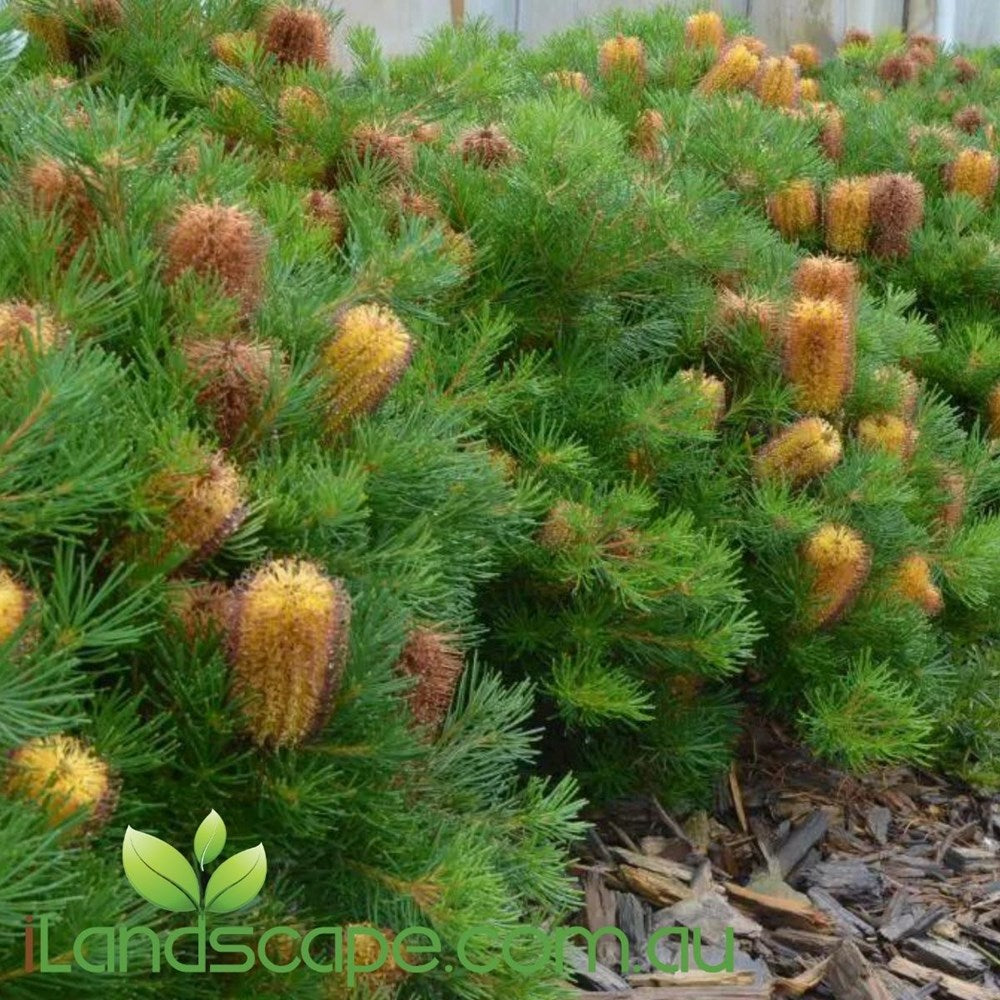
Regular price $13.50 AUD
Regular price Sale price $13.50 AUD
Unit price  per 
Callistemon ‘Dawson River Weeper’ with bright red flowers and elegant weeping foliage

Callistemon Dawson River Weeper

Description:Callistemon ‘Dawson River’ is a hardy, fast-growing bottlebrush featuring vibrant red flowers and lush green foliage. This large shrub to small tree is ideal for windbreaks, screening, and habitat gardens, attracting birds and pollinators. It thrives in a wide range of conditions, making it a versatile choice for Australian landscapes. Flowers:Striking red bottlebrush flowers bloom in spring and summer, with occasional spot flowering throughout the year. Rich in nectar, they attract bees, butterflies, and nectar-feeding birds. Foliage:Dense, bright green, lance-shaped leaves provide year-round interest and a lush appearance. Fruit:Woody seed capsules follow flowering, persisting on the plant for an extended period. Form & Size:A large shrub to small tree, reaching approximately 4–6m in height and 3–5m in width. Growing Conditions: Position: Prefers full sun to part shade. Soil: Adaptable to most soil types, including clay and sandy soils. Tolerates wet and dry conditions. Climate: Suited to a variety of Australian climates, including coastal and inland regions. Watering: Tolerates both dry spells and wet conditions, making it suitable for flood-prone areas. Uses: Excellent for screening, windbreaks, and habitat gardens. Suitable for large gardens, parks, and streetscapes. Great for erosion control along riverbanks and wetlands. Maintenance: Low-maintenance and easy to grow. Prune after flowering to maintain shape and encourage new blooms. Apply a slow-release native fertilizer in spring for optimal growth. Notes: Bird and pollinator-friendly. Tolerates temporary waterlogging and drought conditions. Companion Plants:Pairs well with other natives like Grevillea, Melaleuca, and Lomandra for a water-wise landscape. Common Name: Dawson River BottlebrushBotanical Name: Callistemon ‘Dawson River’Family: MyrtaceaeOrigin: Australia

Regular price From $13.50 AUD
Regular price Sale price From $13.50 AUD
Unit price  per 
Callistemon ‘Endeavour’ with vivid red bottlebrush flowers and rich green foliage

Callistemon Endeavour

Description:Callistemon ‘Endeavour’ is a fast-growing, upright bottlebrush with striking red flowers and dense green foliage. This hardy Australian native is ideal for screening, hedging, and attracting birds. It thrives in a variety of conditions, making it a versatile choice for gardens and streetscapes. Flowers:Brilliant red bottlebrush flowers appear in spring and summer, with sporadic blooms throughout the year. Nectar-rich, attracting bees, butterflies, and native birds. Foliage:Narrow, lance-shaped green leaves that provide year-round interest and a lush appearance. Fruit:Woody seed capsules follow flowering, remaining on the plant for extended periods. Form & Size:Upright, bushy shrub reaching approximately 3–4m high and 2–3m wide. Growing Conditions: Position: Prefers full sun to part shade. Soil: Adaptable to most soil types, including sandy, clay, and well-drained soils. Climate: Tolerates a wide range of Australian conditions, including coastal areas and light frost. Watering: Drought-tolerant once established but benefits from occasional watering in dry periods. Uses: Ideal for screening, windbreaks, and hedging. Excellent for native gardens and large landscape plantings. Suitable for erosion control on banks and slopes. Maintenance: Low-maintenance and hardy. Prune after flowering to maintain shape and encourage denser growth. Apply a slow-release native fertilizer in spring to promote healthy growth. Notes: Bird and pollinator-friendly. Tolerates coastal exposure, light frost, and moderate drought. Companion Plants:Pairs well with Grevillea, Westringia, and Lomandra for a balanced native garden. Common Name: Endeavour BottlebrushBotanical Name: Callistemon ‘Endeavour’Family: MyrtaceaeOrigin: Australia

Regular price From $13.50 AUD
Regular price Sale price From $13.50 AUD
Unit price  per 
Callistemon Eureka with vivid red bottlebrush flowers and dense green leaves

Callistemon Eureka

Description:Callistemon 'Eureka', commonly known as Eureka Bottlebrush, is a hardy evergreen shrub valued for its striking red flower spikes and robust growth. This Australian native is ideal for various garden uses, including hedges, screens, and as a feature plant. Its bright blooms and dense foliage add bold color and texture to landscapes, attracting pollinators and wildlife. Flowers:In spring and occasionally in autumn, Callistemon 'Eureka' produces large, cylindrical red flower spikes with bright yellow tips. The bottlebrush-shaped flowers are nectar-rich, attracting birds, bees, and butterflies, making it an excellent choice for wildlife-friendly gardens. Foliage:The plant features narrow, lance-shaped green leaves with a slightly leathery texture. The evergreen foliage provides year-round interest, serving as a lush backdrop to the vibrant flowers and enhancing the shrub's visual appeal. Fruit:Following the flowering period, small, woody capsules form along the stems, typical of Callistemon species. These capsules add a subtle decorative element and remain on the plant, providing habitat for insects. Form and Size:Eureka Bottlebrush has a dense, upright growth habit, typically reaching a height of 2 to 3 meters and a similar spread. Its robust form makes it suitable for hedging, screening, or as a specimen plant in garden beds. Growing Conditions:This plant thrives in full sun and is adaptable to a variety of soil types, including sandy, loamy, and clay soils, provided they are well-draining. It is drought-tolerant once established and can withstand light frost, making it suitable for a range of climates, including coastal areas. Uses:Callistemon 'Eureka' is versatile in landscaping, often used as a hedge or screen, or as a focal point in garden beds. Its showy flowers and dense foliage make it a valuable addition to pollinator gardens and low-maintenance landscapes. Maintenance:This variety is low-maintenance, requiring minimal pruning. Light trimming after flowering helps maintain shape and encourages a fuller, bushier habit. Fertilize annually with a low-phosphorus, native-friendly fertilizer to promote healthy growth and abundant blooms. Notes:Eureka Bottlebrush is a resilient and vibrant plant, perfect for Australian gardens. Its bold red flowers and ease of care make it a popular choice for gardeners looking to add color to their landscape while supporting local wildlife. Companion Plants:Pairs well with other Australian natives such as Grevillea, Leptospermum, and Westringia. It also complements ornamental grasses and other drought-tolerant shrubs for a naturalistic garden aesthetic. Common Name: Eureka BottlebrushBotanical Name: Callistemon 'Eureka'Family: MyrtaceaeOrigin: Australia

Regular price $19.00 AUD
Regular price Sale price $19.00 AUD
Unit price  per 
Callistemon Fluro Burst™ with fluorescent lime-green new growth and bright pink bottlebrush flowers growing in a Sunshine Coast garden.

Callistemon Fluro Burst™

Callistemon Fluro Burst™ (CNU19) is an outstanding Australian native shrub renowned for its vibrant fluorescent lime-green new growth that creates a striking contrast against its mature green foliage. Combined with masses of fluro bright pink bottlebrush flowers, this hardy variety delivers year-round colour and is ideal for feature planting, screening, hedging and attracting native birdlife. Its vigorous growth and adaptability make it an excellent choice for Sunshine Coast gardens. Flowers Produces masses of bright pink bottlebrush flowers from spring through to summer, with repeat flowering often occurring throughout the year. The nectar-rich blooms are highly attractive to honeyeaters, bees and other beneficial pollinators. Foliage One of the standout features of Fluro Burst™ is its brilliant fluorescent lime-green new growth, which gradually matures to rich green, creating a colourful display throughout the year. Form & Size A dense evergreen shrub with an upright, bushy growth habit. Height: 1-1.5 metres Width: 1-1.2 metres Growing Conditions Thrives in full sun. Prefers well-drained soil. Tolerates a wide range of soil types. Drought tolerant once established. Suitable for coastal gardens. Tolerates light frost. Performs well in humid climates. Uses Feature shrub Informal screening Hedging Native gardens Bird-attracting gardens Coastal landscapes Streetscapes Low-maintenance gardens Maintenance Water regularly during establishment. Once established, Fluro Burst™ requires minimal watering. Light pruning after flowering encourages dense growth and repeat flowering. Feed annually with a slow-release native plant fertiliser if required. Notes Callistemon Fluro Burst™ is a standout landscape plant thanks to its spectacular fluorescent new growth and reliable flowering. It provides year-round colour and texture while attracting native birds and pollinators, making it a superb choice for residential and commercial landscapes. Companion Plants Pairs beautifully with Grevillea, Westringia, Lomandra, Dianella, Banksia, Lilly Pilly, Kangaroo Paw (Anigozanthos) and other Australian native plants. Common Name: Fluro Burst™ Bottlebrush Botanical Name: Callistemon (CNU19) Fluro Burst™ Family: Myrtaceae Origin: Australian cultivated variety

Regular price $17.50 AUD
Regular price Sale price $17.50 AUD
Unit price  per 
Callistemon ‘Great Balls of Fire’ with vibrant red new foliage and compact form

Callistemon Great Balls fire TC

Description:Callistemon ‘Great Balls of Fire’ TC is a compact, evergreen shrub prized for its striking pink-red new growth and dense, fine foliage. This non-flowering variety is perfect for hedging, borders, and container planting, providing year-round color and texture in the landscape. Flowers:Non-flowering variety. Foliage:Dense, fine, bright green foliage with vivid pink-red new growth, creating a striking contrast. Fruit:Does not produce fruit or seed capsules. Form & Size:Compact, rounded shrub growing approximately 1–1.5m high and 1m wide. Growing Conditions: Position: Prefers full sun to part shade. Soil: Adaptable to most well-drained soils, including sandy and clay soils. Climate: Tolerates a wide range of Australian conditions, including coastal areas and light frost. Watering: Drought-tolerant once established but benefits from occasional deep watering. Uses: Ideal for low hedging, borders, and mass planting. Excellent for topiary, rockeries, and feature planting. Suited to formal and native garden designs. Maintenance: Low-maintenance and easy to grow. Prune lightly to maintain a compact shape and encourage vibrant new growth. Apply a slow-release fertilizer in spring for healthy foliage. Notes: Drought and frost-tolerant. Provides year-round color without flowering. Companion Plants:Complements Westringia, Lomandra, and Grevillea for a water-wise, low-maintenance garden. Common Name: Great Balls of Fire BottlebrushBotanical Name: Callistemon ‘Great Balls of Fire’ TCFamily: MyrtaceaeOrigin: Australia

Regular price $17.50 AUD
Regular price Sale price $17.50 AUD
Unit price  per 
Callistemon ‘Hannah Ray’ with arching branches, soft green foliage, and vibrant red bottlebrush flowers

Callistemon Hannah Ray

Description:Callistemon ‘Hannah Ray’ is a graceful, weeping bottlebrush cultivar admired for its arching branches, bright red flowers, and soft, lush foliage. This medium to large shrub or small tree is ideal for screening, feature planting, or use as a specimen tree in native or mixed garden styles. ‘Hannah Ray’ is hardy, low-maintenance, and thrives in a wide range of Australian climates. Flowers:Vivid red bottlebrush flowers bloom in abundance during spring and summer, with spot flowering at other times. Rich in nectar, the blooms attract birds, bees, and butterflies. Foliage:Soft, narrow green leaves with a slightly weeping appearance. New growth is often tinged with bronze, adding seasonal contrast. Fruit:Woody seed capsules form after flowering and may persist on the plant, adding textural interest. Form & Size:Weeping shrub or small tree, typically growing 3–5m high and 2.5–4m wide. Can be pruned to maintain as a shrub or trained into a small tree form. Growing Conditions: Position: Prefers full sun but tolerates part shade. Soil: Grows in most well-drained soils, including clay and sandy loam. Climate: Suited to coastal, subtropical, and temperate climates. Tolerates light frost and drought once established. Watering: Drought-tolerant but benefits from occasional deep watering during extended dry periods. Uses: Ideal for screening, windbreaks, and informal hedging. Perfect as a feature tree or specimen plant in larger gardens. Suitable for attracting wildlife and providing habitat in native landscapes. Maintenance: Low-maintenance and adaptable. Prune after flowering to maintain shape and encourage bushy growth. Fertilise in spring with a low-phosphorus native fertiliser to support health and flowering. Notes: Excellent for erosion control on slopes or banks due to its spreading root system. Provides valuable habitat and nectar for native wildlife. Responds well to shaping and can be grown as a standard or screen. Companion Plants:Combines beautifully with Grevillea, Lomandra, Melaleuca, and Leptospermum for a layered native planting scheme. Common Name: Hannah Ray BottlebrushBotanical Name: Callistemon viminalis ‘Hannah Ray’Family: MyrtaceaeOrigin: Australia (cultivar)

Regular price $15.00 AUD
Regular price Sale price $15.00 AUD
Unit price  per 
Callistemon ‘Icy Burst’ with fine green foliage and bright white bottlebrush flowers

Callistemon Icy Burst

Description:Callistemon ‘Icy Burst’ is a compact and eye-catching Australian native shrub known for its brilliant white bottlebrush flowers and fine, dense foliage. With a naturally tidy form and bright green new growth, this hardy variety is ideal for low hedging, borders, and native garden designs. Its crisp white flowers and compact habit offer a refreshing twist on traditional red-flowered bottlebrush types. Flowers:Pure white bottlebrush flowers bloom profusely in spring, with spot flowering possible in warmer months. The blooms are nectar-rich and attract bees, butterflies, and birds. Foliage:Fine, narrow green leaves form a dense, bushy shrub. New growth is soft and bright green, adding seasonal interest and colour contrast. Fruit:Small woody seed capsules may form after flowering, adding subtle texture. Form & Size:Compact shrub growing approximately 1–1.2m high and 80cm–1m wide. Growing Conditions: Position: Prefers full sun but tolerates part shade. Soil: Adapts to most well-drained soils, including sandy or clay types. Climate: Hardy to a wide range of Australian climates, including coastal and frost-prone areas. Watering: Drought-tolerant once established. Requires occasional deep watering in extended dry periods. Uses: Perfect for low hedging, borders, and feature planting. Great in native gardens, formal designs, or modern landscapes. Suitable for containers, small gardens, and wildlife-friendly planting. Maintenance: Very low-maintenance. Light pruning after flowering promotes dense growth and repeat blooming. Apply a low-phosphorus native fertiliser in spring to support health and flowering. Notes: Bird and pollinator-friendly. Crisp white blooms offer a striking contrast to traditional red bottlebrushes. Fire retardant and suitable for bushfire-prone areas. Companion Plants:Pairs well with Lomandra, Grevillea, Leptospermum, and Westringia for a clean, water-wise native garden. Common Name: Icy Burst BottlebrushBotanical Name: Callistemon ‘Icy Burst’ PBRFamily: MyrtaceaeOrigin: Australia (cultivar)

Regular price $15.00 AUD
Regular price Sale price $15.00 AUD
Unit price  per 
Callistemon ‘Kings Park Special’ with large bright red bottlebrush flowers and green foliage

Callistemon Kings Park Special

Description:Callistemon ‘Kings Park Special’ is a vigorous, large bottlebrush renowned for its spectacular bright red flowers and dense green foliage. This hardy and fast-growing Australian native shrub is ideal for screening, hedging, and windbreaks, thriving in a wide range of conditions and providing a brilliant display of colour in spring and summer. Flowers:Large, vibrant red bottlebrush flowers appear in profusion from spring to summer, with sporadic flowering at other times. The nectar-rich blooms attract birds, bees, and other pollinators. Foliage:Narrow, lance-shaped, mid-green leaves form a dense and bushy canopy, offering year-round greenery. Fruit:Woody seed capsules develop after flowering and persist on the plant for extended interest. Form & Size:Large, upright shrub growing approximately 3–5m high and 2.5–4m wide. Growing Conditions: Position: Best grown in full sun but will tolerate part shade. Soil: Adaptable to a wide range of well-drained soils, including sandy, loamy, and clay soils. Climate: Suited to various Australian conditions, including coastal areas and light frost. Watering: Drought-tolerant once established but benefits from occasional deep watering, especially during prolonged dry periods. Uses: Excellent for screening, windbreaks, and large hedges. Ideal as a feature shrub in native gardens and public landscapes. Provides habitat and nectar for birds and beneficial insects. Maintenance: Low-maintenance and easy to grow. Prune after flowering to maintain a compact, bushy shape and promote more blooms. Apply a slow-release native fertilizer in spring to support healthy growth and flowering. Notes: Bird and pollinator-friendly. Tolerates coastal exposure, drought, and light frost. Companion Plants:Pairs well with Grevillea, Melaleuca, and Lomandra for a robust, water-wise native garden. Common Name: Kings Park Special BottlebrushBotanical Name: Callistemon ‘Kings Park Special’Family: MyrtaceaeOrigin: Australia

Regular price From $13.50 AUD
Regular price Sale price From $13.50 AUD
Unit price  per 
Callistemon ‘Little Caroline’ PBR with bright red bottlebrush flowers and compact green foliage

Callistemon Little Caroline PBR

Description:Callistemon ‘Little Caroline’ PBR is a compact, dense-growing bottlebrush with soft green foliage and brilliant red flowers. This hardy, low-maintenance shrub is ideal for hedging, borders, and container planting, bringing year-round interest to gardens. It thrives in various Australian climates and attracts birds and pollinators. Flowers:Vibrant red bottlebrush flowers appear in spring and summer, providing a striking contrast against the green foliage. Rich in nectar, they attract bees, butterflies, and native birds. Foliage:Fine, mid-green leaves with a soft texture, forming a naturally dense and rounded shape. Fruit:Small, woody seed capsules follow flowering, persisting on the plant. Form & Size:Compact, bushy shrub growing approximately 1.2m high and 1.2m wide. Growing Conditions: Position: Prefers full sun to part shade. Soil: Adaptable to most well-drained soils, including sandy and clay soils. Climate: Suits a range of Australian conditions, including coastal areas and light frost. Watering: Drought-tolerant once established but benefits from occasional deep watering. Uses: Ideal for low hedging, borders, and mass planting. Great for native gardens, rockeries, and container displays. Attracts birds and beneficial insects to the garden. Maintenance: Low-maintenance and easy to grow. Prune after flowering to maintain a compact shape and encourage more blooms. Apply a native plant fertilizer in spring for healthy growth. Notes: Bird and pollinator-friendly. Tolerates coastal conditions and mild frost. Companion Plants:Pairs well with Westringia, Grevillea, and Lomandra for a water-wise native garden. Common Name: Little Caroline BottlebrushBotanical Name: Callistemon ‘Little Caroline’ PBRFamily: MyrtaceaeOrigin: Australia

Regular price From $15.00 AUD
Regular price Sale price From $15.00 AUD
Unit price  per 
Callistemon ‘Low Rider’ with bright red bottlebrush flowers and compact green growth

Callistemon Low Rider

Description:Callistemon ‘Low Rider’ is a compact, low-growing bottlebrush variety with dense, fine foliage and vibrant red flowers. This hardy native shrub is perfect for borders, mass planting, or as a feature in small gardens. It attracts birds and pollinators, adding life and color to the landscape. Flowers:Bright red bottlebrush flowers appear in spring and summer, providing a stunning display and attracting bees, butterflies, and nectar-feeding birds. Foliage:Fine, dense, mid-green foliage that forms a neat, rounded habit, making it ideal for low hedging and ground cover. Fruit:Small woody seed capsules follow flowering, typical of Callistemon species. Form & Size:Compact, spreading shrub reaching approximately 60cm high and 1–1.2m wide. Growing Conditions: Position: Prefers full sun to part shade. Soil: Adaptable to most well-drained soils, including sandy and clay soils. Climate: Tolerates a range of Australian conditions, including coastal areas and light frost. Watering: Drought-tolerant once established but benefits from occasional watering during dry periods. Uses: Ideal for low hedging, borders, and mass planting. Great for rockeries, native gardens, and container planting. Suitable for coastal gardens and erosion control on slopes. Maintenance: Low-maintenance and easy to grow. Prune lightly after flowering to encourage dense growth and more blooms. Apply a native plant fertilizer in spring to promote healthy growth. Notes: Bird and pollinator-friendly. Tolerates coastal exposure and light frost. Companion Plants:Complements other native plants such as Westringia, Grevillea, and Lomandra for a water-wise, low-maintenance garden. Common Name: Low Rider BottlebrushBotanical Name: Callistemon ‘Low Rider’Family: MyrtaceaeOrigin: Australia

Regular price From $15.00 AUD
Regular price Sale price From $15.00 AUD
Unit price  per 
A close-up image of the red, bottlebrush-shaped flowers of the Callistemon Mr Foster shrub, with green foliage in the background.

Callistemon Mr Foster

Description:Callistemon 'Mr Foster', commonly known as Bottlebrush, is a hardy Australian native shrub that features vibrant red, bottlebrush-shaped flowers and attractive green foliage. This medium-sized, evergreen shrub is widely grown for its ornamental value and its ability to attract birds and pollinators. It is perfect for use as a feature plant, hedge, or screen, and its adaptability to a range of growing conditions makes it a popular choice for gardeners looking for a low-maintenance, drought-tolerant plant. Flowers:The bright red, cylindrical flowers are the defining feature of Callistemon 'Mr Foster'. The bottlebrush-like blooms appear in spring and again in late summer, often with sporadic flowering throughout the year in milder climates. The striking flowers attract nectar-feeding birds, such as honeyeaters, as well as bees and butterflies. Foliage:The narrow, lance-shaped leaves are bright green and have a leathery texture. The foliage creates a dense, bushy appearance, which provides excellent coverage for screening or hedging. New growth may emerge with a soft, bronze tint, adding seasonal interest. Fruit:After flowering, small, woody capsules form along the stems, containing seeds. These seed pods persist on the plant, adding some textural interest, although they are not the main ornamental feature. Form and Size:This medium-sized shrub typically grows to 2–3 meters in height and has a similar spread. It has a naturally rounded and dense growth habit, making it ideal for use as a privacy screen or as part of a mixed border. It can also be pruned to shape or to maintain a more compact form. Growing Conditions:Callistemon 'Mr Foster' thrives in full sun and well-drained soils. It is highly adaptable to a variety of soil types, including sandy, loamy, and clay soils. It is drought-tolerant once established and can handle light frosts. It also performs well in coastal gardens, tolerating salt-laden winds. Mulching around the base of the plant will help retain moisture and protect the roots. Uses:This versatile shrub is ideal for use as a feature plant, hedge, or screen. Its bright red flowers provide a burst of color in the garden, while its dense growth habit makes it a good choice for privacy hedging. The plant’s ability to attract wildlife also makes it a valuable addition to bird-attracting or native-themed gardens. Maintenance:Low-maintenance and tough, Callistemon 'Mr Foster' benefits from light pruning after flowering to maintain its shape and encourage bushier growth. Removing spent flowers can also promote a longer flowering season. Apply a slow-release, low-phosphorus fertilizer in spring to support healthy growth. Water during dry periods, particularly when establishing young plants. Notes:This cultivar is known for its reliable performance in a wide range of conditions. Its bright red flowers and bushy growth make it a favorite for gardeners seeking a durable and visually striking plant. It is also fire-resistant, making it suitable for planting in areas prone to bushfires. Companion Plants:Pairs well with other Australian natives such as Grevillea, Leptospermum, and Westringia. It also works beautifully with ornamental grasses like Lomandra or other drought-tolerant shrubs like Melaleuca. Common Name: Bottlebrush 'Mr Foster'Botanical Name: Callistemon 'Mr Foster'Family: MyrtaceaeOrigin: Australia

Regular price $13.50 AUD
Regular price Sale price $13.50 AUD
Unit price  per