Ginger & Alpinia Plants – Tropical Ornamental Gingers

Ginger & Alpinia Plants – Lush Tropical Foliage & Colourful Flowers

Create a beautiful tropical garden with our range of ornamental Ginger and Alpinia plants. Known for their lush foliage, striking flowers and attractive upright growth, tropical gingers are ideal for adding colour, texture and a resort-style atmosphere to gardens throughout the Sunshine Coast, Brisbane and South East Queensland.

From compact ornamental gingers suitable for smaller gardens and decorative pots to taller Alpinias that provide height and tropical screening, these versatile plants are popular choices for tropical and subtropical landscaping.

Flowers

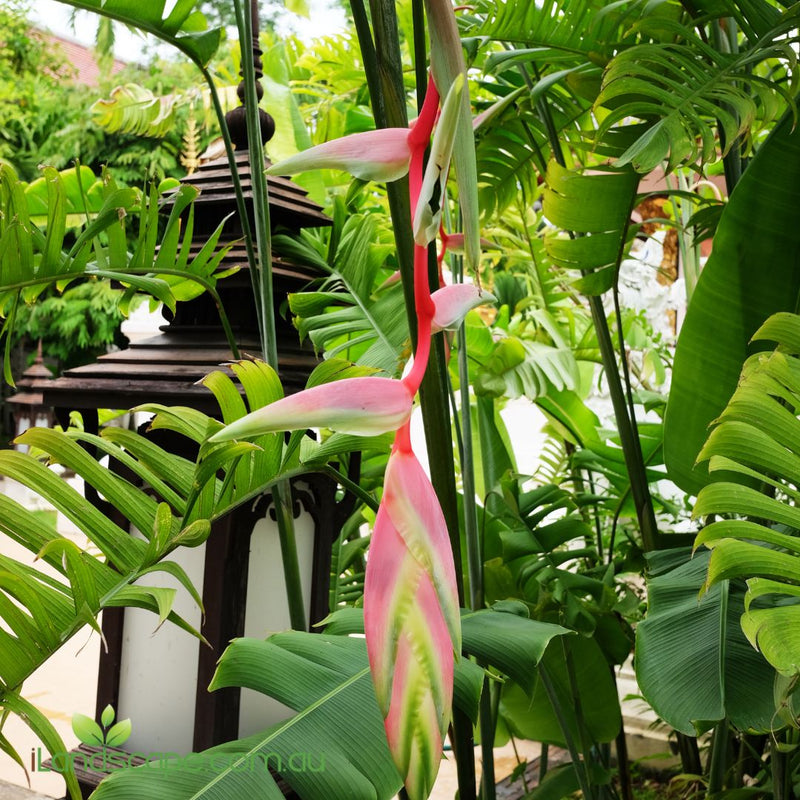
Many ornamental gingers produce beautiful, unusual flowers in shades of white, pink, red, orange and yellow, depending on the species and variety.

Some produce colourful flower spikes or cone-shaped bracts, while others feature delicate, fragrant blooms. Flowering generally occurs during the warmer months, although timing varies between varieties.

Foliage

Tropical gingers are valued for their lush, often broad leaves that create a dense, layered garden appearance.

Foliage ranges from deep green to attractive variegated combinations of green, cream and yellow. Some varieties also feature distinctive leaf shapes and textures that make them excellent foliage plants even when not flowering.

Form & Size

Most ornamental gingers grow as clumping or spreading perennials, producing upright leafy stems from underground rhizomes.

Compact varieties may reach approximately 50 cm–1 m tall, while larger Alpinias and ornamental gingers can grow 2–3 m or more, depending on the variety and growing conditions.

Their mature spread and growth habit should be considered when selecting plants for smaller garden spaces.

Growing Conditions

  • Position: Part shade to filtered sunlight for many varieties, with some suitable for full sun when adequately watered.

  • Soil: Fertile, well-drained soil enriched with organic matter.

  • Water: Regular moisture, particularly during establishment and warmer weather.

  • Climate: Warm tropical and subtropical conditions.

  • Frost: Many varieties are frost-sensitive and benefit from sheltered positions.

Uses

  • Tropical and resort-style gardens

  • Lush foliage and feature planting

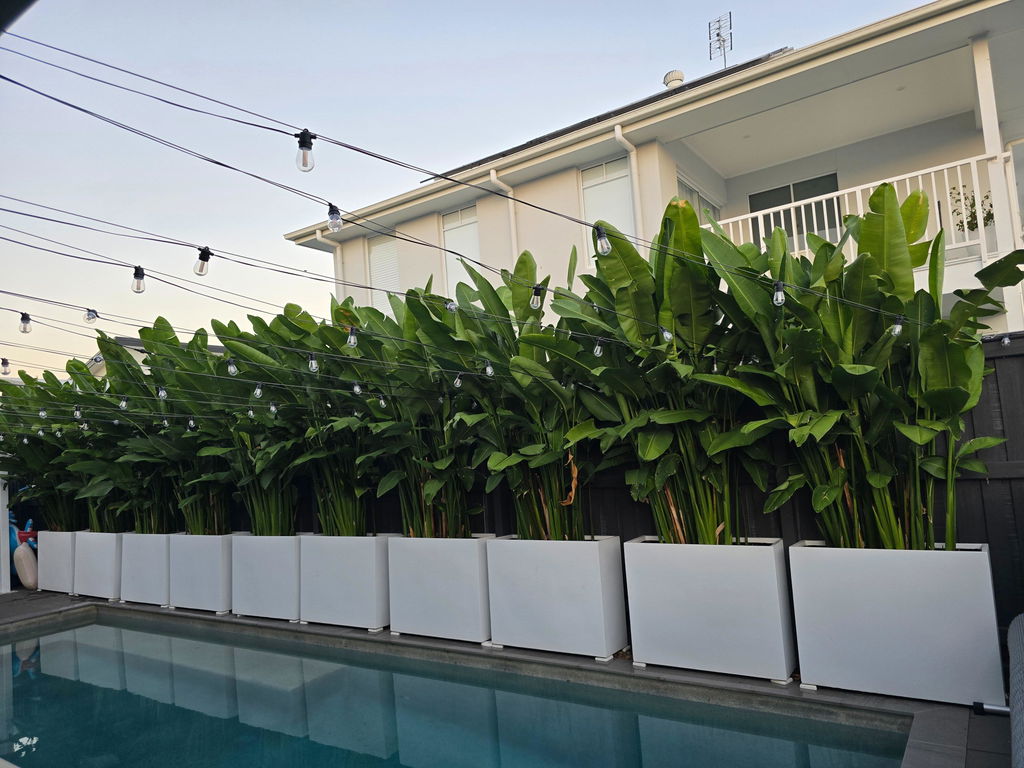
  • Informal tropical screening

  • Shaded garden beds and courtyards

  • Poolside landscaping in suitable positions

  • Large decorative pots and containers

  • Colourful flowering garden displays

Maintenance

Apply mulch around plants to help retain soil moisture and suppress weeds.

Feed during the warmer growing months to encourage healthy foliage and flowering. Remove old, damaged or spent stems to maintain an attractive appearance and promote fresh growth.

Some varieties benefit from dividing established clumps to control their spread and rejuvenate growth.

Choosing the Right Tropical Ginger

When choosing ornamental gingers, consider the mature height, spreading habit, sunlight requirements and flowering characteristics of each variety.

Compact gingers are excellent for smaller garden beds and decorative pots, while taller Alpinias can provide attractive tropical foliage and informal screening.

For shaded tropical gardens, select varieties suited to filtered sunlight and moist, well-drained soil.

Buy Ginger & Alpinia Plants Direct from the Grower

At Sunshine Coast Nursery & Garden Centre, we grow and source quality tropical plants for landscaping projects throughout South East Queensland.

Browse our range of ornamental gingers and Alpinias online or visit our nursery in Caloundra West for friendly advice and assistance selecting suitable plants.

Nursery pickup and plant delivery are available throughout our service areas. Planning a new tropical garden? Ask our team about our free garden planning advice.
View

A cluster of Alpinia zerumbet Green Shell Ginger plants with large green leaves, shown in pots under a greenhouse tent.

Alpinia zerumbet Green Shell Ginger

Description:Alpinia zerumbet Green Shell Ginger is a lush, tropical perennial known for its large, glossy green leaves and attractive shell-like flowers. Native to East Asia, this ginger species is valued for its bold, upright growth habit and ability to thrive in warm, humid climates. Its lush foliage makes it a popular choice for creating a tropical ambiance in gardens, while its fragrant flowers add seasonal interest. It is often used in garden beds, borders, or as a striking container plant. Flowers:Alpinia zerumbet Green Shell Ginger produces beautiful, pendulous clusters of fragrant, shell-shaped white flowers with yellow and pink accents. The flowers bloom in late spring to early summer, adding a striking contrast to the plant's green foliage. While the flowers are not the primary feature of the plant, they add a subtle elegance and fragrance to the garden. Foliage:The large, lance-shaped leaves of Green Shell Ginger are bright green, glossy, and have a striking, tropical appearance. The leaves can grow up to 60 cm long, creating a dramatic effect in the landscape. The bold, lush foliage is a key ornamental feature, providing year-round visual interest in tropical and subtropical gardens. Fruit:After flowering, small, inedible fruit capsules may form, though they are not a significant ornamental feature. Form and Size:This clump-forming perennial typically grows to 1.5-2 meters in height and 1-1.5 meters in width. Its upright, arching form makes it an excellent feature plant in tropical or subtropical garden settings, where its bold foliage can create a striking focal point. Growing Conditions:Green Shell Ginger thrives in part shade to full sun and prefers moist, well-drained soils. It performs best in warm, humid climates but can tolerate light frost in protected areas. In cooler regions, it can be grown in containers and brought indoors during the winter months. Regular watering is necessary to keep the soil moist, especially during hot, dry periods. Uses:This versatile plant is ideal for use as a feature plant in tropical or subtropical garden designs, where its large leaves and upright form add a bold, tropical aesthetic. It can be used in garden beds, as a border plant, or in large containers for patios and courtyards. Its lush foliage also makes it a great choice for creating privacy or a backdrop in mixed plantings. Maintenance:Alpinia zerumbet Green Shell Ginger is relatively low-maintenance. Remove spent flower spikes and any damaged or yellowing leaves to keep the plant looking tidy. Water regularly during dry periods, and mulch around the base to retain moisture. Apply a balanced, slow-release fertilizer in spring to promote healthy growth. In cooler climates, protect the plant from frost by mulching heavily or growing it in a container that can be moved indoors. Notes:Green Shell Ginger is prized for its lush, tropical appearance and ability to thrive in warm, humid environments. While the flowers are attractive, the plant is primarily grown for its bold foliage, which adds a dramatic touch to garden landscapes. Companion Plants:Pairs beautifully with other tropical plants like Heliconia, Cordyline, and Strelitzia. It also works well alongside smaller shade-loving plants like ferns or as a contrast to large-leaved plants like Alocasia and Philodendron. Common Name: Green Shell GingerBotanical Name: Alpinia zerumbetFamily: ZingiberaceaeOrigin: East Asia

Regular price $70.00 AUD
Regular price Sale price $70.00 AUD
Unit price  per 
Alpinia zerumbet variegata with lush green and yellow striped foliage in a tropical garden setting

Alpinia zerumbet variegata

Description:Alpinia zerumbet variegata, commonly known as Variegated Shell Ginger, is a striking evergreen perennial known for its large, bold, variegated leaves and tropical appearance. This versatile plant is ideal for adding a lush, tropical feel to gardens and landscapes. The bright green leaves are boldly striped with creamy yellow, making this plant a standout feature in both garden beds and containers. It is highly valued for its ornamental foliage, though it also produces attractive flowers under ideal conditions. Flowers:Alpinia zerumbet variegata produces drooping clusters of fragrant, shell-shaped white and pink flowers in spring and summer, though it is primarily grown for its foliage. The flowers add additional ornamental interest, especially when paired with the bold variegated leaves. The blooms are followed by small, inedible fruit capsules. Foliage:The large, lance-shaped leaves are the plant's most striking feature, with vivid green and creamy yellow variegation. The foliage is lush, bold, and tropical, adding texture and color to the garden year-round. The leaves grow up to 60 cm long, creating a dramatic presence in the landscape. Fruit:Small, round, inedible fruit capsules may form after flowering, but they are not significant ornamental features. Form and Size:Alpinia zerumbet variegata is a clump-forming perennial that typically grows to 1.5–2 meters in height and 1–1.5 meters in width. Its upright, arching growth habit and large, striking leaves make it perfect for use as a feature plant or backdrop in tropical-themed gardens. Growing Conditions:This plant thrives in part shade to full sun but performs best in bright, indirect light or filtered sun. It prefers well-drained, fertile soils and benefits from regular watering, especially during dry periods. It is frost-sensitive, making it ideal for subtropical and tropical climates. In cooler regions, it can be grown in containers and moved indoors during winter. Mulching helps retain moisture and protect the roots in colder areas. Uses:Alpinia zerumbet variegata is ideal for use as a feature plant in tropical or subtropical garden designs, where its bold variegated foliage can be fully appreciated. It works well as a border plant, in mixed garden beds, or in large containers. Its lush, tropical appearance makes it perfect for adding texture and color to shady or sheltered garden areas. Maintenance:This plant is relatively low-maintenance. Remove spent flower spikes and any damaged or dead foliage to maintain its appearance. Regular watering is essential during dry periods, but avoid waterlogging the soil. Apply a balanced, slow-release fertilizer in spring to promote healthy growth. In frost-prone areas, protect the plant by mulching heavily or growing it in containers to move indoors. Notes:Alpinia zerumbet variegata is primarily grown for its showy, variegated foliage rather than its flowers. It is an excellent plant for creating a tropical ambiance in gardens and patios, and it can be used as an indoor plant in colder regions. Companion Plants:Pairs well with other tropical plants like Cordyline, Heliconia, and Strelitzia. It also contrasts beautifully with smaller, finer-textured plants such as ferns and ornamental grasses, or with bold, flowering plants like Hibiscus and Canna. Common Name: Variegated Shell GingerBotanical Name: Alpinia zerumbet variegataFamily: ZingiberaceaeOrigin: Tropical Asia

Regular price $27.50 AUD
Regular price Sale price $27.50 AUD
Unit price  per 
Alpinia henryi Pink sunshine coast nursery

Alpinia henryi Pink

Alpinia henryi 'Pink' Description:Alpinia henryi 'Pink' is a gorgeous tropical plant known for its striking pink flowers and lush, green foliage. This variety of ginger is particularly valued for its elegant blooms and bold presence in garden landscapes. It’s a perfect choice for those looking to add a touch of exotic beauty to tropical or subtropical gardens. Flowers:The flowers of Alpinia henryi 'Pink' are showy, tubular, and appear in cascading clusters of soft pink. Blooming from late spring through summer, the flowers create a stunning visual display and attract pollinators such as bees and butterflies. The inflorescences stand out beautifully against the deep green leaves. Foliage:The foliage consists of long, lance-shaped leaves that are bright green and glossy. The leaves grow in an upright, clumping form on tall stems, creating a lush, dense appearance. The broad leaves provide a tropical feel and are a key feature of this plant’s ornamental appeal. Form and Size:Alpinia henryi 'Pink' has a clumping growth habit, typically reaching up to 1.5-2.5 meters (5-8 feet) in height and 1-1.5 meters (3-5 feet) in spread. Its graceful form and colorful flowers make it ideal for adding height and texture to garden beds, borders, and large containers. Growing Conditions: Light: Prefers partial shade to full sun. It thrives in bright light but appreciates some shade in hotter climates. Soil: Well-draining, fertile soil rich in organic matter. A slightly acidic to neutral pH is ideal. Water: Keep the soil consistently moist, especially during the growing season. Ensure good drainage to prevent waterlogging. Temperature: Thrives in warm, tropical to subtropical climates. Hardy in USDA zones 9-11. Protect from frost and cold temperatures. Humidity: Prefers high humidity levels. Regular misting or placement near a humidity tray can help maintain the necessary moisture in the air if grown indoors. Uses:Alpinia henryi 'Pink' is primarily grown for its ornamental value. It makes a striking focal point in garden beds, borders, and large containers. The plant’s delicate pink blooms and lush foliage create a tropical ambiance, making it perfect for themed gardens and exotic landscapes. It is also well-suited for shaded garden areas or as an understory plant. Maintenance:This plant requires moderate maintenance. Regular watering and fertilization during the growing season will promote healthy growth. Prune away any dead or damaged leaves to maintain its appearance. Mulch around the base to conserve moisture and suppress weeds. Notes:Alpinia henryi 'Pink' is non-toxic and safe to grow around pets and children. It is relatively pest-resistant but may occasionally attract aphids or spider mites, which can be treated with appropriate insecticides. Companion Plants:Alpinia henryi 'Pink' pairs well with other tropical and subtropical plants that have similar growing requirements, such as: Hosta species Canna Lily (Canna indica) Ginger (Zingiber spp.) Elephant Ear (Colocasia esculenta) Common Name: Pink Shell GingerBotanical Name: Alpinia henryi 'Pink'Family: ZingiberaceaeOrigin: Native to Asia, cultivated as an ornamental plant variety

Regular price $25.00 AUD
Regular price Sale price $25.00 AUD
Unit price  per 
Alpinia Upright Shell sunshine coast nursery

Alpinia Upright Shell

Alpinia 'Upright Shell' Description: Alpinia 'Upright Shell', commonly known as Shell Ginger, is a striking tropical plant renowned for its bold, upright growth habit and stunning variegated foliage. This plant adds a touch of the exotic to any garden or indoor space with its lush green leaves, striped with creamy white, and its beautiful shell-like flowers. Flowers: The flowers of Alpinia 'Upright Shell' are small, white, and pink, arranged in drooping clusters that resemble sea shells, hence the name Shell Ginger. The blooms are not only attractive but also fragrant, adding an extra dimension to the plant's appeal. Flowering typically occurs in the spring and summer. Foliage: The foliage is one of the main attractions of Alpinia 'Upright Shell'. The leaves are large, lance-shaped, and have striking variegation, with green and creamy white stripes running along their length. The leaves grow on tall, upright stems, creating a lush, tropical look. Form and Size: Alpinia 'Upright Shell' has a tall, clumping growth habit, reaching up to 1.5-2 meters (5-6.5 feet) in height and 1-1.5 meters (3-5 feet) in spread. Its vertical form makes it a great choice for adding height and structure to garden beds or containers. Growing Conditions: Light: Prefers partial shade to full sun. In hotter climates, some afternoon shade can help protect the foliage from scorching. Soil: Well-draining, fertile soil rich in organic matter. A slightly acidic to neutral pH is ideal. Water: Keep the soil consistently moist, especially during the growing season. Ensure good drainage to prevent waterlogging. Temperature: Thrives in warm, tropical to subtropical climates. Hardy in USDA zones 9-11. Protect from frost and cold temperatures. Humidity: Prefers high humidity levels. Regular misting or placement near a humidity tray can help maintain the necessary moisture in the air. Uses: Alpinia 'Upright Shell' is primarily grown for its ornamental value. It makes a stunning focal point in garden beds, borders, and large containers. The plant's lush foliage and beautiful flowers create a tropical feel, making it ideal for themed gardens and landscapes. Maintenance: This plant is relatively low-maintenance. Regular watering and fertilization during the growing season will promote healthy growth. Prune away any dead or damaged leaves to maintain its appearance. Mulch in winter in colder climates to protect the roots from frost. Notes: Alpinia 'Upright Shell' is non-toxic and safe to grow around pets and children. It is relatively pest-resistant but may occasionally attract aphids or spider mites, which can be treated with appropriate insecticides. Companion Plants: Alpinia 'Upright Shell' pairs well with other tropical and subtropical plants that have similar growing requirements, such as: Heliconia species Calathea species Canna Lily (Canna indica) Monstera deliciosa Common Name: Upright Shell, Shell Ginger Botanical Name: Alpinia 'Upright Shell' Family: Zingiberaceae Origin: Native to tropical and subtropical regions, with this variety developed in cultivation

Regular price From $25.00 AUD
Regular price Sale price From $25.00 AUD
Unit price  per 
Alpinia galangal 200mm Garden centre nursery sunshine coast

Alpinia galangal

Alpinia galangal Description: Alpinia galangal, commonly known as Galangal, is a perennial herbaceous plant widely used in culinary and medicinal applications. It features tall, upright stems with large, lance-shaped leaves that are bright green and glossy. The plant is known for its aromatic rhizomes, which are a key ingredient in Southeast Asian cuisine. Flowers: Alpinia galangal produces small, white flowers with red streaks, arranged in a terminal spike. These flowers are not particularly showy but add a subtle ornamental value to the plant. Foliage: The foliage consists of large, lance-shaped leaves that can grow up to 30 cm (12 inches) long. The leaves are bright green, glossy, and have a smooth texture, creating a lush, tropical appearance. Fruit: The fruit of Alpinia galangal is a small, round, red berry that contains seeds. These berries are not typically used in culinary applications and are more of a botanical curiosity. Form and Size: Alpinia galangal can grow up to 2 meters (6.5 feet) in height, forming dense clumps through its rhizomatous growth habit. The plant spreads horizontally via its underground rhizomes, making it an excellent choice for creating a tropical garden setting. Growing Conditions: Light: Prefers partial shade to full sun. In hotter climates, it benefits from some afternoon shade to prevent leaf scorch. Soil: Well-draining, fertile soil rich in organic matter. A slightly acidic to neutral pH is ideal. Water: Keep the soil consistently moist, especially during the growing season. Ensure good drainage to prevent waterlogging. Temperature: Thrives in warm, tropical climates. It prefers temperatures between 20-30°C (68-86°F) and does not tolerate frost. Humidity: Prefers high humidity levels. Regular misting or placement in a humid environment can help maintain the necessary moisture. Uses: Alpinia galangal is primarily grown for its aromatic rhizomes, which are used in cooking to add flavor to a variety of dishes, including soups, curries, and stir-fries. It also has medicinal properties and is used in traditional medicine to treat various ailments. Additionally, it serves as an ornamental plant in tropical and subtropical gardens. Maintenance: This plant is relatively low-maintenance. Regular watering and fertilization during the growing season will promote healthy growth. Prune away any dead or damaged leaves to maintain its appearance. Divide the rhizomes every few years to prevent overcrowding and promote vigorous growth. Notes: Alpinia galangal is non-toxic and safe to grow around pets and children. The rhizomes have a strong, spicy aroma and flavor, making them a distinctive ingredient in many Asian cuisines. Companion Plants: Alpinia galangal pairs well with other tropical and subtropical plants that have similar growing requirements, such as: Zingiber officinale (Ginger) Curcuma longa (Turmeric) Canna indica (Canna Lily) Heliconia species Common Name: Galangal Botanical Name: Alpinia galangal Family: Zingiberaceae Origin: Southeast Asia

Regular price $30.00 AUD
Regular price Sale price $30.00 AUD
Unit price  per 
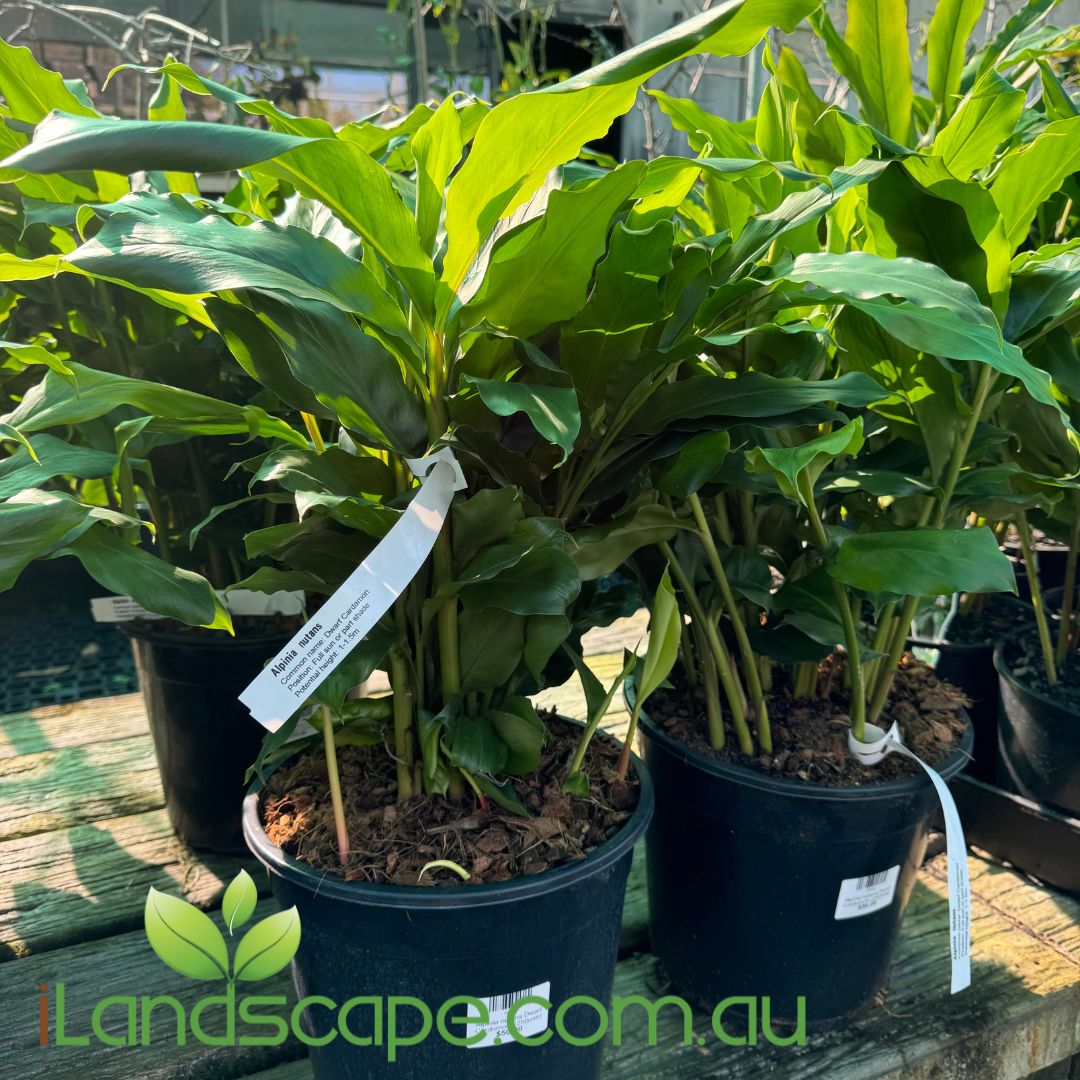
Potted plants of Alpinia nutans Dwarf Cardomom with lush green foliage, arranged on a shelf.

Alpinia nutans Dwarf Cardomom

Alpinia nutans, commonly known as Dwarf Cardamom or Dwarf False Cardamom, is an attractive, evergreen, clumping ginger grown for its lush tropical foliage and distinctive spicy fragrance. Its glossy green leaves release a pleasant cardamom-like scent when brushed or crushed, making it an excellent choice for tropical gardens, shaded borders, mass plantings and sensory gardens. With its dense, upright growth habit and relatively compact size, Dwarf Cardamom is particularly well suited to Sunshine Coast gardens, providing year-round greenery with minimal maintenance. Flowers Produces delicate, creamy-white, shell-like flowers, sometimes displaying subtle yellow or coloured markings. Flowering generally occurs during spring and summer, particularly in warm, humid conditions. Flowers are secondary to the plant's attractive aromatic foliage. Foliage Features lush, glossy, lance-shaped green leaves arranged along upright stems. The foliage remains evergreen in suitable climates and releases a distinctive spicy, cardamom-like fragrance when rubbed or crushed. Fruit Small seed capsules may develop following flowering, although fruit production is generally insignificant in ornamental garden settings. Dwarf Cardamom is primarily grown for its foliage rather than its fruit. Form & Size Height: Approximately 1–1.5 metres Width: Approximately 0.6–1 metre Growth Habit: Dense, upright, rhizomatous clumping perennial Growth Rate: Moderate to fast under favourable growing conditions Plants gradually spread through underground rhizomes, forming attractive, dense clumps without the aggressive running habit of some other tropical plants. Growing Conditions Sunlight: Prefers partial shade or filtered sunlight. Can tolerate full sun when adequate moisture is available, although protection from intense afternoon sun is beneficial in warmer climates. Soil: Thrives in fertile, well-drained soil enriched with organic matter. Mulching helps retain moisture and supports healthy growth. Water: Moderate to regular watering, particularly during establishment and dry weather. Prefers consistently moist soil but should not remain waterlogged. Frost: Tolerates brief periods of cool weather but may suffer foliage damage during significant frost. Best grown in protected positions in frost-prone areas. Wind: Prefers sheltered locations. Protection from strong, drying winds helps maintain attractive foliage. Climate: Particularly suited to tropical and subtropical climates, including the Sunshine Coast and South East Queensland. Uses Tropical Gardens: Creates lush greenery beneath palms and larger tropical plants. Mass Planting: Excellent for creating dense, attractive garden beds and understory plantings. Borders and Edging: Provides a soft, tropical border along pathways and garden edges. Low Screening: Suitable for informal, low-growing screening and separating garden areas. Containers: Grows well in large pots and decorative containers with adequate moisture. Sensory Gardens: Aromatic foliage adds fragrance and interest to garden spaces. Courtyards: Ideal for sheltered courtyards and smaller tropical garden designs. Maintenance Dwarf Cardamom is relatively low maintenance once established. Remove older, damaged or yellowing leaves as required to maintain a neat appearance. Apply a balanced slow-release fertiliser during spring and summer to encourage healthy foliage growth. Maintain a layer of organic mulch around the base to conserve moisture and improve soil conditions. Established clumps can be divided when necessary to control their size or produce additional plants. Notes Dwarf Cardamom is valued primarily for its aromatic foliage rather than culinary cardamom pods. It should not be confused with true cardamom (Elettaria cardamomum), the species commercially cultivated for its spice. The name Alpinia nutans is widely used in Australian horticulture for Dwarf Cardamom, although botanical references also associate this name with Alpinia zerumbet. The compact nursery plant is best distinguished from larger shell ginger forms by its mature size and growth habit. Companion Plants Philodendron Xanadu: Contrasting tropical foliage and compact growth. Alocasia: Bold foliage for sheltered tropical garden beds. Cordyline: Adds colourful foliage contrast. Liriope Evergreen Giant: Provides lower-growing foliage beneath established clumps. Heliconia: Creates a layered tropical planting arrangement. Bird's Nest Fern: Complements shaded tropical gardens. Common Name: Dwarf Cardamom, Dwarf False Cardamom, Cinnamon Ginger Botanical Name: Alpinia nutans (horticultural trade name) Family: Zingiberaceae Origin: Southeast Asia (associated species group)

Regular price $27.50 AUD
Regular price Sale price $27.50 AUD
Unit price  per 
Alpinia Mutica (False Cardomom) – AlpiniaSunshineCoastNurseryPlants

Alpinia Mutica (False Cardomom)

Description: Alpinia mutica, commonly known as False Cardamom, is a robust and attractive perennial herb known for its lush, aromatic foliage. It features long, lance-shaped leaves that grow in a dense, clumping formation. The plant is highly valued for its ornamental appeal and its fragrant leaves, which release a pleasant cardamom-like scent when crushed. Flowers: The flowers of Alpinia mutica are small and not particularly showy. They appear on short spikes and are typically white with red or yellow markings. While the flowers are less prominent, they add a subtle charm to the plant when in bloom. Foliage: The foliage of False Cardamom is its main attraction. The leaves are large, lanceolate, and glossy, reaching up to 30-60 cm in length. They have a rich green color and emit a delightful cardamom fragrance when bruised or crushed. This aromatic quality makes the plant particularly appealing in gardens and landscapes. Fruit: False Cardamom rarely produces fruit, especially when grown outside its native habitat. When it does, the fruits are small, round capsules that are not typically used for culinary purposes. Form and Size: Alpinia mutica has a clumping growth habit and can reach a height of 1.5 to 2 meters (5-6 feet) with a similar spread. Its upright form and dense foliage make it an excellent choice for creating a tropical, lush appearance in gardens. Growing Conditions: Light: Prefers partial to full shade but can tolerate some morning sun. Too much direct sunlight can scorch the leaves. Soil: Thrives in well-draining, rich, and moist soil. It can adapt to various soil types as long as there is good drainage. Water: Requires regular watering to keep the soil consistently moist. Avoid waterlogging, as it can lead to root rot. Temperature: Prefers warm, humid conditions and thrives in temperatures between 20-30°C. It is not frost-tolerant and should be protected from cold temperatures. Humidity: Enjoys high humidity, making it suitable for tropical and subtropical climates. Uses: Alpinia mutica is primarily used as an ornamental plant in gardens and landscapes. Its aromatic leaves are sometimes used in cooking, similarly to true cardamom, to impart a mild, pleasant fragrance to dishes. The plant also serves as an excellent choice for creating privacy screens or as a background plant in shaded areas. Maintenance: False Cardamom is relatively low-maintenance. Regular watering and occasional feeding with a balanced fertilizer will keep it healthy and vigorous. Prune back any dead or damaged leaves to maintain its neat appearance. In colder climates, it may need to be grown in containers and brought indoors during winter. Notes: Alpinia mutica is not invasive, making it a safe choice for garden landscapes. While the leaves are fragrant and can be used in cooking, they do not produce true cardamom seeds. Companion Plants: Pairs well with other shade-loving tropical plants such as Calathea, Hosta, and Ferns. It can also be combined with other gingers and tropical foliage plants to create a lush, exotic garden display. Alpinia mutica (False Cardamom) Common Name: False Cardamom, Dwarf Cardamom Botanical Name: Alpinia mutica Family: Zingiberaceae Origin: Southeast Asia

Regular price $30.00 AUD
Regular price Sale price $30.00 AUD
Unit price  per