Shade & Part Shade Tropical Plants

Shade & Part Shade Tropical Plants – Create Lush Tropical Gardens

Transform shaded garden spaces into beautiful tropical retreats with our range of shade and part shade tropical plants. Ideal for gardens throughout the Sunshine Coast, Brisbane and South East Queensland, these plants bring lush greenery, colourful foliage and attractive textures to areas receiving limited direct sunlight.

From impressive Alocasias and Philodendrons to tropical ferns, Bromeliads, Monsteras and ornamental gingers, shade-loving tropical plants offer plenty of possibilities for creating beautiful gardens beneath trees, alongside buildings and in sheltered outdoor spaces.

Whether you're landscaping a shaded courtyard, creating a rainforest-style garden or planting beneath established palms, selecting plants suited to the available light is essential for healthy growth and long-term success.

Why Choose Tropical Plants for Shade?

Shaded gardens provide an excellent opportunity to create lush, layered landscapes using plants with contrasting foliage shapes, colours and textures.

Many tropical plants naturally grow beneath forest canopies, where they receive filtered sunlight and protection from intense afternoon heat.

These conditions allow selected varieties to develop beautiful foliage while creating a cool, relaxing garden atmosphere.

Combining plants with different mature heights and growth habits can transform an otherwise difficult shaded area into an attractive tropical landscape.

Popular Types of Shade & Part Shade Tropical Plants

Alocasias & Elephant Ears

Many Alocasia varieties perform well in bright filtered light or part shade, producing spectacular tropical foliage.

Their distinctive heart-shaped and arrow-shaped leaves make them excellent feature plants for sheltered garden beds and courtyards.

Larger varieties can create dramatic foliage displays, while compact forms are ideal for smaller gardens and decorative pots.

Philodendrons & Monsteras

Philodendrons and Monsteras are popular choices for shaded tropical gardens, offering attractive foliage and a variety of growth habits.

Many varieties thrive in bright indirect light or filtered sunlight, making them suitable for planting beneath taller tropical plants.

Selected compact Philodendrons are excellent for smaller garden beds, while larger Monsteras create impressive tropical features where sufficient space is available.

Tropical Ferns

Bird's Nest Ferns, Boston Ferns, Maidenhair Ferns and other suitable tropical ferns are excellent for introducing lush greenery into shaded gardens.

Their graceful fronds and contrasting foliage textures help soften pathways, garden borders and outdoor entertaining areas.

Moisture requirements vary between species, with many ferns preferring sheltered positions and consistent soil moisture.

Bromeliads

Many Bromeliads perform well in bright filtered light and part shade, providing attractive rosette-shaped foliage and colourful ornamental displays.

Selected Neoregelias, Guzmanias, Aechmeas and Vrieseas can bring vibrant colour to tropical gardens and decorative containers.

Light requirements vary between varieties, and some Bromeliads need brighter conditions to develop their strongest foliage colours.

Gingers & Alpinias

Selected ornamental gingers and Alpinias thrive in sheltered positions with filtered sunlight or part shade.

Their lush foliage, upright growth and attractive flowers make them excellent additions to tropical garden beds.

Some varieties are particularly useful for creating layered foliage displays beneath taller plants.

Cordylines & Crotons

Selected Cordylines and Crotons can provide colourful foliage in bright, partially shaded positions.

Many varieties benefit from protection from harsh afternoon sunlight, although adequate light is important for maintaining attractive foliage colours.

Choose cultivars suited to the available sunlight and local growing conditions.

Form & Size

Shade and part shade tropical plants vary considerably in mature size and growth habit.

Compact varieties may grow approximately 20–60 cm tall, while larger Alocasias, Monsteras and ornamental gingers can reach 2–3 m or more in favourable conditions.

Some varieties form dense clumps, while others spread gradually or develop climbing growth habits.

When planning a shaded tropical garden, consider both mature height and width to ensure plants have sufficient room to develop naturally.

Growing Conditions

  • Position: Part shade, bright filtered sunlight or full shade, depending on the variety.

  • Soil: Fertile, well-drained soil enriched with organic matter.

  • Water: Regular watering during establishment, with moisture requirements varying between species.

  • Climate: Warm tropical and subtropical conditions.

  • Humidity: Many varieties prefer

View

Cordyline ‘Tangelo’ with vibrant orange, pink, and green tropical foliage

Cordyline fruticosa ‘Tangelo’

Description:Cordyline fruticosa ‘Tangelo’ is a striking tropical plant featuring bold foliage in vivid shades of orange, coral, and green. Its bright colouring and upright form make it a standout feature in garden beds, containers, and tropical landscapes. This variety is ideal for adding a warm pop of colour and thrives in warm, humid environments with minimal maintenance. Flowers:Small, star-shaped pale pink to white flowers may appear during the warmer months, sometimes followed by small red berries. The flowers are subtle and mostly hidden within the foliage. Foliage:Glossy, lance-shaped leaves in vibrant orange and coral tones with green accents. The bold variegation creates strong visual impact and year-round interest. Fruit:Occasional red berries may follow flowering, offering added seasonal interest. Form & Size:Upright, clump-forming plant reaching approximately 1.5–2m high and 1m wide. Growing Conditions: Position: Thrives in part shade to full sun; protect from harsh afternoon sun in hotter climates to prevent leaf scorch. Soil: Well-drained, fertile soil enriched with organic matter. Climate: Best suited to tropical and subtropical climates. Shelter from frost and cold winds. Watering: Keep soil moist but not waterlogged. Tolerates short dry periods once established, but regular watering promotes vibrant growth. Uses: Ideal for garden borders, tropical beds, and poolside planting. Great in pots and containers for patios, balconies, and entrances. Adds vibrant contrast to mixed foliage plantings. Maintenance: Low-maintenance and easy to grow. Remove older leaves to maintain a tidy appearance. Feed with a slow-release fertiliser during spring and summer to enhance foliage colour and overall health. Notes: Can be grown indoors in a bright, warm space. Wind protection is recommended to prevent foliage damage. A fantastic colour accent in tropical or modern garden designs. Companion Plants:Combines beautifully with Alocasia, Calathea, Bromeliads, and other Cordylines for a rich, layered tropical look. Common Name: Tangelo CordylineBotanical Name: Cordyline fruticosa ‘Tangelo’Family: AsparagaceaeOrigin: Tropical Asia and Pacific Islands

Regular price $30.00 AUD
Regular price Sale price $30.00 AUD
Unit price  per 
Cordyline ‘Green Compact’ with dense, upright green foliage in a compact form

Cordyline fruticosa ‘Green Compact’

Description:Cordyline fruticosa ‘Green Compact’ is a neat, clump-forming tropical plant with lush, deep green foliage and a tidy, upright habit. This compact variety is perfect for adding structured greenery to gardens, borders, or pots, and works beautifully in both formal and tropical garden designs. It's well-suited to warm, humid climates and offers year-round colour and texture with minimal maintenance. Flowers:Small, pale pink to white flowers may appear during warmer months, followed by small red berries. Flowers are subtle and typically hidden within the foliage. Foliage:Glossy, rich green, lance-shaped leaves form a dense rosette, offering a fresh and clean look that complements brighter accent plants. Fruit:Occasional small, red berries may form after flowering, adding a decorative touch. Form & Size:Compact, upright growth reaching approximately 1–1.2m high and 60–80cm wide. Growing Conditions: Position: Prefers part shade to full sun; thrives in bright, filtered light. Soil: Well-drained, fertile soil enriched with organic matter. Climate: Suited to tropical and subtropical climates. Protect from heavy frost and cold winds. Watering: Keep soil consistently moist, especially during warm periods. Drought-tolerant once established but benefits from regular watering. Uses: Ideal for low-maintenance borders, mass planting, or edging tropical garden beds. Perfect in pots and containers for patios, decks, or entranceways. Great for adding texture and structure in both formal and relaxed garden designs. Maintenance: Low-maintenance and easy to care for. Remove older or damaged leaves to keep the plant neat. Feed with a slow-release fertiliser in spring and summer to promote strong, healthy growth. Notes: Suitable for indoor growing in bright, warm conditions. Wind protection recommended to prevent leaf damage. Provides a perfect backdrop to colourful foliage and flowering plants. Companion Plants:Pairs well with Cordyline ‘Pink Diamond’, Alocasia, Bromeliads, and tropical grasses for a lush, layered effect. Common Name: Green Compact CordylineBotanical Name: Cordyline fruticosa ‘Green Compact’Family: AsparagaceaeOrigin: Tropical Asia and Pacific Islands

Regular price $30.00 AUD
Regular price Sale price $30.00 AUD
Unit price  per 
Cordyline ‘Compacta Coffee’ with rich bronze-brown foliage in a compact tropical form

Cordyline fruticosa ‘Compacta Coffee’

Description:Cordyline fruticosa ‘Compacta Coffee’ is a lush, compact tropical variety admired for its deep chocolate-brown to rich burgundy foliage. With its dense form and elegant colouring, this Cordyline is ideal for adding depth, contrast, and structure to tropical garden designs or container displays. It's well-suited to warm, humid climates and provides year-round interest with minimal upkeep. Flowers:Small, star-shaped pink to white flowers may appear in warm seasons, occasionally followed by small red berries. Flowers are subtle and not the primary feature. Foliage:Glossy, broad, lance-shaped leaves in rich coffee-brown to deep burgundy shades. Forms a tight, upright clump with a neat, architectural habit. Fruit:Occasional small red berries may develop after flowering, adding decorative seasonal appeal. Form & Size:Compact, upright plant growing approximately 1m high and 60cm–1m wide. Growing Conditions: Position: Prefers part shade to full sun; protect from strong afternoon sun in hot climates. Soil: Thrives in well-drained, fertile soils enriched with organic matter. Climate: Best suited to tropical and subtropical regions. Shelter from frost and cold winds. Watering: Keep soil moist but not waterlogged. Drought-tolerant once established but performs best with regular watering in dry periods. Uses: Ideal for pots, small spaces, and borders in tropical gardens. Excellent for adding contrast to mixed foliage plantings. Great as an indoor or patio feature in a warm, brightly lit position. Maintenance: Low-maintenance and easy to grow. Remove older or damaged leaves to maintain a clean, tidy appearance. Apply a slow-release fertiliser during the growing season to promote strong growth and rich colour. Notes: Offers bold colour contrast to green foliage and flowering plants. Wind protection is recommended to avoid leaf damage. Can be grown indoors in well-lit spaces. Companion Plants:Pairs beautifully with Alocasia, Bromeliads, Calathea, and other Cordylines for a layered, tropical garden style. Common Name: Compacta Coffee CordylineBotanical Name: Cordyline fruticosa ‘Compacta Coffee’Family: AsparagaceaeOrigin: Tropical Asia and Pacific Islands

Regular price $30.00 AUD
Regular price Sale price $30.00 AUD
Unit price  per 
Cordyline ‘Brandy Lime’ with bright lime green and burgundy striped foliage

Cordyline fruticosa ‘Brandy Lime’

Description:Cordyline fruticosa ‘Brandy Lime’ is a vibrant, upright tropical plant prized for its luminous lime-green foliage with subtle chartreuse and golden tones. Its bright colouring brings freshness and contrast to gardens and containers, making it an excellent choice for tropical landscapes or brightening up shaded areas. This hardy and versatile variety thrives in warm, humid climates and provides year-round colour with minimal maintenance. Flowers:Small, star-like pink to white flowers may appear in warmer months, followed by small, red berries. The blooms are delicate and often tucked among the foliage. Foliage:Bold, lance-shaped leaves in vivid lime-green shades form an upright, clumping habit. The leaves are soft and glossy, creating a lush tropical look. Fruit:Occasional small ornamental red berries may follow flowering, adding seasonal interest. Form & Size:Upright, clump-forming plant reaching approximately 1.5–2m high and 1m wide. Growing Conditions: Position: Prefers part shade to full sun; best colour develops with bright filtered light. Soil: Grows well in fertile, well-drained soils enriched with organic matter. Climate: Thrives in warm, humid climates. Best suited to tropical and subtropical zones. Protect from frost and cold winds. Watering: Keep soil evenly moist, especially during dry spells. Drought-tolerant once established but benefits from regular watering in hot weather. Uses: Ideal for tropical garden beds, borders, and poolside planting. Perfect in decorative pots or containers for patios, decks, or entrances. A stunning contrast plant in mixed foliage displays. Maintenance: Very low-maintenance. Remove any damaged or older leaves to maintain a tidy appearance. Feed with a slow-release fertiliser during the growing season to encourage vibrant colour and lush growth. Notes: Can be grown indoors in a warm, brightly lit position. Protect from strong winds which may tear the foliage. A great choice for bringing light and contrast to darker planting schemes. Companion Plants:Combines beautifully with Alocasia, Bromeliads, Calathea, and other Cordyline varieties for a lush, tropical effect. Common Name: Brandy Lime CordylineBotanical Name: Cordyline fruticosa ‘Brandy Lime’Family: AsparagaceaeOrigin: Tropical Asia and Pacific Islands

Regular price $30.00 AUD
Regular price Sale price $30.00 AUD
Unit price  per 
Cordyline ‘Baby Doll’ with compact pink, burgundy, and green tropical foliage

Cordyline fruticosa ‘Baby Doll’

Cordyline fruticosa ‘Baby Doll’ Description:Cordyline fruticosa ‘Baby Doll’ is a compact, colourful tropical plant featuring striking pink and green variegated foliage. Its vibrant tones and neat growth habit make it a standout in garden beds, containers, and tropical-themed landscapes. A versatile choice for adding bold colour and structure to small spaces, it’s well-suited to warm, humid conditions and performs well in both sun and shade. Flowers:Small, star-shaped, pale pink to white flowers may appear in warm months, often followed by small, decorative berries. While not the main feature, the flowers add a delicate seasonal touch. Foliage:Bold, lance-shaped leaves with vivid pink centres and green variegated edges form a dense, upright clump. The foliage provides year-round interest and colour, even in shaded garden areas. Fruit:Occasional small red berries may form after flowering, though not typically prominent. Form & Size:A compact, upright plant reaching approximately 1m high and 60cm wide. Growing Conditions: Position: Best in part shade to full sun; protect from harsh afternoon sun in hotter climates. Soil: Prefers well-drained, fertile soils rich in organic matter. Climate: Thrives in warm, humid conditions. Ideal for subtropical and tropical zones; protect from heavy frost. Watering: Keep soil consistently moist, especially during hot weather. Tolerates short dry periods once established. Uses: Excellent for borders, mass planting, and adding colour to shaded areas. Great in pots, patios, and courtyards for a vibrant focal point. Ideal for tropical, Balinese, or resort-style garden designs. Maintenance: Low-maintenance with minimal pruning required. Remove old or damaged leaves to keep the plant tidy. Feed with a slow-release or liquid fertiliser in spring and summer to enhance colour and growth. Notes: Can be grown indoors in a bright, warm position. Provides bold contrast when combined with other foliage plants. Shelter from strong winds to prevent leaf damage. Companion Plants:Pairs beautifully with Alocasia, Calathea, Bromeliads, and other colourful Cordyline varieties for a lush, tropical look. Common Name: Baby Doll CordylineBotanical Name: Cordyline fruticosa ‘Baby Doll’Family: AsparagaceaeOrigin: Tropical Asia and Pacific Islands

Regular price $30.00 AUD
Regular price Sale price $30.00 AUD
Unit price  per 
Cordyline australis ‘Black Knight’ with bold dark burgundy-black sword-like foliage

Cordyline australis ‘Black Knight’ TC

Description:Cordyline australis ‘Black Knight’ TC is a striking, upright, evergreen plant known for its deep burgundy-black, sword-like foliage. Its bold architectural form adds dramatic contrast to garden landscapes and containers. This hardy variety thrives in various conditions and is an excellent choice for low-maintenance gardens. Flowers:Produces small, fragrant, creamy-white flowers in summer, which are attractive to pollinators. Foliage:Narrow, arching, sword-shaped leaves with a rich, dark burgundy-black color that intensifies in full sun. Fruit:Develops small, berry-like fruits after flowering, adding seasonal interest. Form & Size:Forms a single or multi-trunked palm-like structure, reaching approximately 1.5-2.0m in height and 1m in width. Growing Conditions: Position: Prefers full sun to part shade. Soil: Well-drained, fertile soil; tolerates sandy or loamy conditions. Climate: Suitable for a range of Australian climates, including coastal areas and mild frosts. Watering: Drought-tolerant once established but benefits from occasional deep watering. Uses: Feature plant for modern and tropical-style gardens. Excellent in containers and courtyard settings. Great for mass planting, borders, or as an accent plant in mixed garden beds. Maintenance: Low-maintenance and hardy. Prune dead or damaged leaves to maintain a tidy appearance. Feed with a balanced fertilizer in spring to promote healthy growth. Notes: Tolerates coastal conditions and moderate frost. Works well when paired with contrasting foliage plants for added visual impact. Companion Plants:Pairs well with other architectural plants such as Agave, Phormium, Lomandra, and succulents for textural contrast. Common Name: Black Knight CordylineBotanical Name: Cordyline australis ‘Black Knight’ TCFamily: AsparagaceaeOrigin: New Zealand

Regular price $30.00 AUD
Regular price Sale price $30.00 AUD
Unit price  per 
Cordyline fruticosa Chocolate Queen – Cordyline Chocolate Queen plant leaf sunshine coast nursery

Cordyline fruticosa Chocolate Queen

Cordyline fruticosa 'Chocolate Queen' Description:Cordyline fruticosa 'Chocolate Queen' is a stunning tropical plant known for its dramatic foliage featuring rich chocolate-brown tones contrasted with streaks of creamy yellow and green. This variety is highly valued for its ornamental appeal, adding color and texture to any garden setting. It’s an excellent choice for tropical and subtropical landscapes, as well as indoor container gardening. Foliage:The foliage is the standout feature of Cordyline 'Chocolate Queen'. The long, lance-shaped leaves have a rich, chocolate-brown color with striking variegation in shades of creamy yellow and green. The colorful leaves provide year-round interest and create a bold visual impact in garden beds, borders, and containers. Form and Size:Cordyline fruticosa 'Chocolate Queen' has an upright, clumping growth habit, typically reaching up to 1-2 meters (3-6.5 feet) in height and 0.5-1 meter (1.5-3 feet) in spread. Its compact form makes it ideal for adding vertical interest to small gardens, patios, and indoor spaces. Growing Conditions: Light: Prefers bright, indirect light to partial shade. It can tolerate some direct sun, but too much may cause leaf burn. Soil: Well-draining, fertile soil rich in organic matter. A slightly acidic to neutral pH is ideal. Water: Moderate water requirements. Keep the soil consistently moist but not waterlogged. Allow the top layer of soil to dry out slightly between waterings. Temperature: Thrives in warm, tropical to subtropical climates. Hardy in USDA zones 10-12. Protect from frost and cold drafts if grown indoors. Humidity: Prefers high humidity levels. Regular misting or placement near a humidity tray can help maintain the necessary moisture in the air if grown indoors. Uses:Cordyline 'Chocolate Queen' is primarily grown for its striking foliage. It makes an excellent feature plant in garden beds, borders, and large containers. The plant’s colorful leaves add a tropical feel to landscapes and are equally attractive when grown as a houseplant. It is perfect for adding a touch of lush, exotic beauty to both outdoor and indoor settings. Maintenance:This plant is relatively low-maintenance. Regularly remove any dead or damaged leaves to maintain its appearance. Fertilize during the growing season with a balanced, slow-release fertilizer. Mulch around the base to conserve moisture and suppress weeds. Notes:Cordyline fruticosa 'Chocolate Queen' is non-toxic and safe to grow around pets and children. It is relatively pest-resistant but may occasionally attract mealybugs or spider mites, which can be treated with appropriate insecticides. Companion Plants:Cordyline 'Chocolate Queen' pairs well with other tropical and subtropical plants that have similar growing requirements, such as: Croton (Codiaeum variegatum) Bromeliads Ferns Alocasia species Common Name: Chocolate Queen CordylineBotanical Name: Cordyline fruticosa 'Chocolate Queen'Family: AsparagaceaeOrigin: Native to Southeast Asia and the Pacific Islands

Regular price $15.00 AUD
Regular price Sale price $15.00 AUD
Unit price  per 

Sold out

Cordyline fruticosa Red Sister – cordyline red sista sunshine coast nursery

Cordyline fruticosa Red Sister

Cordyline fruticosa 'Red Sister' Description: Cordyline fruticosa 'Red Sister', commonly known as Ti Plant, is a popular tropical plant admired for its striking, vibrant foliage. This variety, 'Red Sister', features bold, reddish-pink leaves with hints of dark green, adding a splash of color and a tropical flair to any garden or indoor space. Flowers: The flowers of Cordyline fruticosa 'Red Sister' are small and inconspicuous, typically appearing in clusters on tall flower spikes. The flowers are usually pink or lavender and are followed by small, red or purple berries. While the flowers are attractive, the plant is primarily grown for its stunning foliage. Foliage: The foliage of 'Red Sister' is its main attraction. The long, lance-shaped leaves are a vivid reddish-pink with dark green edges and occasional green streaks. The bold coloration and striking patterns make this plant a focal point in any setting. The leaves grow in a rosette pattern, contributing to the plant's lush, tropical appearance. Form and Size: Cordyline fruticosa 'Red Sister' has an upright, clumping growth habit, typically reaching up to 1-1.5 meters (3-5 feet) in height and 60-90 cm (24-36 inches) in spread. Its bold, colorful foliage and vertical form make it an excellent choice for adding height and visual interest to garden beds and indoor plant collections. Growing Conditions: Light: Prefers bright, indirect light to partial shade. It can tolerate some direct sunlight but performs best in filtered light conditions. Soil: Well-draining, fertile soil rich in organic matter. A slightly acidic to neutral pH is ideal. Water: Keep the soil consistently moist but not waterlogged. Ensure good drainage to prevent root rot. Reduce watering during the winter months. Temperature: Thrives in warm, tropical to subtropical climates. Ideal temperatures are between 18-29°C (65-85°F). Protect from frost and cold temperatures. Humidity: Prefers high humidity levels. Regular misting or placement near a humidity tray can help maintain the necessary moisture in the air. Uses: Cordyline fruticosa 'Red Sister' is primarily grown for its ornamental value. It makes a stunning focal point in garden beds, borders, and large containers. The plant's colorful foliage creates a tropical feel, making it ideal for themed gardens and landscapes. It also makes a striking indoor plant, adding a splash of color to living rooms, offices, and other indoor spaces. Maintenance: This plant requires moderate maintenance. Regular watering and fertilization during the growing season will promote healthy growth. Prune away any dead or damaged leaves to maintain its appearance. Repot every 2-3 years to refresh the soil and provide more space for growth. Notes: Cordyline fruticosa 'Red Sister' is non-toxic and safe to grow around pets and children. It is relatively pest-resistant but may occasionally attract spider mites or scale insects, which can be treated with appropriate insecticides. Companion Plants: Cordyline fruticosa 'Red Sister' pairs well with other tropical and subtropical plants that have similar growing requirements, such as: Heliconia species Alpinia species (Ornamental Gingers) Philodendron species Bromeliads Common Name: Ti Plant Botanical Name: Cordyline fruticosa 'Red Sister' Family: Asparagaceae Origin: Native to Southeast Asia and the Pacific Islands, cultivated as a popular ornamental plant variety

Regular price $20.00 AUD
Regular price Sale price $20.00 AUD
Unit price  per 
Cordyline fruticosa Early Morning Diamond – Cordyline Early Morning Diamond leaf plant sunshine coast nursery

Cordyline fruticosa Early Morning Diamond

Cordyline fruticosa 'Early Morning Diamond' Description: Cordyline fruticosa 'Early Morning Diamond', commonly known as Ti Plant, is a striking tropical plant known for its vibrant, multicolored foliage. This variety, 'Early Morning Diamond', features beautiful leaves with shades of green, cream, pink, and red, adding a dramatic touch to any garden or indoor space. Flowers: The flowers of Cordyline fruticosa 'Early Morning Diamond' are small and inconspicuous, typically appearing in clusters on tall flower spikes. The flowers are usually pink or lavender and are followed by small, red or purple berries. While the flowers are a nice addition, the plant is primarily grown for its stunning foliage. Foliage: The foliage of 'Early Morning Diamond' is the main attraction. The long, lance-shaped leaves are vividly colored with a mix of green, cream, pink, and red. The variegation and vibrant colors create a striking display, making this plant a focal point in any setting. The leaves grow in a rosette pattern, adding to the plant's lush, tropical appearance. Form and Size: Cordyline fruticosa 'Early Morning Diamond' has an upright, clumping growth habit, typically reaching up to 1-1.5 meters (3-5 feet) in height and 60-90 cm (24-36 inches) in spread. Its bold, colorful foliage and vertical form make it an excellent choice for adding height and interest to garden beds and indoor plant collections. Growing Conditions: Light: Prefers bright, indirect light to partial shade. It can tolerate some direct sunlight but performs best in filtered light conditions. Soil: Well-draining, fertile soil rich in organic matter. A slightly acidic to neutral pH is ideal. Water: Keep the soil consistently moist but not waterlogged. Ensure good drainage to prevent root rot. Reduce watering during the winter months. Temperature: Thrives in warm, tropical to subtropical climates. Ideal temperatures are between 18-29°C (65-85°F). Protect from frost and cold temperatures. Humidity: Prefers high humidity levels. Regular misting or placement near a humidity tray can help maintain the necessary moisture in the air. Uses: Cordyline fruticosa 'Early Morning Diamond' is primarily grown for its ornamental value. It makes a stunning focal point in garden beds, borders, and large containers. The plant's colorful foliage creates a tropical feel, making it ideal for themed gardens and landscapes. It also makes a striking indoor plant, adding a splash of color to living rooms, offices, and other indoor spaces. Maintenance: This plant requires moderate maintenance. Regular watering and fertilization during the growing season will promote healthy growth. Prune away any dead or damaged leaves to maintain its appearance. Repot every 2-3 years to refresh the soil and provide more space for growth. Notes: Cordyline fruticosa 'Early Morning Diamond' is non-toxic and safe to grow around pets and children. It is relatively pest-resistant but may occasionally attract spider mites or scale insects, which can be treated with appropriate insecticides. Companion Plants: Cordyline fruticosa 'Early Morning Diamond' pairs well with other tropical and subtropical plants that have similar growing requirements, such as: Heliconia species Alpinia species (Ornamental Gingers) Philodendron species Bromeliads Common Name: Ti Plant Botanical Name: Cordyline fruticosa 'Early Morning Diamond' Family: Asparagaceae Origin: Native to Southeast Asia and the Pacific Islands, cultivated as a popular ornamental plant variety

Regular price $20.00 AUD
Regular price Sale price $20.00 AUD
Unit price  per 
Cordyline fruticosa 'John Klass' – Cordyline John Klass plant sunshine coast nursery

Cordyline fruticosa 'John Klass'

Description Cordyline fruticosa 'John Klass', commonly known as John Klass Ti Plant, is a vibrant and striking evergreen shrub known for its colorful foliage. This plant adds a dramatic touch to any garden or indoor space with its vivid, variegated leaves. Flowers John Klass Ti Plant produces small, fragrant, star-shaped flowers that are typically white to pale pink. These flowers bloom in clusters on long panicles, usually during the summer months. The flowers are followed by small, red berries. Foliage The foliage of Cordyline 'John Klass' is its most notable feature. The leaves are long, lance-shaped, and can reach up to 60 cm in length. They are vividly variegated with shades of green, pink, red, and burgundy, creating a stunning visual display. The leaves grow in a spiral arrangement from the top of the stems. Form and Size John Klass Ti Plant typically grows to a height of 1-2 meters with a spread of 1-1.5 meters. It has an upright, clumping habit and forms a slender trunk over time. Its bold, colorful leaves and architectural form make it an excellent focal point in any garden or indoor setting. Growing Conditions Soil: Prefers well-drained, fertile soils rich in organic matter. It can tolerate a range of soil types but thrives in moist, loamy conditions. Sunlight: Grows best in partial shade to full shade. It can tolerate full sun in cooler climates but benefits from protection from the hot afternoon sun in warmer regions to prevent leaf scorch. Water: Requires regular watering to keep the soil consistently moist. It performs best with consistent moisture, especially during dry periods. Climate: Suitable for warm, temperate, and subtropical climates. It can tolerate light frosts but should be protected from severe cold. Uses Feature Plant: Ideal as a feature plant in garden beds, borders, or indoor spaces, providing vibrant color and a tropical appearance. Containers: Can be grown in pots and containers, making it a versatile choice for patios, balconies, and indoor settings. Understory Planting: Suitable for planting under taller trees where it can thrive in filtered light and add lush foliage to the lower canopy. Mixed Borders: Works well in mixed borders to add color contrast and texture. Maintenance Pruning: Minimal pruning required. Remove any dead or damaged leaves to maintain appearance. Prune to shape if necessary. Fertilizing: Benefits from regular applications of a balanced, slow-release fertilizer during the growing season. Pest and Disease: Generally pest-resistant but can be susceptible to aphids, scale insects, and spider mites. Monitor regularly and treat as needed. Notes Cordyline 'John Klass' is a hardy and low-maintenance plant that adds a splash of color and a tropical touch to any garden or indoor space. Its vibrant foliage and architectural form make it a popular choice among gardeners and interior designers. Companion Plants Calathea spp. (Prayer Plant) Codiaeum variegatum (Croton) Alocasia spp. (Elephant Ear) Neoregelia spp. (Bromeliad) Common Name John Klass Ti Plant Botanical Name Cordyline fruticosa 'John Klass' Family Asparagaceae Origin Native to Southeast Asia and the Pacific Islands, Cordyline fruticosa 'John Klass' has been cultivated widely for its ornamental value and vibrant foliage, making it a popular choice in gardens and indoor plantings around the world.

Regular price $15.00 AUD
Regular price Sale price $15.00 AUD
Unit price  per 
Cordyline Petiolaris – Greencordyline200mmSunshineCoastNurseryPlants

Cordyline Petiolaris

Description Cordyline petiolaris, commonly known as the Broad-leaved Palm Lily, is an attractive and versatile evergreen shrub or small tree. It is known for its lush, broad leaves and striking form, making it a popular choice for adding a tropical feel to gardens and landscapes. Flowers The Broad-leaved Palm Lily produces long, arching panicles of small, fragrant, white to pale pink flowers. These flowers bloom in spring and summer, adding a subtle yet beautiful display. The flowers are followed by small, red to purple berries. Foliage The foliage of Cordyline petiolaris consists of large, lance-shaped leaves that can reach up to 1 meter in length. The leaves are glossy and dark green, creating a lush and tropical appearance. The broad leaves grow in a rosette pattern from the top of slender stems. Form and Size Cordyline petiolaris typically grows to a height of 3-5 meters with a spread of 1-2 meters. It has an upright, clumping habit and forms a slender trunk over time. Its architectural form and broad leaves make it an excellent feature plant in any garden. Growing Conditions Soil: Prefers well-drained, fertile soils rich in organic matter. It can tolerate a range of soil types but thrives in moist, loamy conditions. Sunlight: Grows best in partial shade to full shade. It can tolerate full sun in cooler climates but benefits from protection from the hot afternoon sun in warmer regions. Water: Requires regular watering to keep the soil consistently moist. It performs best with consistent moisture, especially during dry periods. Climate: Suitable for warm, temperate, and subtropical climates. It can tolerate light frosts but should be protected from severe cold. Uses Feature Plant: Ideal as a feature plant in garden beds and borders, providing height and a tropical appearance. Containers: Can be grown in large pots and containers, making it a versatile choice for patios, balconies, and small garden spaces. Understory Planting: Suitable for planting under taller trees where it can thrive in the filtered light and add lush foliage to the lower canopy. Screening: Works well as a screening plant due to its upright growth habit and dense foliage. Maintenance Pruning: Minimal pruning required. Remove any dead or damaged leaves to maintain appearance. Fertilizing: Benefits from regular applications of a balanced, slow-release fertilizer during the growing season. Pest and Disease: Generally pest-resistant but can be susceptible to aphids and scale insects. Monitor regularly and treat as needed. Notes Cordyline petiolaris is a hardy and low-maintenance plant that adds a lush, tropical touch to any garden or landscape. Its broad leaves and architectural form make it a popular choice among gardeners and landscapers. Companion Plants Alocasia spp. (Elephant Ear) Hedychium spp. (Ginger Lily) Ctenanthe spp. (Never Never Plant) Clivia miniata (Bush Lily) Common Name Broad-leaved Palm Lily Botanical Name Cordyline petiolaris Family Asparagaceae Origin Native to eastern Australia, Cordyline petiolaris has become popular in gardens and landscapes worldwide for its ornamental foliage and adaptability to various growing conditions.

Regular price $20.00 AUD
Regular price Sale price $20.00 AUD
Unit price  per 
Cordyline 'Firestorm' – Cordyline firestorm plant leaf sunshine coast nursery

Cordyline 'Firestorm'

Description: Cordyline 'Firestorm', commonly known as the Firestorm Ti Plant, is a stunning evergreen shrub known for its vibrant and fiery foliage. The leaves are long, lance-shaped, and display a striking mix of red, burgundy, and dark green hues, creating a dramatic and eye-catching appearance. This hybrid variety is specifically bred for its intense coloration and ornamental appeal. Flowers: The Firestorm Ti Plant produces small, inconspicuous flowers that are usually white or pale lavender. These flowers appear in loose panicles and may bloom during the warmer months. However, the plant is primarily grown for its decorative foliage rather than its flowers. Foliage: The foliage of Cordyline 'Firestorm' is its most attractive feature. The leaves are long, narrow, and arch gracefully, reaching up to 30-60 cm in length. Each leaf is a vibrant blend of red, burgundy, and dark green, with the colors intensifying in brighter light. This dramatic foliage provides year-round interest and makes a bold statement in any setting. Fruit: The plant may produce small, red berries following the flowering period, but these are not commonly seen and are not the main feature of the plant. Form and Size: Cordyline 'Firestorm' has an upright, clumping growth habit. It typically reaches a height of 90-150 cm and a spread of 60-90 cm, making it suitable for container growing, garden beds, and as an accent plant in landscapes. Growing Conditions: Light: Prefers bright, indirect light but can tolerate some direct sunlight, which enhances the color of the leaves. It can also adapt to lower light conditions but with reduced leaf color intensity. Soil: Thrives in well-draining, fertile soil with high organic matter content. A peat-based potting mix is suitable for container growth. Water: Keep the soil consistently moist but not waterlogged. Water regularly, allowing the top inch of soil to dry out slightly between waterings. Temperature: Prefers warm, tropical conditions with temperatures between 18-29°C. It is not frost-tolerant and should be protected from cold drafts and temperatures below 10°C. Humidity: Enjoys high humidity but can adapt to average indoor humidity levels. Regular misting or using a humidity tray can help maintain the required humidity. Uses: Cordyline 'Firestorm' is primarily used as an ornamental plant. It is ideal for adding color and texture to tropical and subtropical gardens, patio containers, and indoor plant displays. Its vibrant foliage makes it a popular choice for accent planting, mixed borders, and as a focal point in garden designs. Maintenance: The Firestorm Ti Plant is relatively low-maintenance. Regularly remove any dead or damaged leaves to maintain its neat appearance. Fertilize monthly during the growing season with a balanced, water-soluble fertilizer diluted to half strength. Prune back any leggy stems to encourage bushier growth. Notes: Cordyline 'Firestorm' is mildly toxic if ingested, so keep it out of reach of pets and children. Overwatering can lead to root rot, so ensure good drainage and avoid letting the plant sit in water. Companion Plants: Pairs well with other tropical plants such as Croton, Hibiscus, and Bird of Paradise. It can also be combined with ferns, Caladium, and colorful foliage plants like Coleus to create a lush, vibrant garden display. Cordyline 'Firestorm' Common Name: Firestorm Ti Plant Botanical Name: Cordyline 'Firestorm' Family: Asparagaceae Origin: Hybrid; cultivated for ornamental use

Regular price $30.00 AUD
Regular price Sale price $30.00 AUD
Unit price  per 
Cordyline fruticosa Pink Diamond – Cordyline pink diamond plant sunshine coast nursery

Cordyline fruticosa Pink Diamond

Description: Cordyline fruticosa 'Pink Diamond', commonly known as the Pink Diamond Ti Plant, is a vibrant and eye-catching evergreen shrub known for its striking variegated foliage. The leaves are long, lance-shaped, and display a stunning combination of green, pink, and cream stripes, creating a tropical and exotic look. This plant is highly prized for its colorful leaves, which add a splash of color to gardens and indoor spaces. Flowers: The Pink Diamond Ti Plant produces small, inconspicuous flowers that are typically white or pale lavender. The flowers are arranged in loose panicles and may occasionally appear during the warmer months. However, the plant is primarily grown for its decorative foliage rather than its flowers. Foliage: The foliage of Cordyline fruticosa 'Pink Diamond' is its most attractive feature. The leaves are long, narrow, and arch gracefully, reaching up to 30-60 cm in length. Each leaf displays a stunning mix of green with variegated stripes of pink and cream, creating a vibrant and dynamic appearance. The colorful foliage provides year-round interest and makes a bold statement in any setting. Fruit: The plant may produce small, red berries following the flowering period, but these are not commonly seen and are not the main feature of the plant. Form and Size: Cordyline fruticosa 'Pink Diamond' has an upright, clumping growth habit. It typically reaches a height of 90-120 cm and a spread of 60-90 cm, making it suitable for container growing, garden beds, and as an accent plant in landscapes. Growing Conditions: Light: Prefers bright, indirect light but can tolerate some direct sunlight, which enhances the color of the leaves. It can also adapt to lower light conditions but with reduced variegation intensity. Soil: Thrives in well-draining, fertile soil with high organic matter content. A peat-based potting mix is suitable for container growth. Water: Keep the soil consistently moist but not waterlogged. Water regularly, allowing the top inch of soil to dry out slightly between waterings. Temperature: Prefers warm, tropical conditions with temperatures between 18-29°C. It is not frost-tolerant and should be protected from cold drafts and temperatures below 10°C. Humidity: Enjoys high humidity but can adapt to average indoor humidity levels. Regular misting or using a humidity tray can help maintain the required humidity. Uses: Cordyline fruticosa 'Pink Diamond' is primarily used as an ornamental plant. It is ideal for adding color and texture to tropical and subtropical gardens, patio containers, and indoor plant displays. Its vibrant foliage makes it a popular choice for accent planting, mixed borders, and as a focal point in garden designs. Maintenance: The Pink Diamond Ti Plant is relatively low-maintenance. Regularly remove any dead or damaged leaves to maintain its neat appearance. Fertilize monthly during the growing season with a balanced, water-soluble fertilizer diluted to half strength. Prune back any leggy stems to encourage bushier growth. Notes: Cordyline fruticosa 'Pink Diamond' is mildly toxic if ingested, so keep it out of reach of pets and children. Overwatering can lead to root rot, so ensure good drainage and avoid letting the plant sit in water. Companion Plants: Pairs well with other tropical plants such as Croton, Hibiscus, and Bird of Paradise. It can also be combined with ferns, Caladium, and colorful foliage plants like Coleus to create a lush, vibrant garden display. Cordyline fruticosa 'Pink Diamond' Common Name: Pink Diamond Ti Plant Botanical Name: Cordyline fruticosa 'Pink Diamond' Family: Asparagaceae Origin: Tropical regions of Southeast Asia and the Pacific Islands

Regular price $30.00 AUD
Regular price Sale price $30.00 AUD
Unit price  per 
Cordyline fruticosa 'Rubra' – CordylineRubraSunshineCoastNurseryPlants

Cordyline fruticosa 'Rubra'

Description: Cordyline fruticosa 'Rubra', commonly known as Rubra Ti Plant or Red Ti Plant, is a striking evergreen shrub known for its vibrant red to burgundy foliage. The leaves are long, lance-shaped, and display rich, deep colors that make the plant a standout in any garden or indoor setting. This plant is highly valued for its ornamental appeal and its ability to add a touch of the tropics to landscapes and interiors. Flowers: The Rubra Ti Plant produces small, inconspicuous flowers that are typically white or pale lavender. These flowers appear in loose panicles and may bloom during the warmer months. However, the plant is primarily grown for its stunning foliage rather than its flowers. Foliage: The foliage of Cordyline fruticosa 'Rubra' is its most attractive feature. The leaves are long, narrow, and arch gracefully, reaching up to 30-60 cm in length. They have a rich red to burgundy color, which can intensify with more sunlight. The dramatic foliage provides year-round interest and creates a bold statement in any setting. Fruit: The plant may produce small, red berries following the flowering period, but these are not commonly seen and are not the main feature of the plant. Form and Size: Cordyline fruticosa 'Rubra' has an upright, clumping growth habit. It typically reaches a height of 90-150 cm and a spread of 60-90 cm, making it suitable for container growing, garden beds, and as an accent plant in landscapes. Growing Conditions: Light: Prefers bright, indirect light but can tolerate some direct sunlight, which enhances the color of the leaves. It can also adapt to lower light conditions but with reduced leaf color intensity. Soil: Thrives in well-draining, fertile soil with high organic matter content. A peat-based potting mix is suitable for container growth. Water: Keep the soil consistently moist but not waterlogged. Water regularly, allowing the top inch of soil to dry out slightly between waterings. Temperature: Prefers warm, tropical conditions with temperatures between 18-29°C. It is not frost-tolerant and should be protected from cold drafts and temperatures below 10°C. Humidity: Enjoys high humidity but can adapt to average indoor humidity levels. Regular misting or using a humidity tray can help maintain the required humidity. Uses: Cordyline fruticosa 'Rubra' is primarily used as an ornamental plant. It is ideal for adding color and texture to tropical and subtropical gardens, patio containers, and indoor plant displays. Its vibrant foliage makes it a popular choice for accent planting, mixed borders, and as a focal point in garden designs. Maintenance: The Rubra Ti Plant is relatively low-maintenance. Regularly remove any dead or damaged leaves to maintain its neat appearance. Fertilize monthly during the growing season with a balanced, water-soluble fertilizer diluted to half strength. Prune back any leggy stems to encourage bushier growth. Notes: Cordyline fruticosa 'Rubra' is mildly toxic if ingested, so keep it out of reach of pets and children. Overwatering can lead to root rot, so ensure good drainage and avoid letting the plant sit in water. Companion Plants: Pairs well with other tropical plants such as Croton, Hibiscus, and Bird of Paradise. It can also be combined with ferns, Caladium, and colorful foliage plants like Coleus to create a lush, vibrant garden display. Cordyline fruticosa 'Rubra' Common Name: Rubra Ti Plant, Red Ti Plant Botanical Name: Cordyline fruticosa 'Rubra' Family: Asparagaceae Origin: Tropical regions of Southeast Asia and the Pacific Islands

Regular price $30.00 AUD
Regular price Sale price $30.00 AUD
Unit price  per 
Cordyline fruticosa Kiwi – CordylinekiwiSunshineCoastNurseryPlants 1

Cordyline fruticosa Kiwi

Description: Cordyline fruticosa 'Kiwi', commonly known as Kiwi Ti Plant, is a vibrant and colorful evergreen shrub known for its striking foliage. The leaves are long, lance-shaped, and display a beautiful mix of green, pink, red, and cream, creating a tropical and exotic look. This plant is often used to add a splash of color to gardens, landscapes, and indoor spaces. Flowers: The Kiwi Ti Plant produces small, inconspicuous flowers that are typically white or pale lavender. The flowers are arranged in loose panicles and may occasionally appear during the warmer months. However, the plant is primarily grown for its decorative foliage rather than its flowers. Foliage: The foliage of Cordyline fruticosa 'Kiwi' is its most attractive feature. The leaves are long, narrow, and arch gracefully, reaching up to 30-60 cm in length. Each leaf is a stunning blend of green with variegated stripes of pink, red, and cream, which can intensify with more sunlight. The colorful foliage provides year-round interest and makes a bold statement in any setting. Fruit: The plant may produce small, red berries following the flowering period, but these are not commonly seen and are not the main feature of the plant. Form and Size: Cordyline fruticosa 'Kiwi' has an upright, clumping growth habit. It typically reaches a height of 90-120 cm and a spread of 60-90 cm, making it suitable for container growing, garden beds, and as an accent plant in landscapes. Growing Conditions: Light: Prefers bright, indirect light but can tolerate some direct sunlight, which enhances the color of the leaves. It can also adapt to lower light conditions but with reduced variegation intensity. Soil: Thrives in well-draining, fertile soil with high organic matter content. A peat-based potting mix is suitable for container growth. Water: Keep the soil consistently moist but not waterlogged. Water regularly, allowing the top inch of soil to dry out slightly between waterings. Temperature: Prefers warm, tropical conditions with temperatures between 18-29°C. It is not frost-tolerant and should be protected from cold drafts and temperatures below 10°C. Humidity: Enjoys high humidity but can adapt to average indoor humidity levels. Regular misting or using a humidity tray can help maintain the required humidity. Uses: Cordyline fruticosa 'Kiwi' is primarily used as an ornamental plant. It is ideal for adding color and texture to tropical and subtropical gardens, patio containers, and indoor plant displays. Its vibrant foliage makes it a popular choice for accent planting, mixed borders, and as a focal point in garden designs. Maintenance: The Kiwi Ti Plant is relatively low-maintenance. Regularly remove any dead or damaged leaves to maintain its neat appearance. Fertilize monthly during the growing season with a balanced, water-soluble fertilizer diluted to half strength. Prune back any leggy stems to encourage bushier growth. Notes: Cordyline fruticosa 'Kiwi' is mildly toxic if ingested, so keep it out of reach of pets and children. Overwatering can lead to root rot, so ensure good drainage and avoid letting the plant sit in water. Companion Plants: Pairs well with other tropical plants such as Croton, Hibiscus, and Bird of Paradise. It can also be combined with ferns, Caladium, and colorful foliage plants like Coleus to create a lush, vibrant garden display. Cordyline fruticosa 'Kiwi' Common Name: Kiwi Ti Plant Botanical Name: Cordyline fruticosa 'Kiwi' Family: Asparagaceae Origin: Tropical regions of Southeast Asia and the Pacific Islands

Regular price $30.00 AUD
Regular price Sale price $30.00 AUD
Unit price  per 
Cordyline fruticosa Negra – Cordyline Negra plant sunshine coast nursery

Cordyline fruticosa Negra

Description: Cordyline fruticosa 'Negra', commonly known as Negra Ti Plant or Black Ti Plant, is a striking evergreen shrub known for its dark, dramatic foliage. The leaves are long, lance-shaped, and exhibit deep shades of burgundy to almost black, giving the plant a bold and sophisticated appearance. This variety is particularly valued for its ability to add contrast and depth to garden landscapes and indoor spaces. Flowers: The Negra Ti Plant produces small, inconspicuous flowers that are usually white or pale lavender. These flowers appear in loose panicles and may bloom during the warmer months. However, the plant is primarily grown for its attractive foliage rather than its flowers. Foliage: The foliage of Cordyline fruticosa 'Negra' is its most striking feature. The leaves are long, narrow, and arch gracefully, reaching up to 30-60 cm in length. They are a deep burgundy to almost black color, which can intensify with exposure to sunlight. This dark foliage provides a stunning contrast against lighter-colored plants and creates a dramatic focal point in any setting. Fruit: The plant may produce small, red berries following the flowering period, but these are not commonly seen and are not the main feature of the plant. Form and Size: Cordyline fruticosa 'Negra' has an upright, clumping growth habit. It typically reaches a height of 90-120 cm and a spread of 60-90 cm, making it suitable for container growing, garden beds, and as an accent plant in landscapes. Growing Conditions: Light: Prefers bright, indirect light but can tolerate some direct sunlight, which enhances the color of the leaves. It can also adapt to lower light conditions but with reduced leaf color intensity. Soil: Thrives in well-draining, fertile soil with high organic matter content. A peat-based potting mix is suitable for container growth. Water: Keep the soil consistently moist but not waterlogged. Water regularly, allowing the top inch of soil to dry out slightly between waterings. Temperature: Prefers warm, tropical conditions with temperatures between 18-29°C. It is not frost-tolerant and should be protected from cold drafts and temperatures below 10°C. Humidity: Enjoys high humidity but can adapt to average indoor humidity levels. Regular misting or using a humidity tray can help maintain the required humidity. Uses: Cordyline fruticosa 'Negra' is primarily used as an ornamental plant. It is ideal for adding color and texture to tropical and subtropical gardens, patio containers, and indoor plant displays. Its dark foliage makes it a popular choice for accent planting, mixed borders, and as a focal point in garden designs. Maintenance: The Negra Ti Plant is relatively low-maintenance. Regularly remove any dead or damaged leaves to maintain its neat appearance. Fertilize monthly during the growing season with a balanced, water-soluble fertilizer diluted to half strength. Prune back any leggy stems to encourage bushier growth. Notes: Cordyline fruticosa 'Negra' is mildly toxic if ingested, so keep it out of reach of pets and children. Overwatering can lead to root rot, so ensure good drainage and avoid letting the plant sit in water. Companion Plants: Pairs well with other tropical plants such as Croton, Hibiscus, and Bird of Paradise. It can also be combined with ferns, Caladium, and colorful foliage plants like Coleus to create a lush, vibrant garden display. Cordyline fruticosa 'Negra' Common Name: Negra Ti Plant, Black Ti Plant Botanical Name: Cordyline fruticosa 'Negra' Family: Asparagaceae Origin: Tropical regions of Southeast Asia and the Pacific Islands

Regular price From $30.00 AUD
Regular price Sale price From $30.00 AUD
Unit price  per 
Chamaedorea costaricana (Costa Rican Bamboo Palm) with dense green clumping foliage

Chamaedorea costaricana - Costa Rican Bamboo Palm

Description:Chamaedorea costaricana, commonly known as the Costa Rican Bamboo Palm, is a lush, tropical clumping palm prized for its slender green canes and dense, feathery foliage. This attractive palm creates a beautiful screen or tropical backdrop, making it ideal for subtropical and warm-climate gardens. Its natural clumping habit and upright growth make it a great choice for adding height and greenery to narrow spaces or along fences. Flowers:Small, yellow to cream-coloured flowers appear on short stalks nestled among the foliage. These are followed by small black fruits if both male and female plants are present. Foliage:Graceful, arching fronds composed of numerous narrow, dark green leaflets give this palm its soft, elegant appearance. The stems resemble bamboo canes, adding to its tropical charm. Fruit:Small, spherical, black fruits may develop following flowering, although this is rare in single-plant settings unless both sexes are present. Form and Size:Clumping, upright palm forming a dense thicket of slender canes. Typically grows 3–5 m tall and 1.5–3 m wide in cultivation. Growing Conditions:Prefers part shade to filtered sun but can tolerate full sun in sheltered locations once established. Thrives in well-drained, fertile soil with regular watering. Best suited to frost-free climates but can tolerate light frosts once mature. Uses:Ideal for tropical gardens, privacy screening, indoor plantings (in bright indirect light), or as a feature plant in shaded courtyards. Works well in clusters or as a natural hedge. Maintenance:Low-maintenance once established. Remove spent fronds at the base to maintain a tidy appearance. Mulch well and apply a slow-release fertiliser in spring and summer for optimal growth. Notes:A good alternative to bamboo for screening where a softer, non-invasive tropical look is desired. Excellent for use in tropical and subtropical climates, including the Sunshine Coast and northern NSW. Companion Plants:Pairs beautifully with Rhapis excelsa, Alpinia zerumbet 'Variegata', Calathea lutea, Heliconia ‘Tropics’, and Cordyline fruticosa cultivars. Common Name: Costa Rican Bamboo PalmBotanical Name: Chamaedorea costaricanaFamily: ArecaceaeOrigin: Central America (Costa Rica, Nicaragua)

Regular price From $95.00 AUD
Regular price Sale price From $95.00 AUD
Unit price  per 
A cluster of Alpinia zerumbet Green Shell Ginger plants with large green leaves, shown in pots under a greenhouse tent.

Alpinia zerumbet Green Shell Ginger

Description:Alpinia zerumbet Green Shell Ginger is a lush, tropical perennial known for its large, glossy green leaves and attractive shell-like flowers. Native to East Asia, this ginger species is valued for its bold, upright growth habit and ability to thrive in warm, humid climates. Its lush foliage makes it a popular choice for creating a tropical ambiance in gardens, while its fragrant flowers add seasonal interest. It is often used in garden beds, borders, or as a striking container plant. Flowers:Alpinia zerumbet Green Shell Ginger produces beautiful, pendulous clusters of fragrant, shell-shaped white flowers with yellow and pink accents. The flowers bloom in late spring to early summer, adding a striking contrast to the plant's green foliage. While the flowers are not the primary feature of the plant, they add a subtle elegance and fragrance to the garden. Foliage:The large, lance-shaped leaves of Green Shell Ginger are bright green, glossy, and have a striking, tropical appearance. The leaves can grow up to 60 cm long, creating a dramatic effect in the landscape. The bold, lush foliage is a key ornamental feature, providing year-round visual interest in tropical and subtropical gardens. Fruit:After flowering, small, inedible fruit capsules may form, though they are not a significant ornamental feature. Form and Size:This clump-forming perennial typically grows to 1.5-2 meters in height and 1-1.5 meters in width. Its upright, arching form makes it an excellent feature plant in tropical or subtropical garden settings, where its bold foliage can create a striking focal point. Growing Conditions:Green Shell Ginger thrives in part shade to full sun and prefers moist, well-drained soils. It performs best in warm, humid climates but can tolerate light frost in protected areas. In cooler regions, it can be grown in containers and brought indoors during the winter months. Regular watering is necessary to keep the soil moist, especially during hot, dry periods. Uses:This versatile plant is ideal for use as a feature plant in tropical or subtropical garden designs, where its large leaves and upright form add a bold, tropical aesthetic. It can be used in garden beds, as a border plant, or in large containers for patios and courtyards. Its lush foliage also makes it a great choice for creating privacy or a backdrop in mixed plantings. Maintenance:Alpinia zerumbet Green Shell Ginger is relatively low-maintenance. Remove spent flower spikes and any damaged or yellowing leaves to keep the plant looking tidy. Water regularly during dry periods, and mulch around the base to retain moisture. Apply a balanced, slow-release fertilizer in spring to promote healthy growth. In cooler climates, protect the plant from frost by mulching heavily or growing it in a container that can be moved indoors. Notes:Green Shell Ginger is prized for its lush, tropical appearance and ability to thrive in warm, humid environments. While the flowers are attractive, the plant is primarily grown for its bold foliage, which adds a dramatic touch to garden landscapes. Companion Plants:Pairs beautifully with other tropical plants like Heliconia, Cordyline, and Strelitzia. It also works well alongside smaller shade-loving plants like ferns or as a contrast to large-leaved plants like Alocasia and Philodendron. Common Name: Green Shell GingerBotanical Name: Alpinia zerumbetFamily: ZingiberaceaeOrigin: East Asia

Regular price $70.00 AUD
Regular price Sale price $70.00 AUD
Unit price  per 
Alpinia zerumbet variegata with lush green and yellow striped foliage in a tropical garden setting

Alpinia zerumbet variegata

Description:Alpinia zerumbet variegata, commonly known as Variegated Shell Ginger, is a striking evergreen perennial known for its large, bold, variegated leaves and tropical appearance. This versatile plant is ideal for adding a lush, tropical feel to gardens and landscapes. The bright green leaves are boldly striped with creamy yellow, making this plant a standout feature in both garden beds and containers. It is highly valued for its ornamental foliage, though it also produces attractive flowers under ideal conditions. Flowers:Alpinia zerumbet variegata produces drooping clusters of fragrant, shell-shaped white and pink flowers in spring and summer, though it is primarily grown for its foliage. The flowers add additional ornamental interest, especially when paired with the bold variegated leaves. The blooms are followed by small, inedible fruit capsules. Foliage:The large, lance-shaped leaves are the plant's most striking feature, with vivid green and creamy yellow variegation. The foliage is lush, bold, and tropical, adding texture and color to the garden year-round. The leaves grow up to 60 cm long, creating a dramatic presence in the landscape. Fruit:Small, round, inedible fruit capsules may form after flowering, but they are not significant ornamental features. Form and Size:Alpinia zerumbet variegata is a clump-forming perennial that typically grows to 1.5–2 meters in height and 1–1.5 meters in width. Its upright, arching growth habit and large, striking leaves make it perfect for use as a feature plant or backdrop in tropical-themed gardens. Growing Conditions:This plant thrives in part shade to full sun but performs best in bright, indirect light or filtered sun. It prefers well-drained, fertile soils and benefits from regular watering, especially during dry periods. It is frost-sensitive, making it ideal for subtropical and tropical climates. In cooler regions, it can be grown in containers and moved indoors during winter. Mulching helps retain moisture and protect the roots in colder areas. Uses:Alpinia zerumbet variegata is ideal for use as a feature plant in tropical or subtropical garden designs, where its bold variegated foliage can be fully appreciated. It works well as a border plant, in mixed garden beds, or in large containers. Its lush, tropical appearance makes it perfect for adding texture and color to shady or sheltered garden areas. Maintenance:This plant is relatively low-maintenance. Remove spent flower spikes and any damaged or dead foliage to maintain its appearance. Regular watering is essential during dry periods, but avoid waterlogging the soil. Apply a balanced, slow-release fertilizer in spring to promote healthy growth. In frost-prone areas, protect the plant by mulching heavily or growing it in containers to move indoors. Notes:Alpinia zerumbet variegata is primarily grown for its showy, variegated foliage rather than its flowers. It is an excellent plant for creating a tropical ambiance in gardens and patios, and it can be used as an indoor plant in colder regions. Companion Plants:Pairs well with other tropical plants like Cordyline, Heliconia, and Strelitzia. It also contrasts beautifully with smaller, finer-textured plants such as ferns and ornamental grasses, or with bold, flowering plants like Hibiscus and Canna. Common Name: Variegated Shell GingerBotanical Name: Alpinia zerumbet variegataFamily: ZingiberaceaeOrigin: Tropical Asia

Regular price $27.50 AUD
Regular price Sale price $27.50 AUD
Unit price  per 
A collection of Alocasia macrorrhiza, also known as Giant Taro or Elephant Ear, plants with large green leaves in a garden setting, under a shade structure.

alocasia macrorrhiza - Giant Taro - Elephant Ear

Alocasia macrorrhiza, commonly known as Giant Taro or Giant Elephant Ear, is a spectacular tropical foliage plant valued for its enormous, upright green leaves and impressive architectural form. Its bold, arrow-shaped foliage creates an instant tropical atmosphere, making it an outstanding feature plant for large gardens, rainforest-inspired landscapes and sheltered outdoor spaces. With its vigorous growth and commanding presence, Giant Taro is particularly well suited to tropical and subtropical gardens throughout the Sunshine Coast. Its lush foliage provides height, structure and a dramatic contrast against smaller tropical plants, palms and ferns. Flowers Produces occasional pale green to creamy-white flowers consisting of a central spadix surrounded by a greenish spathe, typical of plants in the Araceae family. Flowering is most likely during warmer months on mature plants, although the flowers are relatively inconspicuous compared with the large foliage. Foliage Features enormous, glossy, deep-green, arrow-shaped leaves held upright on thick, sturdy stalks. The prominent veins and broad leaf blades create a dramatic tropical appearance. Under favourable growing conditions, individual leaves can exceed 1 metre in length. The foliage is generally held upright rather than drooping, distinguishing it from some other plants commonly sold as Elephant Ears. Fruit Following successful pollination, small berry-like fruits may develop along the flowering spadix. These can turn orange-red as they mature. Fruiting is uncommon in many cultivated garden specimens, and the plant is primarily grown for its ornamental foliage. Form & Size Height: Approximately 2–4 metres Width: Approximately 2–3 metres Growth Habit: Large, upright, clump-forming tropical perennial with a thick, developing stem Growth Rate: Fast during warm, humid conditions In ideal tropical environments, mature specimens can grow considerably larger. Allow generous space for the mature foliage, particularly when planting near pathways, buildings or outdoor entertaining areas. Growing Conditions Sunlight: Prefers partial shade to bright, filtered sunlight. Established plants can tolerate considerable direct sun when adequate soil moisture is available, although protection from intense afternoon sun helps maintain attractive foliage. Soil: Thrives in fertile, organically enriched soil with good drainage and moisture retention. Incorporating compost and organic matter encourages vigorous growth. Water: Requires regular watering, particularly during establishment and warmer weather. Prefers consistently moist soil and can tolerate wetter conditions than many other ornamental plants, provided the root zone does not become stagnant. Frost: Frost sensitive. Cold weather may damage the foliage, and severe frost can cause substantial dieback. Best grown in warm, protected positions. Wind: Prefers shelter from strong winds, which can tear or damage the enormous leaves. Climate: Excellent for tropical and subtropical climates, including the Sunshine Coast and South East Queensland. Performs best in warm, humid environments. Uses Tropical Gardens: Creates an impressive rainforest-inspired appearance with its enormous foliage. Feature Planting: Ideal as a bold architectural feature in spacious garden beds. Poolside Landscaping: Adds a resort-style tropical atmosphere in sheltered positions. Rainforest Gardens: Excellent for creating lush layers beneath taller trees and palms. Large Courtyards: Provides dramatic foliage and height where sufficient growing space is available. Mass Planting: Can be planted in groups to create a dense, tropical landscape effect. Large Containers: Suitable for substantial decorative pots, although container-grown plants may require additional watering and feeding. Maintenance Alocasia macrorrhiza is relatively easy to maintain in suitable growing conditions. Remove older, yellowing or damaged leaves as required to maintain a neat appearance. Use clean pruning tools and cut unwanted leaf stalks close to their attachment point. Apply a balanced slow-release fertiliser during spring and summer to support vigorous foliage growth. Maintain a generous layer of organic mulch around the base to conserve moisture and improve soil conditions. During cooler months, growth may slow and older leaves may deteriorate. Reduce watering where necessary, particularly if the plant is not actively growing. Established plants may develop offsets around the base, which can be separated when required. Notes Giant Taro is a very large-growing plant and should be positioned where its mature height and spread can be accommodated without obstructing pathways or structures. Although some traditional food uses are associated with this species, all parts contain irritating calcium oxalate crystals and should not be eaten raw. Incorrect preparation can cause serious irritation or poisoning. It should be treated as an ornamental plant rather than a food crop. Keep away from pets and children who may chew the foliage. Sap may irritate sensitive skin, so gloves are recommended when pruning or handling damaged plant material. Alocasia macrorrhiza is sometimes confused with other large Elephant Ear plants, including Alocasia odora, Alocasia 'Portodora' and species of Colocasia. Its large upright foliage and substantial mature size are distinguishing characteristics. Companion Plants Alocasia 'Portodora': Provides contrasting ruffled foliage and a slightly more compact growth habit. Alpinia nutans – Dwarf Cardamom: Adds dense, aromatic foliage beneath the larger leaves. Heliconia: Introduces colourful tropical flowers and contrasting upright growth. Philodendron Xanadu: Creates a lower-growing layer of deeply divided foliage. Bird's Nest Fern: Complements the tropical appearance with lush, arching green fronds. Cordyline: Adds colourful foliage contrast and vertical interest. Common Name: Giant Taro / Giant Elephant Ear / Elephant Ear Botanical Name: Alocasia macrorrhiza (L.) G.Don Family: Araceae Origin: Tropical Asia and the western Pacific

Regular price $35.00 AUD
Regular price Sale price $35.00 AUD
Unit price  per 
Licuala ramsayi Australian Fan Palm featuring large, circular, pleated green leaves, ideal for tropical and rainforest gardens on the Sunshine Coast.

Licuala ramsayi – Australian Fan Palm

Licuala ramsayi, commonly known as the Australian Fan Palm, Queensland Fan Palm or Ramsay's Fan Palm, is a spectacular Australian native palm admired for its large, circular, pleated leaves and elegant tropical appearance. Naturally occurring in the tropical rainforests of North Queensland, this distinctive palm is an excellent choice for creating a lush, rainforest-inspired landscape. Australian Fan Palms are particularly admired for their impressive fan-shaped foliage, which creates a bold architectural feature in tropical gardens. The large, glossy green leaves are deeply pleated and divided into wedge-shaped segments, forming an almost circular fan that gives the palm its distinctive appearance. Unlike feather-leaved palms such as Alexander Palms and Bangalow Palms, Licuala ramsayi produces broad, rounded leaves that create a dramatic tropical effect. The foliage is supported by long, slender leaf stalks, allowing the large fans to spread gracefully around the crown. As the palm matures, it develops a single, slender trunk topped with a crown of impressive green foliage. Young plants grow slowly and often remain close to ground level for several years before developing a noticeable trunk. Mature Australian Fan Palms may produce long, branching flower clusters carrying small, creamy-white flowers. These are followed by rounded fruits that ripen to bright red, providing additional ornamental interest and attracting wildlife. Well suited to warm, sheltered gardens throughout the Sunshine Coast and South East Queensland, Licuala ramsayi performs best in part shade, filtered sunlight and consistently moist, fertile soil. Its preference for humidity and protection from harsh afternoon sun makes it particularly suitable for tropical courtyards, rainforest gardens and sheltered garden beds. The combination of impressive fan-shaped foliage, elegant growth habit and Australian native origins makes Licuala ramsayi an outstanding feature palm for tropical landscaping. Flowers Mature Australian Fan Palms produce branching clusters of small, creamy-white to pale yellow flowers. The flower clusters emerge among or beneath the foliage and may extend beyond the leaf crown. Flowering is generally more noticeable on mature plants growing in favourable tropical conditions. The flowers may attract bees and other pollinating insects. Foliage Large, glossy green, almost circular fan-shaped leaves with prominent pleating. The leaves are divided into wedge-shaped segments, creating a distinctive rounded appearance. Mature leaves can reach approximately 1–2 metres across under favourable growing conditions. The foliage is supported by long, slender leaf stalks, creating an attractive layered tropical canopy. New leaves emerge from the centre of the crown and gradually unfold into broad, pleated fans. Fruit Small, rounded fruits develop following successful flowering and pollination. The fruits initially appear green before gradually ripening to bright red. The colourful fruit provides seasonal ornamental interest and may attract native birds and other wildlife. Fruit production is generally more noticeable on established, mature palms. Form & Size Height: Approximately 5–10 metres in cultivation, potentially reaching 15 metres or more in ideal tropical rainforest conditions. Width: Approximately 3–5 metres across the mature canopy. Growth Rate: Slow to moderate, particularly during the juvenile stage. Habit: Upright, single-trunked palm with a distinctive crown of large, rounded fan-shaped leaves. Trunk: Slender, grey to brownish trunk developing as the palm matures. Canopy: Broad, pleated fan-shaped foliage forming an attractive tropical crown. Planting Spacing: Approximately 3–4 metres apart for group planting, allowing sufficient room for the mature foliage. Growing Conditions Position: Part shade to filtered sunlight. Young palms prefer protection from harsh afternoon sun. Established palms may tolerate increased sunlight when provided with adequate moisture and humidity. Soil: Prefers fertile, moisture-retentive soil rich in organic matter. Performs best in well-drained soils that remain consistently moist. Watering: Water regularly during establishment and maintain consistent soil moisture. Avoid prolonged dry conditions, particularly during hot weather. Climate: Best suited to tropical and warm subtropical climates. Suitable for sheltered, humid gardens throughout the Sunshine Coast and South East Queensland. Frost Tolerance: Sensitive to frost, particularly when young. Best grown in warm, protected positions. Coastal Tolerance: Suitable for sheltered coastal gardens but should be protected from strong, salt-laden winds. Fertilising: Apply a balanced slow-release palm fertiliser during spring and throughout the warmer growing season as required. Pruning: Minimal pruning required. Remove older, damaged or discoloured leaves as necessary, avoiding unnecessary removal of healthy foliage. Uses Tropical Landscaping: An excellent choice for creating lush tropical gardens with bold, distinctive foliage. Feature Palm: The impressive circular fan-shaped leaves make Australian Fan Palms an outstanding specimen plant. Rainforest Gardens: Ideal for creating natural rainforest-inspired landscapes with layered tropical foliage. Shaded Garden Beds: Particularly suitable for sheltered garden beds beneath taller palms and established trees. Courtyard Gardens: Adds dramatic tropical character to spacious, sheltered courtyards with filtered sunlight. Poolside Landscaping: Creates an attractive tropical backdrop around swimming pools in protected positions away from harsh reflected heat and strong winds. Group Planting: Plant several together to create a lush, layered tropical display. Large Containers: Young plants can be grown in large decorative pots and planters where adequate moisture and drainage are maintained. Contemporary Landscaping: The bold, architectural foliage complements modern garden designs and tropical architectural features. Maintenance Australian Fan Palms are relatively easy to maintain when grown in suitable warm, humid conditions with consistent moisture and protection from harsh sunlight. Water regularly after planting to encourage healthy root development. Young palms are particularly sensitive to drying out and benefit from consistent soil moisture during warmer weather. Apply a generous layer of organic mulch around the root zone to help retain moisture, regulate soil temperatures and improve soil conditions. Keep mulch clear of the trunk. Feed with a quality slow-release palm fertiliser during the active growing season to support healthy foliage development. Avoid excessive fertilising, particularly on young plants with slower growth rates. Remove older, damaged or yellowing leaves as required to maintain a neat appearance. Avoid removing healthy green foliage unnecessarily, as this can reduce the palm's growth and vigour. Monitor occasionally for scale insects, mealybugs and nutrient deficiencies, particularly on young plants or those growing in containers. Protect the large fan-shaped leaves from strong winds, as exposed conditions can cause tearing or damage to the foliage. Notes Licuala ramsayi is an Australian native palm naturally occurring in the tropical rainforests and wet forest environments of North Queensland. It is particularly admired for its large, almost circular fan-shaped leaves, which distinguish it from many other commonly grown palm species. Australian Fan Palms are generally slow-growing when young and may take several years to develop a noticeable trunk. Growth improves in warm, humid conditions with adequate moisture and nutrients. Although mature palms can reach considerable heights, young plants remain compact for extended periods, making them attractive for sheltered tropical gardens and large decorative containers. Licuala ramsayi is a single-trunked palm and does not naturally develop multiple stems from the base. The large leaves are sensitive to strong winds and harsh sunlight, particularly when young. Sheltered planting positions help maintain the best foliage appearance. Australian Fan Palms prefer consistently moist conditions and are less tolerant of prolonged drought than many commonly grown landscape palms. Their distinctive foliage makes them particularly effective when planted against darker tropical vegetation, feature walls or beneath taller rainforest trees. Companion Plants Archontophoenix alexandrae: Alexander Palms provide height and an attractive tropical canopy above Australian Fan Palms. Archontophoenix cunninghamiana: Bangalow Palms create a lush rainforest-inspired setting with elegant trunks and arching foliage. Chamaedorea seifrizii: Bamboo Palms provide fine, upright foliage that contrasts with the broad fan-shaped leaves. Alocasia macrorrhiza: Large, bold tropical leaves complement the dramatic foliage of Australian Fan Palms. Philodendron Xanadu: Dense, deeply lobed foliage creates an attractive tropical underplanting. Rhapis excelsa: Elegant fan-shaped foliage provides an interesting combination of different leaf shapes and textures. Asplenium australasicum: Bird's Nest Ferns provide broad, glossy green foliage for shaded tropical garden beds. Alpinia: Attractive ginger foliage and seasonal flowers complement rainforest-inspired landscaping. Monstera deliciosa: Large, divided leaves create a bold tropical appearance alongside the circular fan-shaped foliage.

Regular price From $125.00 AUD
Regular price Sale price From $125.00 AUD
Unit price  per 
Alpinia henryi Pink sunshine coast nursery

Alpinia henryi Pink

Alpinia henryi 'Pink' Description:Alpinia henryi 'Pink' is a gorgeous tropical plant known for its striking pink flowers and lush, green foliage. This variety of ginger is particularly valued for its elegant blooms and bold presence in garden landscapes. It’s a perfect choice for those looking to add a touch of exotic beauty to tropical or subtropical gardens. Flowers:The flowers of Alpinia henryi 'Pink' are showy, tubular, and appear in cascading clusters of soft pink. Blooming from late spring through summer, the flowers create a stunning visual display and attract pollinators such as bees and butterflies. The inflorescences stand out beautifully against the deep green leaves. Foliage:The foliage consists of long, lance-shaped leaves that are bright green and glossy. The leaves grow in an upright, clumping form on tall stems, creating a lush, dense appearance. The broad leaves provide a tropical feel and are a key feature of this plant’s ornamental appeal. Form and Size:Alpinia henryi 'Pink' has a clumping growth habit, typically reaching up to 1.5-2.5 meters (5-8 feet) in height and 1-1.5 meters (3-5 feet) in spread. Its graceful form and colorful flowers make it ideal for adding height and texture to garden beds, borders, and large containers. Growing Conditions: Light: Prefers partial shade to full sun. It thrives in bright light but appreciates some shade in hotter climates. Soil: Well-draining, fertile soil rich in organic matter. A slightly acidic to neutral pH is ideal. Water: Keep the soil consistently moist, especially during the growing season. Ensure good drainage to prevent waterlogging. Temperature: Thrives in warm, tropical to subtropical climates. Hardy in USDA zones 9-11. Protect from frost and cold temperatures. Humidity: Prefers high humidity levels. Regular misting or placement near a humidity tray can help maintain the necessary moisture in the air if grown indoors. Uses:Alpinia henryi 'Pink' is primarily grown for its ornamental value. It makes a striking focal point in garden beds, borders, and large containers. The plant’s delicate pink blooms and lush foliage create a tropical ambiance, making it perfect for themed gardens and exotic landscapes. It is also well-suited for shaded garden areas or as an understory plant. Maintenance:This plant requires moderate maintenance. Regular watering and fertilization during the growing season will promote healthy growth. Prune away any dead or damaged leaves to maintain its appearance. Mulch around the base to conserve moisture and suppress weeds. Notes:Alpinia henryi 'Pink' is non-toxic and safe to grow around pets and children. It is relatively pest-resistant but may occasionally attract aphids or spider mites, which can be treated with appropriate insecticides. Companion Plants:Alpinia henryi 'Pink' pairs well with other tropical and subtropical plants that have similar growing requirements, such as: Hosta species Canna Lily (Canna indica) Ginger (Zingiber spp.) Elephant Ear (Colocasia esculenta) Common Name: Pink Shell GingerBotanical Name: Alpinia henryi 'Pink'Family: ZingiberaceaeOrigin: Native to Asia, cultivated as an ornamental plant variety

Regular price $25.00 AUD
Regular price Sale price $25.00 AUD
Unit price  per 
Dypsis lutescens (syn. Chrysalidocarpus lutescens) - Golden Cane Palm – golden cane palm sunshine coast nursery

Dypsis lutescens (syn. Chrysalidocarpus lutescens) - Golden Cane Palm

We recommend using these palms in Pots as features  Description: Dypsis lutescens, commonly known as the Areca Palm or Butterfly Palm, is a popular tropical plant admired for its graceful, arching fronds and clumping growth habit. This palm is highly valued for its decorative appeal and ability to thrive indoors as well as outdoors in tropical and subtropical climates. Flowers: The Areca Palm produces small, inconspicuous flowers that are typically yellow or cream-colored. These flowers are arranged in clusters on branched inflorescences that emerge from the base of the crown shaft. The flowers are followed by small, oval-shaped fruits that turn from green to yellow-orange as they mature. Foliage: The foliage of Dypsis lutescens consists of long, arching fronds with numerous narrow leaflets that are bright green and feathery. The fronds grow from multiple slender stems, creating a dense, lush canopy. The bright green foliage adds a fresh and tropical look to any setting. Form and Size: Dypsis lutescens has a clumping growth habit, with multiple slender, bamboo-like stems emerging from the base. Each stem can reach up to 6-10 meters (20-33 feet) in height, while the overall spread of the palm can be 3-4 meters (10-13 feet). Its tall, graceful form makes it an excellent choice for adding height and structure to gardens and landscapes. Growing Conditions: Light: Prefers bright, indirect light to partial shade. It can tolerate some direct sunlight, especially in the morning, but too much direct sunlight can scorch the leaves. Soil: Well-draining, fertile soil rich in organic matter. A slightly acidic to neutral pH is ideal. Water: Keep the soil consistently moist, especially during the growing season. Ensure good drainage to prevent waterlogging. Once established, it can tolerate some drought. Temperature: Thrives in warm, tropical to subtropical climates. Hardy in USDA zones 10-11. Protect from frost and cold temperatures. Humidity: Prefers high humidity levels. Regular misting or placement near a humidity tray can help maintain the necessary moisture in the air if grown indoors. Uses: Dypsis lutescens is primarily grown for its ornamental value. It makes a stunning focal point in garden beds, borders, and large containers. The palm's tall, graceful form and lush foliage create a tropical feel, making it ideal for themed gardens and landscapes. It also makes a striking indoor plant for large spaces with adequate light. Maintenance: This plant is relatively low-maintenance. Regular watering and fertilization during the growing season will promote healthy growth. Prune away any dead or damaged fronds to maintain its appearance. Mulch around the base to conserve moisture and suppress weeds. Notes: Dypsis lutescens is non-toxic and safe to grow around pets and children. It is relatively pest-resistant but may occasionally attract spider mites or scale insects, which can be treated with appropriate insecticides. Companion Plants: Dypsis lutescens pairs well with other tropical and subtropical plants that have similar growing requirements, such as: Heliconia species Alpinia species (Ornamental Gingers) Philodendron species Monstera deliciosa Common Name: Areca Palm, Butterfly Palm Botanical Name: Dypsis lutescens (syn. Chrysalidocarpus lutescens) Family: Arecaceae Origin: Native to Madagascar

Regular price From $80.00 AUD
Regular price Sale price From $80.00 AUD
Unit price  per 
Dracaena fragrans Massangeana pot sunshine coast nursery pots

Dracaena fragrans Massangeana

Dracaena fragrans 'Massangeana' Description: Dracaena fragrans 'Massangeana', commonly known as the Corn Plant, is a popular indoor plant admired for its striking foliage and easy-care nature. This variety, 'Massangeana', features broad, arching leaves with a distinctive yellow stripe running down the center, adding a touch of brightness and elegance to any indoor space. Flowers: The flowers of Dracaena fragrans 'Massangeana' are rare and inconspicuous, typically appearing only under optimal growing conditions. When they do bloom, the flowers are small, white, and highly fragrant, growing in clusters on a long stalk. While the flowers add a pleasant aroma, the plant is primarily grown for its foliage. Foliage: The foliage of Dracaena 'Massangeana' consists of broad, lance-shaped leaves that grow in a rosette pattern from the top of the cane-like stems. The leaves are dark green with a prominent yellow stripe down the center, creating a striking contrast. The leaves can grow up to 60 cm (24 inches) long, giving the plant a lush, tropical appearance. Form and Size: Dracaena 'Massangeana' has a tall, upright growth habit, typically reaching up to 1.5-2 meters (5-6.5 feet) in height indoors, with a spread of 60-90 cm (24-36 inches). Its cane-like stems and arching leaves make it an excellent choice for adding height and structure to indoor plant displays. Growing Conditions: Light: Prefers bright, indirect light but can tolerate low light conditions. It is well-suited for indoor environments and can adapt to a variety of lighting conditions, making it very versatile. Soil: Well-draining, peat-based potting mix. Water: Allow the top inch of soil to dry out between waterings. Water moderately and avoid waterlogging, as Dracaena is prone to root rot. Temperature: Thrives in temperatures between 18-24°C (65-75°F). It can tolerate a range of indoor temperatures but should be protected from cold drafts and temperatures below 15°C (60°F). Humidity: Prefers moderate humidity levels. It is well-suited to typical indoor humidity conditions but benefits from occasional misting, especially in dry environments. Uses: Dracaena 'Massangeana' is primarily used as an ornamental houseplant. Its tall, elegant form and attractive foliage make it a popular choice for decorating indoor spaces, such as living rooms, offices, and bedrooms. It is also known for its air-purifying qualities, helping to remove toxins like benzene, formaldehyde, and trichloroethylene from the air. Maintenance: This plant is relatively low-maintenance and easy to care for. Water moderately and allow the soil to dry out between waterings. Dust the leaves regularly to keep them looking their best. Repot every 2-3 years to refresh the soil and provide more space for growth. Notes: Dracaena 'Massangeana' is toxic if ingested, so it should be kept out of reach of pets and children. Handle the plant with care, as the sap can cause skin irritation in sensitive individuals. It is relatively pest-resistant but may occasionally attract spider mites or mealybugs, which can be treated with appropriate insecticides. Companion Plants: Dracaena 'Massangeana' pairs well with other low-maintenance indoor plants that have similar care requirements, such as: ZZ Plant (Zamioculcas zamiifolia) Snake Plant (Sansevieria trifasciata) Pothos (Epipremnum aureum) Peace Lily (Spathiphyllum) Common Name: Corn Plant Botanical Name: Dracaena fragrans 'Massangeana' Family: Asparagaceae Origin: Native to tropical Africa, cultivated as a popular indoor plant variety

Regular price $80.00 AUD
Regular price Sale price $80.00 AUD
Unit price  per 
Aglaonema Red Valentine sunshine coast nursery pots

Aglaonema Red Valentine

Aglaonema 'Red Valentine' is a spectacular indoor foliage plant prized for its vibrant red, pink and green variegated leaves. One of the most colourful Chinese Evergreens available, it brings bold tropical colour into homes, offices and apartments while remaining one of the easiest indoor plants to grow. Its compact habit and low-maintenance nature make it an excellent choice for both beginner and experienced plant enthusiasts. Flowers Aglaonema 'Red Valentine' occasionally produces small cream to greenish-white flowers surrounded by a pale spathe. While attractive, they are generally considered secondary to the stunning foliage. Foliage Large, glossy leaves are heavily variegated with brilliant shades of crimson red, pink and rich green. The colourful foliage is produced throughout the year and provides long-lasting indoor interest. Fruit Small red berries may develop after flowering under ideal growing conditions, although fruiting is uncommon on indoor-grown plants. Form & Size Height: 0.4–0.7m Width: 0.4–0.6m Forms a dense, upright clump with lush tropical foliage. Growing Conditions Position: Bright indirect light to medium light. Avoid direct afternoon sun, which may scorch the foliage. Soil: Well-drained premium indoor potting mix rich in organic matter. Water: Keep soil lightly moist, allowing the top few centimetres to dry between waterings. Reduce watering during cooler months. Climate: Thrives indoors throughout Australia and outdoors in protected tropical and subtropical gardens. Frost: Protect from frost. Humidity: Prefers moderate to high humidity but adapts well to normal indoor conditions. Uses Perfect as a feature indoor plant, office plant, apartment plant, tabletop display or for adding vibrant tropical colour to shaded patios and courtyards. Excellent in decorative pots and makes an impressive gift plant. Maintenance Feed during spring and summer with a quality indoor plant fertiliser every 6–8 weeks. Wipe leaves occasionally to remove dust and maintain their glossy appearance. Remove older leaves as required and repot every few years when root-bound. Notes Aglaonema 'Red Valentine' is highly regarded for combining outstanding foliage colour with exceptional ease of care. It tolerates lower light levels better than many colourful indoor plants, making it an excellent option for brightening interior spaces. Caution: Like other Aglaonema varieties, all parts of the plant should be considered toxic if ingested by pets or people. Companion Plants Aglaonema 'Red Valentine' pairs beautifully with: Monstera deliciosa Philodendron Birkin Peace Lily ZZ Plant Calathea varieties Bird's Nest Fern Devil's Ivy Common Name: Red Valentine Chinese Evergreen Botanical Name: Aglaonema 'Red Valentine' Family: Araceae Origin: Cultivar derived from tropical Asian Aglaonema species.

Regular price $17.50 AUD
Regular price Sale price $17.50 AUD
Unit price  per 
Ptychosperma macarthurii - Macarthur Palm – Ptychospermamacarthurii MacArthurPalm90Lt

Ptychosperma macarthurii - Macarthur Palm

Ptychosperma macarthurii - Macarthur Palm Description: Ptychosperma macarthurii, commonly known as the Macarthur Palm, is a graceful tropical palm known for its clumping growth habit and elegant, arching fronds. This palm is highly valued for its ornamental appeal and ability to create a lush, tropical atmosphere in gardens and indoor spaces. Flowers: The Macarthur Palm produces small, white to cream-colored flowers that are arranged in clusters on branched inflorescences. These inflorescences emerge from the base of the crown shaft. The flowers are followed by small, oval-shaped fruits that turn from green to bright red as they mature, adding a splash of color to the plant. Foliage: The foliage of Ptychosperma macarthurii consists of pinnate (feather-like) fronds that arch gracefully from the multiple stems. Each frond is composed of numerous narrow leaflets that are a rich, glossy green. The fronds create a dense, lush canopy that adds a dramatic flair to any setting. Form and Size: Ptychosperma macarthurii has a clumping growth habit, with multiple slender trunks emerging from the base. Each trunk can reach up to 6-10 meters (20-33 feet) in height, while the overall spread of the palm can be 2-3 meters (6-10 feet). Its clumping form makes it an excellent choice for creating a dense, tropical look in gardens and landscapes. Growing Conditions: Light: Prefers full sun to partial shade. In hotter climates, some afternoon shade can help protect the foliage from scorching. Soil: Well-draining, fertile soil rich in organic matter. A slightly acidic to neutral pH is ideal. Water: Keep the soil consistently moist, especially during the growing season. Ensure good drainage to prevent waterlogging. Once established, it can tolerate some drought. Temperature: Thrives in warm, tropical to subtropical climates. Hardy in USDA zones 10-11. Protect from frost and cold temperatures. Humidity: Prefers high humidity levels. Regular misting or placement near a humidity tray can help maintain the necessary moisture in the air. Uses: Ptychosperma macarthurii is primarily grown for its ornamental value. It makes a stunning focal point in garden beds, borders, and large containers. The palm's clumping form and lush foliage create a tropical feel, making it ideal for themed gardens and landscapes. It also makes a striking indoor plant for large spaces with adequate light. Maintenance: This plant is relatively low-maintenance. Regular watering and fertilization during the growing season will promote healthy growth. Prune away any dead or damaged fronds to maintain its appearance. Mulch around the base to conserve moisture and suppress weeds. Notes: Ptychosperma macarthurii is non-toxic and safe to grow around pets and children. It is relatively pest-resistant but may occasionally attract spider mites or scale insects, which can be treated with appropriate insecticides. Companion Plants: Ptychosperma macarthurii pairs well with other tropical and subtropical plants that have similar growing requirements, such as: Heliconia species Alpinia species (Ornamental Gingers) Philodendron species Monstera deliciosa Common Name: Macarthur Palm Botanical Name: Ptychosperma macarthurii Family: Arecaceae Origin: Native to Queensland, Australia, and New Guinea

Regular price From $160.00 AUD
Regular price Sale price From $160.00 AUD
Unit price  per 
Alpinia Upright Shell sunshine coast nursery

Alpinia Upright Shell

Alpinia 'Upright Shell' Description: Alpinia 'Upright Shell', commonly known as Shell Ginger, is a striking tropical plant renowned for its bold, upright growth habit and stunning variegated foliage. This plant adds a touch of the exotic to any garden or indoor space with its lush green leaves, striped with creamy white, and its beautiful shell-like flowers. Flowers: The flowers of Alpinia 'Upright Shell' are small, white, and pink, arranged in drooping clusters that resemble sea shells, hence the name Shell Ginger. The blooms are not only attractive but also fragrant, adding an extra dimension to the plant's appeal. Flowering typically occurs in the spring and summer. Foliage: The foliage is one of the main attractions of Alpinia 'Upright Shell'. The leaves are large, lance-shaped, and have striking variegation, with green and creamy white stripes running along their length. The leaves grow on tall, upright stems, creating a lush, tropical look. Form and Size: Alpinia 'Upright Shell' has a tall, clumping growth habit, reaching up to 1.5-2 meters (5-6.5 feet) in height and 1-1.5 meters (3-5 feet) in spread. Its vertical form makes it a great choice for adding height and structure to garden beds or containers. Growing Conditions: Light: Prefers partial shade to full sun. In hotter climates, some afternoon shade can help protect the foliage from scorching. Soil: Well-draining, fertile soil rich in organic matter. A slightly acidic to neutral pH is ideal. Water: Keep the soil consistently moist, especially during the growing season. Ensure good drainage to prevent waterlogging. Temperature: Thrives in warm, tropical to subtropical climates. Hardy in USDA zones 9-11. Protect from frost and cold temperatures. Humidity: Prefers high humidity levels. Regular misting or placement near a humidity tray can help maintain the necessary moisture in the air. Uses: Alpinia 'Upright Shell' is primarily grown for its ornamental value. It makes a stunning focal point in garden beds, borders, and large containers. The plant's lush foliage and beautiful flowers create a tropical feel, making it ideal for themed gardens and landscapes. Maintenance: This plant is relatively low-maintenance. Regular watering and fertilization during the growing season will promote healthy growth. Prune away any dead or damaged leaves to maintain its appearance. Mulch in winter in colder climates to protect the roots from frost. Notes: Alpinia 'Upright Shell' is non-toxic and safe to grow around pets and children. It is relatively pest-resistant but may occasionally attract aphids or spider mites, which can be treated with appropriate insecticides. Companion Plants: Alpinia 'Upright Shell' pairs well with other tropical and subtropical plants that have similar growing requirements, such as: Heliconia species Calathea species Canna Lily (Canna indica) Monstera deliciosa Common Name: Upright Shell, Shell Ginger Botanical Name: Alpinia 'Upright Shell' Family: Zingiberaceae Origin: Native to tropical and subtropical regions, with this variety developed in cultivation

Regular price From $25.00 AUD
Regular price Sale price From $25.00 AUD
Unit price  per 
Alpinia galangal 200mm Garden centre nursery sunshine coast

Alpinia galangal

Alpinia galangal Description: Alpinia galangal, commonly known as Galangal, is a perennial herbaceous plant widely used in culinary and medicinal applications. It features tall, upright stems with large, lance-shaped leaves that are bright green and glossy. The plant is known for its aromatic rhizomes, which are a key ingredient in Southeast Asian cuisine. Flowers: Alpinia galangal produces small, white flowers with red streaks, arranged in a terminal spike. These flowers are not particularly showy but add a subtle ornamental value to the plant. Foliage: The foliage consists of large, lance-shaped leaves that can grow up to 30 cm (12 inches) long. The leaves are bright green, glossy, and have a smooth texture, creating a lush, tropical appearance. Fruit: The fruit of Alpinia galangal is a small, round, red berry that contains seeds. These berries are not typically used in culinary applications and are more of a botanical curiosity. Form and Size: Alpinia galangal can grow up to 2 meters (6.5 feet) in height, forming dense clumps through its rhizomatous growth habit. The plant spreads horizontally via its underground rhizomes, making it an excellent choice for creating a tropical garden setting. Growing Conditions: Light: Prefers partial shade to full sun. In hotter climates, it benefits from some afternoon shade to prevent leaf scorch. Soil: Well-draining, fertile soil rich in organic matter. A slightly acidic to neutral pH is ideal. Water: Keep the soil consistently moist, especially during the growing season. Ensure good drainage to prevent waterlogging. Temperature: Thrives in warm, tropical climates. It prefers temperatures between 20-30°C (68-86°F) and does not tolerate frost. Humidity: Prefers high humidity levels. Regular misting or placement in a humid environment can help maintain the necessary moisture. Uses: Alpinia galangal is primarily grown for its aromatic rhizomes, which are used in cooking to add flavor to a variety of dishes, including soups, curries, and stir-fries. It also has medicinal properties and is used in traditional medicine to treat various ailments. Additionally, it serves as an ornamental plant in tropical and subtropical gardens. Maintenance: This plant is relatively low-maintenance. Regular watering and fertilization during the growing season will promote healthy growth. Prune away any dead or damaged leaves to maintain its appearance. Divide the rhizomes every few years to prevent overcrowding and promote vigorous growth. Notes: Alpinia galangal is non-toxic and safe to grow around pets and children. The rhizomes have a strong, spicy aroma and flavor, making them a distinctive ingredient in many Asian cuisines. Companion Plants: Alpinia galangal pairs well with other tropical and subtropical plants that have similar growing requirements, such as: Zingiber officinale (Ginger) Curcuma longa (Turmeric) Canna indica (Canna Lily) Heliconia species Common Name: Galangal Botanical Name: Alpinia galangal Family: Zingiberaceae Origin: Southeast Asia

Regular price $30.00 AUD
Regular price Sale price $30.00 AUD
Unit price  per 
Potted plants of Alpinia nutans Dwarf Cardomom with lush green foliage, arranged on a shelf.

Alpinia nutans Dwarf Cardomom

Alpinia nutans, commonly known as Dwarf Cardamom or Dwarf False Cardamom, is an attractive, evergreen, clumping ginger grown for its lush tropical foliage and distinctive spicy fragrance. Its glossy green leaves release a pleasant cardamom-like scent when brushed or crushed, making it an excellent choice for tropical gardens, shaded borders, mass plantings and sensory gardens. With its dense, upright growth habit and relatively compact size, Dwarf Cardamom is particularly well suited to Sunshine Coast gardens, providing year-round greenery with minimal maintenance. Flowers Produces delicate, creamy-white, shell-like flowers, sometimes displaying subtle yellow or coloured markings. Flowering generally occurs during spring and summer, particularly in warm, humid conditions. Flowers are secondary to the plant's attractive aromatic foliage. Foliage Features lush, glossy, lance-shaped green leaves arranged along upright stems. The foliage remains evergreen in suitable climates and releases a distinctive spicy, cardamom-like fragrance when rubbed or crushed. Fruit Small seed capsules may develop following flowering, although fruit production is generally insignificant in ornamental garden settings. Dwarf Cardamom is primarily grown for its foliage rather than its fruit. Form & Size Height: Approximately 1–1.5 metres Width: Approximately 0.6–1 metre Growth Habit: Dense, upright, rhizomatous clumping perennial Growth Rate: Moderate to fast under favourable growing conditions Plants gradually spread through underground rhizomes, forming attractive, dense clumps without the aggressive running habit of some other tropical plants. Growing Conditions Sunlight: Prefers partial shade or filtered sunlight. Can tolerate full sun when adequate moisture is available, although protection from intense afternoon sun is beneficial in warmer climates. Soil: Thrives in fertile, well-drained soil enriched with organic matter. Mulching helps retain moisture and supports healthy growth. Water: Moderate to regular watering, particularly during establishment and dry weather. Prefers consistently moist soil but should not remain waterlogged. Frost: Tolerates brief periods of cool weather but may suffer foliage damage during significant frost. Best grown in protected positions in frost-prone areas. Wind: Prefers sheltered locations. Protection from strong, drying winds helps maintain attractive foliage. Climate: Particularly suited to tropical and subtropical climates, including the Sunshine Coast and South East Queensland. Uses Tropical Gardens: Creates lush greenery beneath palms and larger tropical plants. Mass Planting: Excellent for creating dense, attractive garden beds and understory plantings. Borders and Edging: Provides a soft, tropical border along pathways and garden edges. Low Screening: Suitable for informal, low-growing screening and separating garden areas. Containers: Grows well in large pots and decorative containers with adequate moisture. Sensory Gardens: Aromatic foliage adds fragrance and interest to garden spaces. Courtyards: Ideal for sheltered courtyards and smaller tropical garden designs. Maintenance Dwarf Cardamom is relatively low maintenance once established. Remove older, damaged or yellowing leaves as required to maintain a neat appearance. Apply a balanced slow-release fertiliser during spring and summer to encourage healthy foliage growth. Maintain a layer of organic mulch around the base to conserve moisture and improve soil conditions. Established clumps can be divided when necessary to control their size or produce additional plants. Notes Dwarf Cardamom is valued primarily for its aromatic foliage rather than culinary cardamom pods. It should not be confused with true cardamom (Elettaria cardamomum), the species commercially cultivated for its spice. The name Alpinia nutans is widely used in Australian horticulture for Dwarf Cardamom, although botanical references also associate this name with Alpinia zerumbet. The compact nursery plant is best distinguished from larger shell ginger forms by its mature size and growth habit. Companion Plants Philodendron Xanadu: Contrasting tropical foliage and compact growth. Alocasia: Bold foliage for sheltered tropical garden beds. Cordyline: Adds colourful foliage contrast. Liriope Evergreen Giant: Provides lower-growing foliage beneath established clumps. Heliconia: Creates a layered tropical planting arrangement. Bird's Nest Fern: Complements shaded tropical gardens. Common Name: Dwarf Cardamom, Dwarf False Cardamom, Cinnamon Ginger Botanical Name: Alpinia nutans (horticultural trade name) Family: Zingiberaceae Origin: Southeast Asia (associated species group)

Regular price $27.50 AUD
Regular price Sale price $27.50 AUD
Unit price  per 
Ligularia reniformis Tractor Seat Plant featuring large glossy green rounded leaves, ideal for shaded tropical gardens on the Sunshine Coast.

Ligularia reniformis - Tractor Seat Plant

Ligularia reniformis, commonly known as the Tractor Seat Plant, is a striking evergreen perennial prized for its large, glossy, kidney-shaped leaves that resemble the seat of an old-fashioned tractor. Its bold, tropical-looking foliage creates a lush, architectural feature in shaded gardens, making it an excellent choice for subtropical landscapes, tropical gardens and sheltered outdoor spaces. Growing in attractive, rounded clumps, the Tractor Seat Plant adds texture, depth and vibrant greenery to garden beds, shaded borders and large decorative pots. Well suited to Sunshine Coast gardens, it thrives in protected positions with consistent moisture and shelter from harsh afternoon sunlight. Flowers Bright yellow, daisy-like flowers appear on upright stems above the foliage, generally from late summer into autumn. Although attractive, the flowers are secondary to the plant's impressive foliage, which provides year-round interest in warmer climates. Foliage The standout feature of Ligularia reniformis is its large, rounded to kidney-shaped leaves, which can reach approximately 30–45 cm across in favourable growing conditions. The foliage is deep green, glossy and leathery, creating a bold tropical appearance. The leaves emerge on long, sturdy stalks, forming a dense mound of dramatic foliage. In warm, sheltered climates, the plant generally remains evergreen, although cold conditions or frost may cause seasonal leaf damage or dieback. Fruit Following flowering, small, dry seed-bearing fruits may develop. These are inconspicuous and have little ornamental significance. Form & Size Height: Approximately 0.8–1.0 m Width: Approximately 0.8–1.2 m Growth Habit: Clump-forming, rounded perennial Growth Rate: Moderate Foliage: Evergreen in warm climates Mature dimensions can vary depending on growing conditions, moisture availability and the particular form being grown. Growing Conditions Sunlight: Prefers partial shade to full shade. Morning sunlight is generally tolerated, but protection from harsh afternoon sun is important to prevent leaf scorching. Soil: Grows best in fertile, organically enriched, moist but well-drained soil. Incorporating compost before planting will help improve moisture retention and soil structure. Water: Requires regular watering to maintain consistently moist soil, particularly during hot or dry weather. Avoid allowing the root zone to dry out completely. Frost: Sensitive to heavy frost. In cooler climates, foliage may die back during winter before new growth emerges in spring. Wind: Prefers sheltered locations protected from strong, drying winds that may damage the large leaves. Climate: Well suited to subtropical and warm temperate climates, including the Sunshine Coast, when planted in a shaded, moisture-retentive position. Uses Tropical and subtropical garden designs Shaded garden beds and borders Feature planting beneath trees and larger shrubs Large decorative pots and containers Poolside landscaping in sheltered positions Mass planting for bold foliage displays Courtyards and shaded outdoor entertaining areas Planting alongside ponds and water features Maintenance Ligularia reniformis is relatively low maintenance when grown in suitable conditions. Water regularly during warmer months to prevent the large leaves from wilting. Apply organic mulch around the base to conserve soil moisture and maintain a cool root environment. Feed with a balanced slow-release fertiliser during spring to encourage healthy foliage growth. Remove damaged, yellowing or ageing leaves as required, along with spent flower stems. Monitor for snails and slugs, which may damage the broad leaves, particularly during wet or humid weather. Established clumps can be divided when necessary to rejuvenate plants or create additional plantings. Notes The Tractor Seat Plant is an excellent choice for adding a lush, tropical appearance to shaded areas where many flowering plants struggle. Its distinctive foliage creates a strong visual contrast when planted alongside fine-leaved ferns, strappy foliage plants and other shade-loving tropical species. For Sunshine Coast gardens, positioning the plant where it receives filtered light, protection from afternoon heat and reliable moisture will help maintain its large, glossy leaves throughout the year. Botanical Naming: The name Ligularia reniformis is widely used in the Australian nursery trade. However, botanical naming is inconsistent, and many plants sold under this name are forms of Farfugium japonicum, particularly the large-leaved form often called 'Giganteum'. The name Ligularia reniformis is also associated with Cremanthodium reniforme in botanical references. Identification of the exact plant is recommended before changing its botanical name. Companion Plants Philodendron Xanadu Alocasia varieties Asplenium australasicum (Bird's Nest Fern) Aspidistra elatior (Cast Iron Plant) Liriope muscari Clivia miniata Farfugium japonicum varieties Spathiphyllum varieties Blechnum gibbum (Silver Lady Fern) Common Name: Tractor Seat Plant Botanical Name: Ligularia reniformis (trade name; commonly associated with Farfugium japonicum) Family: Asteraceae Origin: East Asia, particularly Japan (Farfugium japonicum)

Regular price $32.50 AUD
Regular price Sale price $32.50 AUD
Unit price  per 
Alocasia Portodora Upright Elephant Ear tropical plant with large glossy green ruffled leaves and upright growth

Alocasia portodora – Upright Elephant Ear

Alocasia portodora, commonly known as Upright Elephant Ear or Portodora Elephant Ear, is a spectacular tropical foliage plant renowned for its enormous, glossy green leaves and striking architectural appearance. Its large, arrow-shaped leaves feature deeply textured veins and distinctive ruffled edges, creating a dramatic tropical display. With its upright, clumping growth habit and impressive foliage, Alocasia portodora makes an outstanding feature plant for tropical gardens, sheltered courtyards, large decorative pots and subtropical landscapes. Well suited to warm Sunshine Coast conditions, it creates a lush, rainforest-inspired atmosphere and provides bold contrast against finer-leaved plants. Flowers Produces occasional greenish-white to cream inflorescences consisting of a central spadix surrounded by a protective spathe. Flowering is generally infrequent and most likely during warmer months when growing conditions are favourable. The flowers are relatively inconspicuous compared with the plant's impressive foliage. Foliage Features exceptionally large, glossy, deep-green leaves with prominent veins and heavily rippled margins. The leaves are held upright on strong, fleshy stems, sometimes displaying subtle purple colouring. Their distinctive arrow-shaped form and textured appearance create a striking architectural feature. In favourable conditions, mature leaves can reach approximately 1 metre or more in length. Fruit Small berry-like fruits may occasionally develop following successful pollination. Fruiting is uncommon in cultivation, and the plant is primarily grown for its ornamental foliage. Form & Size Height: Approximately 1.5–2.5 metres Width: Approximately 1.2–1.8 metres Growth Habit: Upright, clumping, tropical perennial Growth Rate: Moderate to fast during warm, humid conditions Alocasia portodora develops a strong, upright structure with large leaves extending outward from its central clump. Plants grown in ideal tropical conditions may exceed these dimensions, while container-grown specimens generally remain smaller. Growing Conditions Sunlight: Prefers partial shade to bright, filtered sunlight. Morning sun is generally suitable, although protection from harsh afternoon sun helps prevent foliage damage. Soil: Thrives in fertile, organically enriched, well-drained soil. A quality premium potting mix with good drainage is recommended for container growing. Water: Requires regular watering, particularly during active growth. Maintain consistent moisture without allowing the soil to become waterlogged. Reduce watering during cooler weather. Frost: Frost sensitive. Protect from frost and prolonged cold conditions, which may damage or cause the foliage to die back. Wind: Prefers sheltered locations protected from strong winds, which can tear or damage the large leaves. Climate: Ideally suited to tropical and subtropical climates, including protected positions throughout the Sunshine Coast and South East Queensland. Appreciates warmth and humidity. Uses Tropical Gardens: Creates a dramatic rainforest-inspired appearance with its oversized foliage. Feature Planting: An outstanding architectural statement plant for garden beds and landscaped areas. Large Decorative Pots: Ideal for spacious courtyards, patios and sheltered outdoor entertaining areas. Poolside Landscaping: Adds lush tropical character when planted away from harsh reflected heat and strong winds. Understorey Planting: Suitable beneath palms and taller tropical plants where filtered sunlight is available. Indoor Displays: Can be grown in spacious, brightly lit indoor environments with adequate humidity. Tropical Borders: Provides height, structure and contrasting foliage among smaller tropical plants. Maintenance Alocasia portodora requires moderate maintenance to maintain its impressive foliage. Remove older, yellowing or damaged leaves close to the base using clean pruning tools. Apply a balanced slow-release fertiliser during spring and summer to encourage vigorous growth. Maintain organic mulch around garden-grown plants to conserve soil moisture and protect the root zone. During cooler months, growth may slow significantly, and some older foliage may deteriorate. Reduce watering accordingly and protect the plant from cold conditions. Monitor for common pests such as spider mites, mealybugs and scale, particularly when grown indoors or in sheltered positions. Notes Alocasia portodora is a cultivated hybrid associated with Alocasia odora and Alocasia portei. It is also sold under the names Alocasia 'Portodora' and Alocasia × portora. All parts of the plant contain calcium oxalate crystals and are harmful if eaten. The sap may cause skin or eye irritation. Keep away from pets and children, and wear gloves when handling or pruning. Provide sufficient space for the mature foliage, particularly around pathways and smaller garden beds. Companion Plants Philodendron Xanadu: Provides contrasting, deeply lobed foliage beneath the larger Alocasia leaves. Alpinia nutans – Dwarf Cardamom: Adds aromatic foliage and dense tropical greenery. Heliconia: Complements the upright growth habit with colourful tropical flowers. Cordyline: Introduces contrasting foliage colours and vertical interest. Bird's Nest Fern: Creates a lush, layered rainforest effect in shaded garden beds. Liriope Evergreen Giant: Provides a neat, lower-growing foliage layer around the base. Common Name: Upright Elephant Ear / Portodora Elephant Ear Botanical Name: Alocasia 'Portodora' (also sold as Alocasia portodora) Family: Araceae Origin: Cultivated hybrid of Alocasia odora × Alocasia portei

Regular price $35.00 AUD
Regular price Sale price $35.00 AUD
Unit price  per 
Chamaedorea seifrizii Bamboo Palm with slender bamboo-like stems and lush green feather-like foliage, ideal for indoor pots and shaded tropical gardens.

Chamaedorea seifrizii - Bamboo Palm

Chamaedorea seifrizii, commonly known as the Bamboo Palm or Reed Palm, is an attractive tropical palm prized for its slender, bamboo-like stems, lush green foliage and naturally clumping growth habit. Its elegant upright appearance makes it an excellent choice for tropical gardens, shaded courtyards, indoor spaces and sheltered outdoor entertaining areas. Bamboo Palms are particularly admired for their distinctive cane-like stems, which feature prominent ring markings resembling bamboo. Unlike true bamboo, this plant belongs to the palm family and produces graceful, feather-like fronds that create a soft, tropical appearance. The foliage consists of numerous narrow, dark green leaflets arranged along arching stems. These delicate, pinnate fronds provide attractive year-round greenery and create a lush, layered appearance without the large spreading canopy associated with taller palm species. As the palm matures, new stems gradually emerge from the base, forming an increasingly dense clump. This upright growth habit makes Bamboo Palms particularly useful for creating natural screening, softening walls and fences, or adding tropical greenery to narrow garden beds. Bamboo Palms are also popular for indoor landscaping, where their tolerance of lower light levels and relatively compact growth habit make them suitable for homes, offices and covered patios. Their attractive foliage complements contemporary, tropical and rainforest-inspired garden designs. Well suited to sheltered positions throughout the Sunshine Coast and South East Queensland, Bamboo Palms thrive in part shade to full shade with good natural light. They prefer fertile, well-drained soil and benefit from regular watering, particularly during establishment and extended dry periods. Their combination of elegant foliage, upright growth and versatility makes Chamaedorea seifrizii an excellent choice for both indoor and outdoor tropical landscaping. Flowers Mature Bamboo Palms produce branching clusters of small, pale yellow to creamy-white flowers among the foliage. Flowering may occur periodically throughout the year in warm conditions, although the flowers are relatively inconspicuous compared with the attractive foliage. Male and female flowers occur on separate plants, with both required for successful fruit production. Foliage Long, graceful, feather-like fronds with numerous narrow, dark green leaflets. The foliage grows from slender, upright cane-like stems, creating an attractive layered tropical appearance. New fronds emerge throughout the growing season, helping maintain dense evergreen foliage. The fine texture and arching growth of the leaves provide an attractive contrast to broadleaf tropical plants. Fruit Small, rounded fruits may develop on mature female plants following successful pollination. The fruits initially appear green before gradually ripening to dark blue-black or black. The branching fruit stalks may develop an attractive orange colour as the fruit matures. The fruit is not edible and should be kept away from children and pets. Form & Size Height: Approximately 2–3 metres in cultivation, occasionally taller under ideal tropical conditions. Width: Approximately 1–1.5 metres, gradually expanding as the clump matures. Growth Rate: Moderate in warm, sheltered conditions. Habit: Upright, clumping palm with multiple slender stems and graceful arching foliage. Stems: Thin, bamboo-like canes with distinctive ring markings and green to bluish-green colouring. Canopy: Fine, feather-like foliage forming a dense, upright tropical display. Screening Height: Approximately 1.5–3 metres, depending on growing conditions and maturity. Planting Spacing: Approximately 1–1.5 metres apart for group planting or natural tropical screening. Growing Conditions Position: Part shade to full shade with good natural light. Prefers filtered sunlight and protection from harsh afternoon sun. Soil: Fertile, well-drained soil enriched with organic matter. Performs particularly well in rich, humus-filled garden beds. Watering: Water regularly during establishment. Maintain moderate, consistent soil moisture while allowing excess water to drain freely. Climate: Well suited to tropical and subtropical climates, including sheltered gardens throughout the Sunshine Coast and South East Queensland. Frost Tolerance: Sensitive to significant frost, particularly when young. Best grown in warm, protected positions. Coastal Tolerance: Suitable for sheltered coastal gardens but should be protected from strong, salt-laden winds. Fertilising: Apply a balanced slow-release palm fertiliser during spring and throughout the warmer growing season as required. Pruning: Minimal pruning required. Remove old, damaged or discoloured fronds and stems as necessary to maintain a tidy appearance. Uses Tropical Landscaping: An excellent choice for creating lush tropical gardens with attractive evergreen foliage and elegant upright growth. Natural Screening: The dense, clumping habit makes Bamboo Palms suitable for creating soft, informal privacy screens in sheltered positions. Shaded Garden Beds: Ideal for planting beneath taller palms, trees and established tropical vegetation. Courtyard Gardens: Adds a lush tropical appearance to sheltered courtyards and outdoor entertaining areas. Indoor Plants: Well suited to bright indoor environments with indirect natural light, making them popular for homes and offices. Large Containers: Attractive in decorative pots and planters on covered patios, verandahs and sheltered entrances. Group Planting: Plant several together to create a dense, rainforest-inspired landscape. Garden Boundaries: Provides vertical greenery and softens fences, walls and other garden structures. Contemporary Landscaping: The slender bamboo-like stems and fine foliage complement modern architectural designs. Maintenance Bamboo Palms are relatively easy to maintain when grown in sheltered positions with suitable light, moisture and soil conditions. Water regularly after planting to encourage strong root development. Once established, Bamboo Palms tolerate short dry periods but perform best with consistent moisture, particularly during hot weather. Apply organic mulch around the base to help retain soil moisture, regulate soil temperatures and improve soil conditions. Keep mulch clear of the stems to reduce the risk of moisture-related problems. Feed with a quality slow-release palm fertiliser during the warmer growing months to encourage healthy foliage development. Container-grown plants may benefit from occasional applications of a suitable liquid fertiliser. Remove older, yellowing or damaged fronds close to their base to maintain a neat appearance. As the plant matures, older stems can also be selectively removed if required. Monitor occasionally for scale insects, mealybugs and spider mites, particularly on indoor plants or those growing in sheltered areas with limited airflow. Indoor Bamboo Palms benefit from bright, indirect natural light and should be positioned away from strong air-conditioning drafts or excessive heat. Notes Chamaedorea seifrizii is native to Mexico and Central America, where it naturally grows in sheltered forest environments. Despite its common name, Bamboo Palm is not a true bamboo. Its distinctive cane-like stems simply resemble bamboo due to their slender appearance and prominent ring markings. Bamboo Palms develop multiple stems from the base, gradually forming dense clumps that provide attractive tropical greenery and natural screening. This species is particularly useful for shaded areas where many other screening plants may struggle due to insufficient sunlight. Although Bamboo Palms can tolerate lower light conditions, they perform best with adequate indirect natural light and may develop weaker growth in excessively dark environments. The plant is suitable for growing in containers, although regular watering, appropriate drainage and occasional repotting may be required as the root system develops. Avoid planting in exposed coastal positions or areas subject to strong, drying winds, as these conditions can cause browning and damage to the delicate foliage. The fruits should not be eaten, and care should be taken when handling them as they may cause irritation. Companion Plants Archontophoenix alexandrae: Alexander Palms provide height and an attractive tropical canopy above Bamboo Palms. Archontophoenix cunninghamiana: Bangalow Palms create a natural rainforest-inspired setting with elegant trunks and arching foliage. Alocasia macrorrhiza: Large, bold tropical leaves provide an attractive contrast to the fine foliage of Bamboo Palms. Philodendron Xanadu: Dense, deeply lobed foliage complements the slender stems and feather-like palm fronds. Rhapis excelsa: Elegant fan-shaped foliage creates an attractive combination in sheltered tropical gardens. Asplenium australasicum: Bird's Nest Ferns provide broad, glossy green foliage for shaded underplanting. Cordyline: Colourful foliage adds contrast and visual interest to tropical garden beds. Liriope: A low-growing evergreen edging plant suitable for partially shaded tropical gardens. Monstera deliciosa: Large, divided leaves create a bold tropical appearance alongside the graceful Bamboo Palm foliage.

Regular price $250.00 AUD
Regular price Sale price $250.00 AUD
Unit price  per 
Licuala elegans Elegant Fan Palm with large pleated circular green leaves, ideal for tropical and shaded Sunshine Coast gardens.

Licuala elegans

Licuala elegans, commonly known as the Elegant Fan Palm, is a stunning tropical palm admired for its large, almost circular, glossy green leaves with distinctive pleated folds. Its spectacular fan-shaped foliage creates a lush rainforest appearance, making it an excellent feature plant for tropical gardens, shaded courtyards and protected outdoor spaces. Slow-growing and naturally elegant, this palm develops a single slender trunk topped with a crown of impressive foliage. It thrives in warm, humid environments and is particularly suited to sheltered positions in Sunshine Coast gardens. Flowers Produces small, inconspicuous cream-coloured flowers on branching flower stems. Flowering is generally more likely on mature plants grown in favourable tropical conditions. Foliage Large, rounded, deep green fan-shaped leaves with distinctive pleated folds and a glossy appearance. Individual leaves can reach approximately 1–1.5 metres across under ideal conditions, creating a striking architectural feature. Fruit Small rounded fruits develop following successful flowering and pollination, gradually changing colour as they mature. Form & Size Height: 3–5 metres Width: 2–3 metres Growth Rate: Slow Habit: Evergreen, single-trunked tropical fan palm with an upright growth habit and broad, rounded foliage. Growing Conditions Position: Part shade to full shade. Prefers filtered sunlight and protection from harsh afternoon sun. Soil: Rich, fertile, well-drained soil containing plenty of organic matter. Water: Requires regular watering, particularly during warmer months. Keep soil consistently moist without allowing waterlogging. Frost: Frost sensitive. Best grown in frost-free locations. Wind: Requires protection from strong winds, which can damage its large, delicate leaves. Climate: Ideal for tropical and warm subtropical climates. Suitable for sheltered Sunshine Coast gardens with adequate moisture and humidity. Uses Feature palm for tropical and rainforest gardens. Shaded courtyards and protected outdoor entertaining areas. Understorey planting beneath taller trees and palms. Large decorative pots and containers. Tropical poolside landscaping in sheltered positions. Creating lush foliage displays in shaded garden beds. Maintenance Licuala elegans requires relatively little pruning once established. Remove old or damaged leaves as needed to maintain its attractive appearance. Apply organic mulch around the base to retain moisture and improve soil conditions. Feed with a suitable slow-release palm fertiliser during the warmer growing months. Regular watering is particularly important during establishment and extended dry periods. Protect from drying winds and direct afternoon sunlight to maintain healthy foliage. Notes Licuala elegans is particularly valued for its spectacular rounded leaves, which provide a distinctive tropical appearance unlike many traditional feather-leaved palms. Its slow growth and attractive form make it an excellent long-term feature plant for shaded gardens and sheltered outdoor spaces. In the Australian nursery trade, plants sold as Licuala elegans are generally Licuala peltata var. sumawongii. This is botanically distinct from the true Licuala elegans species. Companion Plants Philodendron varieties Alocasia Calathea Heliconia Cordyline Bird's Nest Fern Anthurium Spathiphyllum Common Name: Elegant Fan Palm / Licuala Palm Botanical Name: Licuala peltata var. sumawongii (commonly sold as Licuala elegans) Family: Arecaceae Origin: Southern Thailand and Peninsular Malaysia

Regular price From $125.00 AUD
Regular price Sale price From $125.00 AUD
Unit price  per 
Asplenium (Bird Nest Fern) – Birdsnestplants Garden centre Sunshine Coast

Asplenium (Bird Nest Fern)

Description: Asplenium nidus, commonly known as Bird Nest Fern, is a striking evergreen fern prized for its large, glossy fronds that radiate from a central rosette, resembling a bird's nest. This plant is particularly valued for its lush, tropical appearance and ability to thrive in low-light conditions, making it an excellent choice for indoor and shaded garden settings. Flowers: Blooms: Asplenium nidus does not produce flowers. Its primary ornamental value lies in its foliage. Foliage: Leaves: The fronds are large, lance-shaped, and have a glossy, bright green appearance. The edges of the fronds are often wavy or slightly crinkled, adding to the plant's texture and visual appeal. Seasonal Color: The foliage remains green throughout the year, providing continuous visual interest. Form and Size: Size: Typically grows 60-120 cm tall and 60-120 cm wide, forming a dense rosette. Habit: Upright with a rosette growth habit, making it suitable for various landscape uses. Growing Conditions: Climate: Thrives in tropical to subtropical climates and is suitable for warm, humid regions in Australia. It can be grown indoors in cooler climates. Soil: Prefers well-draining, rich, organic soils. Avoid heavy, waterlogged soils. Sunlight: Best grown in partial to full shade. Direct sunlight can scorch the fronds, so a shaded location is ideal. Watering: Requires regular watering to keep the soil consistently moist but not waterlogged. Reduce watering slightly in the cooler months. Uses: Ornamental Plant: Highly valued as an ornamental plant for its lush, tropical foliage. Indoor Plant: Perfect for indoor settings such as homes and offices, where it can be grown in pots or containers. Shaded Gardens: Suitable for shaded garden beds and tropical-themed landscapes. Feature Plant: Ideal as a feature plant in shaded areas to draw attention and add lush greenery. Maintenance: Pruning: Remove any dead or damaged fronds to maintain appearance and encourage new growth. Fertilizing: Apply a balanced, liquid fertilizer every 4-6 weeks during the growing season to promote healthy growth and vibrant foliage. Pests and Diseases: Generally resistant to many pests and diseases. Monitor for common pests such as scale insects and mealybugs. Good air circulation and proper watering practices help prevent fungal diseases. Notes: Hardiness: Hardy in USDA zones 10-11. In cooler regions of Australia, grow indoors or provide protection from frost. Companion Plants: Pair with other shade-loving plants such as calatheas, ferns, and hostas to create a lush and diverse garden display. Propagation: Propagate by division of the rhizome or by spores. Asplenium (Bird Nest Fern) Common Name: Bird Nest Fern Botanical Name: Asplenium nidus Family: Aspleniaceae Origin: Native to tropical regions of Asia, Australia, and the Pacific Islands

Regular price From $15.00 AUD
Regular price Sale price From $15.00 AUD
Unit price  per 
Liriope Emerald Cascade sunshine coast nursery

Liriope Emerald Cascade

Liriope 'Emerald Cascade' Description: Liriope 'Emerald Cascade', commonly known as Lilyturf, is a versatile and attractive perennial plant known for its lush, grass-like foliage and charming flower spikes. This variety, 'Emerald Cascade', is particularly valued for its vigorous growth habit and ability to thrive in a variety of garden conditions. Flowers: The flowers of Liriope 'Emerald Cascade' are small, lavender to purple, and appear in dense, upright spikes. Blooming from late summer to early fall, the flowers add a lovely splash of color above the rich green foliage and attract pollinators like bees and butterflies. Foliage: The foliage of 'Emerald Cascade' is composed of long, arching, grass-like leaves that are a deep, emerald green. The leaves grow densely, forming a thick, clumping mound that provides year-round interest and a lush, ground-covering effect. Form and Size: Liriope 'Emerald Cascade' has a clumping growth habit, typically reaching up to 30-45 cm (12-18 inches) in height and spread. Its compact size and dense foliage make it an excellent choice for borders, ground covers, and underplanting beneath trees and shrubs. Growing Conditions: Light: Prefers partial shade to full shade but can tolerate some sun. In hotter climates, it benefits from afternoon shade to prevent leaf scorch. Soil: Well-draining soil is essential. It adapts well to various soil types, including sandy, loamy, and clay soils, and prefers slightly acidic to neutral pH. Water: Moderate water requirements. Water regularly during the growing season to keep the soil consistently moist but not waterlogged. Reduce watering during the winter months. Temperature: Hardy in USDA zones 5-10. Can tolerate a range of temperatures but prefers a mild climate. Humidity: Prefers moderate humidity levels. Suitable for typical garden conditions without the need for additional humidity. Uses: Liriope 'Emerald Cascade' is primarily grown for its ornamental value and versatility in the garden. It makes an excellent ground cover, providing a lush, green carpet that suppresses weeds and retains soil moisture. It is also ideal for edging pathways, borders, and creating a lush underplanting beneath trees and shrubs. The plant's attractive foliage and flowers make it a beautiful addition to mixed plantings and container gardens. Maintenance: This plant is relatively low-maintenance. Cut back the foliage in late winter or early spring to encourage new growth and maintain a tidy appearance. Mulch around the base to conserve moisture and suppress weeds. Fertilize lightly in the spring with a balanced, slow-release fertilizer. Notes: Liriope 'Emerald Cascade' is non-toxic and safe to grow around pets and children. It is relatively pest and disease-resistant but may occasionally attract slugs or snails, which can be managed with appropriate control measures. Companion Plants: Liriope 'Emerald Cascade' pairs well with other shade-tolerant plants that have similar growing requirements, such as: Hosta species Ferns (such as Athyrium and Dryopteris species) Heuchera species (Coral Bells) Astilbe species Common Name: Lilyturf Botanical Name: Liriope 'Emerald Cascade' Family: Asparagaceae Origin: Native to East Asia, cultivated as an ornamental plant variety

Regular price $15.50 AUD
Regular price Sale price $15.50 AUD
Unit price  per 
Chamaedorea atrovirens Cascade Palm with dense, arching dark green fronds, ideal for shaded tropical gardens, courtyards and indoor pots.

Chamaedorea atrovirens – Cascade Palm

Chamaedorea atrovirens, no known as "Chamaedorea cataractarum" commonly sold as the Cascade Palm, is an attractive tropical palm valued for its lush green foliage, graceful arching fronds and dense, clumping growth habit. Its elegant appearance makes it an excellent choice for creating a tropical atmosphere in shaded gardens, courtyards and sheltered outdoor entertaining areas. Cascade Palms are particularly admired for their soft, feather-like foliage and naturally bushy appearance. Unlike tall, single-trunked palms, this palm develops multiple slender stems, creating a full, layered display of tropical greenery from ground level. The foliage consists of long, pinnate fronds with numerous narrow, deep green leaflets arranged along a central stem. These graceful leaves arch outwards, creating an attractive cascading effect that softens garden beds, pathways and architectural features. Its compact to medium-sized growth habit makes it particularly useful for tropical underplanting, where it can provide dense foliage beneath taller palms and trees. Cascade Palms are also attractive when planted in groups, creating a lush rainforest-inspired appearance. Well suited to the warm subtropical climate of the Sunshine Coast and South East Queensland, Cascade Palms thrive in sheltered positions with filtered light, part shade and consistently moist, well-drained soil. Protection from harsh afternoon sun and drying winds helps maintain their attractive green foliage. Their combination of lush tropical foliage, elegant growth habit and suitability for shaded areas makes Cascade Palms an excellent addition to residential gardens, courtyards and tropical landscapes. Flowers Mature palms may produce branching clusters of small, inconspicuous flowers among or beneath the foliage. Flowering is generally more noticeable on established plants growing in favourable warm conditions. The flowers are relatively insignificant compared with the attractive tropical foliage. Foliage Long, graceful, feather-like fronds with numerous narrow, deep green leaflets. The foliage arches outwards from slender stems, creating a soft, cascading tropical appearance. New fronds emerge from the growing stems, gradually increasing the density of the plant. The evergreen foliage provides year-round greenery and is particularly attractive in sheltered, shaded garden environments. Fruit Small fruits may develop following successful pollination of mature flowering plants. Fruiting is generally less prominent than the ornamental foliage and may not occur regularly in garden conditions. As with other Chamaedorea palms, the fruit is ornamental rather than intended for consumption. Form & Size Height: Approximately 1.5–2.5 metres under favourable growing conditions. Width: Approximately 1.5–2 metres, gradually spreading as the clump develops. Growth Rate: Slow to moderate, depending on warmth, moisture and growing conditions. Habit: Dense, clumping palm with multiple slender stems and graceful arching fronds. Stems: Slender, upright stems emerging from the base to create a naturally bushy appearance. Canopy: Soft, feather-like foliage forming a lush, layered tropical display. Planting Spacing: Approximately 1–1.5 metres apart for group planting or dense tropical landscaping. Growing Conditions Position: Part shade to full shade with good natural light. Prefers filtered sunlight and protection from harsh afternoon sun. Soil: Fertile, moist, well-drained soil enriched with organic matter. Performs particularly well in rich, humus-filled garden beds. Watering: Water regularly during establishment and maintain consistent soil moisture. Avoid allowing the root zone to remain waterlogged. Climate: Well suited to tropical and subtropical climates, including sheltered gardens throughout the Sunshine Coast and South East Queensland. Frost Tolerance: Sensitive to frost, particularly when young. Best grown in warm, protected positions. Coastal Tolerance: Suitable for sheltered coastal gardens but should be protected from strong, salt-laden winds. Fertilising: Apply a balanced slow-release palm fertiliser during spring and the warmer growing months. Pruning: Minimal pruning required. Remove old, damaged or discoloured fronds as necessary to maintain a tidy appearance. Uses Tropical Landscaping: Ideal for creating lush tropical gardens with dense, attractive evergreen foliage. Shaded Garden Beds: An excellent choice for planting beneath taller palms, trees and established tropical vegetation. Courtyard Gardens: Adds a soft, tropical appearance to sheltered courtyards and outdoor entertaining spaces. Group Planting: Plant several together to create a dense, rainforest-inspired display. Poolside Landscaping: Provides attractive tropical greenery around swimming pools in sheltered positions away from harsh reflected heat. Underplanting: Particularly effective beneath Alexander Palms, Bangalow Palms and other taller tropical species. Large Containers: Suitable for growing in decorative pots and planters where adequate moisture and drainage can be maintained. Tropical Borders: Creates attractive foliage contrast alongside broadleaf tropical plants and flowering shrubs. Indoor and Covered Outdoor Areas: Can be grown in bright indoor positions or covered patios with sufficient indirect light and appropriate care. Maintenance Cascade Palms are relatively easy to maintain when provided with suitable shade, consistent moisture and protection from harsh environmental conditions. Water regularly after planting to encourage healthy root establishment. Maintain even soil moisture during warm weather, particularly for plants growing in containers or beneath established trees. Apply organic mulch around the base to help retain moisture, regulate soil temperatures and improve soil conditions. Keep mulch clear of the stems. Feed with a quality slow-release palm fertiliser during the active growing season to support healthy foliage development. Avoid excessive fertilising, particularly in shaded positions where growth may be slower. Remove older, damaged or yellowing fronds close to their base to maintain a neat appearance. Avoid removing healthy green foliage unnecessarily. Monitor occasionally for scale insects, mealybugs and spider mites, particularly on plants grown indoors or in sheltered areas with limited airflow. Notes Chamaedorea atrovirens is a tropical palm grown primarily for its attractive foliage and clumping growth habit. Cascade Palms are particularly useful in garden areas where taller palms may be unsuitable or where dense tropical foliage is required closer to ground level. The common name Cascade Palm is also widely used for Chamaedorea cataractarum, a closely related palm in the nursery trade. Botanical identification should be confirmed when distinguishing between these species. Plants perform best in sheltered positions with filtered light and consistent moisture. Exposure to intense afternoon sun can cause leaf scorching, while prolonged dry conditions may result in brown leaf tips. Although Cascade Palms can be grown in containers, regular watering and occasional repotting may be required as the root system develops. Their naturally dense foliage makes them particularly effective for softening walls, creating tropical garden layers and filling shaded areas with year-round greenery. Companion Plants Archontophoenix alexandrae: Alexander Palms provide height and an attractive tropical canopy above Cascade Palms. Archontophoenix cunninghamiana: Bangalow Palms create a natural rainforest-inspired setting with elegant trunks and arching foliage. Alocasia macrorrhiza: Large, bold tropical leaves provide an attractive contrast to the fine foliage of Cascade Palms. Philodendron Xanadu: Dense, deeply lobed foliage complements the soft, feather-like palm fronds. Rhapis excelsa: Elegant fan-shaped foliage creates an attractive combination in sheltered tropical gardens. Asplenium australasicum: Bird's Nest Ferns provide broad, glossy green foliage for shaded underplanting. Cordyline: Colourful foliage adds contrast and visual interest to tropical garden beds. Liriope: A low-growing, evergreen edging plant suitable for partially shaded tropical gardens. Monstera deliciosa: Large, divided leaves create a bold tropical appearance alongside the graceful palm foliage.

Regular price $95.00 AUD
Regular price Sale price $95.00 AUD
Unit price  per 
Strelitzia nicolai plant nursery sunshine coast

Strelitzia Nicolai

Description Strelitzia nicolai, commonly known as the Giant White Bird of Paradise or Wild Banana, is a striking, large tropical plant known for its lush, banana-like leaves and dramatic, bird-like flowers. It can grow into a substantial plant, adding a touch of the exotic to both indoor and outdoor spaces. Please Note: We recommend only using these plants in Pots, their roots are invasive and will damage the surrounding area. if you have a larger more open space away from homes, pipes and infrastructure etc, these plants are fine   Flowers The flowers of Strelitzia nicolai are large and white with a blue tongue, emerging from a dark, beak-like spathe that resembles the head of a bird. These flowers appear on tall, sturdy stalks and are stunningly ornamental. Flowering usually occurs in spring and summer but may not appear on indoor plants. Foliage The leaves are large, leathery, and paddle-shaped, growing up to 2 meters (6.5 feet) long. They are dark green and arranged in a fan-like pattern, giving the plant a tropical and architectural look. Fruit The plant can produce fruit, which are woody capsules containing black seeds with orange arils. However, this is more common in its natural habitat and less so in indoor settings. Form and Size Strelitzia nicolai has a clumping growth habit and can reach a height of 6-12 meters (20-40 feet) in its native habitat. When grown indoors, it typically reaches about 2-3 meters (6-10 feet), making it a striking specimen plant. Its spread can be equally wide, so it needs ample space to grow. Growing Conditions Light: Prefers bright, indirect light but can tolerate some direct sunlight. Insufficient light can slow growth and reduce leaf size. Water: Keep the soil consistently moist but not waterlogged. Allow the top inch of soil to dry out between waterings. Reduce watering in winter. Humidity: Thrives in high humidity. Regular misting or using a humidity tray can help maintain adequate humidity levels. Temperature: Prefers temperatures between 18-27°C (65-80°F). Protect from cold drafts and frost, as it is sensitive to cold. Uses Strelitzia nicolai is perfect for: Indoor decoration in large, well-lit spaces Creating a tropical ambiance in homes and offices Outdoor landscaping in tropical and subtropical climates Atriums and conservatories Maintenance Pruning: Remove any yellow or damaged leaves to maintain the plant's appearance. Cut back old flower stalks to encourage new growth. Repotting: Repot every 2-3 years or when the plant becomes root-bound. Use a well-draining potting mix rich in organic matter. Pests: Generally pest-resistant but can occasionally be affected by spider mites, mealybugs, or scale. Treat infestations promptly with insecticidal soap or neem oil. Notes Strelitzia nicolai is non-toxic to humans but mildly toxic to pets if ingested, causing mild stomach upset. Its large size and striking appearance make it a focal point in any space. Companion Plants Monstera deliciosa Ficus lyrata (Fiddle Leaf Fig) Philodendron varieties Alocasia These plants share similar care requirements and can complement the Strelitzia nicolai in creating a lush, tropical indoor garden. Strelitzia nicolai Common Name Giant White Bird of Paradise, Wild Banana Botanical Name Strelitzia nicolai Family Strelitziaceae Origin Native to the coastal regions of South Africa.

Regular price From $25.00 AUD
Regular price Sale price From $25.00 AUD
Unit price  per 
Monstera deliciosa, the Swiss cheese plant or split-leaf philodendron is a species of flowering plant native to tropical forests of southern Mexico, south to Panama. Grown mainly for the indoor Market it makes a great indoor plant and easy to look after and maintain.

Monstera Delicosa

Description Monstera deliciosa is a popular tropical plant known for its large, glossy, and deeply lobed leaves with characteristic holes, giving it the nickname "Swiss Cheese Plant." It is a vigorous climber and can reach impressive sizes, making it a striking addition to both indoor and outdoor spaces. Flowers Monstera deliciosa produces cream-colored, spathe-and-spadix type flowers typical of the Araceae family. The flowers are followed by a unique, edible fruit that resembles a green ear of corn, known for its pineapple-banana flavor. However, it rarely flowers indoors. Foliage The leaves are the standout feature of this plant. They are large, heart-shaped, and can grow up to 90 cm long. Young leaves are solid and gradually develop holes and deep splits as they mature. The foliage is dark green and glossy, adding a lush, tropical feel to any setting. Fruit The fruit, known as Monstera fruit or Ceriman, is elongated and covered in hexagonal scales. It is edible when ripe and tastes like a combination of pineapple and banana. However, it is important to let the fruit ripen fully as unripe fruit can cause irritation. Form and Size Monstera deliciosa is a vigorous climber that can reach heights of 3-6 meters or more when provided with support. As a houseplant, it typically reaches around 2-3 meters. It spreads horizontally as well, creating a broad, lush canopy. Growing Conditions Soil: Prefers well-draining, rich organic soil. A mix of potting soil, peat, and perlite or orchid bark is ideal. Sunlight: Thrives in bright, indirect light but can tolerate low light conditions. Direct sunlight can scorch the leaves. Water: Requires regular watering to keep the soil consistently moist but not waterlogged. Allow the top layer of soil to dry out between waterings. Climate: Suitable for tropical and subtropical climates. It prefers warm, humid conditions and should be protected from frost. Uses Landscaping: Ideal for tropical-themed gardens and as a statement plant in outdoor landscapes. It can also be grown on patios and balconies. Indoor Plant: Highly popular as a houseplant due to its striking foliage and adaptability to indoor conditions. It can be trained to climb a moss pole or trellis. Ornamental: The large, perforated leaves provide a bold, exotic look that enhances the aesthetic of any space. Maintenance Pruning: Minimal pruning required. Remove any yellow or damaged leaves to maintain appearance. Trim back if the plant becomes too large. Fertilizing: Benefits from regular feeding with a balanced, water-soluble fertilizer during the growing season. Pest and Disease: Generally pest-resistant but can be susceptible to spider mites, scale, and mealybugs. Ensure good air circulation to minimize disease risk. Notes Monstera deliciosa is a fast-growing and easy-to-care-for plant that adds a touch of the tropics to any environment. Its impressive foliage and robust growth make it a favorite among plant enthusiasts and interior designers. Companion Plants Philodendron hederaceum (Heartleaf Philodendron) Spathiphyllum spp. (Peace Lily) Epipremnum aureum (Pothos) Ficus elastica (Rubber Plant Common Name Swiss Cheese Plant, Split-Leaf Philodendron Botanical Name Monstera deliciosa Family Araceae Origin Native to the tropical forests of southern Mexico and Panama

Regular price $35.00 AUD
Regular price Sale price $35.00 AUD
Unit price  per 
Chamaedorea Elegans (Parlour palm) – Chamaedorea 20Elegans 3b6cd865 be8b 4abd a1f2 2341466adcd9

Chamaedorea Elegans (Parlour palm)

Description:Chamaedorea elegans, commonly known as the Parlour Palm, is a popular evergreen indoor plant valued for its compact size, feathery foliage, and ease of care. Native to the rainforests of Central America, this elegant palm adds a touch of tropical greenery to homes, offices, and shaded gardens. Its graceful, arching fronds and slender stems make it a classic choice for indoor containers and low-light spaces. Flowers:When grown under ideal conditions, the Parlour Palm may produce small, yellow, fragrant flowers on delicate, branched inflorescences. These flowers appear in spring, but they are subtle and often go unnoticed in indoor settings. Foliage:The plant features delicate, arching fronds with pinnate leaves. Each frond consists of 10 to 15 pairs of narrow, dark green leaflets, providing a lush, airy texture. The foliage remains green year-round, adding a continuous touch of greenery to indoor spaces. Fruit:If grown outdoors in tropical climates, the plant may produce small, round, black fruits following flowering. However, fruiting is rare in indoor settings and does not significantly impact its ornamental value. Form and Size:Chamaedorea elegans has a clumping growth habit, with multiple slender stems emerging from the base. It typically reaches a height of 1 to 2 meters when grown indoors, with a spread of about 0.5 to 1 meter. Its compact size makes it ideal for smaller spaces, tabletops, or as an accent plant in living areas. Growing Conditions:The Parlour Palm thrives in low to medium light conditions, making it perfect for indoor environments with indirect sunlight. It prefers well-draining, loamy soil and benefits from regular watering to keep the soil consistently moist, but not waterlogged. It is sensitive to cold temperatures and should be kept in a warm, humid environment, ideally between 18-24°C. Uses:Ideal for indoor settings, the Parlour Palm is perfect for living rooms, offices, and shaded patios. Its air-purifying properties and ability to thrive in low light make it a popular choice for homes and workspaces. It also works well in mixed planters or as an accent plant in shaded garden areas. Maintenance:This plant is relatively low-maintenance. Regularly misting the foliage helps increase humidity and prevent leaf tips from browning. Allow the soil to dry slightly between waterings, and avoid overwatering to prevent root rot. Fertilize every 2-3 months with a balanced, diluted liquid fertilizer during the growing season. Prune any yellowing or damaged fronds to keep the plant looking healthy. Notes:The Parlour Palm is non-toxic, making it a safe choice for homes with pets and children. It is highly tolerant of low light and dry indoor air, which contributes to its popularity as a houseplant. Companion Plants:Pairs well with other low-light, tropical houseplants such as Spathiphyllum (Peace Lily), Philodendron, and Ferns. It also complements trailing plants like Pothos and Scindapsus, creating a lush, layered effect in indoor spaces. Common Name: Parlour PalmBotanical Name: Chamaedorea elegansFamily: ArecaceaeOrigin: Central America (Mexico and Guatemala)

Regular price From $15.00 AUD
Regular price Sale price From $15.00 AUD
Unit price  per 
Alpinia Mutica (False Cardomom) – AlpiniaSunshineCoastNurseryPlants

Alpinia Mutica (False Cardomom)

Description: Alpinia mutica, commonly known as False Cardamom, is a robust and attractive perennial herb known for its lush, aromatic foliage. It features long, lance-shaped leaves that grow in a dense, clumping formation. The plant is highly valued for its ornamental appeal and its fragrant leaves, which release a pleasant cardamom-like scent when crushed. Flowers: The flowers of Alpinia mutica are small and not particularly showy. They appear on short spikes and are typically white with red or yellow markings. While the flowers are less prominent, they add a subtle charm to the plant when in bloom. Foliage: The foliage of False Cardamom is its main attraction. The leaves are large, lanceolate, and glossy, reaching up to 30-60 cm in length. They have a rich green color and emit a delightful cardamom fragrance when bruised or crushed. This aromatic quality makes the plant particularly appealing in gardens and landscapes. Fruit: False Cardamom rarely produces fruit, especially when grown outside its native habitat. When it does, the fruits are small, round capsules that are not typically used for culinary purposes. Form and Size: Alpinia mutica has a clumping growth habit and can reach a height of 1.5 to 2 meters (5-6 feet) with a similar spread. Its upright form and dense foliage make it an excellent choice for creating a tropical, lush appearance in gardens. Growing Conditions: Light: Prefers partial to full shade but can tolerate some morning sun. Too much direct sunlight can scorch the leaves. Soil: Thrives in well-draining, rich, and moist soil. It can adapt to various soil types as long as there is good drainage. Water: Requires regular watering to keep the soil consistently moist. Avoid waterlogging, as it can lead to root rot. Temperature: Prefers warm, humid conditions and thrives in temperatures between 20-30°C. It is not frost-tolerant and should be protected from cold temperatures. Humidity: Enjoys high humidity, making it suitable for tropical and subtropical climates. Uses: Alpinia mutica is primarily used as an ornamental plant in gardens and landscapes. Its aromatic leaves are sometimes used in cooking, similarly to true cardamom, to impart a mild, pleasant fragrance to dishes. The plant also serves as an excellent choice for creating privacy screens or as a background plant in shaded areas. Maintenance: False Cardamom is relatively low-maintenance. Regular watering and occasional feeding with a balanced fertilizer will keep it healthy and vigorous. Prune back any dead or damaged leaves to maintain its neat appearance. In colder climates, it may need to be grown in containers and brought indoors during winter. Notes: Alpinia mutica is not invasive, making it a safe choice for garden landscapes. While the leaves are fragrant and can be used in cooking, they do not produce true cardamom seeds. Companion Plants: Pairs well with other shade-loving tropical plants such as Calathea, Hosta, and Ferns. It can also be combined with other gingers and tropical foliage plants to create a lush, exotic garden display. Alpinia mutica (False Cardamom) Common Name: False Cardamom, Dwarf Cardamom Botanical Name: Alpinia mutica Family: Zingiberaceae Origin: Southeast Asia

Regular price $30.00 AUD
Regular price Sale price $30.00 AUD
Unit price  per 
Blechnum Silver Lady Garden centre nursery sunshine coast

Blechnum Silver Lady

Description: Blechnum gibbum 'Silver Lady', commonly known as the Silver Lady Fern, is an elegant and compact fern known for its symmetrical rosette of arching fronds. This fern forms a neat, upright habit and is often favored for its architectural beauty and ease of care. It is a slow-growing fern that can eventually form a small trunk, giving it a tree-like appearance. Flowers: As a fern, Blechnum gibbum 'Silver Lady' does not produce flowers. Instead, it reproduces via spores, which are typically found on the undersides of its fronds. Foliage: The fronds of the Silver Lady Fern are bright green, glossy, and finely divided, creating a soft, feathery texture. Each frond can grow up to 60-90 cm in length and forms a symmetrical rosette. The new growth often appears as a lighter green, adding a delicate contrast to the mature, darker green foliage. Fruit: This fern does not produce fruit. Its reproduction is through spores, which are small and dust-like, released from sporangia on the underside of the fronds. Form and Size: Blechnum gibbum 'Silver Lady' grows in a neat, upright, and symmetrical rosette form. It typically reaches a height of 60-90 cm and a similar spread, making it an excellent choice for container growing or as an understorey plant in shaded garden areas. Growing Conditions: Light: Prefers bright, indirect light but can tolerate some shade. Avoid direct sunlight, which can scorch the fronds. Soil: Thrives in rich, well-draining soil with high organic matter content. A peat-based potting mix is ideal. Water: Keep the soil consistently moist but not waterlogged. Water regularly, allowing the top inch of soil to dry out slightly between waterings. Temperature: Prefers warm, humid conditions with temperatures between 18-24°C. It is not frost-tolerant and should be protected from cold drafts and temperatures below 10°C. Humidity: High humidity is essential for optimal growth. Regular misting or placing the plant on a humidity tray can help maintain the required humidity levels. Uses: Blechnum gibbum 'Silver Lady' is primarily used as an ornamental plant in both indoor and outdoor settings. It is ideal for shaded gardens, patios, and as a houseplant in well-lit indoor areas. Its compact size and elegant form make it a popular choice for adding a touch of greenery and sophistication to various spaces. Maintenance: The Silver Lady Fern is relatively low-maintenance. Regularly remove any dead or damaged fronds to maintain its neat appearance. Ensure consistent watering and provide a humid environment to prevent the fronds from drying out. Fertilize monthly during the growing season with a balanced, water-soluble fertilizer diluted to half strength. Notes: Blechnum gibbum 'Silver Lady' is non-toxic and safe for pets and children. Overwatering can lead to root rot, so ensure good drainage and avoid letting the plant sit in water. Companion Plants: Pairs well with other shade-loving plants such as Aspidistra (Cast Iron Plant), Calathea, and various ferns. It also complements tropical plants like Spathiphyllum (Peace Lily) and Alocasia, creating a lush and diverse foliage display. Blechnum gibbum 'Silver Lady' Common Name: Silver Lady Fern Botanical Name: Blechnum gibbum 'Silver Lady' Family: Blechnaceae Origin: Tropical and subtropical regions of the Pacific Islands, including New Caledonia and Fiji

Regular price From $35.00 AUD
Regular price Sale price From $35.00 AUD
Unit price  per 
Rhapis excelsa Lady Palm with dense, glossy green fan-shaped foliage and slender bamboo-like stems, ideal for indoor pots and shaded Sunshine Coast gardens.

Rhapis excelsa – Lady Palm

Rhapis excelsa, commonly known as the Lady Palm or Rhapis Palm, is an elegant, slow-growing palm prized for its attractive fan-shaped foliage, slender bamboo-like stems and naturally dense, clumping growth habit. Its refined tropical appearance makes it an excellent choice for shaded gardens, courtyards, indoor spaces and sheltered outdoor entertaining areas. Lady Palms are particularly admired for their distinctive, glossy green leaves, which are divided into several narrow, finger-like segments. The foliage forms attractive fan-shaped clusters that create a lush, layered appearance and provide year-round greenery. Unlike taller single-trunked palms such as Alexander Palms and Bangalow Palms, Rhapis excelsa produces multiple slender stems from its base. These upright canes are covered in distinctive brown, fibrous leaf sheaths, giving the plant an attractive bamboo-like appearance. As the palm matures, new stems gradually emerge from underground rhizomes, forming an increasingly dense clump. This naturally bushy growth habit makes Lady Palms particularly useful for creating soft tropical screening, filling shaded garden beds and adding greenery to narrow courtyards. Lady Palms are also highly valued as indoor plants, where their tolerance of lower light levels and relatively slow growth make them suitable for homes, offices and commercial interiors. Their elegant foliage complements contemporary, tropical and traditional garden designs. Well suited to sheltered positions throughout the Sunshine Coast and South East Queensland, Lady Palms thrive in part shade to full shade with good natural light. They prefer fertile, well-drained soil and benefit from regular watering, particularly during establishment and extended dry periods. Their combination of attractive foliage, compact growth and versatility makes Rhapis excelsa an excellent choice for both indoor and outdoor tropical landscaping. Flowers Mature Lady Palms may produce branching clusters of small, creamy-white to pale yellow flowers among the foliage. Flowering is generally more noticeable on established outdoor plants growing in favourable conditions. Male and female flowers are usually produced on separate plants, with both required for reliable fruit production. The flowers are relatively inconspicuous compared with the attractive fan-shaped foliage. Foliage Attractive, glossy, deep green fan-shaped leaves divided into several narrow, finger-like segments. The leaves are supported by slender stems, creating a dense, layered tropical appearance. Individual leaf segments have distinctive blunt or slightly jagged tips, giving the foliage an attractive textured appearance. New leaves emerge throughout the growing season, gradually increasing the density of the clump. The evergreen foliage provides year-round greenery and performs particularly well in sheltered, shaded environments. Fruit Small, rounded fruits may develop on mature female plants following successful pollination. The fruits are initially green before developing a pale or whitish appearance as they mature. Fruit production is relatively uncommon on indoor plants and may be limited in garden settings where suitable pollination does not occur. The fruit is ornamental and is not intended for consumption. Form & Size Height: Approximately 2–3 metres in cultivation, occasionally reaching 4 metres or more under ideal conditions. Width: Approximately 1–2 metres, gradually expanding as the clump matures. Growth Rate: Slow to moderate, depending on warmth, moisture and growing conditions. Habit: Upright, dense, clumping palm with multiple slender stems and attractive fan-shaped foliage. Stems: Thin, bamboo-like canes covered with distinctive brown, fibrous leaf sheaths. Canopy: Glossy green, segmented fan-shaped leaves forming a lush, layered tropical display. Screening Height: Approximately 1.5–3 metres, depending on growing conditions and maturity. Planting Spacing: Approximately 1–1.5 metres apart for group planting or natural tropical screening. Growing Conditions Position: Part shade to full shade with good natural light. Prefers filtered sunlight and protection from harsh afternoon sun. Soil: Fertile, well-drained soil enriched with organic matter. Performs particularly well in rich, humus-filled garden beds. Watering: Water regularly during establishment. Maintain moderate soil moisture while allowing the upper soil surface to dry slightly between watering. Climate: Well suited to tropical and subtropical climates, including sheltered gardens throughout the Sunshine Coast and South East Queensland. Frost Tolerance: Established plants can tolerate occasional light frost, although young plants and new growth should be protected from significant cold. Coastal Tolerance: Suitable for sheltered coastal gardens but should be protected from strong, salt-laden winds. Fertilising: Apply a balanced slow-release palm fertiliser during spring and throughout the warmer growing season as required. Pruning: Minimal pruning required. Remove old, damaged or discoloured fronds and stems as necessary to maintain a tidy appearance. Uses Tropical Landscaping: An excellent choice for creating lush tropical gardens with attractive evergreen foliage and elegant upright growth. Natural Screening: The dense, clumping habit makes Lady Palms suitable for creating soft, informal privacy screens in sheltered positions. Shaded Garden Beds: Ideal for planting beneath taller palms, trees and established tropical vegetation. Courtyard Gardens: Adds a lush tropical appearance to sheltered courtyards and outdoor entertaining areas. Indoor Plants: Well suited to indoor environments with bright, indirect natural light, making them popular for homes, offices and commercial interiors. Large Containers: Attractive in decorative pots and planters on covered patios, verandahs and sheltered entrances. Group Planting: Plant several together to create a dense, rainforest-inspired landscape. Garden Boundaries: Provides attractive vertical greenery and softens fences, walls and other garden structures. Contemporary Landscaping: The elegant fan-shaped foliage and slender stems complement modern architectural designs and structured garden layouts. Maintenance Lady Palms are relatively easy to maintain when grown in sheltered positions with suitable light, moisture and soil conditions. Water regularly after planting to encourage strong root development. Once established, Lady Palms tolerate short dry periods but perform best with consistent, moderate moisture. Avoid prolonged waterlogging, particularly in containers. Apply organic mulch around the base to help retain soil moisture, regulate soil temperatures and improve soil conditions. Keep mulch clear of the stems to reduce the risk of moisture-related problems. Feed with a quality slow-release palm fertiliser during the warmer growing months to encourage healthy foliage development. Container-grown plants may benefit from occasional applications of a suitable liquid fertiliser. Remove older, yellowing or damaged fronds close to their base to maintain a neat appearance. As the plant matures, older stems can also be selectively removed to improve the appearance of the clump. Monitor occasionally for scale insects, mealybugs and spider mites, particularly on indoor plants or those growing in sheltered areas with limited airflow. Indoor Lady Palms benefit from bright, indirect natural light and should be positioned away from strong air-conditioning drafts, heaters and excessive direct sunlight. Notes Rhapis excelsa is native to southern China and is widely cultivated throughout tropical and subtropical regions for its attractive foliage and compact growth habit. Despite its bamboo-like stems, Lady Palm is a true palm and is not related to bamboo. Lady Palms develop multiple stems from underground rhizomes, gradually forming dense clumps that provide attractive tropical greenery and natural screening. This species is particularly useful for shaded areas where many other screening plants may struggle due to insufficient sunlight. Although Lady Palms tolerate lower light conditions, they perform best with adequate indirect natural light and may develop slower or weaker growth in excessively dark environments. Their naturally slow growth makes them particularly suitable for decorative containers and indoor landscaping, where they can maintain an attractive appearance for many years. Lady Palms can occasionally develop brown leaf tips when exposed to prolonged dry conditions, excessive fertiliser, poor water quality or very dry indoor air. The combination of glossy fan-shaped foliage and upright stems makes Rhapis excelsa particularly effective for softening architectural features and creating lush tropical garden layers. Companion Plants Archontophoenix alexandrae: Alexander Palms provide height and an attractive tropical canopy above Lady Palms. Archontophoenix cunninghamiana: Bangalow Palms create a lush rainforest-inspired setting with elegant trunks and arching foliage. Chamaedorea seifrizii: Bamboo Palms provide fine, feather-like foliage that contrasts beautifully with the broad fan-shaped leaves of Lady Palms. Licuala ramsayi: Australian Fan Palms create an attractive combination of different fan-shaped foliage textures. Alocasia macrorrhiza: Large, bold tropical leaves provide an attractive contrast to the fine stems and segmented foliage. Philodendron Xanadu: Dense, deeply lobed foliage complements the upright growth of Lady Palms. Asplenium australasicum: Bird's Nest Ferns provide broad, glossy green foliage for shaded tropical garden beds. Liriope: A low-growing evergreen edging plant suitable for partially shaded tropical gardens. Monstera deliciosa: Large, divided leaves create a bold tropical appearance alongside the elegant Lady Palm foliage.
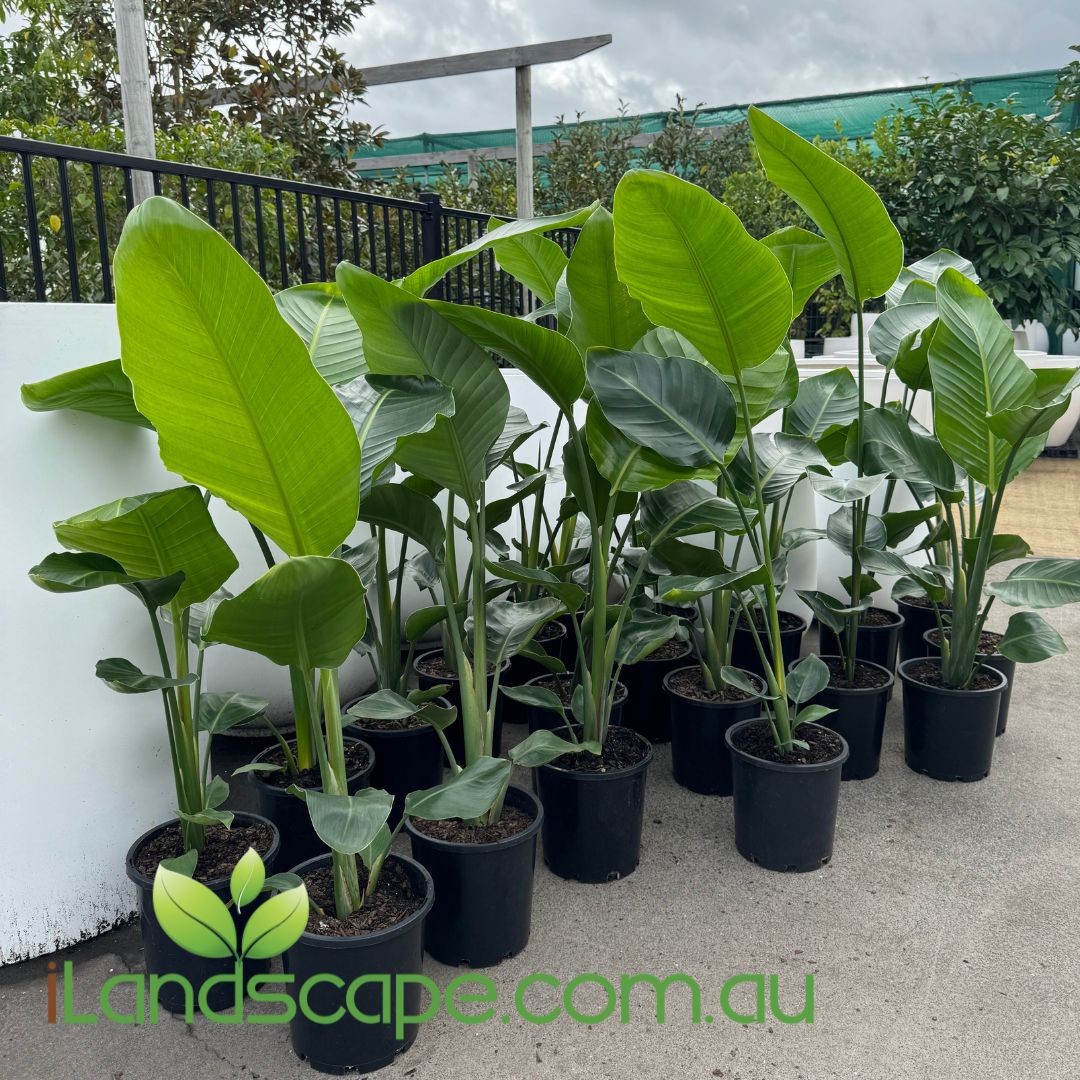
Regular price From $55.00 AUD
Regular price Sale price From $55.00 AUD
Unit price  per