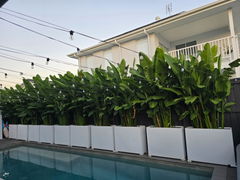
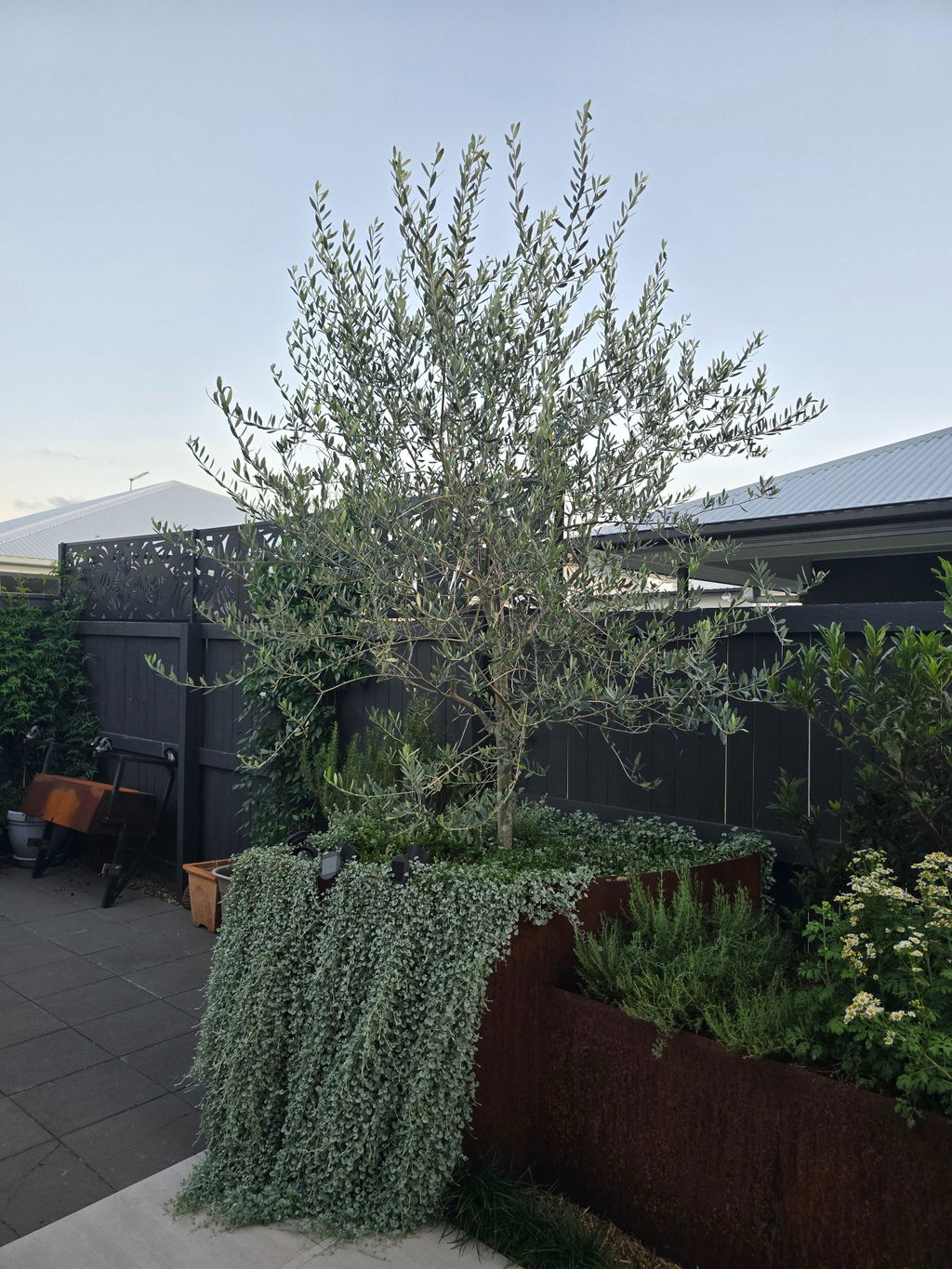
Low Growing Tropical Plants – Under 1 Metre

Low Growing Tropical Plants – Compact Plants for Lush Tropical Gardens

Create a beautiful, layered tropical garden with our range of low growing tropical plants. Ideal for gardens throughout the Sunshine Coast, Brisbane and South East Queensland, these compact plants bring lush foliage, vibrant colours and interesting textures to smaller garden spaces.

From colourful Bromeliads and compact Philodendrons to tropical ferns, ornamental gingers and smaller foliage plants, low growing tropical varieties are perfect for adding greenery without overwhelming your garden.

Whether you're planting along pathways, filling gaps beneath taller tropical plants or creating a lush courtyard garden, choosing compact varieties can help achieve an attractive, balanced landscape.

Why Choose Low Growing Tropical Plants?

Low growing tropical plants are excellent for creating depth and texture in garden designs.

Their compact growth habits make them particularly useful for planting beneath palms, Strelitzias and larger tropical foliage plants, helping create a natural, layered appearance.

Many varieties also provide attractive foliage throughout the year, bringing colour and interest to shaded garden beds and smaller outdoor spaces.

Popular Types of Low Growing Tropical Plants

Bromeliads

Compact Bromeliads, including selected Neoregelias and other smaller varieties, are excellent for adding vibrant foliage colour to tropical garden beds.

Their attractive rosette shapes and contrasting colours make them popular for borders, underplanting and decorative containers.

Compact Philodendrons

Selected smaller Philodendrons provide lush tropical foliage without requiring the space needed by larger climbing or spreading varieties.

They are particularly effective in sheltered garden beds, courtyards and decorative pots.

Tropical Ferns

Smaller Bird's Nest Ferns, compact Boston Fern varieties and other suitable tropical ferns provide soft, attractive foliage for shaded gardens.

Their contrasting leaf textures work beautifully alongside broader tropical foliage plants.

Compact Alocasias

Selected smaller Alocasias produce striking tropical leaves while maintaining a more manageable size.

They are ideal for sheltered positions where their distinctive foliage can be appreciated.

Low Growing Ornamental Gingers

Some compact ornamental gingers produce attractive foliage and colourful flowers while remaining relatively low growing.

These varieties can be useful for tropical borders, garden beds and decorative containers.

Tropical Groundcovers

Selected tropical groundcovers can help fill spaces between larger plants, soften garden edges and create attractive foliage carpets.

Choose varieties suited to the available sunlight, moisture and growing space.

Form & Size

Plants in this collection are selected for their relatively compact mature growth habits.

Many varieties grow approximately 20–60 cm tall, while larger compact varieties may reach up to approximately 1 metre.

Growth habits vary between species and cultivars, with some forming neat clumps and others spreading gradually to create attractive groundcover.

Always consider mature width as well as height, particularly when planting in narrow garden beds.

Growing Conditions

  • Position: Full sun to shade, depending on the selected variety. Many compact tropical plants prefer filtered light or part shade.

  • Soil: Fertile, well-drained soil enriched with organic matter.

  • Water: Regular watering during establishment and warmer weather.

  • Climate: Warm tropical and subtropical conditions.

  • Humidity: Many varieties prefer sheltered positions with moderate humidity.

  • Frost: Frost tolerance varies, with many tropical varieties requiring protection from cold conditions.

  • Drainage: Avoid prolonged waterlogging, particularly for compact plants grown in containers.

Uses

  • Tropical garden borders

  • Underplanting beneath palms and larger tropical plants

  • Low growing tropical garden beds

  • Shaded courtyards and entrances

  • Poolside landscaping in suitable positions

  • Decorative pots and planters

  • Tropical groundcover planting

  • Pathway and garden edging

  • Layered tropical garden designs

  • Small residential gardens

Maintenance

Apply organic mulch around plants to help retain soil moisture and reduce weed growth.

Water regularly during establishment and dry periods, particularly for varieties with higher moisture requirements.

Feed during the warmer growing months to encourage healthy foliage development.

Remove damaged or ageing leaves as required to maintain an attractive appearance.

Some spreading varieties may require occasional trimming or division to prevent overcrowding.

Choosing the Right Low Growing Tropical Plants

When selecting compact tropical plants, consider their mature height, spread, sunlight requirements and growth habits.

For shaded gardens, choose varieties that naturally thrive beneath taller plants or in filtered sunlight.

For sunnier positions, select compact tropical plants suited to stronger light and warmer conditions.

Combining plants with different foliage colours, shapes and textures can create a beautiful tropical garden without requiring large planting spaces.

For narrow garden beds and pathways, choose varieties with manageable mature dimensions to help reduce ongoing maintenance.

Buy Low Growing Tropical Plants Direct from the Grower

At Sunshine Coast Nursery & Garden Centre, we grow and source quality tropical plants for gardens and landscaping projects throughout South East Queensland.

Browse our range of low growing tropical plants online or visit our nursery in Caloundra West for friendly advice and assistance selecting suitable varieties.

We offer convenient nursery pickup and plant delivery throughout our service areas.

Planning a tropical garden? Bring your garden photographs, measurements or landscaping ideas to our nursery and take advantage of our free garden planning advice.

View

Delicate Heliconia 'Pearl' flower close-up

Heliconia psittacorum 'Pearl'

Description:Heliconia psittacorum 'Pearl' is a compact and elegant tropical plant admired for its vibrant bracts and slender, upright form. This evergreen perennial is perfect for adding color and texture to tropical and subtropical gardens. Its manageable size makes it an excellent choice for borders, container plantings, and small garden spaces. Flowers:'Pearl' produces upright inflorescences with creamy white and yellow bracts accented by delicate red and green tones. These striking blooms are both ornamental and functional, attracting pollinators such as hummingbirds and butterflies to the garden. The flowers are long-lasting and provide color throughout the warm months. Foliage:The plant features lance-shaped, glossy green leaves with smooth edges. The upright foliage forms dense clumps, offering a lush tropical aesthetic that serves as a stunning backdrop to the vibrant bracts. Form and Size:This heliconia has a compact, clumping growth habit, typically reaching a height of 1 to 1.5 meters with a spread of about 1 meter. Its neat form makes it suitable for smaller gardens and potted displays. Growing Conditions:Thriving in full sun to partial shade, Heliconia psittacorum 'Pearl' prefers rich, well-draining soil with consistent moisture. It requires warm temperatures and high humidity for optimal growth, making it ideal for tropical and subtropical regions. Regular watering and mulching are essential to maintain healthy growth. Uses:'Pearl' is versatile in the landscape, suitable for use as a feature plant, in mass plantings, or as a border in tropical-themed gardens. Its vibrant bracts make it a popular choice for cut flower arrangements, adding a tropical flair to indoor displays. Maintenance:This heliconia is relatively low-maintenance, requiring regular watering and feeding with a balanced fertilizer during the growing season. Remove spent flowers and yellowing leaves to keep the plant looking tidy. In cooler climates, protect it from frost and cold winds to ensure its longevity. Notes:Heliconia psittacorum 'Pearl' is valued for its compact size, vivid bracts, and ease of care. It thrives in warm climates and is an excellent choice for gardeners looking to add tropical elegance to their landscapes. Companion Plants:Pairs well with other tropical plants such as Cordyline, Calathea, and Philodendron. It also complements ground covers like Liriope and flowering perennials such as Anthuriums. Common Name: Pearl HeliconiaBotanical Name: Heliconia psittacorum 'Pearl'Family: HeliconiaceaeOrigin: Central and South America

Regular price $35.00 AUD
Regular price Sale price $35.00 AUD
Unit price  per 
Heliconia-daintree

Heliconia Daintree

Description:Heliconia psittacorum x spathocircinata 'Daintree', commonly known as Daintree Heliconia, is a striking tropical perennial with vibrant orange and yellow flowers and lush green foliage. This hybrid Heliconia is popular for its compact, clumping growth and vivid inflorescences, which make it a fantastic addition to tropical and subtropical gardens. Its bold color and dense habit are perfect for garden beds, borders, and container displays. Flowers:'Daintree' produces upright clusters of vivid orange bracts with contrasting yellow tips, resembling a parrot’s beak. The flowers bloom primarily in summer, with potential for year-round blooming in warm climates. These nectar-rich blooms attract hummingbirds and other pollinators, adding dynamic movement to the garden. Foliage:The plant features long, slender, lance-shaped green leaves that grow upright, forming a dense clump. The foliage has a tropical appearance, providing year-round greenery that complements the colorful inflorescences. Fruit:This variety may produce small, blue-black fruits after flowering, although they are not commonly highlighted as an ornamental feature. Form and Size:Daintree Heliconia has a clumping growth habit, typically reaching a height of 1 to 1.5 meters and a spread of around 0.5 to 1 meter. Its compact, upright form makes it suitable for smaller spaces and container planting, as well as for creating mass plantings in tropical gardens. Growing Conditions:This Heliconia thrives in full sun to partial shade and prefers well-draining, rich soil that is kept consistently moist. It performs best in warm, humid conditions and is sensitive to frost. Regular watering is essential, particularly in dry weather, to support lush growth and continuous flowering. Uses:Heliconia psittacorum x spathocircinata 'Daintree' is ideal for tropical landscapes, serving as a beautiful focal plant, border plant, or component of a mixed tropical display. Its bright inflorescences make it popular in cut flower arrangements, and it also works well as a container plant, adding tropical charm to patios and decks. Maintenance:This variety is low-maintenance but requires consistent watering to keep the soil moist. Mulching around the base helps retain moisture and suppress weeds. Fertilize during the growing season with a balanced fertilizer to encourage vigorous growth and abundant blooms. Remove spent flowers to maintain a tidy appearance and promote new flowering. Notes:Daintree Heliconia is prized for its compact form, continuous blooming potential, and vibrant flower colors. Its adaptability to containers and garden beds makes it a versatile option for tropical and subtropical landscapes. Companion Plants:Pairs well with other tropical plants such as Canna, Alocasia, and Cordyline, as well as ferns and ornamental gingers for a lush, layered effect. Common Name: Daintree HeliconiaBotanical Name: Heliconia psittacorum x spathocircinata 'Daintree'Family: HeliconiaceaeOrigin: Hybrid cultivar

Regular price $40.00 AUD
Regular price Sale price $40.00 AUD
Unit price  per 
A close-up image of a Heliconia psittacorum Fuchsia plant with vibrant pink and green foliage and fuchsia-colored flowers.

Heliconia psittacorum Fuchsia

Description:Heliconia psittacorum 'Fuchsia', commonly known as Fuchsia Parrot's Beak, is a tropical evergreen perennial admired for its vibrant fuchsia-colored inflorescences and lush green foliage. This compact Heliconia adds a bold splash of color to tropical gardens, borders, and container plantings. Its striking flowers and ease of growth make it a popular choice for warm, humid climates, bringing an exotic flair to any landscape. Flowers:'Fuchsia' produces bright, fuchsia-pink bracts with contrasting yellow and orange tones, resembling a parrot's beak. The blooms appear primarily in summer and can continue throughout the year in optimal conditions. These vibrant flowers attract hummingbirds and other pollinators, adding life and movement to the garden. Foliage:The plant features slender, lance-shaped green leaves that grow upright, forming a dense clump. The lush foliage provides a tropical backdrop for the vivid flowers and remains attractive year-round in suitable climates. Fruit:This variety may produce small, blue-black fruits after flowering, although they are not a significant ornamental feature and are seldom seen. Form and Size:Heliconia psittacorum 'Fuchsia' has a clumping growth habit, typically reaching a height of 1 to 1.5 meters and a spread of 0.5 to 1 meter. Its compact size makes it suitable for smaller gardens, borders, and container plantings. Growing Conditions:This plant thrives in full sun to partial shade and prefers rich, well-draining soil kept consistently moist. It is best suited to warm, humid environments and is sensitive to frost. Regular watering is essential to maintain lush growth and support continuous flowering. Uses:'Fuchsia' is versatile in tropical landscaping, ideal for use in garden beds, borders, and as a feature in mixed tropical plantings. Its vibrant flowers make it a popular choice for cut flower arrangements. It also performs well in containers, adding a tropical touch to patios and decks. Maintenance:This variety is relatively low-maintenance but requires regular watering to keep the soil moist. Mulching helps retain soil moisture and suppress weeds. Fertilize during the growing season with a balanced fertilizer to promote healthy growth and abundant blooms. Remove spent flower stalks to encourage new flowering. Notes:Heliconia psittacorum 'Fuchsia' is valued for its vivid, showy flowers and ease of cultivation in suitable climates. It brings a bold, tropical look to gardens and is a favorite among gardeners in warm regions. Companion Plants:Pairs well with other tropical plants such as Cordyline, Alocasia, and Canna. It also complements ferns and ornamental gingers, enhancing the lush, tropical aesthetic. Common Name: Fuchsia Parrot's BeakBotanical Name: Heliconia psittacorum 'Fuchsia'Family: HeliconiaceaeOrigin: Tropical Americas

Regular price $40.00 AUD
Regular price Sale price $40.00 AUD
Unit price  per 
Alpinia zerumbet variegata with lush green and yellow striped foliage in a tropical garden setting

Alpinia zerumbet variegata

Description:Alpinia zerumbet variegata, commonly known as Variegated Shell Ginger, is a striking evergreen perennial known for its large, bold, variegated leaves and tropical appearance. This versatile plant is ideal for adding a lush, tropical feel to gardens and landscapes. The bright green leaves are boldly striped with creamy yellow, making this plant a standout feature in both garden beds and containers. It is highly valued for its ornamental foliage, though it also produces attractive flowers under ideal conditions. Flowers:Alpinia zerumbet variegata produces drooping clusters of fragrant, shell-shaped white and pink flowers in spring and summer, though it is primarily grown for its foliage. The flowers add additional ornamental interest, especially when paired with the bold variegated leaves. The blooms are followed by small, inedible fruit capsules. Foliage:The large, lance-shaped leaves are the plant's most striking feature, with vivid green and creamy yellow variegation. The foliage is lush, bold, and tropical, adding texture and color to the garden year-round. The leaves grow up to 60 cm long, creating a dramatic presence in the landscape. Fruit:Small, round, inedible fruit capsules may form after flowering, but they are not significant ornamental features. Form and Size:Alpinia zerumbet variegata is a clump-forming perennial that typically grows to 1.5–2 meters in height and 1–1.5 meters in width. Its upright, arching growth habit and large, striking leaves make it perfect for use as a feature plant or backdrop in tropical-themed gardens. Growing Conditions:This plant thrives in part shade to full sun but performs best in bright, indirect light or filtered sun. It prefers well-drained, fertile soils and benefits from regular watering, especially during dry periods. It is frost-sensitive, making it ideal for subtropical and tropical climates. In cooler regions, it can be grown in containers and moved indoors during winter. Mulching helps retain moisture and protect the roots in colder areas. Uses:Alpinia zerumbet variegata is ideal for use as a feature plant in tropical or subtropical garden designs, where its bold variegated foliage can be fully appreciated. It works well as a border plant, in mixed garden beds, or in large containers. Its lush, tropical appearance makes it perfect for adding texture and color to shady or sheltered garden areas. Maintenance:This plant is relatively low-maintenance. Remove spent flower spikes and any damaged or dead foliage to maintain its appearance. Regular watering is essential during dry periods, but avoid waterlogging the soil. Apply a balanced, slow-release fertilizer in spring to promote healthy growth. In frost-prone areas, protect the plant by mulching heavily or growing it in containers to move indoors. Notes:Alpinia zerumbet variegata is primarily grown for its showy, variegated foliage rather than its flowers. It is an excellent plant for creating a tropical ambiance in gardens and patios, and it can be used as an indoor plant in colder regions. Companion Plants:Pairs well with other tropical plants like Cordyline, Heliconia, and Strelitzia. It also contrasts beautifully with smaller, finer-textured plants such as ferns and ornamental grasses, or with bold, flowering plants like Hibiscus and Canna. Common Name: Variegated Shell GingerBotanical Name: Alpinia zerumbet variegataFamily: ZingiberaceaeOrigin: Tropical Asia

Regular price $27.50 AUD
Regular price Sale price $27.50 AUD
Unit price  per 
Cordyline fruticosa Early Morning Diamond – Cordyline Early Morning Diamond leaf plant sunshine coast nursery

Cordyline fruticosa Early Morning Diamond

Cordyline fruticosa 'Early Morning Diamond' Description: Cordyline fruticosa 'Early Morning Diamond', commonly known as Ti Plant, is a striking tropical plant known for its vibrant, multicolored foliage. This variety, 'Early Morning Diamond', features beautiful leaves with shades of green, cream, pink, and red, adding a dramatic touch to any garden or indoor space. Flowers: The flowers of Cordyline fruticosa 'Early Morning Diamond' are small and inconspicuous, typically appearing in clusters on tall flower spikes. The flowers are usually pink or lavender and are followed by small, red or purple berries. While the flowers are a nice addition, the plant is primarily grown for its stunning foliage. Foliage: The foliage of 'Early Morning Diamond' is the main attraction. The long, lance-shaped leaves are vividly colored with a mix of green, cream, pink, and red. The variegation and vibrant colors create a striking display, making this plant a focal point in any setting. The leaves grow in a rosette pattern, adding to the plant's lush, tropical appearance. Form and Size: Cordyline fruticosa 'Early Morning Diamond' has an upright, clumping growth habit, typically reaching up to 1-1.5 meters (3-5 feet) in height and 60-90 cm (24-36 inches) in spread. Its bold, colorful foliage and vertical form make it an excellent choice for adding height and interest to garden beds and indoor plant collections. Growing Conditions: Light: Prefers bright, indirect light to partial shade. It can tolerate some direct sunlight but performs best in filtered light conditions. Soil: Well-draining, fertile soil rich in organic matter. A slightly acidic to neutral pH is ideal. Water: Keep the soil consistently moist but not waterlogged. Ensure good drainage to prevent root rot. Reduce watering during the winter months. Temperature: Thrives in warm, tropical to subtropical climates. Ideal temperatures are between 18-29°C (65-85°F). Protect from frost and cold temperatures. Humidity: Prefers high humidity levels. Regular misting or placement near a humidity tray can help maintain the necessary moisture in the air. Uses: Cordyline fruticosa 'Early Morning Diamond' is primarily grown for its ornamental value. It makes a stunning focal point in garden beds, borders, and large containers. The plant's colorful foliage creates a tropical feel, making it ideal for themed gardens and landscapes. It also makes a striking indoor plant, adding a splash of color to living rooms, offices, and other indoor spaces. Maintenance: This plant requires moderate maintenance. Regular watering and fertilization during the growing season will promote healthy growth. Prune away any dead or damaged leaves to maintain its appearance. Repot every 2-3 years to refresh the soil and provide more space for growth. Notes: Cordyline fruticosa 'Early Morning Diamond' is non-toxic and safe to grow around pets and children. It is relatively pest-resistant but may occasionally attract spider mites or scale insects, which can be treated with appropriate insecticides. Companion Plants: Cordyline fruticosa 'Early Morning Diamond' pairs well with other tropical and subtropical plants that have similar growing requirements, such as: Heliconia species Alpinia species (Ornamental Gingers) Philodendron species Bromeliads Common Name: Ti Plant Botanical Name: Cordyline fruticosa 'Early Morning Diamond' Family: Asparagaceae Origin: Native to Southeast Asia and the Pacific Islands, cultivated as a popular ornamental plant variety

Regular price $20.00 AUD
Regular price Sale price $20.00 AUD
Unit price  per 
Cordyline fruticosa 'John Klass' – Cordyline John Klass plant sunshine coast nursery

Cordyline fruticosa 'John Klass'

Description Cordyline fruticosa 'John Klass', commonly known as John Klass Ti Plant, is a vibrant and striking evergreen shrub known for its colorful foliage. This plant adds a dramatic touch to any garden or indoor space with its vivid, variegated leaves. Flowers John Klass Ti Plant produces small, fragrant, star-shaped flowers that are typically white to pale pink. These flowers bloom in clusters on long panicles, usually during the summer months. The flowers are followed by small, red berries. Foliage The foliage of Cordyline 'John Klass' is its most notable feature. The leaves are long, lance-shaped, and can reach up to 60 cm in length. They are vividly variegated with shades of green, pink, red, and burgundy, creating a stunning visual display. The leaves grow in a spiral arrangement from the top of the stems. Form and Size John Klass Ti Plant typically grows to a height of 1-2 meters with a spread of 1-1.5 meters. It has an upright, clumping habit and forms a slender trunk over time. Its bold, colorful leaves and architectural form make it an excellent focal point in any garden or indoor setting. Growing Conditions Soil: Prefers well-drained, fertile soils rich in organic matter. It can tolerate a range of soil types but thrives in moist, loamy conditions. Sunlight: Grows best in partial shade to full shade. It can tolerate full sun in cooler climates but benefits from protection from the hot afternoon sun in warmer regions to prevent leaf scorch. Water: Requires regular watering to keep the soil consistently moist. It performs best with consistent moisture, especially during dry periods. Climate: Suitable for warm, temperate, and subtropical climates. It can tolerate light frosts but should be protected from severe cold. Uses Feature Plant: Ideal as a feature plant in garden beds, borders, or indoor spaces, providing vibrant color and a tropical appearance. Containers: Can be grown in pots and containers, making it a versatile choice for patios, balconies, and indoor settings. Understory Planting: Suitable for planting under taller trees where it can thrive in filtered light and add lush foliage to the lower canopy. Mixed Borders: Works well in mixed borders to add color contrast and texture. Maintenance Pruning: Minimal pruning required. Remove any dead or damaged leaves to maintain appearance. Prune to shape if necessary. Fertilizing: Benefits from regular applications of a balanced, slow-release fertilizer during the growing season. Pest and Disease: Generally pest-resistant but can be susceptible to aphids, scale insects, and spider mites. Monitor regularly and treat as needed. Notes Cordyline 'John Klass' is a hardy and low-maintenance plant that adds a splash of color and a tropical touch to any garden or indoor space. Its vibrant foliage and architectural form make it a popular choice among gardeners and interior designers. Companion Plants Calathea spp. (Prayer Plant) Codiaeum variegatum (Croton) Alocasia spp. (Elephant Ear) Neoregelia spp. (Bromeliad) Common Name John Klass Ti Plant Botanical Name Cordyline fruticosa 'John Klass' Family Asparagaceae Origin Native to Southeast Asia and the Pacific Islands, Cordyline fruticosa 'John Klass' has been cultivated widely for its ornamental value and vibrant foliage, making it a popular choice in gardens and indoor plantings around the world.

Regular price $15.00 AUD
Regular price Sale price $15.00 AUD
Unit price  per 
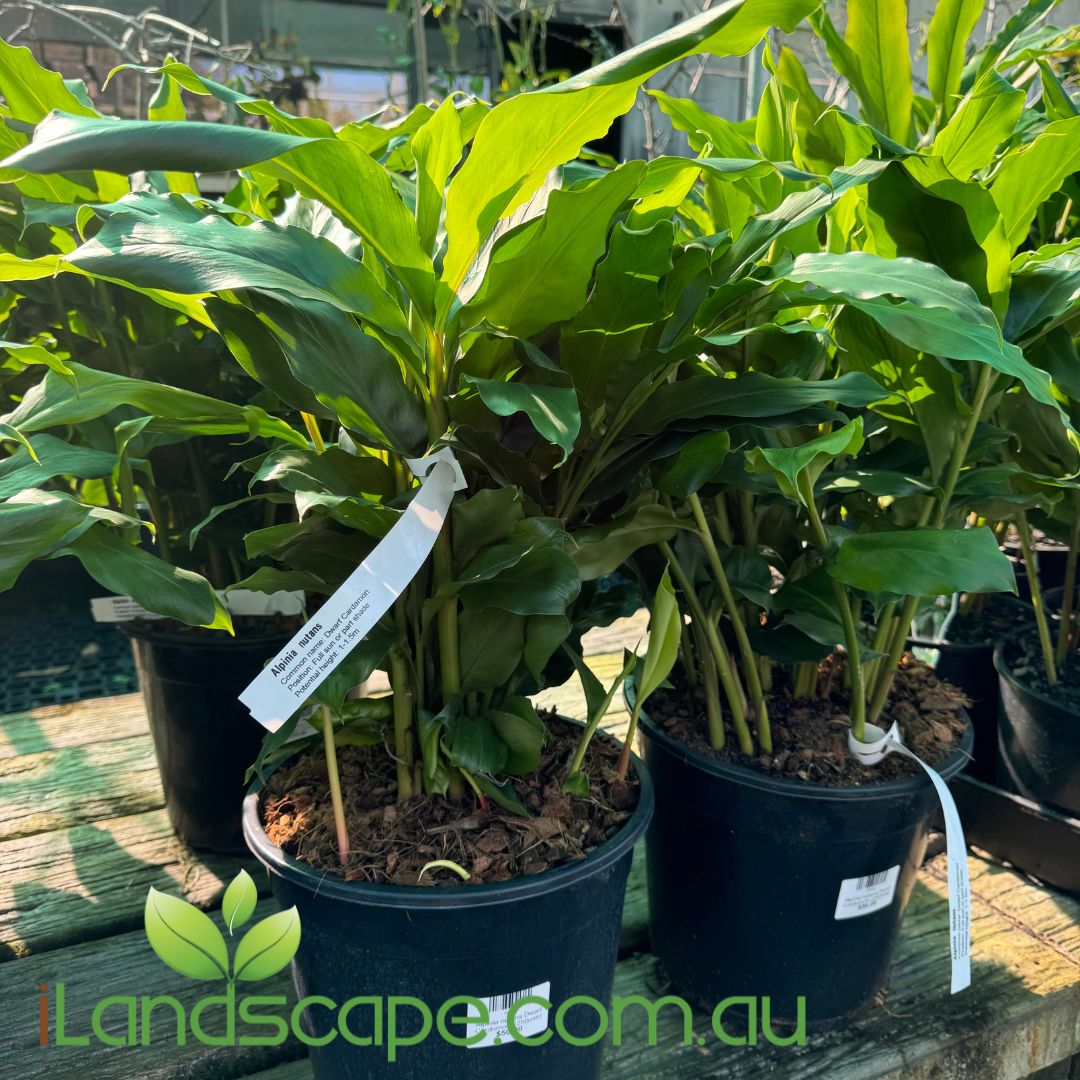
Potted plants of Alpinia nutans Dwarf Cardomom with lush green foliage, arranged on a shelf.

Alpinia nutans Dwarf Cardomom

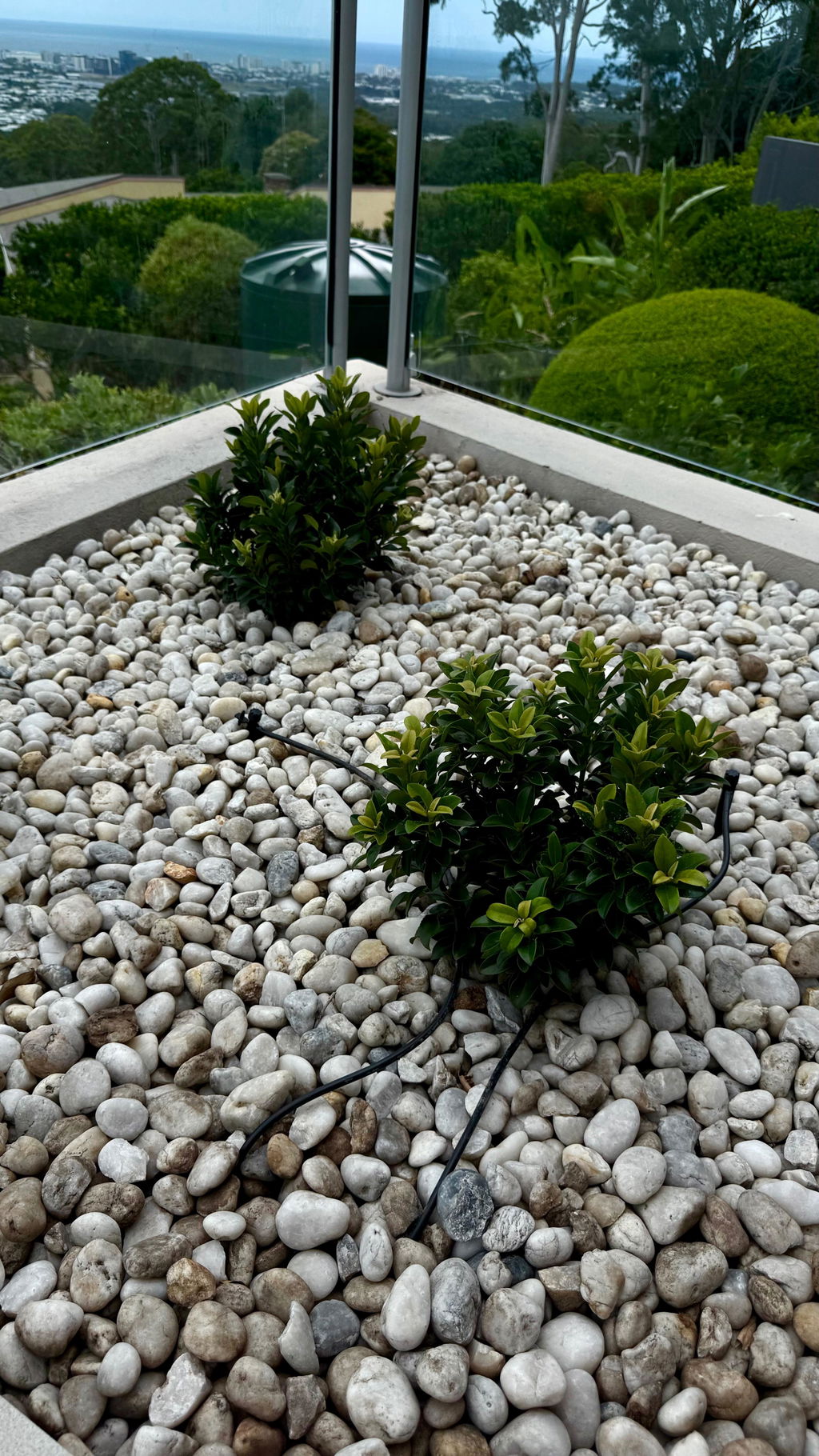
Alpinia nutans, commonly known as Dwarf Cardamom or Dwarf False Cardamom, is an attractive, evergreen, clumping ginger grown for its lush tropical foliage and distinctive spicy fragrance. Its glossy green leaves release a pleasant cardamom-like scent when brushed or crushed, making it an excellent choice for tropical gardens, shaded borders, mass plantings and sensory gardens. With its dense, upright growth habit and relatively compact size, Dwarf Cardamom is particularly well suited to Sunshine Coast gardens, providing year-round greenery with minimal maintenance. Flowers Produces delicate, creamy-white, shell-like flowers, sometimes displaying subtle yellow or coloured markings. Flowering generally occurs during spring and summer, particularly in warm, humid conditions. Flowers are secondary to the plant's attractive aromatic foliage. Foliage Features lush, glossy, lance-shaped green leaves arranged along upright stems. The foliage remains evergreen in suitable climates and releases a distinctive spicy, cardamom-like fragrance when rubbed or crushed. Fruit Small seed capsules may develop following flowering, although fruit production is generally insignificant in ornamental garden settings. Dwarf Cardamom is primarily grown for its foliage rather than its fruit. Form & Size Height: Approximately 1–1.5 metres Width: Approximately 0.6–1 metre Growth Habit: Dense, upright, rhizomatous clumping perennial Growth Rate: Moderate to fast under favourable growing conditions Plants gradually spread through underground rhizomes, forming attractive, dense clumps without the aggressive running habit of some other tropical plants. Growing Conditions Sunlight: Prefers partial shade or filtered sunlight. Can tolerate full sun when adequate moisture is available, although protection from intense afternoon sun is beneficial in warmer climates. Soil: Thrives in fertile, well-drained soil enriched with organic matter. Mulching helps retain moisture and supports healthy growth. Water: Moderate to regular watering, particularly during establishment and dry weather. Prefers consistently moist soil but should not remain waterlogged. Frost: Tolerates brief periods of cool weather but may suffer foliage damage during significant frost. Best grown in protected positions in frost-prone areas. Wind: Prefers sheltered locations. Protection from strong, drying winds helps maintain attractive foliage. Climate: Particularly suited to tropical and subtropical climates, including the Sunshine Coast and South East Queensland. Uses Tropical Gardens: Creates lush greenery beneath palms and larger tropical plants. Mass Planting: Excellent for creating dense, attractive garden beds and understory plantings. Borders and Edging: Provides a soft, tropical border along pathways and garden edges. Low Screening: Suitable for informal, low-growing screening and separating garden areas. Containers: Grows well in large pots and decorative containers with adequate moisture. Sensory Gardens: Aromatic foliage adds fragrance and interest to garden spaces. Courtyards: Ideal for sheltered courtyards and smaller tropical garden designs. Maintenance Dwarf Cardamom is relatively low maintenance once established. Remove older, damaged or yellowing leaves as required to maintain a neat appearance. Apply a balanced slow-release fertiliser during spring and summer to encourage healthy foliage growth. Maintain a layer of organic mulch around the base to conserve moisture and improve soil conditions. Established clumps can be divided when necessary to control their size or produce additional plants. Notes Dwarf Cardamom is valued primarily for its aromatic foliage rather than culinary cardamom pods. It should not be confused with true cardamom (Elettaria cardamomum), the species commercially cultivated for its spice. The name Alpinia nutans is widely used in Australian horticulture for Dwarf Cardamom, although botanical references also associate this name with Alpinia zerumbet. The compact nursery plant is best distinguished from larger shell ginger forms by its mature size and growth habit. Companion Plants Philodendron Xanadu: Contrasting tropical foliage and compact growth. Alocasia: Bold foliage for sheltered tropical garden beds. Cordyline: Adds colourful foliage contrast. Liriope Evergreen Giant: Provides lower-growing foliage beneath established clumps. Heliconia: Creates a layered tropical planting arrangement. Bird's Nest Fern: Complements shaded tropical gardens. Common Name: Dwarf Cardamom, Dwarf False Cardamom, Cinnamon Ginger Botanical Name: Alpinia nutans (horticultural trade name) Family: Zingiberaceae Origin: Southeast Asia (associated species group)
Regular price $27.50 AUD
Regular price Sale price $27.50 AUD
Unit price  per 
Ligularia reniformis Tractor Seat Plant featuring large glossy green rounded leaves, ideal for shaded tropical gardens on the Sunshine Coast.

Ligularia reniformis - Tractor Seat Plant

Ligularia reniformis, commonly known as the Tractor Seat Plant, is a striking evergreen perennial prized for its large, glossy, kidney-shaped leaves that resemble the seat of an old-fashioned tractor. Its bold, tropical-looking foliage creates a lush, architectural feature in shaded gardens, making it an excellent choice for subtropical landscapes, tropical gardens and sheltered outdoor spaces. Growing in attractive, rounded clumps, the Tractor Seat Plant adds texture, depth and vibrant greenery to garden beds, shaded borders and large decorative pots. Well suited to Sunshine Coast gardens, it thrives in protected positions with consistent moisture and shelter from harsh afternoon sunlight. Flowers Bright yellow, daisy-like flowers appear on upright stems above the foliage, generally from late summer into autumn. Although attractive, the flowers are secondary to the plant's impressive foliage, which provides year-round interest in warmer climates. Foliage The standout feature of Ligularia reniformis is its large, rounded to kidney-shaped leaves, which can reach approximately 30–45 cm across in favourable growing conditions. The foliage is deep green, glossy and leathery, creating a bold tropical appearance. The leaves emerge on long, sturdy stalks, forming a dense mound of dramatic foliage. In warm, sheltered climates, the plant generally remains evergreen, although cold conditions or frost may cause seasonal leaf damage or dieback. Fruit Following flowering, small, dry seed-bearing fruits may develop. These are inconspicuous and have little ornamental significance. Form & Size Height: Approximately 0.8–1.0 m Width: Approximately 0.8–1.2 m Growth Habit: Clump-forming, rounded perennial Growth Rate: Moderate Foliage: Evergreen in warm climates Mature dimensions can vary depending on growing conditions, moisture availability and the particular form being grown. Growing Conditions Sunlight: Prefers partial shade to full shade. Morning sunlight is generally tolerated, but protection from harsh afternoon sun is important to prevent leaf scorching. Soil: Grows best in fertile, organically enriched, moist but well-drained soil. Incorporating compost before planting will help improve moisture retention and soil structure. Water: Requires regular watering to maintain consistently moist soil, particularly during hot or dry weather. Avoid allowing the root zone to dry out completely. Frost: Sensitive to heavy frost. In cooler climates, foliage may die back during winter before new growth emerges in spring. Wind: Prefers sheltered locations protected from strong, drying winds that may damage the large leaves. Climate: Well suited to subtropical and warm temperate climates, including the Sunshine Coast, when planted in a shaded, moisture-retentive position. Uses Tropical and subtropical garden designs Shaded garden beds and borders Feature planting beneath trees and larger shrubs Large decorative pots and containers Poolside landscaping in sheltered positions Mass planting for bold foliage displays Courtyards and shaded outdoor entertaining areas Planting alongside ponds and water features Maintenance Ligularia reniformis is relatively low maintenance when grown in suitable conditions. Water regularly during warmer months to prevent the large leaves from wilting. Apply organic mulch around the base to conserve soil moisture and maintain a cool root environment. Feed with a balanced slow-release fertiliser during spring to encourage healthy foliage growth. Remove damaged, yellowing or ageing leaves as required, along with spent flower stems. Monitor for snails and slugs, which may damage the broad leaves, particularly during wet or humid weather. Established clumps can be divided when necessary to rejuvenate plants or create additional plantings. Notes The Tractor Seat Plant is an excellent choice for adding a lush, tropical appearance to shaded areas where many flowering plants struggle. Its distinctive foliage creates a strong visual contrast when planted alongside fine-leaved ferns, strappy foliage plants and other shade-loving tropical species. For Sunshine Coast gardens, positioning the plant where it receives filtered light, protection from afternoon heat and reliable moisture will help maintain its large, glossy leaves throughout the year. Botanical Naming: The name Ligularia reniformis is widely used in the Australian nursery trade. However, botanical naming is inconsistent, and many plants sold under this name are forms of Farfugium japonicum, particularly the large-leaved form often called 'Giganteum'. The name Ligularia reniformis is also associated with Cremanthodium reniforme in botanical references. Identification of the exact plant is recommended before changing its botanical name. Companion Plants Philodendron Xanadu Alocasia varieties Asplenium australasicum (Bird's Nest Fern) Aspidistra elatior (Cast Iron Plant) Liriope muscari Clivia miniata Farfugium japonicum varieties Spathiphyllum varieties Blechnum gibbum (Silver Lady Fern) Common Name: Tractor Seat Plant Botanical Name: Ligularia reniformis (trade name; commonly associated with Farfugium japonicum) Family: Asteraceae Origin: East Asia, particularly Japan (Farfugium japonicum)
Regular price $32.50 AUD
Regular price Sale price $32.50 AUD
Unit price  per 
Cordyline 'Firestorm' – Cordyline firestorm plant leaf sunshine coast nursery

Cordyline 'Firestorm'

Description: Cordyline 'Firestorm', commonly known as the Firestorm Ti Plant, is a stunning evergreen shrub known for its vibrant and fiery foliage. The leaves are long, lance-shaped, and display a striking mix of red, burgundy, and dark green hues, creating a dramatic and eye-catching appearance. This hybrid variety is specifically bred for its intense coloration and ornamental appeal. Flowers: The Firestorm Ti Plant produces small, inconspicuous flowers that are usually white or pale lavender. These flowers appear in loose panicles and may bloom during the warmer months. However, the plant is primarily grown for its decorative foliage rather than its flowers. Foliage: The foliage of Cordyline 'Firestorm' is its most attractive feature. The leaves are long, narrow, and arch gracefully, reaching up to 30-60 cm in length. Each leaf is a vibrant blend of red, burgundy, and dark green, with the colors intensifying in brighter light. This dramatic foliage provides year-round interest and makes a bold statement in any setting. Fruit: The plant may produce small, red berries following the flowering period, but these are not commonly seen and are not the main feature of the plant. Form and Size: Cordyline 'Firestorm' has an upright, clumping growth habit. It typically reaches a height of 90-150 cm and a spread of 60-90 cm, making it suitable for container growing, garden beds, and as an accent plant in landscapes. Growing Conditions: Light: Prefers bright, indirect light but can tolerate some direct sunlight, which enhances the color of the leaves. It can also adapt to lower light conditions but with reduced leaf color intensity. Soil: Thrives in well-draining, fertile soil with high organic matter content. A peat-based potting mix is suitable for container growth. Water: Keep the soil consistently moist but not waterlogged. Water regularly, allowing the top inch of soil to dry out slightly between waterings. Temperature: Prefers warm, tropical conditions with temperatures between 18-29°C. It is not frost-tolerant and should be protected from cold drafts and temperatures below 10°C. Humidity: Enjoys high humidity but can adapt to average indoor humidity levels. Regular misting or using a humidity tray can help maintain the required humidity. Uses: Cordyline 'Firestorm' is primarily used as an ornamental plant. It is ideal for adding color and texture to tropical and subtropical gardens, patio containers, and indoor plant displays. Its vibrant foliage makes it a popular choice for accent planting, mixed borders, and as a focal point in garden designs. Maintenance: The Firestorm Ti Plant is relatively low-maintenance. Regularly remove any dead or damaged leaves to maintain its neat appearance. Fertilize monthly during the growing season with a balanced, water-soluble fertilizer diluted to half strength. Prune back any leggy stems to encourage bushier growth. Notes: Cordyline 'Firestorm' is mildly toxic if ingested, so keep it out of reach of pets and children. Overwatering can lead to root rot, so ensure good drainage and avoid letting the plant sit in water. Companion Plants: Pairs well with other tropical plants such as Croton, Hibiscus, and Bird of Paradise. It can also be combined with ferns, Caladium, and colorful foliage plants like Coleus to create a lush, vibrant garden display. Cordyline 'Firestorm' Common Name: Firestorm Ti Plant Botanical Name: Cordyline 'Firestorm' Family: Asparagaceae Origin: Hybrid; cultivated for ornamental use

Regular price $30.00 AUD
Regular price Sale price $30.00 AUD
Unit price  per 
Cordyline fruticosa Kiwi – CordylinekiwiSunshineCoastNurseryPlants 1

Cordyline fruticosa Kiwi

Description: Cordyline fruticosa 'Kiwi', commonly known as Kiwi Ti Plant, is a vibrant and colorful evergreen shrub known for its striking foliage. The leaves are long, lance-shaped, and display a beautiful mix of green, pink, red, and cream, creating a tropical and exotic look. This plant is often used to add a splash of color to gardens, landscapes, and indoor spaces. Flowers: The Kiwi Ti Plant produces small, inconspicuous flowers that are typically white or pale lavender. The flowers are arranged in loose panicles and may occasionally appear during the warmer months. However, the plant is primarily grown for its decorative foliage rather than its flowers. Foliage: The foliage of Cordyline fruticosa 'Kiwi' is its most attractive feature. The leaves are long, narrow, and arch gracefully, reaching up to 30-60 cm in length. Each leaf is a stunning blend of green with variegated stripes of pink, red, and cream, which can intensify with more sunlight. The colorful foliage provides year-round interest and makes a bold statement in any setting. Fruit: The plant may produce small, red berries following the flowering period, but these are not commonly seen and are not the main feature of the plant. Form and Size: Cordyline fruticosa 'Kiwi' has an upright, clumping growth habit. It typically reaches a height of 90-120 cm and a spread of 60-90 cm, making it suitable for container growing, garden beds, and as an accent plant in landscapes. Growing Conditions: Light: Prefers bright, indirect light but can tolerate some direct sunlight, which enhances the color of the leaves. It can also adapt to lower light conditions but with reduced variegation intensity. Soil: Thrives in well-draining, fertile soil with high organic matter content. A peat-based potting mix is suitable for container growth. Water: Keep the soil consistently moist but not waterlogged. Water regularly, allowing the top inch of soil to dry out slightly between waterings. Temperature: Prefers warm, tropical conditions with temperatures between 18-29°C. It is not frost-tolerant and should be protected from cold drafts and temperatures below 10°C. Humidity: Enjoys high humidity but can adapt to average indoor humidity levels. Regular misting or using a humidity tray can help maintain the required humidity. Uses: Cordyline fruticosa 'Kiwi' is primarily used as an ornamental plant. It is ideal for adding color and texture to tropical and subtropical gardens, patio containers, and indoor plant displays. Its vibrant foliage makes it a popular choice for accent planting, mixed borders, and as a focal point in garden designs. Maintenance: The Kiwi Ti Plant is relatively low-maintenance. Regularly remove any dead or damaged leaves to maintain its neat appearance. Fertilize monthly during the growing season with a balanced, water-soluble fertilizer diluted to half strength. Prune back any leggy stems to encourage bushier growth. Notes: Cordyline fruticosa 'Kiwi' is mildly toxic if ingested, so keep it out of reach of pets and children. Overwatering can lead to root rot, so ensure good drainage and avoid letting the plant sit in water. Companion Plants: Pairs well with other tropical plants such as Croton, Hibiscus, and Bird of Paradise. It can also be combined with ferns, Caladium, and colorful foliage plants like Coleus to create a lush, vibrant garden display. Cordyline fruticosa 'Kiwi' Common Name: Kiwi Ti Plant Botanical Name: Cordyline fruticosa 'Kiwi' Family: Asparagaceae Origin: Tropical regions of Southeast Asia and the Pacific Islands

Regular price $30.00 AUD
Regular price Sale price $30.00 AUD
Unit price  per 
philodendron Xanadu sunshine coast plants

Philodendron Xanadu

Description Philodendron Xanadu is a tropical, evergreen perennial known for its lush, deeply lobed leaves and compact growth habit. It forms a dense clump of foliage, creating a dramatic and exotic appearance in gardens or indoor spaces. Flowers Philodendron Xanadu produces small, inconspicuous flowers that are typically greenish-white and appear on a spadix surrounded by a spathe. However, it is primarily grown for its ornamental foliage rather than its flowers. Foliage The leaves are glossy, dark green, and deeply lobed, creating a striking visual texture. Each leaf can grow up to 40 cm long and 30 cm wide, forming a dense, bushy clump. The foliage remains attractive year-round. Fruit Philodendron Xanadu rarely produces fruit in cultivation. When it does, the fruit is a small, fleshy berry that is not significant for ornamental purposes. Form and Size Philodendron Xanadu typically grows to a height of 1.0-1.5 meters with a spread of 1.0-2.0 meters. It has a clumping growth habit, forming a dense mound of foliage that spreads outwards. Growing Conditions Soil: Prefers well-drained, rich, organic soil. Can tolerate a range of soil types but thrives in moist, fertile conditions. Sunlight: Grows best in partial shade to full shade. Can tolerate some morning sun but should be protected from harsh afternoon sun. Water: Requires regular watering to keep the soil consistently moist but not waterlogged. More frequent watering is needed during dry periods. Climate: Suitable for tropical and subtropical climates. It is frost-sensitive and should be protected from cold temperatures. Uses Landscaping: Ideal for tropical-themed gardens, borders, and as a groundcover. Also suitable for containers and indoor plantings. Indoor Plant: Thrives as a houseplant in bright, indirect light. Adds a touch of tropical elegance to interior spaces. Ornamental: The lush, exotic foliage provides year-round visual interest and enhances garden aesthetics. Maintenance Pruning: Minimal pruning required. Remove any dead or damaged leaves to maintain appearance. Fertilizing: Benefits from regular applications of a balanced, slow-release fertilizer during the growing season. Pest and Disease: Generally pest-resistant but can be susceptible to aphids, spider mites, and mealybugs. Ensure good air circulation to minimize disease risk. Notes Philodendron Xanadu is a low-maintenance plant that adds a touch of the tropics to any garden or indoor space. Its attractive foliage and compact growth habit make it a popular choice for both novice and experienced gardeners. Companion Plants Spathiphyllum spp. (Peace Lily) Calathea spp. (Calathea) Alocasia spp. (Elephant Ear) Asplenium nidus (Bird's Nest Fern) Common Name Philodendron Xanadu Botanical Name Thaumatophyllum xanadu (formerly known as Philodendron xanadu) Family Araceae Origin Native to Brazil

Regular price $25.00 AUD
Regular price Sale price $25.00 AUD
Unit price  per 
Star Jasmine Tri Colour – Tracjasminetricolour plant nursery sunshine coast

Star Jasmine Tri Colour

Description:Trachelospermum jasminoides 'Tricolour', commonly known as Tricolour Star Jasmine, is an evergreen climber prized for its variegated foliage and fragrant white flowers. Its compact, twining growth habit and striking, multi-colored leaves make it ideal for adding year-round interest to gardens and landscapes. This versatile plant can be used as ground cover, in containers, or trained along trellises and fences. Flowers:In spring and summer, 'Tricolour' produces clusters of small, star-shaped white flowers with a delightful fragrance. The blooms attract pollinators and add a sensory element to the garden, making it a great choice for outdoor living spaces. Foliage:The plant features glossy, oval leaves with a striking variegation of deep green, cream, and pink. New growth often emerges with a pinkish tint, maturing to a mix of green and cream, providing a dynamic and colorful display throughout the year. Fruit:'Tricolour' is not known for notable fruit production, as its ornamental value lies primarily in its foliage and flowers. Form and Size:This variety has a twining growth habit, capable of reaching heights of 2 to 3 meters when supported and spreading up to 1.5 meters wide. Its dense foliage makes it suitable for creating lush coverage over structures or as a ground cover. Growing Conditions:'Tricolour' thrives in full sun to partial shade and prefers well-draining soil. It is adaptable to various soil types and demonstrates moderate drought tolerance once established. In cooler climates, it benefits from protection against frost. Uses:This plant is versatile in landscaping, suitable for use as a climber on trellises, walls, or fences, as well as a ground cover or container plant. Its fragrant flowers and attractive foliage make it an excellent choice for sensory gardens and outdoor living areas. Maintenance:This variety requires minimal maintenance. Pruning after flowering helps maintain its shape and encourages bushier growth. Applying a balanced, slow-release fertilizer in spring promotes healthy foliage and abundant blooms. Notes:'Tricolour' is less vigorous than the standard Star Jasmine, making it more manageable in smaller garden spaces. Its variegated foliage adds visual interest even when not in bloom. Companion Plants:Pairs well with other climbers like Clematis or Hardenbergia and complements shrubs such as Lavandula (Lavender) or Rosa (Roses), enhancing the aesthetic appeal of garden designs. Common Name: Tricolour Star JasmineBotanical Name: Trachelospermum jasminoides 'Tricolour'Family: ApocynaceaeOrigin: East Asia

Regular price $15.00 AUD
Regular price Sale price $15.00 AUD
Unit price  per 
Strelitzia reginae plant nursery sunshine coast

Strelitzia Reginae

Description Strelitzia reginae, commonly known as the Bird of Paradise or Crane Flower, is a striking perennial plant renowned for its unique and vibrant flowers that resemble the head of a bird. This plant adds a tropical touch to any garden or indoor space with its lush foliage and dramatic blooms. Flowers The flowers of Strelitzia reginae are the main attraction, featuring bright orange sepals and vivid blue petals that emerge from a beak-like, green bract. These bird-like flowers appear on tall, sturdy stalks, typically blooming from autumn to spring. Foliage The leaves are large, paddle-shaped, and grey-green in color, growing up to 1.8 meters (6 feet) long. They are arranged in a fan-like pattern and provide an attractive backdrop to the vivid flowers. Fruit In its natural habitat, the plant can produce woody capsules containing numerous black seeds with bright orange arils. However, fruiting is rare in indoor or non-native environments. Form and Size Strelitzia reginae grows in a clumping, upright form. It typically reaches a height of 1.2-1.8 meters (4-6 feet) with a similar spread. When grown indoors or in pots, it tends to be smaller but still makes a bold statement. Growing Conditions Light: Prefers bright, direct light but can tolerate partial shade. Full sunlight promotes more vigorous growth and better flowering. Water: Keep the soil consistently moist but well-drained. Allow the top inch of soil to dry out between waterings. Reduce watering during the plant's dormant period in winter. Humidity: Thrives in moderate humidity. It can tolerate lower humidity but benefits from regular misting, especially in dry indoor environments. Temperature: Prefers temperatures between 18-27°C (65-80°F). It is sensitive to frost and should be protected from cold drafts. Uses Strelitzia reginae is perfect for: Adding a tropical flair to garden beds and borders Serving as a focal point in landscape design Indoor decoration in bright, well-lit areas Container gardening on patios and terraces Maintenance Pruning: Remove dead or damaged leaves and spent flower stalks to maintain a tidy appearance. Prune old growth to encourage new growth. Repotting: Repot every 2-3 years in spring, or when the plant becomes root-bound. Use a well-draining potting mix with organic matter. Pests: Generally pest-resistant, but can occasionally be affected by spider mites, mealybugs, or scale. Treat infestations promptly with insecticidal soap or neem oil. Notes Strelitzia reginae is non-toxic to humans and pets, making it a safe addition to households. Its striking flowers and lush foliage make it a popular choice for both indoor and outdoor decoration. Companion Plants Monstera deliciosa Ficus elastica (Rubber Plant) Philodendron varieties Hibiscus These plants share similar care requirements and can complement the Strelitzia reginae in creating a lush, tropical garden. Strelitzia reginae Common Name Bird of Paradise, Crane Flower Botanical Name Strelitzia reginae Family Strelitziaceae Origin Native to South Africa.

Regular price From $25.00 AUD
Regular price Sale price From $25.00 AUD
Unit price  per 
Monstera deliciosa, the Swiss cheese plant or split-leaf philodendron is a species of flowering plant native to tropical forests of southern Mexico, south to Panama. Grown mainly for the indoor Market it makes a great indoor plant and easy to look after and maintain.

Monstera Delicosa

Description Monstera deliciosa is a popular tropical plant known for its large, glossy, and deeply lobed leaves with characteristic holes, giving it the nickname "Swiss Cheese Plant." It is a vigorous climber and can reach impressive sizes, making it a striking addition to both indoor and outdoor spaces. Flowers Monstera deliciosa produces cream-colored, spathe-and-spadix type flowers typical of the Araceae family. The flowers are followed by a unique, edible fruit that resembles a green ear of corn, known for its pineapple-banana flavor. However, it rarely flowers indoors. Foliage The leaves are the standout feature of this plant. They are large, heart-shaped, and can grow up to 90 cm long. Young leaves are solid and gradually develop holes and deep splits as they mature. The foliage is dark green and glossy, adding a lush, tropical feel to any setting. Fruit The fruit, known as Monstera fruit or Ceriman, is elongated and covered in hexagonal scales. It is edible when ripe and tastes like a combination of pineapple and banana. However, it is important to let the fruit ripen fully as unripe fruit can cause irritation. Form and Size Monstera deliciosa is a vigorous climber that can reach heights of 3-6 meters or more when provided with support. As a houseplant, it typically reaches around 2-3 meters. It spreads horizontally as well, creating a broad, lush canopy. Growing Conditions Soil: Prefers well-draining, rich organic soil. A mix of potting soil, peat, and perlite or orchid bark is ideal. Sunlight: Thrives in bright, indirect light but can tolerate low light conditions. Direct sunlight can scorch the leaves. Water: Requires regular watering to keep the soil consistently moist but not waterlogged. Allow the top layer of soil to dry out between waterings. Climate: Suitable for tropical and subtropical climates. It prefers warm, humid conditions and should be protected from frost. Uses Landscaping: Ideal for tropical-themed gardens and as a statement plant in outdoor landscapes. It can also be grown on patios and balconies. Indoor Plant: Highly popular as a houseplant due to its striking foliage and adaptability to indoor conditions. It can be trained to climb a moss pole or trellis. Ornamental: The large, perforated leaves provide a bold, exotic look that enhances the aesthetic of any space. Maintenance Pruning: Minimal pruning required. Remove any yellow or damaged leaves to maintain appearance. Trim back if the plant becomes too large. Fertilizing: Benefits from regular feeding with a balanced, water-soluble fertilizer during the growing season. Pest and Disease: Generally pest-resistant but can be susceptible to spider mites, scale, and mealybugs. Ensure good air circulation to minimize disease risk. Notes Monstera deliciosa is a fast-growing and easy-to-care-for plant that adds a touch of the tropics to any environment. Its impressive foliage and robust growth make it a favorite among plant enthusiasts and interior designers. Companion Plants Philodendron hederaceum (Heartleaf Philodendron) Spathiphyllum spp. (Peace Lily) Epipremnum aureum (Pothos) Ficus elastica (Rubber Plant Common Name Swiss Cheese Plant, Split-Leaf Philodendron Botanical Name Monstera deliciosa Family Araceae Origin Native to the tropical forests of southern Mexico and Panama

Regular price $35.00 AUD
Regular price Sale price $35.00 AUD
Unit price  per 
Blechnum Silver Lady Garden centre nursery sunshine coast

Blechnum Silver Lady

Description: Blechnum gibbum 'Silver Lady', commonly known as the Silver Lady Fern, is an elegant and compact fern known for its symmetrical rosette of arching fronds. This fern forms a neat, upright habit and is often favored for its architectural beauty and ease of care. It is a slow-growing fern that can eventually form a small trunk, giving it a tree-like appearance. Flowers: As a fern, Blechnum gibbum 'Silver Lady' does not produce flowers. Instead, it reproduces via spores, which are typically found on the undersides of its fronds. Foliage: The fronds of the Silver Lady Fern are bright green, glossy, and finely divided, creating a soft, feathery texture. Each frond can grow up to 60-90 cm in length and forms a symmetrical rosette. The new growth often appears as a lighter green, adding a delicate contrast to the mature, darker green foliage. Fruit: This fern does not produce fruit. Its reproduction is through spores, which are small and dust-like, released from sporangia on the underside of the fronds. Form and Size: Blechnum gibbum 'Silver Lady' grows in a neat, upright, and symmetrical rosette form. It typically reaches a height of 60-90 cm and a similar spread, making it an excellent choice for container growing or as an understorey plant in shaded garden areas. Growing Conditions: Light: Prefers bright, indirect light but can tolerate some shade. Avoid direct sunlight, which can scorch the fronds. Soil: Thrives in rich, well-draining soil with high organic matter content. A peat-based potting mix is ideal. Water: Keep the soil consistently moist but not waterlogged. Water regularly, allowing the top inch of soil to dry out slightly between waterings. Temperature: Prefers warm, humid conditions with temperatures between 18-24°C. It is not frost-tolerant and should be protected from cold drafts and temperatures below 10°C. Humidity: High humidity is essential for optimal growth. Regular misting or placing the plant on a humidity tray can help maintain the required humidity levels. Uses: Blechnum gibbum 'Silver Lady' is primarily used as an ornamental plant in both indoor and outdoor settings. It is ideal for shaded gardens, patios, and as a houseplant in well-lit indoor areas. Its compact size and elegant form make it a popular choice for adding a touch of greenery and sophistication to various spaces. Maintenance: The Silver Lady Fern is relatively low-maintenance. Regularly remove any dead or damaged fronds to maintain its neat appearance. Ensure consistent watering and provide a humid environment to prevent the fronds from drying out. Fertilize monthly during the growing season with a balanced, water-soluble fertilizer diluted to half strength. Notes: Blechnum gibbum 'Silver Lady' is non-toxic and safe for pets and children. Overwatering can lead to root rot, so ensure good drainage and avoid letting the plant sit in water. Companion Plants: Pairs well with other shade-loving plants such as Aspidistra (Cast Iron Plant), Calathea, and various ferns. It also complements tropical plants like Spathiphyllum (Peace Lily) and Alocasia, creating a lush and diverse foliage display. Blechnum gibbum 'Silver Lady' Common Name: Silver Lady Fern Botanical Name: Blechnum gibbum 'Silver Lady' Family: Blechnaceae Origin: Tropical and subtropical regions of the Pacific Islands, including New Caledonia and Fiji

Regular price From $35.00 AUD
Regular price Sale price From $35.00 AUD
Unit price  per 
Alcantarea Silver Plum Garden centre nursery sunshine coast

Alcantarea Silver Plum

Alcantarea 'Silver Plum' Description: Alcantarea 'Silver Plum' is a striking bromeliad known for its impressive size and stunning foliage. The plant features broad, arching leaves that form a rosette. The foliage is silver-green on the upper surface with a striking plum-colored underside, creating a beautiful contrast. This plant is highly decorative and adds a touch of exotic elegance to any garden or indoor setting. Flowers: Alcantarea 'Silver Plum' produces a tall, dramatic flower spike that can reach up to 1.5 meters (5 feet) in height. The inflorescence consists of numerous small, tubular flowers that are typically yellow or white. The flowering period can last several months, adding to the plant's ornamental value. Foliage: The foliage is the main attraction of this plant, with its large, silver-green leaves that have a striking plum-colored underside. The leaves are broad, smooth, and have a slightly glossy texture. The rosette can span up to 1 meter (3 feet) in diameter, making it a focal point in any landscape or indoor display. Fruit: After flowering, Alcantarea 'Silver Plum' may produce seed capsules, but these are generally not a significant feature compared to the plant's foliage and flowers. Form and Size: Alcantarea 'Silver Plum' forms a large, rosette-shaped plant that can grow up to 1 meter (3 feet) in height and diameter. The flower spike can add an additional 1.5 meters (5 feet) to its height when in bloom. Growing Conditions: Light: Prefers bright, indirect light or partial shade. It can tolerate full sun but may require some protection during the hottest part of the day to prevent leaf scorch. Soil: Well-draining, slightly acidic soil. Bromeliad potting mix or a mix of orchid bark and perlite works well. Water: Keep the central cup (tank) of the plant filled with water and ensure the soil is moist but not waterlogged. Allow the soil to dry out slightly between waterings. Temperature: Thrives in temperatures between 18-30°C (65-85°F). Protect from frost and extreme cold. Humidity: Prefers moderate to high humidity levels. Regular misting can help maintain the necessary moisture in the air. Uses: Alcantarea 'Silver Plum' is used primarily as an ornamental plant in gardens, landscapes, and indoor settings. Its dramatic foliage and impressive size make it a standout feature in any space. It can be grown in containers, used as a focal point in garden beds, or displayed indoors in large pots. Maintenance: This plant is relatively low-maintenance. Regularly clean the leaves to remove dust and debris. Remove any dead or damaged leaves to keep the plant looking its best. Ensure the central cup remains filled with water, and replace the water regularly to prevent stagnation. Notes: Alcantarea 'Silver Plum' is non-toxic and safe to grow around pets and children. It is also relatively pest-resistant but may occasionally attract mealybugs or scale insects, which can be treated with appropriate insecticides. Companion Plants: Alcantarea 'Silver Plum' pairs well with other tropical and subtropical plants that have similar light and water requirements, such as: Neoregelia species Aechmea species Strelitzia reginae (Bird of Paradise) Heliconia species Common Name: Silver Plum Botanical Name: Alcantarea 'Silver Plum' Family: Bromeliaceae Origin: Hybrid, developed in cultivation

Regular price $70.00 AUD
Regular price Sale price $70.00 AUD
Unit price  per 
Philodendron birkin – Philodendron 20birkin

Philodendron birkin

Philodendron 'Birkin' is a highly sought-after indoor foliage plant admired for its striking dark green leaves adorned with fine creamy-white pinstripes. Every leaf is uniquely patterned, giving the plant an elegant and contemporary appearance that complements modern homes and offices. Compact, easy to grow and relatively low maintenance, Philodendron 'Birkin' is an excellent choice for both beginner and experienced indoor plant enthusiasts. Flowers Flowering is rare when grown indoors. Mature plants may occasionally produce a small cream-coloured spathe and spadix typical of Philodendrons, although the foliage is the main ornamental feature. Foliage Glossy, oval-shaped leaves emerge deep green before gradually developing distinctive creamy-white to pale yellow pinstripe variegation as they mature. The contrast between the dark foliage and fine striping creates a sophisticated tropical display throughout the year. Fruit Fruit is extremely rare on indoor-grown plants and has little ornamental value. Form & Size Height: 0.5–0.8m Width: 0.4–0.6m Forms a compact, upright clump with dense foliage, making it ideal for decorative pots and indoor displays. Growing Conditions Position: Bright, indirect light is ideal. Avoid direct afternoon sun, which may scorch the foliage. Lower light levels are tolerated but may reduce variegation. Soil: Premium free-draining indoor potting mix rich in organic matter. Water: Water when the top few centimetres of soil become dry. Avoid overwatering and do not allow the plant to sit in water. Climate: Suitable as an indoor plant throughout Australia. Can be grown outdoors in protected tropical and subtropical gardens. Frost: Protect from frost. Humidity: Prefers moderate to high humidity but adapts well to typical indoor conditions. Uses An excellent feature plant for homes, offices and apartments. Ideal for decorative pots, shelves, coffee tables and indoor plant collections where its striking foliage can be appreciated year-round. Maintenance Feed every 6–8 weeks during spring and summer with a quality indoor plant fertiliser. Wipe leaves occasionally to remove dust and maintain their natural shine. Repot every few years as the plant becomes root-bound and remove any damaged or ageing foliage as required. Notes Philodendron 'Birkin' is believed to be a naturally occurring mutation of Philodendron 'Rojo Congo'. Its distinctive white striping develops as the leaves mature, meaning each new leaf brings its own unique pattern. Its manageable size and architectural appearance make it one of the most popular indoor foliage plants available. Caution: Like most Philodendrons, all parts of the plant are considered toxic if ingested by pets or people. Companion Plants Philodendron 'Birkin' pairs beautifully with: Monstera deliciosa Aglaonema 'Red Valentine' Peace Lily ZZ Plant Calathea varieties Bird's Nest Fern Fiddle Leaf Fig Common Name: Birkin Philodendron Botanical Name: Philodendron 'Birkin' Family: Araceae Origin: Cultivar derived from tropical Philodendron species native to Central and South America.

Regular price $35.00 AUD
Regular price Sale price $35.00 AUD
Unit price  per