Large Leaf Tropical Plants – Bold Tropical Foliage

Large Leaf Tropical Plants – Create a Lush Tropical Garden

Transform your outdoor space with our range of large leaf tropical plants. Known for their spectacular oversized foliage, distinctive leaf shapes and bold architectural appearance, these plants are perfect for creating lush tropical gardens throughout the Sunshine Coast, Brisbane and South East Queensland.

From giant Elephant Ear plants with enormous heart-shaped leaves to impressive Monsteras, Philodendrons and Bird of Paradise plants, large leaf tropical varieties bring dramatic foliage, texture and a relaxed resort-style atmosphere to outdoor spaces.

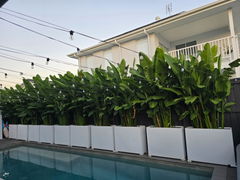
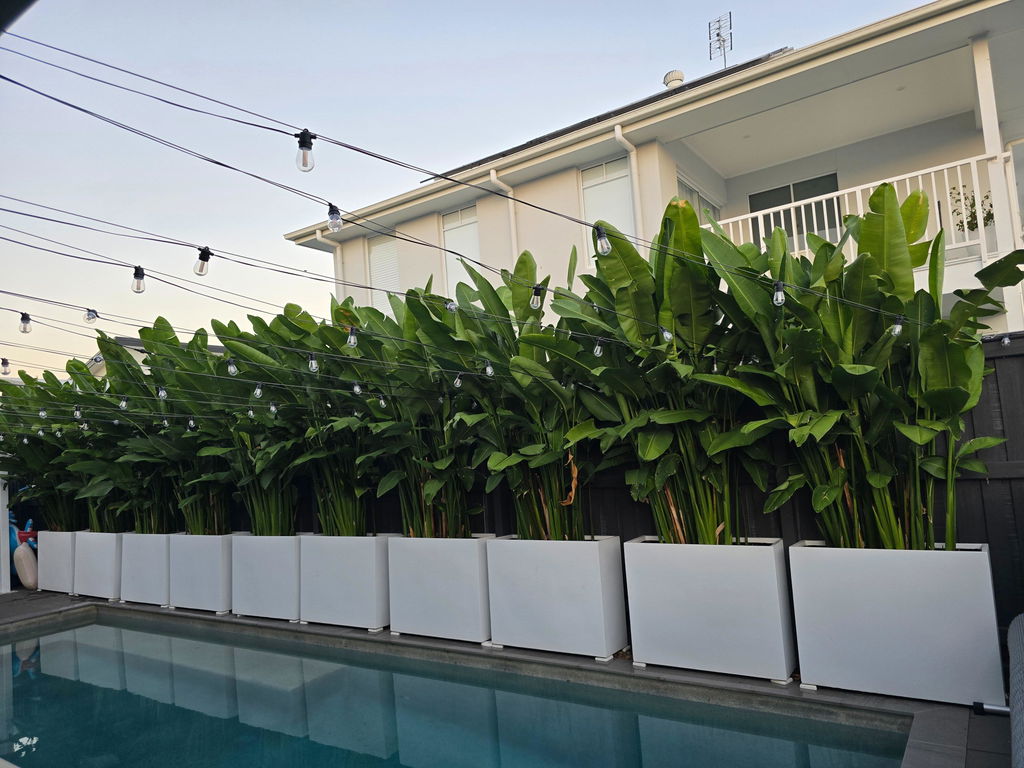
Whether you're landscaping a swimming pool, creating a tropical courtyard or designing a lush rainforest-style garden, large leaf plants provide impressive visual impact.

Spectacular Tropical Foliage

Large leaf tropical plants are particularly valued for their distinctive foliage, which creates a bold, layered appearance in garden landscapes.

Depending on the variety, leaves may be broad and heart-shaped, deeply divided, glossy, upright or gracefully arching.

Foliage colours range from bright green to deep glossy green, with selected varieties featuring silver, purple, bronze or variegated leaves.

Combining plants with different leaf shapes, sizes and colours creates beautiful contrasts and adds depth to tropical garden designs.

Popular Types of Large Leaf Tropical Plants

Alocasias & Elephant Ears

Alocasias are among the most recognisable large leaf tropical plants, producing impressive foliage that creates a dramatic garden feature.

Varieties such as Alocasia macrorrhizos and Alocasia portodora can develop enormous leaves and substantial growth in suitable conditions.

Philodendrons & Monsteras

Large-growing Philodendrons, Thaumatophyllums and Monsteras are popular for their distinctive tropical foliage.

Monstera deliciosa produces large, naturally divided leaves, while selected Philodendron-type plants develop deeply lobed or broad, glossy foliage.

Strelitzias – Bird of Paradise

Strelitzia nicolai, commonly known as Giant White Bird of Paradise, produces impressive banana-like leaves and tall, architectural growth.

It is particularly effective as a feature plant in spacious tropical landscapes.

Ornamental Bananas

Selected ornamental banana plants produce large, paddle-shaped leaves that create an unmistakable tropical appearance.

Their rapid growth and lush foliage make them popular for tropical garden backdrops, although they require sufficient space and protection from strong winds.

Gingers & Alpinias

Larger ornamental gingers and Alpinias produce attractive broad foliage and upright growth, making them useful for creating lush, layered tropical garden beds.

Form & Size

Large leaf tropical plants vary considerably in mature size and growth habit.

Compact foliage varieties may reach approximately 60 cm–1.5 m tall, while larger Alocasias, Strelitzias and ornamental bananas can grow 3–6 m or more, depending on the species and growing conditions.

Some varieties form dense clumps, while others develop tall stems or climbing growth habits.

Always consider mature height, spread and available planting space when selecting larger tropical plants.

Growing Conditions

  • Position: Full sun to part shade, depending on the selected variety. Many large leaf plants prefer bright filtered light or protection from harsh afternoon sun.

  • Soil: Fertile, well-drained soil enriched with organic matter.

  • Water: Regular watering during establishment and active growth.

  • Climate: Warm tropical and subtropical conditions.

  • Humidity: Many varieties prefer humid, sheltered environments.

  • Wind: Large leaves can tear or become damaged in exposed positions, so protection from strong winds is beneficial.

  • Frost: Most tropical varieties require protection from frost and prolonged cold weather.

Uses

  • Tropical and resort-style gardens

  • Bold foliage feature planting

  • Rainforest-style landscaping

  • Poolside tropical gardens in suitable positions

  • Large decorative pots and planters

  • Shaded courtyards and garden entrances

  • Tropical garden backdrops

  • Layered foliage combinations

  • Architectural landscaping features

Maintenance

Apply organic mulch around plants to help retain soil moisture and protect their root systems.

Water regularly during establishment and dry periods, particularly for varieties with large foliage and higher moisture requirements.

Feed during the warmer growing months to encourage healthy leaf development.

Remove damaged, ageing or yellowing leaves as required to maintain an attractive appearance.

Some clumping varieties may benefit from occasional thinning or division to manage their spread.

Protect sensitive plants from strong winds and prolonged exposure to harsh sunlight.

Choosing the Right Large Leaf Tropical Plants

When selecting large leaf tropical plants, consider their mature size, growth habit, sunlight requirements and available garden space.

Compact varieties are excellent for decorative pots, sheltered courtyards and smaller tropical gardens, while larger plants create impressive focal points and lush garden backdrops.

For narrow garden beds, choose varieties with manageable mature dimensions rather than large, vigorous plants that may eventually overcrowd the space.

Combining several suitable varieties with contrasting foliage shapes and heights can create a beautiful, layered tropical garden.

Buy Large Leaf Tropical Plants Direct from the Grower

At Sunshine Coast Nursery & Garden Centre, we grow and source quality tropical plants for gardens and landscaping projects throughout South East Queensland.

Browse our range of large leaf tropical plants online or visit our nursery in Caloundra West to see our plants and discuss your landscaping ideas.

We offer convenient nursery pickup and plant delivery throughout our service areas.

Planning a tropical garden? Bring your garden photographs, measurements or landscaping plans to our nursery and take advantage of our free garden planning advice.

View

Alocasia 'Lutea' with large green elephant ear leaves and golden-yellow stems

Alocasia macrorrhizos Lutea

Description:Alocasia macrorrhizos ‘Lutea’ is a striking tropical foliage plant celebrated for its massive, glossy green leaves and distinctive bright yellow-gold stems and veins. This bold, architectural plant adds an exotic feel to any garden or landscape and makes an impressive focal point in large containers or tropical-style plantings. ‘Lutea’ thrives in warm, humid conditions and brings year-round interest with its dramatic form and luminous stems. Flowers:Occasional pale spathe and spadix-type flowers may appear in mature plants, though this plant is grown primarily for its ornamental foliage. Foliage:Large, upward-facing green leaves with prominent veining grow on thick, vibrant golden-yellow stems. The unique stem colour provides a striking contrast and adds a luminous glow to garden beds or indoor spaces. Fruit:Rarely produces fruit in cultivation. Form & Size:Fast-growing, clumping plant reaching approximately 1.5–2.5m high and around 1.5m wide. Can grow larger in ideal tropical conditions. Growing Conditions: Position: Prefers part shade to filtered sun; can tolerate full sun in humid climates with adequate moisture. Soil: Enjoys rich, well-drained soil high in organic matter. Climate: Best suited to tropical and subtropical climates. Protect from frost and cold winds. Watering: Keep soil consistently moist, especially in warm weather. Avoid waterlogging. Uses: Excellent as a feature plant in tropical gardens or shady corners. Perfect for large pots or containers in patios and courtyards. Creates bold impact in foliage-focused plantings and mixed tropical borders. Maintenance: Low-maintenance once established. Remove old or damaged leaves to maintain a tidy appearance. Apply a balanced liquid fertiliser during the growing season for lush growth and rich colour. Notes: Shelter from strong winds to prevent damage to large leaves. Can be grown indoors in bright, indirect light with high humidity. Toxic if ingested – keep away from pets and small children. Companion Plants:Pairs beautifully with Cordyline fruticosa, Heliconia, Alpinia, and Colocasia for a lush, layered tropical look. Common Name: Lutea Elephant EarBotanical Name: Alocasia macrorrhizos ‘Lutea’Family: AraceaeOrigin: Southeast Asia and the Pacific Islands (cultivar)

Regular price $30.00 AUD
Regular price Sale price $30.00 AUD
Unit price  per 
A collection of Alocasia macrorrhiza, also known as Giant Taro or Elephant Ear, plants with large green leaves in a garden setting, under a shade structure.

alocasia macrorrhiza - Giant Taro - Elephant Ear

Alocasia macrorrhiza, commonly known as Giant Taro or Giant Elephant Ear, is a spectacular tropical foliage plant valued for its enormous, upright green leaves and impressive architectural form. Its bold, arrow-shaped foliage creates an instant tropical atmosphere, making it an outstanding feature plant for large gardens, rainforest-inspired landscapes and sheltered outdoor spaces. With its vigorous growth and commanding presence, Giant Taro is particularly well suited to tropical and subtropical gardens throughout the Sunshine Coast. Its lush foliage provides height, structure and a dramatic contrast against smaller tropical plants, palms and ferns. Flowers Produces occasional pale green to creamy-white flowers consisting of a central spadix surrounded by a greenish spathe, typical of plants in the Araceae family. Flowering is most likely during warmer months on mature plants, although the flowers are relatively inconspicuous compared with the large foliage. Foliage Features enormous, glossy, deep-green, arrow-shaped leaves held upright on thick, sturdy stalks. The prominent veins and broad leaf blades create a dramatic tropical appearance. Under favourable growing conditions, individual leaves can exceed 1 metre in length. The foliage is generally held upright rather than drooping, distinguishing it from some other plants commonly sold as Elephant Ears. Fruit Following successful pollination, small berry-like fruits may develop along the flowering spadix. These can turn orange-red as they mature. Fruiting is uncommon in many cultivated garden specimens, and the plant is primarily grown for its ornamental foliage. Form & Size Height: Approximately 2–4 metres Width: Approximately 2–3 metres Growth Habit: Large, upright, clump-forming tropical perennial with a thick, developing stem Growth Rate: Fast during warm, humid conditions In ideal tropical environments, mature specimens can grow considerably larger. Allow generous space for the mature foliage, particularly when planting near pathways, buildings or outdoor entertaining areas. Growing Conditions Sunlight: Prefers partial shade to bright, filtered sunlight. Established plants can tolerate considerable direct sun when adequate soil moisture is available, although protection from intense afternoon sun helps maintain attractive foliage. Soil: Thrives in fertile, organically enriched soil with good drainage and moisture retention. Incorporating compost and organic matter encourages vigorous growth. Water: Requires regular watering, particularly during establishment and warmer weather. Prefers consistently moist soil and can tolerate wetter conditions than many other ornamental plants, provided the root zone does not become stagnant. Frost: Frost sensitive. Cold weather may damage the foliage, and severe frost can cause substantial dieback. Best grown in warm, protected positions. Wind: Prefers shelter from strong winds, which can tear or damage the enormous leaves. Climate: Excellent for tropical and subtropical climates, including the Sunshine Coast and South East Queensland. Performs best in warm, humid environments. Uses Tropical Gardens: Creates an impressive rainforest-inspired appearance with its enormous foliage. Feature Planting: Ideal as a bold architectural feature in spacious garden beds. Poolside Landscaping: Adds a resort-style tropical atmosphere in sheltered positions. Rainforest Gardens: Excellent for creating lush layers beneath taller trees and palms. Large Courtyards: Provides dramatic foliage and height where sufficient growing space is available. Mass Planting: Can be planted in groups to create a dense, tropical landscape effect. Large Containers: Suitable for substantial decorative pots, although container-grown plants may require additional watering and feeding. Maintenance Alocasia macrorrhiza is relatively easy to maintain in suitable growing conditions. Remove older, yellowing or damaged leaves as required to maintain a neat appearance. Use clean pruning tools and cut unwanted leaf stalks close to their attachment point. Apply a balanced slow-release fertiliser during spring and summer to support vigorous foliage growth. Maintain a generous layer of organic mulch around the base to conserve moisture and improve soil conditions. During cooler months, growth may slow and older leaves may deteriorate. Reduce watering where necessary, particularly if the plant is not actively growing. Established plants may develop offsets around the base, which can be separated when required. Notes Giant Taro is a very large-growing plant and should be positioned where its mature height and spread can be accommodated without obstructing pathways or structures. Although some traditional food uses are associated with this species, all parts contain irritating calcium oxalate crystals and should not be eaten raw. Incorrect preparation can cause serious irritation or poisoning. It should be treated as an ornamental plant rather than a food crop. Keep away from pets and children who may chew the foliage. Sap may irritate sensitive skin, so gloves are recommended when pruning or handling damaged plant material. Alocasia macrorrhiza is sometimes confused with other large Elephant Ear plants, including Alocasia odora, Alocasia 'Portodora' and species of Colocasia. Its large upright foliage and substantial mature size are distinguishing characteristics. Companion Plants Alocasia 'Portodora': Provides contrasting ruffled foliage and a slightly more compact growth habit. Alpinia nutans – Dwarf Cardamom: Adds dense, aromatic foliage beneath the larger leaves. Heliconia: Introduces colourful tropical flowers and contrasting upright growth. Philodendron Xanadu: Creates a lower-growing layer of deeply divided foliage. Bird's Nest Fern: Complements the tropical appearance with lush, arching green fronds. Cordyline: Adds colourful foliage contrast and vertical interest. Common Name: Giant Taro / Giant Elephant Ear / Elephant Ear Botanical Name: Alocasia macrorrhiza (L.) G.Don Family: Araceae Origin: Tropical Asia and the western Pacific

Regular price $35.00 AUD
Regular price Sale price $35.00 AUD
Unit price  per 
Alocasia Portodora Upright Elephant Ear tropical plant with large glossy green ruffled leaves and upright growth

Alocasia portodora – Upright Elephant Ear

Alocasia portodora, commonly known as Upright Elephant Ear or Portodora Elephant Ear, is a spectacular tropical foliage plant renowned for its enormous, glossy green leaves and striking architectural appearance. Its large, arrow-shaped leaves feature deeply textured veins and distinctive ruffled edges, creating a dramatic tropical display. With its upright, clumping growth habit and impressive foliage, Alocasia portodora makes an outstanding feature plant for tropical gardens, sheltered courtyards, large decorative pots and subtropical landscapes. Well suited to warm Sunshine Coast conditions, it creates a lush, rainforest-inspired atmosphere and provides bold contrast against finer-leaved plants. Flowers Produces occasional greenish-white to cream inflorescences consisting of a central spadix surrounded by a protective spathe. Flowering is generally infrequent and most likely during warmer months when growing conditions are favourable. The flowers are relatively inconspicuous compared with the plant's impressive foliage. Foliage Features exceptionally large, glossy, deep-green leaves with prominent veins and heavily rippled margins. The leaves are held upright on strong, fleshy stems, sometimes displaying subtle purple colouring. Their distinctive arrow-shaped form and textured appearance create a striking architectural feature. In favourable conditions, mature leaves can reach approximately 1 metre or more in length. Fruit Small berry-like fruits may occasionally develop following successful pollination. Fruiting is uncommon in cultivation, and the plant is primarily grown for its ornamental foliage. Form & Size Height: Approximately 1.5–2.5 metres Width: Approximately 1.2–1.8 metres Growth Habit: Upright, clumping, tropical perennial Growth Rate: Moderate to fast during warm, humid conditions Alocasia portodora develops a strong, upright structure with large leaves extending outward from its central clump. Plants grown in ideal tropical conditions may exceed these dimensions, while container-grown specimens generally remain smaller. Growing Conditions Sunlight: Prefers partial shade to bright, filtered sunlight. Morning sun is generally suitable, although protection from harsh afternoon sun helps prevent foliage damage. Soil: Thrives in fertile, organically enriched, well-drained soil. A quality premium potting mix with good drainage is recommended for container growing. Water: Requires regular watering, particularly during active growth. Maintain consistent moisture without allowing the soil to become waterlogged. Reduce watering during cooler weather. Frost: Frost sensitive. Protect from frost and prolonged cold conditions, which may damage or cause the foliage to die back. Wind: Prefers sheltered locations protected from strong winds, which can tear or damage the large leaves. Climate: Ideally suited to tropical and subtropical climates, including protected positions throughout the Sunshine Coast and South East Queensland. Appreciates warmth and humidity. Uses Tropical Gardens: Creates a dramatic rainforest-inspired appearance with its oversized foliage. Feature Planting: An outstanding architectural statement plant for garden beds and landscaped areas. Large Decorative Pots: Ideal for spacious courtyards, patios and sheltered outdoor entertaining areas. Poolside Landscaping: Adds lush tropical character when planted away from harsh reflected heat and strong winds. Understorey Planting: Suitable beneath palms and taller tropical plants where filtered sunlight is available. Indoor Displays: Can be grown in spacious, brightly lit indoor environments with adequate humidity. Tropical Borders: Provides height, structure and contrasting foliage among smaller tropical plants. Maintenance Alocasia portodora requires moderate maintenance to maintain its impressive foliage. Remove older, yellowing or damaged leaves close to the base using clean pruning tools. Apply a balanced slow-release fertiliser during spring and summer to encourage vigorous growth. Maintain organic mulch around garden-grown plants to conserve soil moisture and protect the root zone. During cooler months, growth may slow significantly, and some older foliage may deteriorate. Reduce watering accordingly and protect the plant from cold conditions. Monitor for common pests such as spider mites, mealybugs and scale, particularly when grown indoors or in sheltered positions. Notes Alocasia portodora is a cultivated hybrid associated with Alocasia odora and Alocasia portei. It is also sold under the names Alocasia 'Portodora' and Alocasia × portora. All parts of the plant contain calcium oxalate crystals and are harmful if eaten. The sap may cause skin or eye irritation. Keep away from pets and children, and wear gloves when handling or pruning. Provide sufficient space for the mature foliage, particularly around pathways and smaller garden beds. Companion Plants Philodendron Xanadu: Provides contrasting, deeply lobed foliage beneath the larger Alocasia leaves. Alpinia nutans – Dwarf Cardamom: Adds aromatic foliage and dense tropical greenery. Heliconia: Complements the upright growth habit with colourful tropical flowers. Cordyline: Introduces contrasting foliage colours and vertical interest. Bird's Nest Fern: Creates a lush, layered rainforest effect in shaded garden beds. Liriope Evergreen Giant: Provides a neat, lower-growing foliage layer around the base. Common Name: Upright Elephant Ear / Portodora Elephant Ear Botanical Name: Alocasia 'Portodora' (also sold as Alocasia portodora) Family: Araceae Origin: Cultivated hybrid of Alocasia odora × Alocasia portei

Regular price $35.00 AUD
Regular price Sale price $35.00 AUD
Unit price  per 
Monstera deliciosa, the Swiss cheese plant or split-leaf philodendron is a species of flowering plant native to tropical forests of southern Mexico, south to Panama. Grown mainly for the indoor Market it makes a great indoor plant and easy to look after and maintain.

Monstera Delicosa

Description Monstera deliciosa is a popular tropical plant known for its large, glossy, and deeply lobed leaves with characteristic holes, giving it the nickname "Swiss Cheese Plant." It is a vigorous climber and can reach impressive sizes, making it a striking addition to both indoor and outdoor spaces. Flowers Monstera deliciosa produces cream-colored, spathe-and-spadix type flowers typical of the Araceae family. The flowers are followed by a unique, edible fruit that resembles a green ear of corn, known for its pineapple-banana flavor. However, it rarely flowers indoors. Foliage The leaves are the standout feature of this plant. They are large, heart-shaped, and can grow up to 90 cm long. Young leaves are solid and gradually develop holes and deep splits as they mature. The foliage is dark green and glossy, adding a lush, tropical feel to any setting. Fruit The fruit, known as Monstera fruit or Ceriman, is elongated and covered in hexagonal scales. It is edible when ripe and tastes like a combination of pineapple and banana. However, it is important to let the fruit ripen fully as unripe fruit can cause irritation. Form and Size Monstera deliciosa is a vigorous climber that can reach heights of 3-6 meters or more when provided with support. As a houseplant, it typically reaches around 2-3 meters. It spreads horizontally as well, creating a broad, lush canopy. Growing Conditions Soil: Prefers well-draining, rich organic soil. A mix of potting soil, peat, and perlite or orchid bark is ideal. Sunlight: Thrives in bright, indirect light but can tolerate low light conditions. Direct sunlight can scorch the leaves. Water: Requires regular watering to keep the soil consistently moist but not waterlogged. Allow the top layer of soil to dry out between waterings. Climate: Suitable for tropical and subtropical climates. It prefers warm, humid conditions and should be protected from frost. Uses Landscaping: Ideal for tropical-themed gardens and as a statement plant in outdoor landscapes. It can also be grown on patios and balconies. Indoor Plant: Highly popular as a houseplant due to its striking foliage and adaptability to indoor conditions. It can be trained to climb a moss pole or trellis. Ornamental: The large, perforated leaves provide a bold, exotic look that enhances the aesthetic of any space. Maintenance Pruning: Minimal pruning required. Remove any yellow or damaged leaves to maintain appearance. Trim back if the plant becomes too large. Fertilizing: Benefits from regular feeding with a balanced, water-soluble fertilizer during the growing season. Pest and Disease: Generally pest-resistant but can be susceptible to spider mites, scale, and mealybugs. Ensure good air circulation to minimize disease risk. Notes Monstera deliciosa is a fast-growing and easy-to-care-for plant that adds a touch of the tropics to any environment. Its impressive foliage and robust growth make it a favorite among plant enthusiasts and interior designers. Companion Plants Philodendron hederaceum (Heartleaf Philodendron) Spathiphyllum spp. (Peace Lily) Epipremnum aureum (Pothos) Ficus elastica (Rubber Plant Common Name Swiss Cheese Plant, Split-Leaf Philodendron Botanical Name Monstera deliciosa Family Araceae Origin Native to the tropical forests of southern Mexico and Panama

Regular price $35.00 AUD
Regular price Sale price $35.00 AUD
Unit price  per