Cordyline & Croton Plants – Colourful Tropical Foliage

Cordyline & Croton Plants – Colourful Tropical Foliage for Your Garden

Bring vibrant colour and tropical character to your garden with our range of Cordyline and Croton plants. Known for their spectacular foliage in shades of red, pink, purple, orange, yellow and green, these colourful tropical plants are ideal for creating beautiful gardens throughout the Sunshine Coast, Brisbane and South East Queensland.

Cordylines and Crotons are popular landscaping plants that provide year-round foliage interest, attractive textures and striking colour combinations. Whether you're creating a lush resort-style garden, adding colour to a shaded courtyard or selecting feature plants for decorative pots, these versatile plants offer plenty of possibilities.

Foliage

Cordylines are particularly valued for their long, strappy leaves, which may be upright, arching or gracefully spreading depending on the variety.

Foliage colours include deep burgundy, bronze, red, pink, green and variegated combinations, making Cordylines excellent plants for introducing contrast into tropical gardens.

Crotons (Codiaeum variegatum) are famous for their bold, colourful leaves, which can feature striking combinations of green, yellow, orange, red and purple.

Depending on the cultivar, Croton leaves may be broad, narrow, twisted or irregularly shaped, providing additional texture and interest.

Flowers

Cordylines can produce clusters of small, often fragrant flowers, although their colourful foliage remains their main ornamental attraction.

Crotons may also produce small, relatively inconspicuous flowers. These are generally less significant than their spectacular foliage.

Form & Size

Cordylines vary considerably in size and growth habit.

Compact varieties may reach approximately 50 cm–1 m tall, while larger forms can develop upright stems and grow approximately 2–4 m or more in favourable conditions.

Crotons generally form colourful, bushy shrubs, with many garden varieties reaching approximately 1–2 m tall. Larger cultivars may grow taller in suitable tropical conditions.

Mature height and spread depend on the individual cultivar, growing conditions and maintenance.

Growing Conditions

  • Position: Bright light to part shade, depending on the variety. Many Cordylines tolerate morning sun and filtered afternoon light, while Crotons generally develop their strongest foliage colours in bright conditions.

  • Soil: Fertile, well-drained soil enriched with organic matter.

  • Water: Regular watering during establishment and dry periods, without prolonged waterlogging.

  • Climate: Warm tropical and subtropical conditions.

  • Humidity: Crotons generally prefer warm, humid and sheltered positions.

  • Frost: Many tropical Cordylines and Crotons are frost-sensitive and benefit from protection during colder weather.

Uses

  • Tropical and resort-style gardens

  • Colourful foliage feature planting

  • Garden borders and mixed tropical beds

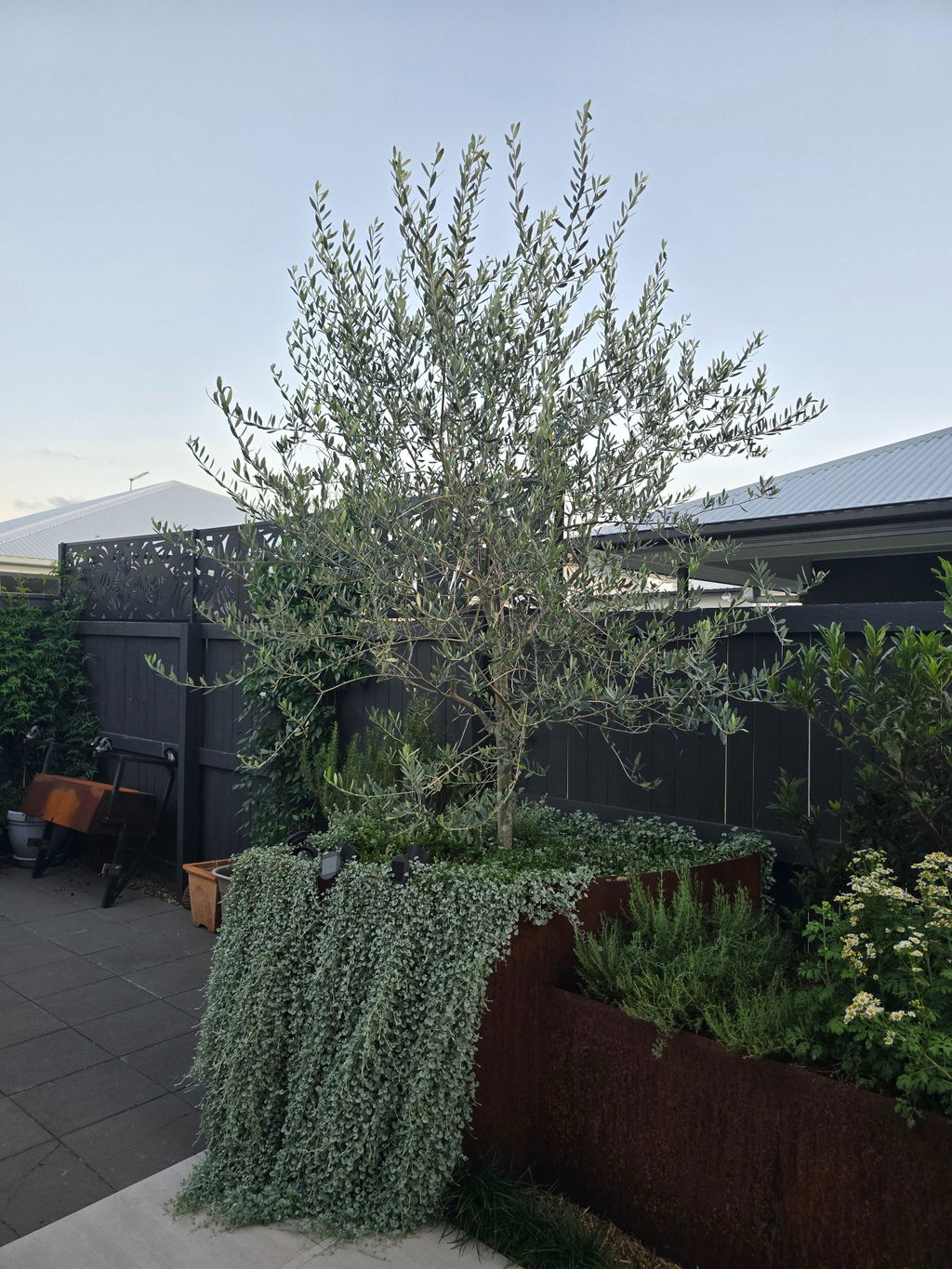
  • Decorative pots and large planters

  • Courtyards and sheltered entrances

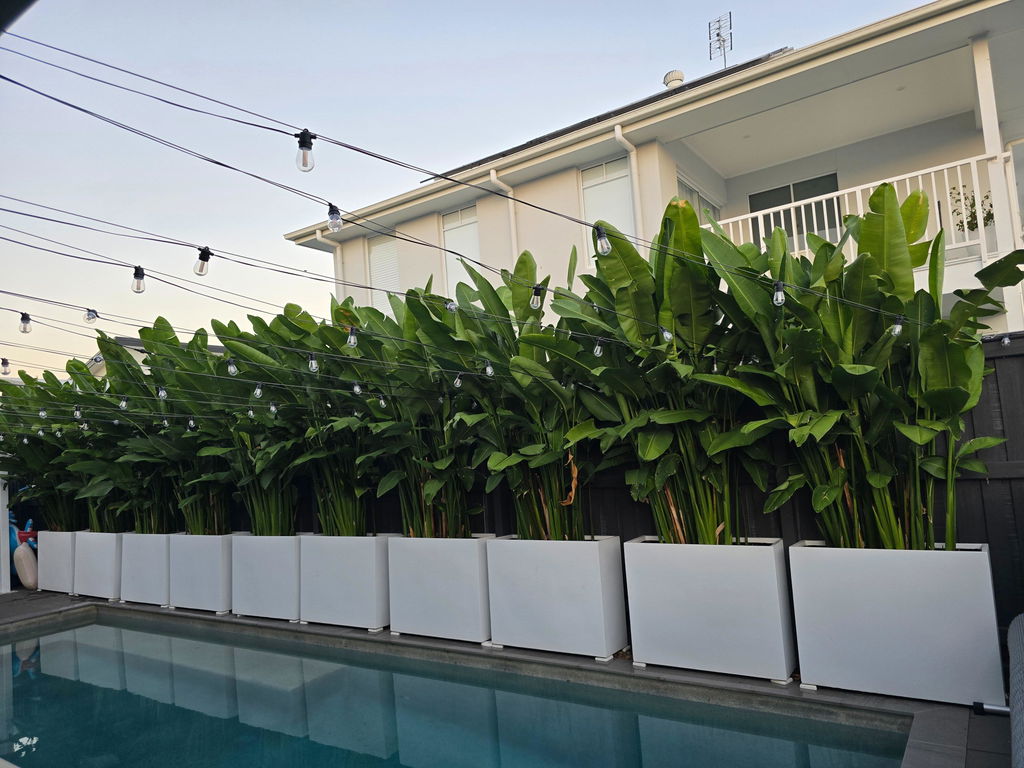
  • Poolside landscaping in suitable positions

  • Contrasting foliage combinations

  • Informal screening with suitable taller varieties

Maintenance

Apply organic mulch around plants to help retain soil moisture and protect the root system.

Feed during the warmer growing months to encourage healthy foliage development and strong growth.

Remove damaged or older leaves from Cordylines as required to maintain an attractive appearance.

Crotons can be lightly pruned to encourage bushier growth and maintain their desired shape.

Avoid exposing sensitive varieties to prolonged cold winds, frost or sudden changes in growing conditions.

Choosing the Right Cordyline or Croton

When selecting Cordylines and Crotons, consider their mature height, foliage colour, sunlight requirements and available planting space.

Compact Cordylines are excellent for decorative pots, smaller garden beds and colourful border planting, while taller varieties can provide attractive vertical structure and foliage contrast.

Crotons are particularly effective as colourful feature shrubs in warm, sheltered tropical gardens.

For South East Queensland gardens, selecting varieties suited to local sunlight, humidity and exposure will help maintain healthy growth and attractive foliage colour.

Buy Cordyline & Croton Plants Direct from the Grower

At Sunshine Coast Nursery & Garden Centre, we grow and source quality tropical plants for gardens and landscaping projects throughout South East Queensland.

Browse our range of Cordylines and Crotons online or visit our nursery in Caloundra West for friendly advice and assistance selecting suitable plants.

Nursery pickup and plant delivery are available throughout our service areas.

Planning a tropical garden? Ask our team about our free garden planning advice to help create a beautiful and practical landscape.

View

Cordyline ‘Tangelo’ with vibrant orange, pink, and green tropical foliage

Cordyline fruticosa ‘Tangelo’

Description:Cordyline fruticosa ‘Tangelo’ is a striking tropical plant featuring bold foliage in vivid shades of orange, coral, and green. Its bright colouring and upright form make it a standout feature in garden beds, containers, and tropical landscapes. This variety is ideal for adding a warm pop of colour and thrives in warm, humid environments with minimal maintenance. Flowers:Small, star-shaped pale pink to white flowers may appear during the warmer months, sometimes followed by small red berries. The flowers are subtle and mostly hidden within the foliage. Foliage:Glossy, lance-shaped leaves in vibrant orange and coral tones with green accents. The bold variegation creates strong visual impact and year-round interest. Fruit:Occasional red berries may follow flowering, offering added seasonal interest. Form & Size:Upright, clump-forming plant reaching approximately 1.5–2m high and 1m wide. Growing Conditions: Position: Thrives in part shade to full sun; protect from harsh afternoon sun in hotter climates to prevent leaf scorch. Soil: Well-drained, fertile soil enriched with organic matter. Climate: Best suited to tropical and subtropical climates. Shelter from frost and cold winds. Watering: Keep soil moist but not waterlogged. Tolerates short dry periods once established, but regular watering promotes vibrant growth. Uses: Ideal for garden borders, tropical beds, and poolside planting. Great in pots and containers for patios, balconies, and entrances. Adds vibrant contrast to mixed foliage plantings. Maintenance: Low-maintenance and easy to grow. Remove older leaves to maintain a tidy appearance. Feed with a slow-release fertiliser during spring and summer to enhance foliage colour and overall health. Notes: Can be grown indoors in a bright, warm space. Wind protection is recommended to prevent foliage damage. A fantastic colour accent in tropical or modern garden designs. Companion Plants:Combines beautifully with Alocasia, Calathea, Bromeliads, and other Cordylines for a rich, layered tropical look. Common Name: Tangelo CordylineBotanical Name: Cordyline fruticosa ‘Tangelo’Family: AsparagaceaeOrigin: Tropical Asia and Pacific Islands

Regular price $30.00 AUD
Regular price Sale price $30.00 AUD
Unit price  per 
Cordyline ‘Green Compact’ with dense, upright green foliage in a compact form

Cordyline fruticosa ‘Green Compact’

Description:Cordyline fruticosa ‘Green Compact’ is a neat, clump-forming tropical plant with lush, deep green foliage and a tidy, upright habit. This compact variety is perfect for adding structured greenery to gardens, borders, or pots, and works beautifully in both formal and tropical garden designs. It's well-suited to warm, humid climates and offers year-round colour and texture with minimal maintenance. Flowers:Small, pale pink to white flowers may appear during warmer months, followed by small red berries. Flowers are subtle and typically hidden within the foliage. Foliage:Glossy, rich green, lance-shaped leaves form a dense rosette, offering a fresh and clean look that complements brighter accent plants. Fruit:Occasional small, red berries may form after flowering, adding a decorative touch. Form & Size:Compact, upright growth reaching approximately 1–1.2m high and 60–80cm wide. Growing Conditions: Position: Prefers part shade to full sun; thrives in bright, filtered light. Soil: Well-drained, fertile soil enriched with organic matter. Climate: Suited to tropical and subtropical climates. Protect from heavy frost and cold winds. Watering: Keep soil consistently moist, especially during warm periods. Drought-tolerant once established but benefits from regular watering. Uses: Ideal for low-maintenance borders, mass planting, or edging tropical garden beds. Perfect in pots and containers for patios, decks, or entranceways. Great for adding texture and structure in both formal and relaxed garden designs. Maintenance: Low-maintenance and easy to care for. Remove older or damaged leaves to keep the plant neat. Feed with a slow-release fertiliser in spring and summer to promote strong, healthy growth. Notes: Suitable for indoor growing in bright, warm conditions. Wind protection recommended to prevent leaf damage. Provides a perfect backdrop to colourful foliage and flowering plants. Companion Plants:Pairs well with Cordyline ‘Pink Diamond’, Alocasia, Bromeliads, and tropical grasses for a lush, layered effect. Common Name: Green Compact CordylineBotanical Name: Cordyline fruticosa ‘Green Compact’Family: AsparagaceaeOrigin: Tropical Asia and Pacific Islands

Regular price $30.00 AUD
Regular price Sale price $30.00 AUD
Unit price  per 
Cordyline ‘Compacta Coffee’ with rich bronze-brown foliage in a compact tropical form

Cordyline fruticosa ‘Compacta Coffee’

Description:Cordyline fruticosa ‘Compacta Coffee’ is a lush, compact tropical variety admired for its deep chocolate-brown to rich burgundy foliage. With its dense form and elegant colouring, this Cordyline is ideal for adding depth, contrast, and structure to tropical garden designs or container displays. It's well-suited to warm, humid climates and provides year-round interest with minimal upkeep. Flowers:Small, star-shaped pink to white flowers may appear in warm seasons, occasionally followed by small red berries. Flowers are subtle and not the primary feature. Foliage:Glossy, broad, lance-shaped leaves in rich coffee-brown to deep burgundy shades. Forms a tight, upright clump with a neat, architectural habit. Fruit:Occasional small red berries may develop after flowering, adding decorative seasonal appeal. Form & Size:Compact, upright plant growing approximately 1m high and 60cm–1m wide. Growing Conditions: Position: Prefers part shade to full sun; protect from strong afternoon sun in hot climates. Soil: Thrives in well-drained, fertile soils enriched with organic matter. Climate: Best suited to tropical and subtropical regions. Shelter from frost and cold winds. Watering: Keep soil moist but not waterlogged. Drought-tolerant once established but performs best with regular watering in dry periods. Uses: Ideal for pots, small spaces, and borders in tropical gardens. Excellent for adding contrast to mixed foliage plantings. Great as an indoor or patio feature in a warm, brightly lit position. Maintenance: Low-maintenance and easy to grow. Remove older or damaged leaves to maintain a clean, tidy appearance. Apply a slow-release fertiliser during the growing season to promote strong growth and rich colour. Notes: Offers bold colour contrast to green foliage and flowering plants. Wind protection is recommended to avoid leaf damage. Can be grown indoors in well-lit spaces. Companion Plants:Pairs beautifully with Alocasia, Bromeliads, Calathea, and other Cordylines for a layered, tropical garden style. Common Name: Compacta Coffee CordylineBotanical Name: Cordyline fruticosa ‘Compacta Coffee’Family: AsparagaceaeOrigin: Tropical Asia and Pacific Islands

Regular price $30.00 AUD
Regular price Sale price $30.00 AUD
Unit price  per 
Cordyline ‘Brandy Lime’ with bright lime green and burgundy striped foliage

Cordyline fruticosa ‘Brandy Lime’

Description:Cordyline fruticosa ‘Brandy Lime’ is a vibrant, upright tropical plant prized for its luminous lime-green foliage with subtle chartreuse and golden tones. Its bright colouring brings freshness and contrast to gardens and containers, making it an excellent choice for tropical landscapes or brightening up shaded areas. This hardy and versatile variety thrives in warm, humid climates and provides year-round colour with minimal maintenance. Flowers:Small, star-like pink to white flowers may appear in warmer months, followed by small, red berries. The blooms are delicate and often tucked among the foliage. Foliage:Bold, lance-shaped leaves in vivid lime-green shades form an upright, clumping habit. The leaves are soft and glossy, creating a lush tropical look. Fruit:Occasional small ornamental red berries may follow flowering, adding seasonal interest. Form & Size:Upright, clump-forming plant reaching approximately 1.5–2m high and 1m wide. Growing Conditions: Position: Prefers part shade to full sun; best colour develops with bright filtered light. Soil: Grows well in fertile, well-drained soils enriched with organic matter. Climate: Thrives in warm, humid climates. Best suited to tropical and subtropical zones. Protect from frost and cold winds. Watering: Keep soil evenly moist, especially during dry spells. Drought-tolerant once established but benefits from regular watering in hot weather. Uses: Ideal for tropical garden beds, borders, and poolside planting. Perfect in decorative pots or containers for patios, decks, or entrances. A stunning contrast plant in mixed foliage displays. Maintenance: Very low-maintenance. Remove any damaged or older leaves to maintain a tidy appearance. Feed with a slow-release fertiliser during the growing season to encourage vibrant colour and lush growth. Notes: Can be grown indoors in a warm, brightly lit position. Protect from strong winds which may tear the foliage. A great choice for bringing light and contrast to darker planting schemes. Companion Plants:Combines beautifully with Alocasia, Bromeliads, Calathea, and other Cordyline varieties for a lush, tropical effect. Common Name: Brandy Lime CordylineBotanical Name: Cordyline fruticosa ‘Brandy Lime’Family: AsparagaceaeOrigin: Tropical Asia and Pacific Islands

Regular price $30.00 AUD
Regular price Sale price $30.00 AUD
Unit price  per 
Cordyline ‘Baby Doll’ with compact pink, burgundy, and green tropical foliage

Cordyline fruticosa ‘Baby Doll’

Cordyline fruticosa ‘Baby Doll’ Description:Cordyline fruticosa ‘Baby Doll’ is a compact, colourful tropical plant featuring striking pink and green variegated foliage. Its vibrant tones and neat growth habit make it a standout in garden beds, containers, and tropical-themed landscapes. A versatile choice for adding bold colour and structure to small spaces, it’s well-suited to warm, humid conditions and performs well in both sun and shade. Flowers:Small, star-shaped, pale pink to white flowers may appear in warm months, often followed by small, decorative berries. While not the main feature, the flowers add a delicate seasonal touch. Foliage:Bold, lance-shaped leaves with vivid pink centres and green variegated edges form a dense, upright clump. The foliage provides year-round interest and colour, even in shaded garden areas. Fruit:Occasional small red berries may form after flowering, though not typically prominent. Form & Size:A compact, upright plant reaching approximately 1m high and 60cm wide. Growing Conditions: Position: Best in part shade to full sun; protect from harsh afternoon sun in hotter climates. Soil: Prefers well-drained, fertile soils rich in organic matter. Climate: Thrives in warm, humid conditions. Ideal for subtropical and tropical zones; protect from heavy frost. Watering: Keep soil consistently moist, especially during hot weather. Tolerates short dry periods once established. Uses: Excellent for borders, mass planting, and adding colour to shaded areas. Great in pots, patios, and courtyards for a vibrant focal point. Ideal for tropical, Balinese, or resort-style garden designs. Maintenance: Low-maintenance with minimal pruning required. Remove old or damaged leaves to keep the plant tidy. Feed with a slow-release or liquid fertiliser in spring and summer to enhance colour and growth. Notes: Can be grown indoors in a bright, warm position. Provides bold contrast when combined with other foliage plants. Shelter from strong winds to prevent leaf damage. Companion Plants:Pairs beautifully with Alocasia, Calathea, Bromeliads, and other colourful Cordyline varieties for a lush, tropical look. Common Name: Baby Doll CordylineBotanical Name: Cordyline fruticosa ‘Baby Doll’Family: AsparagaceaeOrigin: Tropical Asia and Pacific Islands

Regular price $30.00 AUD
Regular price Sale price $30.00 AUD
Unit price  per 
Cordyline australis ‘Black Knight’ with bold dark burgundy-black sword-like foliage

Cordyline australis ‘Black Knight’ TC

Description:Cordyline australis ‘Black Knight’ TC is a striking, upright, evergreen plant known for its deep burgundy-black, sword-like foliage. Its bold architectural form adds dramatic contrast to garden landscapes and containers. This hardy variety thrives in various conditions and is an excellent choice for low-maintenance gardens. Flowers:Produces small, fragrant, creamy-white flowers in summer, which are attractive to pollinators. Foliage:Narrow, arching, sword-shaped leaves with a rich, dark burgundy-black color that intensifies in full sun. Fruit:Develops small, berry-like fruits after flowering, adding seasonal interest. Form & Size:Forms a single or multi-trunked palm-like structure, reaching approximately 1.5-2.0m in height and 1m in width. Growing Conditions: Position: Prefers full sun to part shade. Soil: Well-drained, fertile soil; tolerates sandy or loamy conditions. Climate: Suitable for a range of Australian climates, including coastal areas and mild frosts. Watering: Drought-tolerant once established but benefits from occasional deep watering. Uses: Feature plant for modern and tropical-style gardens. Excellent in containers and courtyard settings. Great for mass planting, borders, or as an accent plant in mixed garden beds. Maintenance: Low-maintenance and hardy. Prune dead or damaged leaves to maintain a tidy appearance. Feed with a balanced fertilizer in spring to promote healthy growth. Notes: Tolerates coastal conditions and moderate frost. Works well when paired with contrasting foliage plants for added visual impact. Companion Plants:Pairs well with other architectural plants such as Agave, Phormium, Lomandra, and succulents for textural contrast. Common Name: Black Knight CordylineBotanical Name: Cordyline australis ‘Black Knight’ TCFamily: AsparagaceaeOrigin: New Zealand

Regular price $30.00 AUD
Regular price Sale price $30.00 AUD
Unit price  per 
Cordyline fruticosa Chocolate Queen – Cordyline Chocolate Queen plant leaf sunshine coast nursery

Cordyline fruticosa Chocolate Queen

Cordyline fruticosa 'Chocolate Queen' Description:Cordyline fruticosa 'Chocolate Queen' is a stunning tropical plant known for its dramatic foliage featuring rich chocolate-brown tones contrasted with streaks of creamy yellow and green. This variety is highly valued for its ornamental appeal, adding color and texture to any garden setting. It’s an excellent choice for tropical and subtropical landscapes, as well as indoor container gardening. Foliage:The foliage is the standout feature of Cordyline 'Chocolate Queen'. The long, lance-shaped leaves have a rich, chocolate-brown color with striking variegation in shades of creamy yellow and green. The colorful leaves provide year-round interest and create a bold visual impact in garden beds, borders, and containers. Form and Size:Cordyline fruticosa 'Chocolate Queen' has an upright, clumping growth habit, typically reaching up to 1-2 meters (3-6.5 feet) in height and 0.5-1 meter (1.5-3 feet) in spread. Its compact form makes it ideal for adding vertical interest to small gardens, patios, and indoor spaces. Growing Conditions: Light: Prefers bright, indirect light to partial shade. It can tolerate some direct sun, but too much may cause leaf burn. Soil: Well-draining, fertile soil rich in organic matter. A slightly acidic to neutral pH is ideal. Water: Moderate water requirements. Keep the soil consistently moist but not waterlogged. Allow the top layer of soil to dry out slightly between waterings. Temperature: Thrives in warm, tropical to subtropical climates. Hardy in USDA zones 10-12. Protect from frost and cold drafts if grown indoors. Humidity: Prefers high humidity levels. Regular misting or placement near a humidity tray can help maintain the necessary moisture in the air if grown indoors. Uses:Cordyline 'Chocolate Queen' is primarily grown for its striking foliage. It makes an excellent feature plant in garden beds, borders, and large containers. The plant’s colorful leaves add a tropical feel to landscapes and are equally attractive when grown as a houseplant. It is perfect for adding a touch of lush, exotic beauty to both outdoor and indoor settings. Maintenance:This plant is relatively low-maintenance. Regularly remove any dead or damaged leaves to maintain its appearance. Fertilize during the growing season with a balanced, slow-release fertilizer. Mulch around the base to conserve moisture and suppress weeds. Notes:Cordyline fruticosa 'Chocolate Queen' is non-toxic and safe to grow around pets and children. It is relatively pest-resistant but may occasionally attract mealybugs or spider mites, which can be treated with appropriate insecticides. Companion Plants:Cordyline 'Chocolate Queen' pairs well with other tropical and subtropical plants that have similar growing requirements, such as: Croton (Codiaeum variegatum) Bromeliads Ferns Alocasia species Common Name: Chocolate Queen CordylineBotanical Name: Cordyline fruticosa 'Chocolate Queen'Family: AsparagaceaeOrigin: Native to Southeast Asia and the Pacific Islands

Regular price $15.00 AUD
Regular price Sale price $15.00 AUD
Unit price  per 

Sold out

Cordyline fruticosa Red Sister – cordyline red sista sunshine coast nursery

Cordyline fruticosa Red Sister

Cordyline fruticosa 'Red Sister' Description: Cordyline fruticosa 'Red Sister', commonly known as Ti Plant, is a popular tropical plant admired for its striking, vibrant foliage. This variety, 'Red Sister', features bold, reddish-pink leaves with hints of dark green, adding a splash of color and a tropical flair to any garden or indoor space. Flowers: The flowers of Cordyline fruticosa 'Red Sister' are small and inconspicuous, typically appearing in clusters on tall flower spikes. The flowers are usually pink or lavender and are followed by small, red or purple berries. While the flowers are attractive, the plant is primarily grown for its stunning foliage. Foliage: The foliage of 'Red Sister' is its main attraction. The long, lance-shaped leaves are a vivid reddish-pink with dark green edges and occasional green streaks. The bold coloration and striking patterns make this plant a focal point in any setting. The leaves grow in a rosette pattern, contributing to the plant's lush, tropical appearance. Form and Size: Cordyline fruticosa 'Red Sister' has an upright, clumping growth habit, typically reaching up to 1-1.5 meters (3-5 feet) in height and 60-90 cm (24-36 inches) in spread. Its bold, colorful foliage and vertical form make it an excellent choice for adding height and visual interest to garden beds and indoor plant collections. Growing Conditions: Light: Prefers bright, indirect light to partial shade. It can tolerate some direct sunlight but performs best in filtered light conditions. Soil: Well-draining, fertile soil rich in organic matter. A slightly acidic to neutral pH is ideal. Water: Keep the soil consistently moist but not waterlogged. Ensure good drainage to prevent root rot. Reduce watering during the winter months. Temperature: Thrives in warm, tropical to subtropical climates. Ideal temperatures are between 18-29°C (65-85°F). Protect from frost and cold temperatures. Humidity: Prefers high humidity levels. Regular misting or placement near a humidity tray can help maintain the necessary moisture in the air. Uses: Cordyline fruticosa 'Red Sister' is primarily grown for its ornamental value. It makes a stunning focal point in garden beds, borders, and large containers. The plant's colorful foliage creates a tropical feel, making it ideal for themed gardens and landscapes. It also makes a striking indoor plant, adding a splash of color to living rooms, offices, and other indoor spaces. Maintenance: This plant requires moderate maintenance. Regular watering and fertilization during the growing season will promote healthy growth. Prune away any dead or damaged leaves to maintain its appearance. Repot every 2-3 years to refresh the soil and provide more space for growth. Notes: Cordyline fruticosa 'Red Sister' is non-toxic and safe to grow around pets and children. It is relatively pest-resistant but may occasionally attract spider mites or scale insects, which can be treated with appropriate insecticides. Companion Plants: Cordyline fruticosa 'Red Sister' pairs well with other tropical and subtropical plants that have similar growing requirements, such as: Heliconia species Alpinia species (Ornamental Gingers) Philodendron species Bromeliads Common Name: Ti Plant Botanical Name: Cordyline fruticosa 'Red Sister' Family: Asparagaceae Origin: Native to Southeast Asia and the Pacific Islands, cultivated as a popular ornamental plant variety

Regular price $20.00 AUD
Regular price Sale price $20.00 AUD
Unit price  per 
Cordyline fruticosa Early Morning Diamond – Cordyline Early Morning Diamond leaf plant sunshine coast nursery

Cordyline fruticosa Early Morning Diamond

Cordyline fruticosa 'Early Morning Diamond' Description: Cordyline fruticosa 'Early Morning Diamond', commonly known as Ti Plant, is a striking tropical plant known for its vibrant, multicolored foliage. This variety, 'Early Morning Diamond', features beautiful leaves with shades of green, cream, pink, and red, adding a dramatic touch to any garden or indoor space. Flowers: The flowers of Cordyline fruticosa 'Early Morning Diamond' are small and inconspicuous, typically appearing in clusters on tall flower spikes. The flowers are usually pink or lavender and are followed by small, red or purple berries. While the flowers are a nice addition, the plant is primarily grown for its stunning foliage. Foliage: The foliage of 'Early Morning Diamond' is the main attraction. The long, lance-shaped leaves are vividly colored with a mix of green, cream, pink, and red. The variegation and vibrant colors create a striking display, making this plant a focal point in any setting. The leaves grow in a rosette pattern, adding to the plant's lush, tropical appearance. Form and Size: Cordyline fruticosa 'Early Morning Diamond' has an upright, clumping growth habit, typically reaching up to 1-1.5 meters (3-5 feet) in height and 60-90 cm (24-36 inches) in spread. Its bold, colorful foliage and vertical form make it an excellent choice for adding height and interest to garden beds and indoor plant collections. Growing Conditions: Light: Prefers bright, indirect light to partial shade. It can tolerate some direct sunlight but performs best in filtered light conditions. Soil: Well-draining, fertile soil rich in organic matter. A slightly acidic to neutral pH is ideal. Water: Keep the soil consistently moist but not waterlogged. Ensure good drainage to prevent root rot. Reduce watering during the winter months. Temperature: Thrives in warm, tropical to subtropical climates. Ideal temperatures are between 18-29°C (65-85°F). Protect from frost and cold temperatures. Humidity: Prefers high humidity levels. Regular misting or placement near a humidity tray can help maintain the necessary moisture in the air. Uses: Cordyline fruticosa 'Early Morning Diamond' is primarily grown for its ornamental value. It makes a stunning focal point in garden beds, borders, and large containers. The plant's colorful foliage creates a tropical feel, making it ideal for themed gardens and landscapes. It also makes a striking indoor plant, adding a splash of color to living rooms, offices, and other indoor spaces. Maintenance: This plant requires moderate maintenance. Regular watering and fertilization during the growing season will promote healthy growth. Prune away any dead or damaged leaves to maintain its appearance. Repot every 2-3 years to refresh the soil and provide more space for growth. Notes: Cordyline fruticosa 'Early Morning Diamond' is non-toxic and safe to grow around pets and children. It is relatively pest-resistant but may occasionally attract spider mites or scale insects, which can be treated with appropriate insecticides. Companion Plants: Cordyline fruticosa 'Early Morning Diamond' pairs well with other tropical and subtropical plants that have similar growing requirements, such as: Heliconia species Alpinia species (Ornamental Gingers) Philodendron species Bromeliads Common Name: Ti Plant Botanical Name: Cordyline fruticosa 'Early Morning Diamond' Family: Asparagaceae Origin: Native to Southeast Asia and the Pacific Islands, cultivated as a popular ornamental plant variety

Regular price $20.00 AUD
Regular price Sale price $20.00 AUD
Unit price  per 
Cordyline fruticosa 'John Klass' – Cordyline John Klass plant sunshine coast nursery

Cordyline fruticosa 'John Klass'

Description Cordyline fruticosa 'John Klass', commonly known as John Klass Ti Plant, is a vibrant and striking evergreen shrub known for its colorful foliage. This plant adds a dramatic touch to any garden or indoor space with its vivid, variegated leaves. Flowers John Klass Ti Plant produces small, fragrant, star-shaped flowers that are typically white to pale pink. These flowers bloom in clusters on long panicles, usually during the summer months. The flowers are followed by small, red berries. Foliage The foliage of Cordyline 'John Klass' is its most notable feature. The leaves are long, lance-shaped, and can reach up to 60 cm in length. They are vividly variegated with shades of green, pink, red, and burgundy, creating a stunning visual display. The leaves grow in a spiral arrangement from the top of the stems. Form and Size John Klass Ti Plant typically grows to a height of 1-2 meters with a spread of 1-1.5 meters. It has an upright, clumping habit and forms a slender trunk over time. Its bold, colorful leaves and architectural form make it an excellent focal point in any garden or indoor setting. Growing Conditions Soil: Prefers well-drained, fertile soils rich in organic matter. It can tolerate a range of soil types but thrives in moist, loamy conditions. Sunlight: Grows best in partial shade to full shade. It can tolerate full sun in cooler climates but benefits from protection from the hot afternoon sun in warmer regions to prevent leaf scorch. Water: Requires regular watering to keep the soil consistently moist. It performs best with consistent moisture, especially during dry periods. Climate: Suitable for warm, temperate, and subtropical climates. It can tolerate light frosts but should be protected from severe cold. Uses Feature Plant: Ideal as a feature plant in garden beds, borders, or indoor spaces, providing vibrant color and a tropical appearance. Containers: Can be grown in pots and containers, making it a versatile choice for patios, balconies, and indoor settings. Understory Planting: Suitable for planting under taller trees where it can thrive in filtered light and add lush foliage to the lower canopy. Mixed Borders: Works well in mixed borders to add color contrast and texture. Maintenance Pruning: Minimal pruning required. Remove any dead or damaged leaves to maintain appearance. Prune to shape if necessary. Fertilizing: Benefits from regular applications of a balanced, slow-release fertilizer during the growing season. Pest and Disease: Generally pest-resistant but can be susceptible to aphids, scale insects, and spider mites. Monitor regularly and treat as needed. Notes Cordyline 'John Klass' is a hardy and low-maintenance plant that adds a splash of color and a tropical touch to any garden or indoor space. Its vibrant foliage and architectural form make it a popular choice among gardeners and interior designers. Companion Plants Calathea spp. (Prayer Plant) Codiaeum variegatum (Croton) Alocasia spp. (Elephant Ear) Neoregelia spp. (Bromeliad) Common Name John Klass Ti Plant Botanical Name Cordyline fruticosa 'John Klass' Family Asparagaceae Origin Native to Southeast Asia and the Pacific Islands, Cordyline fruticosa 'John Klass' has been cultivated widely for its ornamental value and vibrant foliage, making it a popular choice in gardens and indoor plantings around the world.

Regular price $15.00 AUD
Regular price Sale price $15.00 AUD
Unit price  per 
Cordyline Petiolaris – Greencordyline200mmSunshineCoastNurseryPlants

Cordyline Petiolaris

Description Cordyline petiolaris, commonly known as the Broad-leaved Palm Lily, is an attractive and versatile evergreen shrub or small tree. It is known for its lush, broad leaves and striking form, making it a popular choice for adding a tropical feel to gardens and landscapes. Flowers The Broad-leaved Palm Lily produces long, arching panicles of small, fragrant, white to pale pink flowers. These flowers bloom in spring and summer, adding a subtle yet beautiful display. The flowers are followed by small, red to purple berries. Foliage The foliage of Cordyline petiolaris consists of large, lance-shaped leaves that can reach up to 1 meter in length. The leaves are glossy and dark green, creating a lush and tropical appearance. The broad leaves grow in a rosette pattern from the top of slender stems. Form and Size Cordyline petiolaris typically grows to a height of 3-5 meters with a spread of 1-2 meters. It has an upright, clumping habit and forms a slender trunk over time. Its architectural form and broad leaves make it an excellent feature plant in any garden. Growing Conditions Soil: Prefers well-drained, fertile soils rich in organic matter. It can tolerate a range of soil types but thrives in moist, loamy conditions. Sunlight: Grows best in partial shade to full shade. It can tolerate full sun in cooler climates but benefits from protection from the hot afternoon sun in warmer regions. Water: Requires regular watering to keep the soil consistently moist. It performs best with consistent moisture, especially during dry periods. Climate: Suitable for warm, temperate, and subtropical climates. It can tolerate light frosts but should be protected from severe cold. Uses Feature Plant: Ideal as a feature plant in garden beds and borders, providing height and a tropical appearance. Containers: Can be grown in large pots and containers, making it a versatile choice for patios, balconies, and small garden spaces. Understory Planting: Suitable for planting under taller trees where it can thrive in the filtered light and add lush foliage to the lower canopy. Screening: Works well as a screening plant due to its upright growth habit and dense foliage. Maintenance Pruning: Minimal pruning required. Remove any dead or damaged leaves to maintain appearance. Fertilizing: Benefits from regular applications of a balanced, slow-release fertilizer during the growing season. Pest and Disease: Generally pest-resistant but can be susceptible to aphids and scale insects. Monitor regularly and treat as needed. Notes Cordyline petiolaris is a hardy and low-maintenance plant that adds a lush, tropical touch to any garden or landscape. Its broad leaves and architectural form make it a popular choice among gardeners and landscapers. Companion Plants Alocasia spp. (Elephant Ear) Hedychium spp. (Ginger Lily) Ctenanthe spp. (Never Never Plant) Clivia miniata (Bush Lily) Common Name Broad-leaved Palm Lily Botanical Name Cordyline petiolaris Family Asparagaceae Origin Native to eastern Australia, Cordyline petiolaris has become popular in gardens and landscapes worldwide for its ornamental foliage and adaptability to various growing conditions.

Regular price $20.00 AUD
Regular price Sale price $20.00 AUD
Unit price  per 
Cordyline 'Firestorm' – Cordyline firestorm plant leaf sunshine coast nursery

Cordyline 'Firestorm'

Description: Cordyline 'Firestorm', commonly known as the Firestorm Ti Plant, is a stunning evergreen shrub known for its vibrant and fiery foliage. The leaves are long, lance-shaped, and display a striking mix of red, burgundy, and dark green hues, creating a dramatic and eye-catching appearance. This hybrid variety is specifically bred for its intense coloration and ornamental appeal. Flowers: The Firestorm Ti Plant produces small, inconspicuous flowers that are usually white or pale lavender. These flowers appear in loose panicles and may bloom during the warmer months. However, the plant is primarily grown for its decorative foliage rather than its flowers. Foliage: The foliage of Cordyline 'Firestorm' is its most attractive feature. The leaves are long, narrow, and arch gracefully, reaching up to 30-60 cm in length. Each leaf is a vibrant blend of red, burgundy, and dark green, with the colors intensifying in brighter light. This dramatic foliage provides year-round interest and makes a bold statement in any setting. Fruit: The plant may produce small, red berries following the flowering period, but these are not commonly seen and are not the main feature of the plant. Form and Size: Cordyline 'Firestorm' has an upright, clumping growth habit. It typically reaches a height of 90-150 cm and a spread of 60-90 cm, making it suitable for container growing, garden beds, and as an accent plant in landscapes. Growing Conditions: Light: Prefers bright, indirect light but can tolerate some direct sunlight, which enhances the color of the leaves. It can also adapt to lower light conditions but with reduced leaf color intensity. Soil: Thrives in well-draining, fertile soil with high organic matter content. A peat-based potting mix is suitable for container growth. Water: Keep the soil consistently moist but not waterlogged. Water regularly, allowing the top inch of soil to dry out slightly between waterings. Temperature: Prefers warm, tropical conditions with temperatures between 18-29°C. It is not frost-tolerant and should be protected from cold drafts and temperatures below 10°C. Humidity: Enjoys high humidity but can adapt to average indoor humidity levels. Regular misting or using a humidity tray can help maintain the required humidity. Uses: Cordyline 'Firestorm' is primarily used as an ornamental plant. It is ideal for adding color and texture to tropical and subtropical gardens, patio containers, and indoor plant displays. Its vibrant foliage makes it a popular choice for accent planting, mixed borders, and as a focal point in garden designs. Maintenance: The Firestorm Ti Plant is relatively low-maintenance. Regularly remove any dead or damaged leaves to maintain its neat appearance. Fertilize monthly during the growing season with a balanced, water-soluble fertilizer diluted to half strength. Prune back any leggy stems to encourage bushier growth. Notes: Cordyline 'Firestorm' is mildly toxic if ingested, so keep it out of reach of pets and children. Overwatering can lead to root rot, so ensure good drainage and avoid letting the plant sit in water. Companion Plants: Pairs well with other tropical plants such as Croton, Hibiscus, and Bird of Paradise. It can also be combined with ferns, Caladium, and colorful foliage plants like Coleus to create a lush, vibrant garden display. Cordyline 'Firestorm' Common Name: Firestorm Ti Plant Botanical Name: Cordyline 'Firestorm' Family: Asparagaceae Origin: Hybrid; cultivated for ornamental use

Regular price $30.00 AUD
Regular price Sale price $30.00 AUD
Unit price  per 
Cordyline fruticosa Pink Diamond – Cordyline pink diamond plant sunshine coast nursery

Cordyline fruticosa Pink Diamond

Description: Cordyline fruticosa 'Pink Diamond', commonly known as the Pink Diamond Ti Plant, is a vibrant and eye-catching evergreen shrub known for its striking variegated foliage. The leaves are long, lance-shaped, and display a stunning combination of green, pink, and cream stripes, creating a tropical and exotic look. This plant is highly prized for its colorful leaves, which add a splash of color to gardens and indoor spaces. Flowers: The Pink Diamond Ti Plant produces small, inconspicuous flowers that are typically white or pale lavender. The flowers are arranged in loose panicles and may occasionally appear during the warmer months. However, the plant is primarily grown for its decorative foliage rather than its flowers. Foliage: The foliage of Cordyline fruticosa 'Pink Diamond' is its most attractive feature. The leaves are long, narrow, and arch gracefully, reaching up to 30-60 cm in length. Each leaf displays a stunning mix of green with variegated stripes of pink and cream, creating a vibrant and dynamic appearance. The colorful foliage provides year-round interest and makes a bold statement in any setting. Fruit: The plant may produce small, red berries following the flowering period, but these are not commonly seen and are not the main feature of the plant. Form and Size: Cordyline fruticosa 'Pink Diamond' has an upright, clumping growth habit. It typically reaches a height of 90-120 cm and a spread of 60-90 cm, making it suitable for container growing, garden beds, and as an accent plant in landscapes. Growing Conditions: Light: Prefers bright, indirect light but can tolerate some direct sunlight, which enhances the color of the leaves. It can also adapt to lower light conditions but with reduced variegation intensity. Soil: Thrives in well-draining, fertile soil with high organic matter content. A peat-based potting mix is suitable for container growth. Water: Keep the soil consistently moist but not waterlogged. Water regularly, allowing the top inch of soil to dry out slightly between waterings. Temperature: Prefers warm, tropical conditions with temperatures between 18-29°C. It is not frost-tolerant and should be protected from cold drafts and temperatures below 10°C. Humidity: Enjoys high humidity but can adapt to average indoor humidity levels. Regular misting or using a humidity tray can help maintain the required humidity. Uses: Cordyline fruticosa 'Pink Diamond' is primarily used as an ornamental plant. It is ideal for adding color and texture to tropical and subtropical gardens, patio containers, and indoor plant displays. Its vibrant foliage makes it a popular choice for accent planting, mixed borders, and as a focal point in garden designs. Maintenance: The Pink Diamond Ti Plant is relatively low-maintenance. Regularly remove any dead or damaged leaves to maintain its neat appearance. Fertilize monthly during the growing season with a balanced, water-soluble fertilizer diluted to half strength. Prune back any leggy stems to encourage bushier growth. Notes: Cordyline fruticosa 'Pink Diamond' is mildly toxic if ingested, so keep it out of reach of pets and children. Overwatering can lead to root rot, so ensure good drainage and avoid letting the plant sit in water. Companion Plants: Pairs well with other tropical plants such as Croton, Hibiscus, and Bird of Paradise. It can also be combined with ferns, Caladium, and colorful foliage plants like Coleus to create a lush, vibrant garden display. Cordyline fruticosa 'Pink Diamond' Common Name: Pink Diamond Ti Plant Botanical Name: Cordyline fruticosa 'Pink Diamond' Family: Asparagaceae Origin: Tropical regions of Southeast Asia and the Pacific Islands

Regular price $30.00 AUD
Regular price Sale price $30.00 AUD
Unit price  per 
Cordyline fruticosa 'Rubra' – CordylineRubraSunshineCoastNurseryPlants

Cordyline fruticosa 'Rubra'

Description: Cordyline fruticosa 'Rubra', commonly known as Rubra Ti Plant or Red Ti Plant, is a striking evergreen shrub known for its vibrant red to burgundy foliage. The leaves are long, lance-shaped, and display rich, deep colors that make the plant a standout in any garden or indoor setting. This plant is highly valued for its ornamental appeal and its ability to add a touch of the tropics to landscapes and interiors. Flowers: The Rubra Ti Plant produces small, inconspicuous flowers that are typically white or pale lavender. These flowers appear in loose panicles and may bloom during the warmer months. However, the plant is primarily grown for its stunning foliage rather than its flowers. Foliage: The foliage of Cordyline fruticosa 'Rubra' is its most attractive feature. The leaves are long, narrow, and arch gracefully, reaching up to 30-60 cm in length. They have a rich red to burgundy color, which can intensify with more sunlight. The dramatic foliage provides year-round interest and creates a bold statement in any setting. Fruit: The plant may produce small, red berries following the flowering period, but these are not commonly seen and are not the main feature of the plant. Form and Size: Cordyline fruticosa 'Rubra' has an upright, clumping growth habit. It typically reaches a height of 90-150 cm and a spread of 60-90 cm, making it suitable for container growing, garden beds, and as an accent plant in landscapes. Growing Conditions: Light: Prefers bright, indirect light but can tolerate some direct sunlight, which enhances the color of the leaves. It can also adapt to lower light conditions but with reduced leaf color intensity. Soil: Thrives in well-draining, fertile soil with high organic matter content. A peat-based potting mix is suitable for container growth. Water: Keep the soil consistently moist but not waterlogged. Water regularly, allowing the top inch of soil to dry out slightly between waterings. Temperature: Prefers warm, tropical conditions with temperatures between 18-29°C. It is not frost-tolerant and should be protected from cold drafts and temperatures below 10°C. Humidity: Enjoys high humidity but can adapt to average indoor humidity levels. Regular misting or using a humidity tray can help maintain the required humidity. Uses: Cordyline fruticosa 'Rubra' is primarily used as an ornamental plant. It is ideal for adding color and texture to tropical and subtropical gardens, patio containers, and indoor plant displays. Its vibrant foliage makes it a popular choice for accent planting, mixed borders, and as a focal point in garden designs. Maintenance: The Rubra Ti Plant is relatively low-maintenance. Regularly remove any dead or damaged leaves to maintain its neat appearance. Fertilize monthly during the growing season with a balanced, water-soluble fertilizer diluted to half strength. Prune back any leggy stems to encourage bushier growth. Notes: Cordyline fruticosa 'Rubra' is mildly toxic if ingested, so keep it out of reach of pets and children. Overwatering can lead to root rot, so ensure good drainage and avoid letting the plant sit in water. Companion Plants: Pairs well with other tropical plants such as Croton, Hibiscus, and Bird of Paradise. It can also be combined with ferns, Caladium, and colorful foliage plants like Coleus to create a lush, vibrant garden display. Cordyline fruticosa 'Rubra' Common Name: Rubra Ti Plant, Red Ti Plant Botanical Name: Cordyline fruticosa 'Rubra' Family: Asparagaceae Origin: Tropical regions of Southeast Asia and the Pacific Islands

Regular price $30.00 AUD
Regular price Sale price $30.00 AUD
Unit price  per 
Cordyline fruticosa Kiwi – CordylinekiwiSunshineCoastNurseryPlants 1

Cordyline fruticosa Kiwi

Description: Cordyline fruticosa 'Kiwi', commonly known as Kiwi Ti Plant, is a vibrant and colorful evergreen shrub known for its striking foliage. The leaves are long, lance-shaped, and display a beautiful mix of green, pink, red, and cream, creating a tropical and exotic look. This plant is often used to add a splash of color to gardens, landscapes, and indoor spaces. Flowers: The Kiwi Ti Plant produces small, inconspicuous flowers that are typically white or pale lavender. The flowers are arranged in loose panicles and may occasionally appear during the warmer months. However, the plant is primarily grown for its decorative foliage rather than its flowers. Foliage: The foliage of Cordyline fruticosa 'Kiwi' is its most attractive feature. The leaves are long, narrow, and arch gracefully, reaching up to 30-60 cm in length. Each leaf is a stunning blend of green with variegated stripes of pink, red, and cream, which can intensify with more sunlight. The colorful foliage provides year-round interest and makes a bold statement in any setting. Fruit: The plant may produce small, red berries following the flowering period, but these are not commonly seen and are not the main feature of the plant. Form and Size: Cordyline fruticosa 'Kiwi' has an upright, clumping growth habit. It typically reaches a height of 90-120 cm and a spread of 60-90 cm, making it suitable for container growing, garden beds, and as an accent plant in landscapes. Growing Conditions: Light: Prefers bright, indirect light but can tolerate some direct sunlight, which enhances the color of the leaves. It can also adapt to lower light conditions but with reduced variegation intensity. Soil: Thrives in well-draining, fertile soil with high organic matter content. A peat-based potting mix is suitable for container growth. Water: Keep the soil consistently moist but not waterlogged. Water regularly, allowing the top inch of soil to dry out slightly between waterings. Temperature: Prefers warm, tropical conditions with temperatures between 18-29°C. It is not frost-tolerant and should be protected from cold drafts and temperatures below 10°C. Humidity: Enjoys high humidity but can adapt to average indoor humidity levels. Regular misting or using a humidity tray can help maintain the required humidity. Uses: Cordyline fruticosa 'Kiwi' is primarily used as an ornamental plant. It is ideal for adding color and texture to tropical and subtropical gardens, patio containers, and indoor plant displays. Its vibrant foliage makes it a popular choice for accent planting, mixed borders, and as a focal point in garden designs. Maintenance: The Kiwi Ti Plant is relatively low-maintenance. Regularly remove any dead or damaged leaves to maintain its neat appearance. Fertilize monthly during the growing season with a balanced, water-soluble fertilizer diluted to half strength. Prune back any leggy stems to encourage bushier growth. Notes: Cordyline fruticosa 'Kiwi' is mildly toxic if ingested, so keep it out of reach of pets and children. Overwatering can lead to root rot, so ensure good drainage and avoid letting the plant sit in water. Companion Plants: Pairs well with other tropical plants such as Croton, Hibiscus, and Bird of Paradise. It can also be combined with ferns, Caladium, and colorful foliage plants like Coleus to create a lush, vibrant garden display. Cordyline fruticosa 'Kiwi' Common Name: Kiwi Ti Plant Botanical Name: Cordyline fruticosa 'Kiwi' Family: Asparagaceae Origin: Tropical regions of Southeast Asia and the Pacific Islands

Regular price $30.00 AUD
Regular price Sale price $30.00 AUD
Unit price  per 
Cordyline fruticosa Negra – Cordyline Negra plant sunshine coast nursery

Cordyline fruticosa Negra

Description: Cordyline fruticosa 'Negra', commonly known as Negra Ti Plant or Black Ti Plant, is a striking evergreen shrub known for its dark, dramatic foliage. The leaves are long, lance-shaped, and exhibit deep shades of burgundy to almost black, giving the plant a bold and sophisticated appearance. This variety is particularly valued for its ability to add contrast and depth to garden landscapes and indoor spaces. Flowers: The Negra Ti Plant produces small, inconspicuous flowers that are usually white or pale lavender. These flowers appear in loose panicles and may bloom during the warmer months. However, the plant is primarily grown for its attractive foliage rather than its flowers. Foliage: The foliage of Cordyline fruticosa 'Negra' is its most striking feature. The leaves are long, narrow, and arch gracefully, reaching up to 30-60 cm in length. They are a deep burgundy to almost black color, which can intensify with exposure to sunlight. This dark foliage provides a stunning contrast against lighter-colored plants and creates a dramatic focal point in any setting. Fruit: The plant may produce small, red berries following the flowering period, but these are not commonly seen and are not the main feature of the plant. Form and Size: Cordyline fruticosa 'Negra' has an upright, clumping growth habit. It typically reaches a height of 90-120 cm and a spread of 60-90 cm, making it suitable for container growing, garden beds, and as an accent plant in landscapes. Growing Conditions: Light: Prefers bright, indirect light but can tolerate some direct sunlight, which enhances the color of the leaves. It can also adapt to lower light conditions but with reduced leaf color intensity. Soil: Thrives in well-draining, fertile soil with high organic matter content. A peat-based potting mix is suitable for container growth. Water: Keep the soil consistently moist but not waterlogged. Water regularly, allowing the top inch of soil to dry out slightly between waterings. Temperature: Prefers warm, tropical conditions with temperatures between 18-29°C. It is not frost-tolerant and should be protected from cold drafts and temperatures below 10°C. Humidity: Enjoys high humidity but can adapt to average indoor humidity levels. Regular misting or using a humidity tray can help maintain the required humidity. Uses: Cordyline fruticosa 'Negra' is primarily used as an ornamental plant. It is ideal for adding color and texture to tropical and subtropical gardens, patio containers, and indoor plant displays. Its dark foliage makes it a popular choice for accent planting, mixed borders, and as a focal point in garden designs. Maintenance: The Negra Ti Plant is relatively low-maintenance. Regularly remove any dead or damaged leaves to maintain its neat appearance. Fertilize monthly during the growing season with a balanced, water-soluble fertilizer diluted to half strength. Prune back any leggy stems to encourage bushier growth. Notes: Cordyline fruticosa 'Negra' is mildly toxic if ingested, so keep it out of reach of pets and children. Overwatering can lead to root rot, so ensure good drainage and avoid letting the plant sit in water. Companion Plants: Pairs well with other tropical plants such as Croton, Hibiscus, and Bird of Paradise. It can also be combined with ferns, Caladium, and colorful foliage plants like Coleus to create a lush, vibrant garden display. Cordyline fruticosa 'Negra' Common Name: Negra Ti Plant, Black Ti Plant Botanical Name: Cordyline fruticosa 'Negra' Family: Asparagaceae Origin: Tropical regions of Southeast Asia and the Pacific Islands

Regular price From $30.00 AUD
Regular price Sale price From $30.00 AUD
Unit price  per