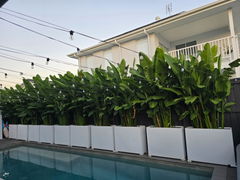
Low Growing Native Plants – Under 1m

Discover Our Range of Low Growing Australian Native Plants

Looking for beautiful Australian native plants that stay compact? Explore our range of low growing native plants, ideal for gardens throughout Brisbane, the Sunshine Coast, Moreton Bay and surrounding South East Queensland regions.

These plants typically reach a mature height of under 1 metre, making them excellent choices for garden borders, pathways, mass planting, groundcovers and smaller landscaping spaces.

At Sunshine Coast Nursery & Garden Centre, we grow and source quality Australian native plants suited to South East Queensland's subtropical growing conditions.

Our range includes compact Grevilleas, Westringias, Lomandras, Dianellas and other low growing native varieties that bring colour, texture and natural beauty to your garden.

Why Choose Low Growing Native Plants?

  • Compact Growth: Ideal for smaller gardens, narrow planting areas and spaces where height needs to be controlled.

  • Low-Maintenance Options: Many varieties require minimal pruning and ongoing care once established.

  • Perfect for Borders: Create attractive edging along pathways, driveways and garden beds.

  • Mass Planting: Excellent for larger landscaping projects requiring consistent, low growing vegetation.

  • Colour and Texture: Choose from flowering shrubs, strappy foliage plants and spreading groundcovers.

  • Wildlife-Friendly Gardens: Selected varieties provide flowers, nectar and shelter for native wildlife.

Choosing the Right Low Growing Native Plants

When selecting plants for your garden, consider their mature height and width, sunlight requirements, soil drainage and preferred growing conditions.

Some varieties form compact rounded shrubs, while others spread across the ground or develop attractive clumps of foliage.

Choosing plants suited to your available space will help create a balanced garden with less ongoing maintenance.

Buy Direct from the Grower

Browse our range of low growing Australian native plants online or visit Sunshine Coast Nursery & Garden Centre in Caloundra West.

We offer convenient nursery pickup and plant delivery throughout South East Queensland.

Planning a new garden or landscaping project? Our team provides free garden planning advice to help you choose suitable plants and calculate the quantities needed.

View

Callistemon ‘Great Balls of Fire’ with vibrant red new foliage and compact form

Callistemon Great Balls fire TC

Description:Callistemon ‘Great Balls of Fire’ TC is a compact, evergreen shrub prized for its striking pink-red new growth and dense, fine foliage. This non-flowering variety is perfect for hedging, borders, and container planting, providing year-round color and texture in the landscape. Flowers:Non-flowering variety. Foliage:Dense, fine, bright green foliage with vivid pink-red new growth, creating a striking contrast. Fruit:Does not produce fruit or seed capsules. Form & Size:Compact, rounded shrub growing approximately 1–1.5m high and 1m wide. Growing Conditions: Position: Prefers full sun to part shade. Soil: Adaptable to most well-drained soils, including sandy and clay soils. Climate: Tolerates a wide range of Australian conditions, including coastal areas and light frost. Watering: Drought-tolerant once established but benefits from occasional deep watering. Uses: Ideal for low hedging, borders, and mass planting. Excellent for topiary, rockeries, and feature planting. Suited to formal and native garden designs. Maintenance: Low-maintenance and easy to grow. Prune lightly to maintain a compact shape and encourage vibrant new growth. Apply a slow-release fertilizer in spring for healthy foliage. Notes: Drought and frost-tolerant. Provides year-round color without flowering. Companion Plants:Complements Westringia, Lomandra, and Grevillea for a water-wise, low-maintenance garden. Common Name: Great Balls of Fire BottlebrushBotanical Name: Callistemon ‘Great Balls of Fire’ TCFamily: MyrtaceaeOrigin: Australia

Regular price $17.50 AUD
Regular price Sale price $17.50 AUD
Unit price  per 
Callistemon ‘Little Caroline’ PBR with bright red bottlebrush flowers and compact green foliage

Callistemon Little Caroline PBR

Description:Callistemon ‘Little Caroline’ PBR is a compact, dense-growing bottlebrush with soft green foliage and brilliant red flowers. This hardy, low-maintenance shrub is ideal for hedging, borders, and container planting, bringing year-round interest to gardens. It thrives in various Australian climates and attracts birds and pollinators. Flowers:Vibrant red bottlebrush flowers appear in spring and summer, providing a striking contrast against the green foliage. Rich in nectar, they attract bees, butterflies, and native birds. Foliage:Fine, mid-green leaves with a soft texture, forming a naturally dense and rounded shape. Fruit:Small, woody seed capsules follow flowering, persisting on the plant. Form & Size:Compact, bushy shrub growing approximately 1.2m high and 1.2m wide. Growing Conditions: Position: Prefers full sun to part shade. Soil: Adaptable to most well-drained soils, including sandy and clay soils. Climate: Suits a range of Australian conditions, including coastal areas and light frost. Watering: Drought-tolerant once established but benefits from occasional deep watering. Uses: Ideal for low hedging, borders, and mass planting. Great for native gardens, rockeries, and container displays. Attracts birds and beneficial insects to the garden. Maintenance: Low-maintenance and easy to grow. Prune after flowering to maintain a compact shape and encourage more blooms. Apply a native plant fertilizer in spring for healthy growth. Notes: Bird and pollinator-friendly. Tolerates coastal conditions and mild frost. Companion Plants:Pairs well with Westringia, Grevillea, and Lomandra for a water-wise native garden. Common Name: Little Caroline BottlebrushBotanical Name: Callistemon ‘Little Caroline’ PBRFamily: MyrtaceaeOrigin: Australia

Regular price $27.50 AUD
Regular price Sale price $27.50 AUD
Unit price  per 
Callistemon ‘Low Rider’ with bright red bottlebrush flowers and compact green growth

Callistemon Low Rider

Description:Callistemon ‘Low Rider’ is a compact, low-growing bottlebrush variety with dense, fine foliage and vibrant red flowers. This hardy native shrub is perfect for borders, mass planting, or as a feature in small gardens. It attracts birds and pollinators, adding life and color to the landscape. Flowers:Bright red bottlebrush flowers appear in spring and summer, providing a stunning display and attracting bees, butterflies, and nectar-feeding birds. Foliage:Fine, dense, mid-green foliage that forms a neat, rounded habit, making it ideal for low hedging and ground cover. Fruit:Small woody seed capsules follow flowering, typical of Callistemon species. Form & Size:Compact, spreading shrub reaching approximately 60cm high and 1–1.2m wide. Growing Conditions: Position: Prefers full sun to part shade. Soil: Adaptable to most well-drained soils, including sandy and clay soils. Climate: Tolerates a range of Australian conditions, including coastal areas and light frost. Watering: Drought-tolerant once established but benefits from occasional watering during dry periods. Uses: Ideal for low hedging, borders, and mass planting. Great for rockeries, native gardens, and container planting. Suitable for coastal gardens and erosion control on slopes. Maintenance: Low-maintenance and easy to grow. Prune lightly after flowering to encourage dense growth and more blooms. Apply a native plant fertilizer in spring to promote healthy growth. Notes: Bird and pollinator-friendly. Tolerates coastal exposure and light frost. Companion Plants:Complements other native plants such as Westringia, Grevillea, and Lomandra for a water-wise, low-maintenance garden. Common Name: Low Rider BottlebrushBotanical Name: Callistemon ‘Low Rider’Family: MyrtaceaeOrigin: Australia

Regular price From $15.00 AUD
Regular price Sale price From $15.00 AUD
Unit price  per 
A close-up image of a Callistemon pearsonii 'Rocky Rambler' flower, showing its bright red color and dense green foliage.

Callistemon pearsonii Rocky Rambler

Description:Callistemon pearsonii 'Rocky Rambler' is a hardy, low-growing Australian native shrub known for its compact, spreading habit and bright red bottlebrush flowers. This evergreen shrub is ideal for use as a groundcover or for adding vibrant color to garden borders. Its ability to attract wildlife, particularly nectar-feeding birds, makes it a popular choice for native and wildlife-attracting gardens. Rocky Rambler is also drought-tolerant and well-suited for low-maintenance and water-wise landscapes. Flowers:The plant produces bright red, bottlebrush-shaped flowers, which appear primarily in spring and summer, with sporadic blooms throughout the year. These striking flowers are rich in nectar, attracting a variety of birds, bees, and butterflies. The vibrant red blooms stand out against the plant’s dense green foliage, adding a bold splash of color to the garden. Foliage:The foliage consists of narrow, lance-shaped leaves that are dark green and create a soft, textured appearance. The dense growth habit of the foliage forms a lush, mat-like groundcover, making it effective for stabilizing soil and suppressing weeds. Fruit:After flowering, small, woody seed capsules may develop along the stems. These seed capsules persist on the plant and add some textural interest but are not a key ornamental feature. Form and Size:Callistemon pearsonii 'Rocky Rambler' is a low-growing, spreading shrub that typically reaches a height of 40-60 cm and can spread up to 1.5-2 meters wide. Its compact, mounding form makes it ideal for groundcover, embankments, or as a filler in garden beds. Growing Conditions:Thrives in full sun and prefers well-drained soils. Rocky Rambler is drought-tolerant once established and can adapt to a variety of soil types, including sandy and loamy soils. It is also tolerant of light frosts and performs well in coastal gardens, handling salt-laden winds with ease. Mulching around the base will help retain moisture and keep the roots cool. Uses:This versatile plant is perfect for use as a groundcover in larger garden beds, rockeries, or along embankments. Its bright flowers and dense foliage also make it an excellent choice for wildlife-friendly gardens, where it attracts birds and pollinators. Rocky Rambler is well-suited for low-water gardens, coastal landscapes, and for use in erosion control. Maintenance:Low-maintenance and resilient, Callistemon pearsonii 'Rocky Rambler' requires little care once established. Light pruning after flowering will help maintain its shape and encourage fresh growth. Water deeply during extended dry periods to help establish the plant, but once established, it requires minimal watering. Apply a slow-release fertilizer in spring to support healthy growth. Notes:Callistemon 'Rocky Rambler' is valued for its resilience and ability to thrive in a variety of challenging conditions, making it an ideal choice for low-maintenance gardens. Its bright red flowers add a vibrant contrast to the landscape, while its groundcover habit makes it a practical solution for erosion control and large plantings. Companion Plants:Pairs well with other Australian natives such as Grevillea, Leptospermum, and Lomandra. Its low-growing form makes it an excellent companion to taller shrubs or trees like Banksia and Melaleuca for layered plantings. Common Name: Rocky Rambler BottlebrushBotanical Name: Callistemon pearsonii 'Rocky Rambler'Family: MyrtaceaeOrigin: Australia

Regular price $15.00 AUD
Regular price Sale price $15.00 AUD
Unit price  per 
Callistemon ‘Little Silver’ PBR with soft grey foliage and vibrant red bottlebrush flowers

Callistemon viminalis 'Little Silver 'PBR

Description:Callistemon viminalis ‘Little Silver’ PBR is a compact, fine-leaved native shrub with striking silver-grey foliage and a tidy, naturally rounded habit. Known for its soft texture and subtle elegance, this variety is ideal for modern native gardens, borders, and low-maintenance landscapes. Its unique foliage colour provides excellent contrast year-round, especially when paired with flowering or darker green plants. Flowers:Soft red bottlebrush flowers may appear in spring and summer, adding a splash of seasonal colour and attracting nectar-feeding birds and insects. Foliage:Narrow, soft silver-grey leaves give the plant its name and distinctive appearance. The foliage maintains its colour year-round and adds a soft, textural element to garden designs. Fruit:Typical woody seed capsules may form after flowering, remaining inconspicuous within the foliage. Form & Size:Compact, rounded shrub growing approximately 1–1.2m high and 1m wide. Growing Conditions: Position: Prefers full sun to part shade. Soil: Tolerates a wide range of well-drained soils, including sandy and clay types. Climate: Suited to most Australian climates, including coastal and frost-prone areas. Watering: Drought-tolerant once established. Requires occasional deep watering in extended dry periods. Uses: Ideal for borders, low hedging, and native garden beds. Excellent for coastal gardens and modern minimalist landscapes. Suitable for pots, small gardens, and wildlife-friendly planting schemes. Maintenance: Very low-maintenance. Light pruning after flowering encourages density and shape. Apply a low-phosphorus native fertiliser in spring if needed. Notes: Bird and pollinator-friendly. Tolerates wind, drought, and salt-laden coastal air. Provides unique year-round colour and soft texture. Companion Plants:Combines well with Lomandra, Grevillea, Westringia, and Dianella for a balanced, water-wise landscape. Common Name: Little Silver BottlebrushBotanical Name: Callistemon viminalis ‘Little Silver’ PBRFamily: MyrtaceaeOrigin: Australia (cultivar)

Regular price From $15.00 AUD
Regular price Sale price From $15.00 AUD
Unit price  per 
Callistemon ‘Matthew Flinders’ PBR with compact growth and bright red bottlebrush flowers

Callistemon viminalis 'Matthew Flinders 'PBR

Description:Callistemon viminalis ‘Matthew Flinders’ PBR is a compact, low-growing bottlebrush renowned for its vibrant red flowers and dense, tidy habit. This dwarf Australian native is ideal for borders, low hedges, rockeries, and container planting. With its manageable size and long flowering season, it brings bold colour and bird-attracting benefits to gardens of all sizes. Flowers:Bright red bottlebrush flowers appear prolifically in spring and summer, with spot flowering at other times. Rich in nectar, the blooms attract birds, bees, and butterflies. Foliage:Fine, narrow green leaves form a dense, compact canopy, providing year-round greenery and soft texture. Fruit:Woody seed capsules may form after flowering and remain on the plant, typical of Callistemon species. Form & Size:Dwarf shrub growing approximately 50–70cm high and 80cm wide, forming a naturally rounded shape. Growing Conditions: Position: Thrives in full sun; tolerates part shade. Soil: Grows in a wide range of well-drained soils, including sandy and clay types. Climate: Suitable for most Australian climates including coastal areas and light frost zones. Watering: Drought-tolerant once established; water deeply during extended dry periods. Uses: Perfect for borders, rockeries, and low native hedges. Great in pots and containers. Excellent for attracting birds and pollinators to compact spaces. Maintenance: Very low-maintenance. Prune lightly after flowering to maintain shape and encourage dense growth. Apply a low-phosphorus native fertiliser in spring to support flowering and health. Notes: Bird and pollinator-friendly. Compact size makes it suitable for small gardens and urban landscapes. Tolerates coastal exposure and dry conditions once established. Companion Plants:Pairs well with Lomandra, Dianella, Grevillea ‘Lady O’, and Westringia for a colourful, low-maintenance native planting palette. Common Name: Matthew Flinders BottlebrushBotanical Name: Callistemon viminalis ‘Matthew Flinders’ PBRFamily: MyrtaceaeOrigin: Australia (cultivar)

Regular price $15.00 AUD
Regular price Sale price $15.00 AUD
Unit price  per 
Callistemon Green John™ with bright red bottlebrush flowers and compact green foliage

Callistemon viminalis (LJ23) Green John™

Description:Callistemon viminalis Green John™ (LJ23) PBR is a compact, upright-growing bottlebrush with vibrant lime-green new foliage and bright red flowers. This hardy Australian native shrub has a tidy, rounded habit and is ideal for low hedging, borders, or feature planting. Its striking foliage colour and long flowering period make it an eye-catching choice for both native and formal landscapes. Flowers:Bright red bottlebrush flowers appear primarily in spring and summer, with spot flowering at other times. The flowers are rich in nectar and highly attractive to birds and pollinators. Foliage:Soft, narrow foliage emerges in vivid lime-green and matures to deep green, creating a stunning colour contrast with the red blooms. The dense, evergreen foliage maintains a tidy appearance year-round. Fruit:Woody seed capsules may form after flowering, typical of Callistemon species. Form & Size:Compact, upright shrub growing approximately 1m high and 80cm–1m wide. Growing Conditions: Position: Full sun to part shade. Soil: Tolerates a wide range of well-drained soils, including sandy, loamy, or clay. Climate: Suitable for most Australian conditions including coastal gardens and light frost areas. Watering: Drought-tolerant once established. Water occasionally during extended dry periods. Uses: Excellent for low native hedges, borders, and garden beds. Ideal for feature planting or compact native gardens. Suitable for pots and small space landscapes. Maintenance: Very low-maintenance. Prune lightly after flowering to maintain shape and promote new growth. Feed with a slow-release native fertiliser in spring for best results. Notes: Attracts birds and beneficial insects. Lime-green foliage adds year-round colour and brightness to the garden. Compact, easy-care variety perfect for modern landscapes. Companion Plants:Pairs beautifully with Grevillea ‘Ruby Jewel’, Lomandra ‘Lime Tuff’, and Westringia for a vibrant, low-maintenance native garden. Common Name: Green John™ BottlebrushBotanical Name: Callistemon viminalis (LJ23) PBRFamily: MyrtaceaeOrigin: Australia (cultivar)

Regular price From $15.00 AUD
Regular price Sale price From $15.00 AUD
Unit price  per 
Callistemon ‘Little John’ with blue-grey foliage and deep red bottlebrush flowers

Callistemon ‘Little John’

Callistemon ‘Little John’ Description:Callistemon ‘Little John’ is a popular compact bottlebrush known for its dense, rounded habit, striking blue-green foliage, and vibrant red flowers. Highly valued for its neat shape and long-lasting colour, it is perfect for borders, low hedges, and feature planting. Its manageable size and tidy appearance make it ideal for both native and formal garden styles. Flowers:Deep red bottlebrush flowers appear from spring through summer, with spot flowering at other times. The flowers attract birds, bees, and butterflies with their nectar-rich blooms. Foliage:Narrow, blue-grey to blue-green leaves give the plant a soft, contrasting appearance year-round. New growth adds fresh colour to the dense, rounded form. Fruit:Small, woody seed capsules may form after flowering, adding subtle textural interest to the stems. Form & Size:Compact, rounded shrub growing approximately 1–1.2m high and wide, with a naturally dense, tidy habit. Growing Conditions: Position: Prefers full sun but will tolerate part shade. Soil: Well-drained soils, including sandy, loamy, and clay types. Climate: Tolerates coastal conditions, drought, and light frost once established. Watering: Requires little water once established, though benefits from occasional deep watering during extended dry periods. Uses: Perfect for low hedging, borders, and mass planting. Ideal as a feature shrub in small gardens or containers. Suitable for native, modern, or cottage-style landscapes. Maintenance: Very low-maintenance. Light pruning after flowering helps maintain shape and encourage new growth. Feed with a low-phosphorus native fertiliser in spring for best performance. Notes: Attracts birds and pollinators. Neat, compact habit makes it suitable for small spaces or formal planting. Excellent in pots or as part of a mixed native border. Companion Plants:Pairs beautifully with Lomandra ‘Lime Tuff’, Westringia ‘Zena’, Dianella ‘Little Jess’, and Grevillea ‘Rosy’s Baby’ for a colourful, low-maintenance landscape. Common Name: Little John BottlebrushBotanical Name: Callistemon ‘Little John’Family: MyrtaceaeOrigin: Australia (cultivar)

Regular price From $13.50 AUD
Regular price Sale price From $13.50 AUD
Unit price  per 
Carissa desert star 140mm sunshine coast nursery and garden centre

Carissa Desert Star

Description:Carissa 'Desert Star', commonly known as Desert Star, is a compact, evergreen shrub prized for its glossy, dark green foliage and fragrant, star-shaped white flowers. This hardy and drought-tolerant plant is ideal for low-maintenance gardens, borders, and container plantings. Its dense growth and rounded form make it an excellent choice for hedging or ground cover in both coastal and inland gardens. Flowers:In spring and summer, 'Desert Star' produces small, white, star-shaped flowers with a delightful fragrance. These blooms appear intermittently throughout the year, especially in warm climates, attracting bees and other pollinators to the garden. Foliage:The plant features small, leathery, dark green leaves that are glossy and dense, creating a lush appearance year-round. The foliage remains vibrant even in hot, dry conditions, making it perfect for xeriscaping. Fruit:Occasionally, 'Desert Star' may produce small, oval, red fruit that matures to black. These berries are primarily ornamental but can attract birds to the garden. Form and Size:This shrub has a naturally compact, rounded growth habit, reaching a height of about 0.5 to 1 meter and a spread of approximately 1 meter. Its dense form and low height make it ideal for borders, small hedges, or ground cover. Growing Conditions:Desert Star thrives in full sun to partial shade and is highly adaptable to a range of soil types, including sandy and well-draining clay soils. It is drought-tolerant once established but benefits from occasional watering during prolonged dry spells. This variety also tolerates coastal conditions and is resistant to salt spray, making it suitable for seaside gardens. Uses:This versatile plant is perfect for low-maintenance landscapes, borders, rock gardens, and container plantings. It also works well as a low hedge or ground cover in dry, sunny locations. The fragrant flowers and attractive foliage make it a great addition to Mediterranean-style and coastal gardens. Maintenance:This variety is low-maintenance and easy to care for. Light pruning after flowering helps maintain its shape and encourage dense growth. Fertilize with a slow-release, balanced fertilizer in early spring to promote healthy foliage and blooms. It is generally pest and disease-resistant. Notes:Desert Star is valued for its drought tolerance, compact form, and fragrant flowers. Its resilience and adaptability make it a popular choice for gardeners looking to create water-wise, low-maintenance gardens. Companion Plants:Pairs well with other drought-tolerant plants like Lavender, Westringia, and Grevillea. It also complements ornamental grasses and succulents for a cohesive, water-wise garden design. Common Name: Desert StarBotanical Name: Carissa 'Desert Star'Family: ApocynaceaeOrigin: South Africa

Regular price From $13.50 AUD
Regular price Sale price From $13.50 AUD
Unit price  per 
Casuarina Glauca 'Green Wave' – Casuarina Glauca Green Wave plant Garden centre Sunshine Coast

Casuarina Glauca 'Green Wave'

Casuarina 'Green Wave' is a compact Australian native shrub prized for its fine, soft green foliage and naturally dense, rounded growth habit. Selected from the hardy Swamp She-oak, this low-maintenance variety provides year-round texture and colour while thriving in a wide range of Australian conditions. Its compact size makes it ideal for low hedging, borders, mass planting, native gardens and coastal landscapes, where it delivers a modern architectural look with minimal upkeep. Highly tolerant of drought, coastal exposure and poor soils, 'Green Wave' is an excellent choice for both residential and commercial landscapes. Flowers Small, inconspicuous flowers are produced during the warmer months and are followed by decorative woody cones that provide subtle seasonal interest. Foliage Fine, soft, bright green needle-like branchlets form a dense evergreen canopy that provides year-round colour and attractive texture. The foliage gently moves in the breeze, adding softness and movement to the landscape. Fruit Small woody cones develop after flowering and remain on the plant, adding natural character while providing a food source for native wildlife. Form & Size A compact, dense evergreen shrub with a naturally rounded habit. Mature Size: Approximately 60cm–1m high × 80cm–1.2m wide Growing Conditions Sun: Full sun to part shade. Soil: Grows well in a wide range of well-drained soils, including sandy, loamy and clay soils. Highly adaptable to poor soils. Water: Water regularly during establishment. Once established it is highly drought tolerant and requires very little supplementary watering. Frost: Tolerates light to moderate frosts. Wind: Excellent tolerance of coastal winds and salt spray. Climate: Well suited to subtropical, temperate, Mediterranean and coastal climates throughout Australia. Uses Low hedging Borders Mass planting Native gardens Coastal gardens Commercial landscaping Low-maintenance gardens Feature planting Streetscapes Maintenance Very low maintenance. Prune lightly if required to maintain a compact shape or encourage denser growth. Apply a slow-release native fertiliser during spring if desired. Mulching around the base will help retain soil moisture and suppress weeds during establishment. Notes 'Green Wave' is an excellent alternative to traditional low hedging plants, offering a unique fine-textured appearance with outstanding toughness. Its compact habit, drought tolerance and ability to withstand coastal conditions make it a reliable performer in modern Australian gardens. Once established, it requires minimal care while providing year-round structure and colour. Companion Plants Banksia 'Birthday Candles' Grevillea 'Gingin Gem' Westringia 'Mundi' Lomandra 'Little Pal' Dianella Myoporum parvifolium Scaevola 'Aussie Salute' Rhaphiolepis 'Snow Maiden' Callistemon 'Better John' Common Name: Green Wave Swamp She-oak Botanical Name: Casuarina glauca 'Green Wave' Family: Casuarinaceae Origin: Cultivated selection of the Australian native Casuarina glauca, which naturally occurs along the eastern coastline of Australia.

Regular price From $27.50 AUD
Regular price Sale price From $27.50 AUD
Unit price  per 
Dianella Little jess plant in our nursery in a 140mm pot

Dianella caerulea 'Little Jess' PBR

Description:Dianella caerulea ‘Little Jess’ PBR is a compact, clumping native grass-like plant prized for its tidy habit, lush strappy foliage, and small purple flowers. Bred for its non-invasive form and excellent performance in tough conditions, ‘Little Jess’ is perfect for borders, mass planting, understorey coverage, and modern landscape designs. It provides year-round structure with minimal maintenance. Flowers:Small, star-shaped purple flowers with yellow stamens appear in spring and summer, followed by small decorative blue berries. While not the main feature, they add a soft, seasonal accent. Foliage:Fine, strappy, evergreen leaves form neat, dense clumps. The foliage is rich green and holds its colour year-round, even in dry or exposed conditions. Fruit:Small, rounded, bright blue berries may follow flowering, adding a subtle pop of colour. Form & Size:Compact, clumping form growing approximately 40cm high and 40cm wide. Maintains a tidy shape without spreading. Growing Conditions: Position: Full sun to part shade. Soil: Prefers well-drained soil but tolerates a wide range of conditions including clay, sandy, and loamy soils. Climate: Tolerates frost, drought, humidity, and coastal conditions. Suitable for most Australian climates. Watering: Low water requirement once established. Water occasionally in extended dry periods. Uses: Ideal for borders, edging, and between pavers. Excellent for mass planting, roadside plantings, and commercial landscapes. Suitable for pots and small gardens. Maintenance: Extremely low-maintenance. No trimming generally required; remove old leaves occasionally if needed. Apply a slow-release fertiliser in spring for best performance. Notes: Bred for strong clumping habit and low seed production. Great for erosion control and low-traffic areas. A clean, architectural plant for modern and native gardens. Companion Plants:Pairs well with Lomandra ‘Tanika’, Westringia ‘Grey Box’, Callistemon ‘Green John’, and Grevillea groundcovers for a drought-tolerant, low-maintenance landscape. Common Name: Little Jess DianellaBotanical Name: Dianella caerulea ‘Little Jess’ PBRFamily: AsphodelaceaeOrigin: Australia (cultivar)

Regular price $15.00 AUD
Regular price Sale price $15.00 AUD
Unit price  per 
Beautiful native grass with Silver, blue foliage

Dianella Little Rev

Dianella Little Rev™ is a compact Australian native with striking blue-grey foliage and a neat, architectural growth habit. Its upright, strappy leaves provide excellent year-round colour and contrast, making it ideal for modern landscapes, borders and mass plantings. Hardy and low maintenance once established, Little Rev™ performs best in well-drained positions and is particularly useful where a smaller-growing Dianella is required. FlowersProduces small purple to blue-purple flowers during spring, typically from October to November. The delicate flowers rise above the foliage and provide additional seasonal interest. FoliageAttractive blue-grey to grey-green strappy foliage forms a dense, upright clump. The distinctive foliage colour provides excellent contrast against darker green plants and remains attractive throughout the year. FruitSmall decorative berries may develop following flowering. Form & SizeCompact, clumping and upright growth habit. Height: 0.3–0.4 mWidth: 0.3–0.4 m Growing ConditionsPosition: Full sun to part shadeSoil: Prefers well-drained soils. Avoid poorly drained positions or areas prone to waterlogging.Water: Water regularly while establishing. Drought tolerant once established. Avoid excessive irrigation.Frost: Frost tolerantWind: Tolerates exposed conditions once establishedClimate: Suitable for a range of Australian conditions. In warm, humid climates such as South East Queensland, excellent drainage is particularly important. Plant in raised or freely draining garden beds and avoid areas where water collects. UsesIdeal for borders, edging, pathways, mass planting, modern landscapes, native gardens, commercial landscaping and areas requiring a compact, low-maintenance feature plant. Its blue-grey foliage is particularly effective when planted amongst contrasting green foliage. MaintenanceVery low maintenance once established. Water during establishment and during extended dry periods if required. Older plants can be cut back periodically to rejuvenate the foliage and encourage fresh growth. Avoid excessive watering, particularly during humid or wet weather. NotesLittle Rev™ is valued for its compact size, architectural form and distinctive blue-grey foliage. For best results on the Sunshine Coast, choose a well-drained position and avoid low-lying garden beds where moisture can accumulate. Companion PlantsPairs beautifully with Lomandra, Westringia, Grevillea, Callistemon, Kangaroo Paw and other compact Australian native plants. Common Name: Little Rev™ Dianella / Flax LilyBotanical Name: Dianella revoluta ‘DR5000’ PBRFamily: AsphodelaceaeOrigin: Australia

Regular price $15.00 AUD
Regular price Sale price $15.00 AUD
Unit price  per 
Grevillea 'Lilliane' – Grevillea Lilliane plant sunshine coast nursery

Grevillea 'Lilliane'

Description: Grevillea 'Lilliane' is a compact, evergreen shrub that typically grows to about 1.5 meters in height and width. It is renowned for its attractive, finely divided foliage and stunning flowers. The leaves are dark green, deeply lobed, and have a soft, fern-like appearance, contributing to its delicate and graceful aesthetic. Flowers: The plant produces an abundance of striking flowers from late winter through to spring, and often sporadically at other times of the year. The flowers are spider-like, with long, slender, curling petals that come in a vibrant shade of red, pink, or occasionally orange. These blooms are rich in nectar, making Grevillea 'Lilliane' a magnet for birds, especially honeyeaters, as well as bees and butterflies. Cultivation: Grevillea 'Lilliane' is well-suited to Australian gardens due to its drought tolerance and low maintenance needs. It prefers a sunny position but can tolerate light shade. The plant thrives in well-drained soil and can handle a variety of soil types, including sandy and loamy soils. It's important to avoid heavy clay soils or areas with poor drainage. Watering: Once established, Grevillea 'Lilliane' requires minimal watering. During prolonged dry periods, occasional deep watering will benefit the plant, but it is generally quite drought-tolerant. Pruning: Light pruning after the main flowering period will help maintain a compact shape and encourage more prolific flowering. Avoid heavy pruning into old wood, as Grevilleas can be sensitive to this. Pests and Diseases: Grevillea 'Lilliane' is relatively pest-free. However, it can be susceptible to root rot if planted in poorly drained soil. Watch for signs of chlorosis (yellowing leaves) which can indicate iron deficiency, often remedied by using a fertiliser suitable for Australian native plants. Uses: This versatile shrub is excellent for use in garden borders, rockeries, and as a feature plant in native garden settings. Its bird-attracting properties make it ideal for wildlife gardens. Grevillea 'Lilliane' also works well in containers, providing a splash of colour and texture on patios or balconies. Environmental Benefits: Being an Australian native, Grevillea 'Lilliane' plays a role in supporting local ecosystems. It provides food and habitat for native birds, bees, and butterflies. Additionally, its low water requirements make it a sustainable choice for water-wise gardening. Care Tips: Ensure good drainage by planting in raised beds or mounds if necessary. Mulch around the base to conserve moisture and suppress weeds, but keep mulch away from the stem to prevent rot. Fertilise annually with a low-phosphorus, slow-release fertiliser formulated for native plants. Monitor for iron deficiency and treat if needed. By incorporating Grevillea 'Lilliane' into your garden, you not only enhance its beauty but also contribute to the local biodiversity, creating a vibrant and sustainable garden space. Grevillea 'Lilliane' Botanical Name: Grevillea 'Lilliane' Common Name: Lilliane Grevillea Family: Proteaceae Origin: Hybrid, developed in Australia

Regular price $18.00 AUD
Regular price Sale price $18.00 AUD
Unit price  per 
Cluster of Grevillea 'Apricot Tingle' flowers, with distinctive apricot-orange petals and green foliage.

Grevillea Apricot Tingle

Description:Grevillea 'Apricot Tingle' is a compact and hardy evergreen shrub known for its striking apricot-colored flowers and fine, feathery foliage. This Australian native is a favorite for bird-attracting gardens and is perfect for adding year-round color to a variety of landscapes. Its compact form and low-maintenance nature make it an excellent choice for native garden beds, borders, or as a feature plant in smaller spaces. Flowers:The plant produces clusters of beautiful apricot-orange flowers that appear predominantly in spring and summer, with some flowering throughout the year in milder climates. These nectar-rich flowers are highly attractive to birds, bees, and butterflies, making it a valuable addition to wildlife-friendly gardens. Foliage:Grevillea 'Apricot Tingle' has fine, deeply divided, fern-like leaves that are soft to the touch. The foliage is bright green, providing a lovely contrast to the vibrant flowers, and its dense growth habit creates a full, bushy appearance that remains attractive throughout the year. Fruit:Small, woody seed pods may form after flowering, but they are not a significant ornamental feature. The plant’s primary value is in its colorful flowers and attractive foliage. Form and Size:This compact shrub typically grows to around 1 meter in height and width, making it ideal for smaller gardens, courtyards, or as a low hedge. Its naturally rounded form requires little pruning to maintain its shape, making it a low-maintenance option for garden borders or mixed beds. Growing Conditions:Grevillea 'Apricot Tingle' thrives in full sun and well-drained soils. It is highly drought-tolerant once established and can adapt to a range of soil types, including sandy and loamy soils. It also tolerates light frosts, making it a good choice for a variety of climates. Mulching around the base helps retain moisture and keep the roots cool. Uses:This versatile shrub is perfect for use as a low hedge, border plant, or as a feature in native or mixed garden beds. Its attractive flowers and dense growth habit make it a good choice for wildlife gardens, where it provides food for birds and other pollinators. Its compact size makes it suitable for smaller gardens, courtyards, or even containers. Maintenance:Low-maintenance and hardy, Grevillea 'Apricot Tingle' requires little care once established. Light pruning after flowering can help maintain its shape and encourage bushier growth. Apply a low-phosphorus fertilizer in spring to support healthy growth and flowering, and water during extended dry periods to help establish the plant. Notes:This Grevillea is known for its resilience and ability to thrive in low-water gardens. It’s a perfect choice for gardeners looking to add color and attract wildlife without requiring much maintenance. Avoid using high-phosphorus fertilizers, as they can be harmful to Grevilleas. Companion Plants:Pairs well with other Australian natives like Callistemon, Leptospermum, and Westringia. It also contrasts beautifully with grasses like Lomandra or silver-leafed plants such as Eremophila for added texture and interest. Common Name: Grevillea 'Apricot Tingle'Botanical Name: Grevillea 'Apricot Tingle'Family: ProteaceaeOrigin: Australia (hybrid cultivar)

Regular price $17.00 AUD
Regular price Sale price $17.00 AUD
Unit price  per 
Grevillea Raptor plant label held over a Grevillea plant

Grevillea aurifolia x 'Copper Rocket' ‘Raptor’ PBR

Description:Grevillea ‘Raptor’ is a striking hybrid grevillea featuring a vigorous, upright habit, bold coppery-bronze new growth, and dense green foliage. Bred from Grevillea aurifolia and Copper Rocket, this cultivar combines ornamental appeal with outstanding hardiness, making it ideal for screens, feature planting, and wildlife gardens. Its year-round presence and vibrant tones bring strong contrast and colour to Australian landscapes. Flowers:Clusters of soft apricot-pink to light orange spider flowers appear throughout the year, with flowering peaks in late winter through spring. The blooms are nectar-rich and attract birds and pollinators, adding movement and sound to the garden. Foliage:Dense green foliage with attractive reddish-bronze tones on new growth. The leaves are broad and slightly toothed, offering a lush, structural appearance that contrasts well with fine-leaved natives. Fruit:Typical grevillea seed capsules may develop after flowering but are not a prominent feature. Form and Size:A large, upright shrub with a spreading crown, typically growing 2.5 to 3 metres high and 2 to 2.5 metres wide. It forms a dense screen and can be pruned to maintain shape or size. Growing Conditions:Best in full sun to part shade with well-drained soil. Drought-tolerant once established and will handle light frost and coastal conditions. Avoid heavy or poorly draining sites. Uses:Ideal for use as a tall informal hedge, privacy screen, or feature shrub in native gardens. Also suitable for bird-attracting landscapes, larger garden beds, and mixed borders. Its upright habit makes it a strong visual anchor in the landscape. Maintenance:Low maintenance once established. Prune after flowering to maintain a compact, dense shape. Apply a low-phosphorus native fertiliser in spring. Mulch well to retain soil moisture and suppress weeds. Notes:‘Raptor’ is a protected variety (PBR) bred for its vibrant foliage colour, upright form, and extended flowering. An excellent performer in low-maintenance or habitat-friendly gardens. Companion Plants:Combines well with Callistemon ‘Mr Foster’, Banksia spinulosa, Westringia ‘Mundi’, and Lomandra ‘Lime Tuff’. Common Name: Raptor GrevilleaBotanical Name: Grevillea aurifolia x ‘Copper Rocket’ ‘Raptor’ PBRFamily: ProteaceaeOrigin: Hybrid cultivar, Australia

Regular price $18.00 AUD
Regular price Sale price $18.00 AUD
Unit price  per 
Grevillea curviloba sunshine coast nursery

Grevillea curviloba

Grevillea curviloba Description: Grevillea curviloba, commonly known as Curly-leaved Grevillea or Prostrate Grevillea, is an attractive evergreen shrub known for its unique foliage and stunning floral display. This Australian native plant is highly valued for its ornamental appeal and adaptability, making it a versatile choice for a variety of garden landscapes. Flowers: The flowers of Grevillea curviloba are white to creamy-white and spider-like, appearing in dense clusters along the stems. Blooming from late winter to early summer, these delicate flowers are rich in nectar and attract birds and pollinators, adding life and movement to the garden. Foliage: The foliage consists of narrow, curved leaves that are bright green and finely textured. The distinctive, curled leaves create an interesting and attractive texture that complements the plant's floral display. The foliage remains lush and vibrant year-round. Form and Size: Grevillea curviloba has a low, spreading growth habit, typically reaching up to 0.5-1 meter (1.5-3 feet) in height and spreading up to 2-4 meters (6.5-13 feet). Its prostrate form makes it ideal for use as a ground cover, in rockeries, or for cascading over walls and embankments. Growing Conditions: Light: Prefers full sun to partial shade. Thrives in bright light but can tolerate some shade, particularly in hotter climates. Soil: Well-draining soil is essential. Adapts well to various soil types, including sandy and loamy soils, and prefers slightly acidic to neutral pH. Water: Low water requirements once established. Water regularly during the growing season to establish roots and reduce watering as the plant matures. It is drought-tolerant but benefits from occasional watering during extended dry periods. Temperature: Thrives in warm, temperate to subtropical climates. Hardy in USDA zones 9-11. Protect from frost and extreme cold. Humidity: Prefers moderate humidity levels. Suitable for typical garden conditions without the need for additional humidity. Uses: Grevillea curviloba is primarily grown for its ornamental value. It makes an excellent ground cover, providing a lush, green carpet that suppresses weeds and retains soil moisture. The plant's unique foliage and delicate flowers add visual interest to garden beds, borders, and rockeries. It is also well-suited for use in native and wildlife gardens, attracting birds and beneficial insects. Maintenance: This plant is relatively low-maintenance. Prune lightly after flowering to maintain its shape and encourage bushier growth. Remove any dead or damaged branches to keep the plant healthy. Mulch around the base to conserve moisture and suppress weeds. Fertilize lightly in the spring with a balanced, slow-release fertilizer. Notes: Grevillea curviloba is non-toxic and safe to grow around pets and children. It is relatively pest and disease-resistant but may occasionally attract aphids or scale insects, which can be treated with appropriate insecticides. Companion Plants: Grevillea curviloba pairs well with other low-maintenance, drought-tolerant plants with similar growing requirements, such as: Westringia fruticosa (Coastal Rosemary) Leptospermum species (Tea Tree) Banksia species Eremophila species Common Name: Curly-leaved Grevillea, Prostrate Grevillea Botanical Name: Grevillea curviloba Family: Proteaceae Origin: Native to Western Australia

Regular price $18.00 AUD
Regular price Sale price $18.00 AUD
Unit price  per 
Grevillea ‘Old Gold’ with red flowers and golden-bronze new foliage

Grevillea ilicifolia x juniperina 'Old Gold'

Description:Grevillea ‘Old Gold’ is a compact, low-growing native shrub admired for its dense, spreading habit, golden-green foliage, and rich red spider-style flowers. This hybrid combines the toughness of Grevillea juniperina with the distinctive leaf shape of Grevillea ilicifolia, resulting in a hardy, attractive plant suited to a wide range of garden settings. Its tidy growth and bird-attracting flowers make it ideal for borders, rockeries, and native landscapes. Flowers:Produces deep red spider-like flowers throughout much of the year, with flowering peaks in late winter to spring. The blooms are rich in nectar and highly attractive to honeyeaters and other pollinators. Foliage:Dense, holly-like foliage with golden-green tones, creating year-round interest and a natural contrast to the vivid flowers. The foliage is evergreen and forms a compact mat, making it ideal for weed suppression and soil coverage. Fruit:Typical woody grevillea seed capsules may develop after flowering but are not considered ornamental. Form and Size:Low-growing and spreading shrub, typically reaching around 30–60 cm high and up to 1.5 metres wide. Excellent for mass planting or low edging. Growing Conditions:Prefers full sun to light shade and thrives in well-drained soils. Very drought-tolerant once established and tolerates light frost. Suitable for coastal gardens and dry inland conditions. Uses:Ideal for native groundcovers, borders, embankments, rockeries, or as a low-maintenance filler in wildlife gardens. A good option for suppressing weeds and reducing maintenance in larger areas. Maintenance:Minimal care required. Prune lightly after flowering to encourage compact growth and repeat blooming. Apply a low-phosphorus native fertiliser annually in spring. Mulch to retain moisture and reduce weed growth. Notes:A tough, resilient plant that performs well in a wide range of conditions. Excellent for habitat gardens, particularly in dry or low-water zones. Companion Plants:Works well with Lomandra ‘Little Pal’, Callistemon ‘Green John’, Westringia ‘Zena’, and Myoporum parvifolium. Common Name: Old Gold GrevilleaBotanical Name: Grevillea ilicifolia x juniperina ‘Old Gold’Family: ProteaceaeOrigin: Hybrid cultivar, Australia

Regular price $18.00 AUD
Regular price Sale price $18.00 AUD
Unit price  per 
Grevillea juniperina ‘New Blood’ with vibrant red spider-like flowers

Grevillea junipera New Blood

Grevillea juniperina ‘New Blood’ is a compact, hardy native groundcover prized for its vivid red flowers and fine, needle-like foliage. Low-growing and dense, it’s an excellent choice for small gardens, rockeries, embankments, and wildlife-friendly landscapes, providing year-round greenery and bursts of vibrant colour. Flowers Produces masses of brilliant crimson-red spider flowers from autumn through spring, with spot flowering at other times. The nectar-rich blooms are highly attractive to birds, bees, and butterflies, making it a perfect choice for wildlife gardens. Foliage Features soft, fine-textured, needle-like green leaves that create a dense mat of foliage, contrasting beautifully with the bright red flowers. Fruit Occasionally forms small, woody seed capsules typical of Grevilleas but not considered ornamental. Form & Size A compact, spreading groundcover growing to around 30 cm high and up to 2 m wide. Growing Conditions Light: Thrives in full sun but tolerates light shade Soil: Prefers well-drained soils, including sandy, gravelly, and coastal profiles Water: Drought-tolerant once established Climate: Suitable for coastal gardens and tolerates light frost Uses Excellent as a low-maintenance groundcover Perfect for rockeries, banks, and embankments Ideal for native gardens and wildlife-friendly plantings Great for adding year-round greenery and seasonal bursts of red Maintenance Light pruning after flowering will encourage compact growth and promote heavier blooming Apply a low-phosphorus native fertiliser in spring Mulch well to retain moisture and suppress weeds Notes Excellent for erosion control and large-scale planting Non-invasive and highly adaptable to a range of soils and climates Common Name: New Blood GrevilleaBotanical Name: Grevillea juniperina ‘New Blood’Family: ProteaceaeOrigin: Australia

Regular price $18.00 AUD
Regular price Sale price $18.00 AUD
Unit price  per 
Cluster of 'Prostrate Gold' Grevillea juniperina flowers, with fine-textured foliage and yellow spider-like flowers.

Grevillea juniperina Prostrate Gold

Description:Grevillea juniperina 'Prostrate Gold', commonly known as Prostrate Gold Grevillea, is a low-growing, spreading evergreen shrub with dense, fine-textured foliage and bright golden flowers. This Australian native is highly valued for its ground-covering habit and ability to attract wildlife, making it ideal for rockeries, borders, and erosion control on slopes. Its vibrant blooms and hardy nature make it a popular choice for a wide range of landscapes. Flowers:In spring and early summer, 'Prostrate Gold' produces clusters of small, golden-yellow, spider-like flowers along its stems. These nectar-rich blooms attract birds, bees, and butterflies, adding life and movement to the garden. Foliage:The plant features needle-like, dark green leaves that give it a dense, juniper-like appearance. The fine-textured foliage forms a lush carpet, providing year-round interest and contrasting beautifully with the bright yellow flowers. Fruit:This variety does not produce notable fruit, as its primary ornamental value lies in its flowers and foliage. Form and Size:'Prostrate Gold' has a prostrate, spreading growth habit, reaching a height of 20 to 30 cm and spreading up to 2 meters wide. Its low-growing, dense form makes it ideal for ground cover and erosion control. Growing Conditions:This plant thrives in full sun and is adaptable to a range of well-draining soil types, including sandy and loamy soils. It is highly drought-tolerant once established and can withstand light frost, making it suitable for a variety of climates. Uses:'Prostrate Gold' is versatile in landscaping, often used as a ground cover, in rockeries, or on slopes for erosion control. Its compact form and bright blooms make it an excellent choice for borders and underplanting, and its ability to attract wildlife enhances the biodiversity of garden spaces. Maintenance:This variety is low-maintenance, requiring minimal pruning. Light trimming after flowering can help maintain a neat appearance and encourage denser growth. Apply a native-friendly, low-phosphorus fertilizer in spring to support healthy foliage and flowering. Notes:Prostrate Gold Grevillea is a resilient and attractive choice for Australian gardens, particularly in areas where a low-maintenance ground cover is desired. Its bright blooms and wildlife-attracting qualities make it a valuable addition to native gardens. Companion Plants:Pairs well with other ground covers and small shrubs such as Correa, Dianella, and Lomandra. It also complements native grasses and low-growing perennials, enhancing the natural look of garden beds. Common Name: Prostrate Gold GrevilleaBotanical Name: Grevillea juniperina 'Prostrate Gold'Family: ProteaceaeOrigin: Australia

Regular price $17.00 AUD
Regular price Sale price $17.00 AUD
Unit price  per 
Grevillea juniperina x rhyolitica ‘Gold Fever’ PBR with golden-yellow spider-like flowers

Grevillea juniperina x rhyolitica 'Gold Fever' PBR

Grevillea juniperina x rhyolitica ‘Gold Fever’ PBR is a compact, hardy native shrub admired for its vibrant golden-yellow flowers and fine, needle-like foliage. Perfect for small gardens, borders, and native landscapes, this low-maintenance evergreen adds year-round structure and a brilliant splash of seasonal colour. Flowers Produces an abundance of golden-yellow spider-like flowers from autumn through spring, peaking during winter. The nectar-rich blooms attract bees, butterflies, and nectar-feeding birds, making it an ideal addition to wildlife-friendly gardens. Foliage Features dense, fine, needle-like green foliage that forms a neat, compact shrub and provides an attractive contrast to the vivid flowers. Fruit Occasionally develops small, woody seed capsules typical of Grevilleas but not considered ornamental. Form & Size A small, rounded shrub typically growing to around 50 cm high and 80 cm wide. Growing Conditions Light: Thrives in full sun but tolerates partial shade Soil: Prefers well-drained soils, including sandy, gravelly, and loamy profiles Water: Drought-tolerant once established Climate: Suitable for coastal and inland gardens; tolerates light frost Uses Perfect for borders, rockeries, and compact spaces Excellent for containers and courtyard gardens Ideal for native landscapes and wildlife-friendly plantings Adds bright winter colour and year-round greenery Maintenance Light pruning after flowering helps maintain a compact shape and encourages heavier blooming Feed with a low-phosphorus native fertiliser in spring Mulch well to conserve soil moisture and suppress weeds Notes A PBR-protected variety with excellent garden performance Non-invasive and adaptable to a wide range of conditions Common Name: Gold Fever GrevilleaBotanical Name: Grevillea juniperina x rhyolitica ‘Gold Fever’ PBRFamily: ProteaceaeOrigin: Australia

Regular price $27.50 AUD
Regular price Sale price $27.50 AUD
Unit price  per 
A close-up image of Grevillea lanigera 'Mt Tamboritha' with its dense, fine foliage and pink flowers.

Grevillea lanigera Mt Tamboritha

Description:Grevillea lanigera 'Mt Tamboritha', commonly known as Woolly Grevillea, is a low-growing, spreading evergreen shrub prized for its dense mat of fine foliage and attractive pink and cream flowers. This hardy Australian native is ideal for use as a groundcover, rockery plant, or in borders, where it adds year-round interest and helps suppress weeds. It is particularly suited to coastal and low-water gardens due to its drought tolerance and adaptability to a variety of growing conditions. Flowers:Grevillea lanigera 'Mt Tamboritha' produces small, spider-like flowers that range in color from soft pink to cream, appearing mainly in winter and spring. These nectar-rich blooms attract birds, bees, and butterflies, adding to the ecological value of the plant. Flowering may also occur sporadically throughout the year in favorable conditions. Foliage:The fine, needle-like leaves are grey-green, giving the plant a soft, woolly appearance. The dense foliage creates a lush groundcover effect, making it ideal for suppressing weeds and stabilizing soil. The compact, mounding habit of the foliage makes it a popular choice for rockeries, embankments, and borders. Fruit:Occasionally, small, woody seed pods may form after flowering, but these are not a significant feature of the plant. The focus is on its long-lasting flowers and ornamental foliage. Form and Size:This low-growing shrub typically reaches around 30-50 cm in height, with a spread of 1-2 meters. Its spreading, mounding form makes it an excellent choice as a groundcover, especially in areas where a low-maintenance, drought-tolerant plant is needed. Growing Conditions:Grevillea lanigera 'Mt Tamboritha' thrives in full sun to part shade and prefers well-drained soils. It is highly drought-tolerant once established and can adapt to a range of soil types, including sandy and rocky soils. This plant is frost-tolerant and performs well in coastal gardens due to its resistance to salt-laden winds. Mulching around the base will help retain moisture and support healthy growth. Uses:This versatile groundcover is ideal for use in rockeries, garden borders, embankments, and coastal plantings. Its dense, mat-forming growth makes it perfect for stabilizing slopes or as a low-maintenance groundcover in water-wise gardens. It is also highly attractive to wildlife, particularly birds and pollinators, due to its nectar-rich flowers. Maintenance:Grevillea lanigera 'Mt Tamboritha' is a low-maintenance plant that requires minimal care once established. Light pruning after flowering helps to maintain its shape and encourage bushier growth. Apply a low-phosphorus native fertilizer in spring to promote healthy growth. Avoid overwatering, as this plant prefers well-drained conditions. Notes:This groundcover Grevillea is known for its hardiness and ability to thrive in a variety of climates, making it a great choice for low-water and coastal gardens. It is also a valuable plant for erosion control on slopes and embankments. Avoid using high-phosphorus fertilizers, as these can be harmful to Grevilleas. Companion Plants:Pairs beautifully with other Australian natives like Westringia, Leptospermum, and Callistemon. Its low-growing, spreading habit makes it an ideal companion to taller shrubs or small trees such as Banksia or Melaleuca. Common Name: Woolly GrevilleaBotanical Name: Grevillea lanigera 'Mt Tamboritha'Family: ProteaceaeOrigin: Australia

Regular price $18.00 AUD
Regular price Sale price $18.00 AUD
Unit price  per 
Grevillea lanigera ‘Winter Wonder’ with cream and deep pink spider-like flowers

Grevillea lanigera Winter Wonder

Grevillea lanigera ‘Winter Wonder’ is a compact, hardy native shrub admired for its prolific winter flowering and soft, fine foliage. This low-maintenance evergreen provides year-round greenery and bursts of vibrant colour during the cooler months, making it perfect for native gardens, borders, and wildlife-friendly landscapes. Flowers Produces masses of cream and deep pink spider-like flowers from autumn through spring, with the heaviest display during winter. The nectar-rich blooms are highly attractive to bees, butterflies, and nectar-feeding birds, bringing life and colour to the garden when most plants are dormant. Foliage Features soft, fine-textured, grey-green foliage with a slightly woolly appearance, creating an appealing contrast to the colourful flowers. Fruit Occasionally develops small, woody seed capsules typical of Grevilleas but not considered ornamental. Form & Size A compact, spreading shrub typically growing to around 60 cm high and 1.5 m wide, making it ideal for low borders and groundcover planting. Growing Conditions Light: Thrives in full sun but tolerates light shade Soil: Prefers well-drained soils, including sandy, gravelly, and loamy profiles Water: Drought-tolerant once established Climate: Suitable for coastal gardens and tolerates light frost Uses Perfect as a groundcover or low border shrub Excellent for native gardens and wildlife-friendly plantings Ideal for rockeries, embankments, and mass planting Adds brilliant winter colour to mixed landscapes Maintenance Light pruning after flowering helps maintain a compact shape and encourages heavier blooming Apply a low-phosphorus native fertiliser in spring Mulch to retain soil moisture and reduce weeds Notes Low-maintenance and highly adaptable Non-invasive and suitable for gardens of all sizes Common Name: Winter Wonder GrevilleaBotanical Name: Grevillea lanigera ‘Winter Wonder’Family: ProteaceaeOrigin: Australia

Regular price $18.00 AUD
Regular price Sale price $18.00 AUD
Unit price  per 
Grevillea ‘Amazing Grace’ in full flower with soft pink blooms and fine foliage

Grevillea laurifolia 'Amazing Grace 'PBR

Description:Grevillea ‘Amazing Grace’ is a low-growing, spreading groundcover cultivar of Grevillea laurifolia, prized for its soft pink to cream flowers and dense, trailing habit. This hardy Australian native offers excellent performance in tough conditions and is ideal for creating low-maintenance, bird-friendly groundcovers or filling large spaces with year-round appeal. Flowers:Delicate pink and cream toothbrush-style flowers are produced over a long period, with peak blooming from late winter through early summer. The blooms are rich in nectar and attract a variety of birds and insects to the garden. Foliage:Broad, leathery green leaves with a slight wave and a glossy finish. New growth may be tinged bronze. The dense foliage forms an attractive mat that helps suppress weeds and protect soil from erosion. Fruit:Woody seed capsules may develop after flowering, though they are not significant in appearance. Form and Size:A vigorous, trailing groundcover reaching around 20–40 cm high and spreading up to 2–3 metres wide. Its spreading nature makes it ideal for covering open areas, slopes, or embankments. Growing Conditions:Prefers full sun to part shade and thrives in well-drained soils. Tolerates drought, light frost, and coastal conditions once established. Not suited to heavy or poorly draining soils. Uses:Perfect for mass planting, embankments, large garden beds, rockeries, or native-style groundcovers. An excellent choice for attracting wildlife and adding colour and texture to expansive spaces. Maintenance:Very low-maintenance. Prune lightly after flowering to maintain shape and encourage dense growth. Fertilise annually in spring with a low-phosphorus native fertiliser. Mulch well to conserve moisture and improve soil health. Notes:A protected variety (PBR) bred for improved flowering and form. A tough, reliable groundcover option for gardens seeking both function and visual appeal. Companion Plants:Pairs well with Lomandra ‘Tanika’, Myoporum parvifolium, Callistemon ‘Green John’, and Hardenbergia ‘Meema’. Common Name: Amazing Grace GrevilleaBotanical Name: Grevillea laurifolia ‘Amazing Grace’ PBRFamily: ProteaceaeOrigin: Cultivar of Grevillea laurifolia, Australia

Regular price $18.00 AUD
Regular price Sale price $18.00 AUD
Unit price  per 
Grevillea obtusifolia Gingin Gem spreading native groundcover with dense bright green foliage and small red spider flowers.

Grevillea obtusifolia ‘Gingin Gem’ – Native Groundcover Grevillea

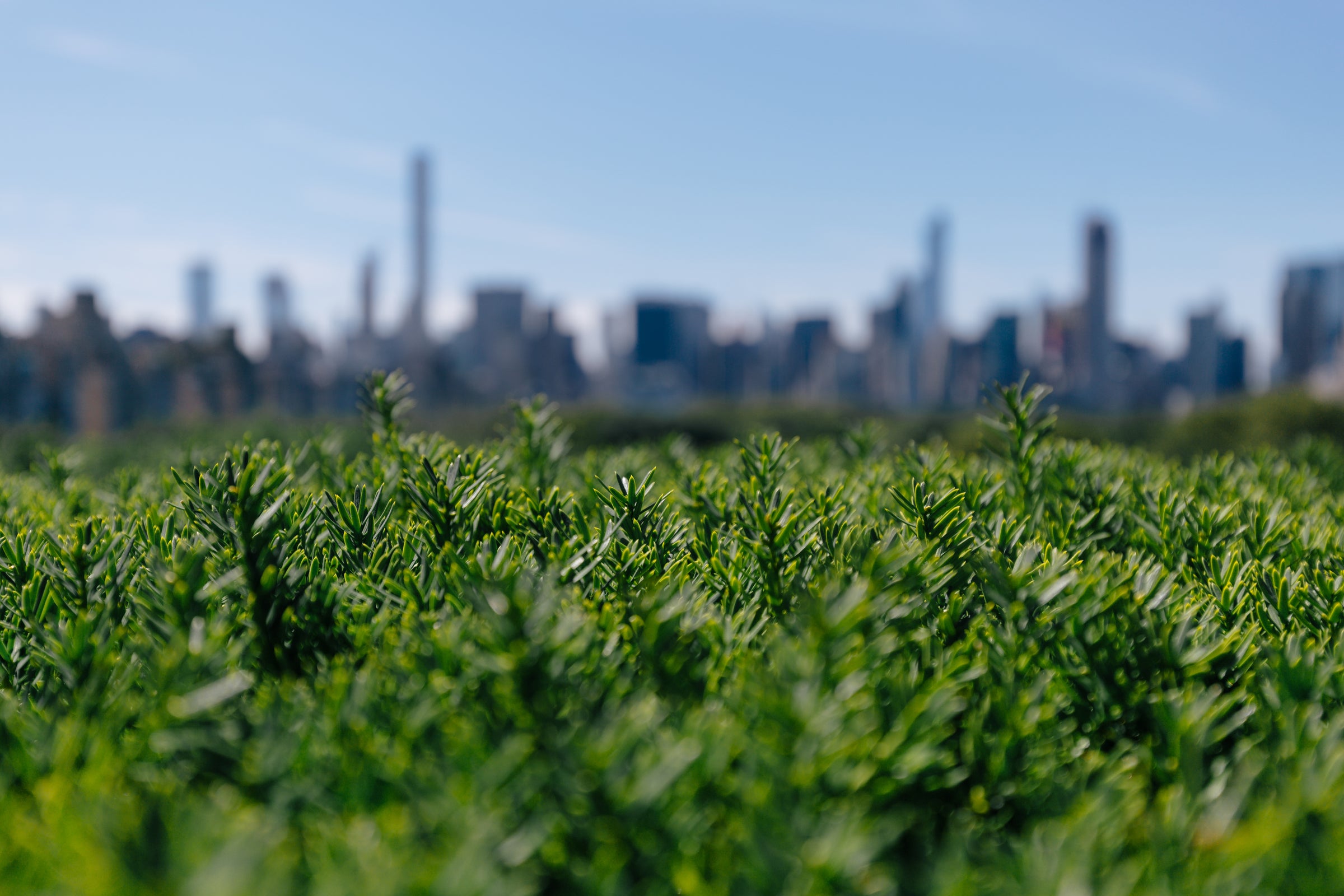
Grevillea obtusifolia ‘Gingin Gem’ is a hardy, low-growing Australian native groundcover valued for its dense, spreading habit, attractive bright green foliage and delicate red and cream spider-like flowers. This vigorous evergreen plant forms a thick carpet of foliage, making it an excellent choice for covering large garden areas, suppressing weeds and creating attractive, low-maintenance landscapes. Originating from Western Australia, Gingin Gem is particularly useful for homeowners looking for a reliable groundcover that provides year-round greenery without requiring constant maintenance. Its naturally prostrate growth habit allows it to spread across garden beds, embankments and retaining walls, softening hard landscaping and filling spaces between larger shrubs and trees. During winter and spring, small nectar-rich flowers appear amongst the foliage, attracting native birds, bees and other beneficial pollinators. Although the flowers can be partly concealed beneath the dense foliage, they provide an additional attraction to this versatile native plant. Suitable for sunny to lightly shaded positions, Grevillea Gingin Gem is drought tolerant once established and performs particularly well in free-draining soils. It is an excellent choice for native gardens, coastal landscapes, rockeries and larger residential landscaping projects. Flowers Produces small clusters of red to reddish-pink and cream spider-like flowers, predominantly during winter and spring, with occasional flowering throughout autumn. The flowers are often partially hidden amongst the dense foliage rather than displayed prominently above the plant. The nectar-rich blooms attract small native birds, bees and other beneficial pollinators. Foliage Features dense, fine-textured, bright green evergreen foliage with narrow, slightly rounded leaves. Fresh growth is often a lighter, vibrant green, gradually maturing to a deeper green. The thick, spreading foliage forms an attractive carpet that provides excellent ground coverage and helps reduce weed growth. Fruit Small, dry seed follicles may develop following flowering. These contain seeds and are generally inconspicuous amongst the dense foliage. Fruit is not considered a significant ornamental feature. Form & Size Height: Approximately 0.2–0.3 metres Width: Approximately 2–3 metres, potentially spreading to 4 metres in favourable conditions. Growth Habit: Dense, prostrate, spreading evergreen groundcover. Growth Rate: Moderate to fast under favourable growing conditions. Plant Spacing: Approximately 1.5–2 metres apart for mass planting, depending on how quickly continuous ground coverage is required. Its naturally spreading growth habit makes it ideal for covering substantial areas without developing significant height. Growing Conditions Position: Full sun to part shade. Flowers best in sunny positions but performs well in light shade. Soil: Adaptable to sandy, loamy and some clay-based soils, provided drainage is adequate. Prefers well-drained conditions and avoids prolonged waterlogging. Watering: Water regularly during establishment. Once established, Gingin Gem is drought tolerant and generally requires minimal supplementary watering, although occasional deep watering during extended dry periods is beneficial. Climate: Best suited to temperate, Mediterranean and suitable coastal climates. Can be grown in Sunshine Coast and Brisbane gardens where good drainage and airflow are provided, particularly during humid summer conditions. Frost Tolerance: Tolerates light to moderate frost once established. Coastal Tolerance: Suitable for coastal gardens, including locations exposed to coastal winds and moderate salt conditions. Uses Groundcover: Ideal for covering large garden beds with dense, attractive evergreen foliage. Weed Suppression: Forms a thick carpet that helps reduce weed establishment once fully grown. Mass Planting: Excellent for landscaping larger residential gardens and open planting areas. Embankments and Slopes: Its spreading growth habit helps stabilise soil and reduce surface erosion. Retaining Walls: Attractive when planted near the top of retaining walls, allowing branches to spread and soften hard edges. Rock Gardens: Provides a natural, low-growing contrast amongst rocks and decorative stone. Coastal Gardens: Suitable for low-maintenance coastal landscaping in free-draining soils. Native Gardens: Complements Australian native shrubs, grasses and flowering plants. Wildlife Gardens: Provides nectar and shelter for small birds and beneficial insects. Lawn Alternatives: Suitable for covering areas where a traditional lawn is unnecessary and regular foot traffic is not expected. Maintenance Grevillea Gingin Gem is a hardy, relatively low-maintenance groundcover once established. Water regularly during the initial establishment period, particularly during hot or dry weather. Once established, reduce watering frequency, allowing the soil to drain between applications. Apply a slow-release fertiliser specifically formulated for Australian native plants, ensuring it is low in phosphorus. Mulch around newly planted specimens to retain moisture and suppress weeds while the plants spread, keeping mulch clear of the main stems. Lightly prune after flowering to encourage denser growth and maintain the desired shape. Established plants can tolerate more substantial pruning if required to control their spread. Remove any dead or damaged branches to maintain healthy growth and improve airflow. Notes Grevillea obtusifolia ‘Gingin Gem’ is a selected prostrate form of a Western Australian native species, recognised for its ability to spread across large areas while maintaining a relatively low height. Unlike many flowering Grevilleas, Gingin Gem is primarily valued for its dense foliage and excellent groundcover performance rather than its floral display. Its ability to suppress weeds and cover exposed soil makes it particularly useful for larger landscaping projects where low maintenance is a priority. For Sunshine Coast and Brisbane gardens, choose a position with good drainage and adequate airflow, particularly during periods of prolonged summer humidity. Although generally hardy, some Grevillea varieties may cause skin irritation in sensitive individuals. Wearing gloves when pruning or handling the foliage is recommended. Companion Plants Lomandra Little Con: Compact native grass with fine green foliage that provides attractive contrast against the spreading groundcover. Dianella Little Rev: Blue-grey strappy foliage creates an attractive colour and textural contrast. Westringia fruticosa: Hardy evergreen shrub that provides height and structure behind low-growing Grevilleas. Banksia Birthday Candles: Compact native shrub with striking golden flower spikes, creating seasonal colour above the groundcover. Grevillea Peaches & Cream: Adds colourful flowers and height while attracting nectar-feeding birds. Correa alba: Hardy native shrub with soft grey-green foliage that complements Gingin Gem in coastal and low-maintenance gardens.

Regular price From $18.00 AUD
Regular price Sale price From $18.00 AUD
Unit price  per 
Grevillea olivacea ‘Apricot Glow’ with bright apricot-orange flowers

Grevillea olivacea Apricot Glow

Grevillea olivacea ‘Apricot Glow’ is a hardy, fast-growing native shrub renowned for its stunning apricot-coloured flowers and dense, fine-textured foliage. This attractive evergreen is perfect for coastal gardens, native landscapes, and wildlife-friendly spaces, adding vibrant colour and year-round interest. Flowers Produces masses of bright apricot-orange spider flowers from late winter through spring, attracting nectar-loving birds, bees, and butterflies. Foliage Fine, narrow, olive-green foliage forms a dense, bushy canopy, offering excellent screening and wind protection. Fruit Produces small, woody seed capsules typical of Grevilleas, though rarely used ornamentally. Form & Size An upright, bushy shrub typically growing to around 2.5 m high and 2 m wide. Growing Conditions Light: Thrives in full sun but tolerates light shade Soil: Prefers well-drained soils, including sandy and coastal conditions Water: Drought-tolerant once established Climate: Ideal for warm temperate to coastal climates; frost-tolerant once mature Uses Ideal as a feature shrub or screening hedge Excellent for native gardens and coastal landscapes Perfect for attracting birds and other pollinators Works well as a windbreak or privacy barrier Maintenance Light pruning after flowering will encourage a compact shape and heavier flowering Mulch to conserve soil moisture and suppress weeds Fertilise in spring with a low-phosphorus native fertiliser Notes Non-invasive and suitable for small to large gardens Suitable for mixed native plantings and waterwise designs Common Name: Apricot Glow GrevilleaBotanical Name: Grevillea olivacea ‘Apricot Glow’Family: ProteaceaeOrigin: Australia

Regular price $30.00 AUD
Regular price Sale price $30.00 AUD
Unit price  per 
Grevillea rosmarinifolia x hybrid ‘Lemon Daze’ with bright lemon-yellow spider flowers

Grevillea rosmarinifolia x hybrid Lemon Daze

Grevillea rosmarinifolia x hybrid ‘Lemon Daze’ is a striking, compact native shrub renowned for its vibrant lemon-yellow flowers and fine, rosemary-like foliage. Perfect for hedging, borders, and native-themed gardens, it offers year-round greenery and a brilliant display of colour during the cooler months. Flowers Produces abundant clusters of bright lemon-yellow spider-like flowers from late autumn through spring, with spot flowering at other times. The nectar-rich blooms attract bees, butterflies, and nectar-feeding birds, making it an excellent choice for wildlife-friendly gardens. Foliage Features dense, fine-textured, narrow green leaves resembling rosemary foliage, providing year-round structure and contrast to the brilliant yellow flowers. Fruit Occasionally forms small, woody seed capsules, though they are not considered ornamental. Form & Size A neat, bushy shrub typically growing to around 1.2 m high and 1.2 m wide. Growing Conditions Light: Thrives in full sun but tolerates light shade Soil: Prefers well-drained soils, including sandy, loamy, or slightly gravelly sites Water: Drought-tolerant once established Climate: Suitable for coastal gardens, warm temperate regions, and frost-tolerant once mature Uses Perfect for hedges, borders, and screening Ideal for native gardens and wildlife-attracting landscapes Works well in containers and small garden spaces Adds vibrant winter colour to mixed plantings Maintenance Light pruning after flowering encourages compact growth and repeat blooming Apply a low-phosphorus native fertiliser in spring Mulch to retain soil moisture and suppress weeds Notes Excellent choice for low-maintenance native landscapes Non-invasive and adaptable to various garden designs Common Name: Lemon Daze GrevilleaBotanical Name: Grevillea rosmarinifolia x hybrid ‘Lemon Daze’Family: ProteaceaeOrigin: Australia

Regular price From $18.00 AUD
Regular price Sale price From $18.00 AUD
Unit price  per 
Grevillea Sunkissed with bright golden-yellow flowers growing in a Sunshine Coast garden.

Grevillea Sunkissed

Grevillea 'Sunkissed' is a compact Australian native shrub prized for its masses of vibrant golden-yellow flowers and naturally dense, rounded growth habit. Flowering over an extended period, it brings long-lasting colour to the garden while attracting nectar-feeding birds, bees and other beneficial pollinators. Its compact size makes it an excellent choice for smaller gardens, native landscapes, borders and feature planting. Flowers Produces an abundance of bright golden-yellow spider flowers throughout much of the year, with peak flowering during the cooler months. The nectar-rich blooms are highly attractive to honeyeaters and other native birds. Foliage Fine, divided grey-green foliage provides year-round texture and complements the vibrant yellow flowers beautifully. Fruit Produces small seed pods following flowering, typical of Grevillea varieties, although these are generally not considered a feature. Form & Size A compact, evergreen shrub with a dense, rounded habit. Height: 1–1.5 metres Width: 1–1.5 metres Growing Conditions Thrives in full sun. Prefers well-drained soil. Drought tolerant once established. Suitable for coastal gardens. Tolerates light frost once established. Avoid heavy, poorly drained soils. Uses Native gardens Bird-attracting gardens Low hedging Borders Feature shrub Coastal gardens Low-maintenance landscapes Maintenance Water regularly during establishment. Once established, Grevillea 'Sunkissed' requires minimal watering. Light pruning after flowering will encourage a dense habit and promote repeat flowering. Apply a low-phosphorus fertiliser formulated for Australian native plants if required. Notes Grevillea 'Sunkissed' is an excellent choice for gardeners wanting a colourful, compact native shrub that flowers for much of the year. Its bright golden blooms and bird-attracting qualities make it a standout addition to Sunshine Coast gardens. Companion Plants Looks fantastic planted with Westringia, Callistemon, Banksia, Lomandra, Dianella, Kangaroo Paw (Anigozanthos) and other Australian native plants. Common Name: Sunkissed GrevilleaBotanical Name: Grevillea 'Sunkissed'Family: ProteaceaeOrigin: Australian hybrid cultivar

Regular price $18.00 AUD
Regular price Sale price $18.00 AUD
Unit price  per 
An image showing Grevillea 'Sunkissed Waters' with vibrant yellow and orange flowers and green, finely divided foliage.

Grevillea Sunkissed Waters

Description:Grevillea 'Sunkissed Waters' is a stunning evergreen shrub known for its vibrant, long-lasting blooms and fine-textured foliage. This Australian native hybrid is prized for its compact growth habit, resilience, and ability to attract birds and pollinators. The bold flowers, combined with its easy-to-care-for nature, make it a perfect choice for a wide variety of garden styles, from native landscapes to formal borders. Flowers:Grevillea 'Sunkissed Waters' produces striking, large clusters of orange to red spider-like flowers. These blooms appear primarily in spring and autumn but may continue sporadically throughout the year. The nectar-rich flowers are highly attractive to birds, bees, and butterflies, making it a wonderful addition to wildlife-friendly gardens. Foliage:The foliage is composed of fine, deeply divided, fern-like leaves in a rich green hue. The soft texture of the foliage adds a lush, delicate appearance to the plant, providing a beautiful contrast to the vibrant flowers. Fruit:Occasionally, small, woody seed pods may form after flowering, though they are not a prominent ornamental feature. Form and Size:This compact shrub typically grows to 1-1.5 meters in height and 1.5 meters in width, making it ideal for smaller gardens, low hedges, or container plantings. Its naturally bushy, rounded form is easy to maintain with minimal pruning. Growing Conditions:Grevillea 'Sunkissed Waters' thrives in full sun and well-drained soils. It is tolerant of a variety of soil types, including sandy or loamy soils, but performs best in slightly acidic to neutral conditions. Once established, it is drought-tolerant and can withstand light frosts, making it suitable for a variety of climates, including coastal areas. Uses:Ideal for use as a feature plant, low hedge, or as part of a mixed native garden bed, Grevillea 'Sunkissed Waters' provides year-round interest with its colorful blooms and attractive foliage. Its nectar-rich flowers are a magnet for pollinators, making it a perfect choice for wildlife gardens. Its compact size and form also make it suitable for container planting or smaller spaces. Maintenance:Low-maintenance and hardy, Grevillea 'Sunkissed Waters' requires minimal care. Light pruning after flowering helps maintain its shape and encourages bushier growth. Use a low-phosphorus fertilizer in spring to support healthy growth and flowering, and ensure that it is planted in well-drained soil to avoid waterlogging. Notes:This hybrid Grevillea is known for its toughness and long flowering period. It’s a perfect addition to low-water gardens or areas where wildlife attraction is desired. Like other Grevilleas, it is sensitive to high-phosphorus fertilizers, so use fertilizers designed for Australian natives. Companion Plants:Combines beautifully with other Australian natives like Callistemon, Banksia, and Kangaroo Paw. Its bright flowers contrast well with silver-leafed plants like Westringia and Eremophila, and it pairs nicely with ornamental grasses like Lomandra for added texture. Common Name: Grevillea 'Sunkissed Waters'Botanical Name: Grevillea 'Sunkissed Waters'Family: ProteaceaeOrigin: Australia (hybrid cultivar)

Regular price $30.00 AUD
Regular price Sale price $30.00 AUD
Unit price  per 
Grevillea Carpet Layer spreading native groundcover with dense evergreen foliage for Australian garden landscaping.

Grevillea ‘Carpet Layer’ – Native Groundcover Grevillea

Grevillea Carpet Layer is a low-growing, spreading Australian native groundcover valued for its ability to create a dense carpet of foliage across garden beds and open landscaping areas. Its naturally prostrate growth habit makes it an attractive choice for homeowners looking to cover exposed soil, soften garden edges and reduce ongoing garden maintenance. This versatile Grevillea is particularly effective when planted in groups, where its spreading branches gradually create a continuous layer of greenery. It is well suited to Australian native gardens, rockeries, embankments and informal landscapes. Once established, Carpet Layer requires relatively little maintenance and can tolerate periods of dry weather. For best results in Sunshine Coast and Brisbane gardens, plant in well-drained soil with good airflow, particularly during humid summer conditions. Flowers Produces small Grevillea flowers that provide seasonal interest and may attract nectar-feeding birds and beneficial insects. Flower colour and the main flowering period should be confirmed against the nursery's supplied cultivar before publication. Foliage Evergreen foliage forms a dense, spreading layer close to the ground. The overlapping branches help cover exposed soil and create a natural, low-maintenance appearance. Fruit Small seed follicles may develop following flowering. These are generally inconspicuous and are not a significant ornamental feature. Form & Size Height: Mature height requires cultivar verification. Width: Mature spread requires cultivar verification. Growth Habit: Low-growing, spreading evergreen groundcover. Growth Rate: Moderate under suitable growing conditions. Plant Spacing: Allow sufficient room for plants to spread naturally. Final spacing should be based on the confirmed mature width. Growing Conditions Position: Full sun to part shade, depending on local growing conditions. Soil: Prefers well-drained soil. Avoid prolonged waterlogging. Watering: Water regularly during establishment. Once established, reduce watering frequency while providing additional moisture during extended dry periods. Climate: Suitable for Australian native garden settings. In humid subtropical climates such as the Sunshine Coast and Brisbane, drainage and airflow are particularly important. Frost Tolerance: Requires cultivar-specific confirmation. Coastal Tolerance: Best assessed according to the level of salt exposure and the plant's performance in local conditions. Uses Groundcover: Creates a low-growing layer of foliage across garden beds. Mass Planting: Suitable for establishing larger areas of continuous greenery. Embankments and Slopes: Helps cover exposed soil and soften sloping landscapes. Rock Gardens: Provides a natural contrast against rocks and decorative stone. Retaining Walls: Can soften the appearance of hard landscaping. Australian Native Gardens: Complements native shrubs, grasses and flowering plants. Low-Maintenance Landscaping: Suitable for areas where a spreading groundcover is preferred over taller shrubs. Maintenance Water regularly during establishment, particularly during hot or dry weather. Once established, water according to seasonal conditions and soil moisture. Apply a slow-release fertiliser formulated for Australian native plants, preferably low in phosphorus. Mulch around newly planted specimens to help retain moisture and suppress weeds while the plants establish. Lightly prune as required to maintain a tidy appearance and prevent growth extending into pathways or neighbouring plants. Avoid excessive pruning into old, leafless wood. Notes Grevillea Carpet Layer is best used where a low, spreading plant is required rather than a traditional upright shrub. Its groundcover habit makes it particularly useful for larger residential landscaping projects, where multiple plants can be established to create a consistent, natural-looking planting. Accurate mature dimensions are important when planning planting quantities and spacing. Companion Plants Lomandra Little Con: Compact native grass providing contrasting fine-textured foliage. Dianella Little Rev: Attractive blue-grey strappy foliage that adds colour contrast. Westringia fruticosa: Hardy evergreen shrub providing height and structure behind low-growing groundcovers. Banksia Birthday Candles: Compact native shrub with striking golden flower spikes. Correa alba: Coastal native shrub with soft grey-green foliage and delicate white flowers. Grevillea Peaches & Cream: Adds height and colourful flowers to mixed native garden beds.

Regular price $18.00 AUD
Regular price Sale price $18.00 AUD
Unit price  per 
Grevillea Crimson Carpet red flowers groundcover

Grevillea ‘Crimson Carpet’

DescriptionGrevillea ‘Crimson Carpet’ is a popular low-growing Australian native groundcover known for its spreading habit and vibrant red flowers. This hardy variety provides excellent coverage, colour and texture, making it ideal for embankments, borders and low-maintenance native gardens. Its dense growth helps suppress weeds while attracting birdlife to the garden. FlowersProduces masses of striking crimson-red spider flowers throughout autumn, winter and spring, adding seasonal colour when many other plants are dormant. The nectar-rich blooms are highly attractive to birds and pollinators. FoliageFeatures fine, soft green foliage that forms a dense mat, providing year-round interest and a lush groundcover effect. Form & SizeA prostrate, spreading shrub that typically grows 20–30cm high and 1–2m wide, making it ideal for groundcover, rockeries and cascading over retaining walls. Growing ConditionsThrives in a full sun position with well-drained soil. Tolerant of light frost and dry conditions once established. Suitable for coastal gardens and a wide range of Australian climates. UsesPerfect for groundcover, embankment stabilisation, borders, native gardens and erosion control. Excellent for attracting birds and adding low-maintenance colour to the landscape. MaintenanceLow maintenance once established. Light pruning after flowering helps maintain shape and encourages dense growth. Avoid heavy fertilisers; use low-phosphorus native fertiliser if needed. NotesA hardy and reliable performer that provides long-lasting colour and excellent weed suppression, making it a favourite in residential and commercial landscapes. Companion PlantsPairs well with lomandra, westringia, callistemon and other low-growing native shrubs and grasses for a cohesive native planting scheme. Common Name: Grevillea Crimson CarpetBotanical Name: Grevillea ‘Crimson Carpet’Family: ProteaceaeOrigin: Australia

Regular price $17.00 AUD
Regular price Sale price $17.00 AUD
Unit price  per 
Close-up of Leptospermum 'Vertical Drop' with cascading branches and small, white, tea tree-like flowers.

Leptospermum Vertical Drop

Description:Leptospermum 'Vertical Drop' is an attractive, weeping evergreen shrub known for its graceful, cascading form and delicate white flowers. This Australian native brings elegance to gardens with its flowing branches and fine foliage, making it ideal for use in borders, as a specimen plant, or as part of a mixed native planting. Its hardy nature and ornamental appeal make it well-suited to a variety of landscapes. Flowers:In spring, 'Vertical Drop' produces masses of small, white, tea tree-like flowers along its weeping branches. The flowers create a soft, romantic display and attract bees and other pollinators, adding seasonal interest and supporting local biodiversity. Foliage:The plant features narrow, aromatic green leaves that are finely textured and densely cover the branches. The evergreen foliage remains lush year-round and complements the white blooms, adding both structure and softness to the landscape. Fruit:After flowering, small, woody seed capsules form along the stems, typical of the Leptospermum species. These add a subtle decorative element and remain on the plant, providing habitat for small insects. Form and Size:'Vertical Drop' has a weeping growth habit, with cascading branches that create a soft, fountain-like effect. It typically reaches a height of 1.5 to 2 meters and a spread of around 1 meter, making it ideal for tight spaces or as a feature plant in smaller gardens. Growing Conditions:This plant thrives in full sun to partial shade and is adaptable to various well-draining soil types, including sandy, loamy, and clay soils. It is drought-tolerant once established and can withstand light frost, making it suitable for a range of climates, including coastal areas. Uses:'Vertical Drop' is versatile in landscaping, often used as a feature plant, low hedge, or in borders. Its graceful form and white flowers make it a beautiful choice for softening the edges of garden beds, and its compact size makes it suitable for smaller spaces. Maintenance:This variety is low-maintenance, requiring minimal pruning. Light trimming after flowering can help maintain its shape and encourage denser growth. Apply a native-friendly, low-phosphorus fertilizer in spring to support healthy foliage and flowering. Notes:Leptospermum 'Vertical Drop' is valued for its weeping form and resilience. Its elegant branches and low-maintenance needs make it a popular choice for both native and ornamental gardens. Companion Plants:Pairs well with other Australian natives such as Grevillea, Westringia, and Callistemon. It also complements ground covers and small shrubs, adding textural contrast in mixed plantings. Common Name: Vertical DropBotanical Name: Leptospermum 'Vertical Drop'Family: MyrtaceaeOrigin: Australia

Regular price $15.00 AUD
Regular price Sale price $15.00 AUD
Unit price  per 
Lomandra Lime Tuff native grass with lime green foliage

Lomandra Lime tuff

DescriptionLomandra ‘Lime Tuff’ is a compact, clumping native grass prized for its fresh lime-green foliage and exceptional toughness. Bred specifically for Australian conditions, it delivers year-round colour and structure while requiring minimal maintenance. Its tidy, rounded habit makes it ideal for modern landscapes, mass plantings, and low-care gardens where reliability is key. FlowersSmall, creamy-yellow flower spikes appear mainly in spring, held subtly above the foliage. While not highly ornamental, they add seasonal interest and attract beneficial insects. FoliageThe narrow, arching leaves are a vibrant lime-green, creating a soft yet structured look in the landscape. The colour remains consistent throughout the year and provides excellent contrast against darker foliage plants or hard landscaping. Form & SizeForms a dense, rounded clump approximately 50–60cm high and wide, maintaining a neat shape without splitting or becoming untidy over time. Growing Conditions Light: Full sun to part shade Soil: Free-draining soils preferred but highly adaptable Water: Drought tolerant once established Climate: Performs exceptionally well in warm, humid and coastal conditions, including South East Queensland Hardiness: Frost tolerant once established Uses Borders and edging Mass plantings Commercial and streetscape landscapes Low-maintenance gardens Feature contrast planting Containers and planter pots MaintenanceVery low maintenance. An annual trim or tidy-up can be done if required to refresh the plant, though it generally maintains its shape naturally. Extremely tolerant of neglect, heat, humidity, and dry conditions. Notes‘Lime Tuff’ is known for its strong resistance to heat, drought, and humidity, making it a standout choice for year-round performance. It also shows good tolerance to foot traffic when planted en masse and is suitable for both residential and commercial landscapes. Companion PlantsPairs well with Lomandra ‘Tanika’, Westringia, Callistemon, Grevillea groundcovers, and architectural plants such as Cordyline and Agave. Common Name: Lomandra Lime TuffBotanical Name: Lomandra hystrix ‘Lime Tuff’Family: AsparagaceaeOrigin: Australia (cultivar selection)

Regular price $13.50 AUD
Regular price Sale price $13.50 AUD
Unit price  per 
Little Pal Lomandra with dense lime green foliage growing as a low-maintenance border in an Australian garden.

Lomandra Little Pal

Lomandra 'Little Pal' is a compact Australian native renowned for its fine-textured, bright green foliage and naturally neat, clumping habit. Bred for its tidy appearance and exceptional hardiness, it provides year-round colour and structure with very little maintenance. Ideal for borders, pathways, mass planting, rockeries and containers, this versatile variety thrives in a wide range of Australian conditions including drought, frost and coastal environments. Its compact size makes it an excellent choice for both residential and commercial landscapes where a low-growing, reliable plant is required. Flowers Small fragrant cream to pale yellow flowers are produced amongst the foliage during spring, adding subtle seasonal interest and attracting beneficial insects. Foliage Dense, fine-textured bright green foliage forms a compact clump that remains attractive throughout the year, providing excellent texture and contrast in the landscape. Fruit Small seed capsules may develop after flowering but are generally inconspicuous. The plant is primarily grown for its attractive evergreen foliage. Form & Size A compact, clump-forming evergreen native grass with a neat, upright habit. Mature Size: Approximately 60cm high × 60cm wide Growing Conditions Sun: Full sun to part shade Soil: Adaptable to most well-drained soil types including sandy, loamy and clay soils. Water: Water regularly during establishment. Once established it is highly drought tolerant and only requires occasional watering during extended dry periods. Frost: Excellent frost tolerance. Wind: Highly tolerant of coastal winds and exposed positions. Climate: Well suited to subtropical, temperate, arid and coastal climates throughout Australia. Uses Borders and edging Pathway planting Mass planting Rockeries Coastal gardens Pots and containers Commercial landscaping Courtyard gardens Low-maintenance gardens Erosion control Maintenance A very low-maintenance plant requiring little attention once established. Remove old foliage as required or cut back every few years in late winter to encourage fresh new growth. Apply a slow-release native fertiliser during spring for optimum performance. Notes Lomandra 'Little Pal' has become one of Australia's most popular compact lomandras thanks to its tidy habit, soft foliage and ability to thrive in harsh conditions. Unlike larger lomandra varieties, it maintains an attractive compact shape with minimal pruning, making it ideal for modern low-maintenance gardens. Companion Plants Liriope 'Emerald Cascade' Carex 'Feather Falls' Dianella Agapanthus Nandina Westringia Grevillea Callistemon Gardenia Common Name: Little Pal Mat Rush Botanical Name: Lomandra confertifolia 'Little Pal' Family: Asparagaceae Origin: Cultivated selection of the Australian native Lomandra confertifolia.

Regular price $13.50 AUD
Regular price Sale price $13.50 AUD
Unit price  per 

Sold out

Lomandra longifolia Verday Garden centre nursery sunshine coast

Lomandra longifolia Verday

Description: Lomandra longifolia 'Verday', commonly known as Verday Mat Rush, is a hardy and versatile evergreen grass-like plant. It is known for its lush, dense clumps of narrow, arching, dark green leaves and its ability to thrive in a wide range of conditions. This cultivar is particularly noted for its vibrant color and robust growth habit. Flowers: In spring to early summer, Lomandra longifolia 'Verday' produces small, fragrant, cream to yellow flowers on short spikes that emerge from the base of the plant. The flowers are not particularly showy but add a subtle charm to the plant. Foliage: The foliage of Lomandra longifolia 'Verday' consists of narrow, strap-like leaves that can grow up to 1 meter in length. The leaves are a deep green color, maintaining their vibrancy throughout the year. The foliage forms dense, arching clumps that create a graceful, fountain-like appearance. Fruit: Following the flowering period, Lomandra longifolia 'Verday' may produce small, inconspicuous seed capsules. These are not a primary feature of the plant and are generally not considered ornamental. Form and Size: Lomandra longifolia 'Verday' forms a dense, clumping habit. It typically reaches a height and spread of 0.8 to 1 meter, making it an excellent choice for ground cover, borders, and mass plantings. Growing Conditions: Light: Prefers full sun to partial shade. It can tolerate a wide range of light conditions, from full sun to deep shade. Soil: Thrives in well-draining soil but is highly adaptable to various soil types, including sandy, loamy, and clay soils. It is tolerant of poor soils and coastal conditions. Water: Requires moderate watering but is highly drought-tolerant once established. It can also tolerate periods of wet conditions, making it suitable for various landscapes. Temperature: Hardy to a wide range of temperatures, from mild frosts to high heat. It is well-suited to both temperate and subtropical climates. Humidity: Can tolerate a range of humidity levels, making it versatile for different garden settings. Uses: Lomandra longifolia 'Verday' is used extensively in landscaping for its low-maintenance and versatile nature. It is ideal for mass plantings, borders, ground cover, erosion control, and as an accent plant in mixed beds. Its dense foliage also makes it an excellent choice for stabilizing slopes and banks. Maintenance: The Verday Mat Rush is very low-maintenance. It requires minimal pruning, with only occasional removal of dead or damaged leaves. It benefits from an annual application of a balanced, slow-release fertilizer in spring to promote healthy growth. Due to its hardy nature, it rarely suffers from pests or diseases. Notes: Lomandra longifolia 'Verday' is non-toxic and safe for pets and children. It is a popular choice for urban landscapes and public spaces due to its resilience and low-maintenance requirements. Companion Plants: Pairs well with other drought-tolerant plants such as Dianella, Westringia, and various grasses. It also complements flowering perennials like Echinacea and Rudbeckia, as well as shrubs like Leucophyllum and Grevillea, creating a diverse and attractive garden display. Lomandra longifolia 'Verday' Common Name: Verday Mat Rush Botanical Name: Lomandra longifolia 'Verday' Family: Asparagaceae Origin: Australia

Regular price $15.00 AUD
Regular price Sale price $15.00 AUD
Unit price  per 
Melaleuca Claret Tops sunshine coast nursery

Melaleuca Claret Tops

Melaleuca 'Claret Tops' Description: Melaleuca 'Claret Tops' is a striking evergreen shrub known for its vibrant claret-colored new growth and attractive, fine-textured foliage. This Australian native plant is highly valued for its ornamental appeal and adaptability, making it an excellent choice for a variety of garden landscapes. Flowers: The flowers of Melaleuca 'Claret Tops' are small, white, and appear in dense, fluffy clusters along the stems. Blooming from late spring to early summer, these charming flowers contrast beautifully with the plant's foliage and attract pollinators such as bees and butterflies. Foliage: The foliage of 'Claret Tops' consists of small, narrow leaves that are bright green, providing a lush, fine-textured appearance. The new growth emerges in a striking claret-red color, which gradually matures to green, creating an attractive contrast and adding to the plant's visual appeal. Form and Size: Melaleuca 'Claret Tops' has a bushy, upright growth habit, typically reaching up to 1.5-2 meters (5-6.5 feet) in height and 1-1.5 meters (3-5 feet) in spread. Its compact form makes it ideal for use as a hedge, border plant, or in mixed shrub plantings. Growing Conditions: Light: Prefers full sun to partial shade. Thrives in bright light but can tolerate some shade, particularly in hotter climates. Soil: Well-draining soil is essential. Adapts well to various soil types, including sandy and loamy soils, and prefers slightly acidic to neutral pH. Water: Low to moderate water requirements once established. Water regularly during the growing season to establish roots and reduce watering as the plant matures. It is drought-tolerant but benefits from occasional watering during extended dry periods. Temperature: Thrives in warm, temperate to subtropical climates. Hardy in USDA zones 9-11. Protect from frost and extreme cold. Humidity: Prefers moderate humidity levels. Suitable for typical garden conditions without the need for additional humidity. Uses: Melaleuca 'Claret Tops' is primarily grown for its ornamental value. It makes an excellent hedge or border plant, providing a dense, evergreen screen. The plant's colorful new growth and lush foliage add visual interest to garden beds, borders, and large containers. It is also well-suited for use in native and wildlife gardens, attracting pollinators and beneficial insects. Maintenance: This plant is relatively low-maintenance. Prune lightly after flowering to maintain its shape and encourage bushier growth. Remove any dead or damaged branches to keep the plant healthy. Mulch around the base to conserve moisture and suppress weeds. Fertilize lightly in the spring with a balanced, slow-release fertilizer. Notes: Melaleuca 'Claret Tops' is non-toxic and safe to grow around pets and children. It is relatively pest and disease-resistant but may occasionally attract aphids or scale insects, which can be treated with appropriate insecticides. Companion Plants: Melaleuca 'Claret Tops' pairs well with other low-maintenance, drought-tolerant plants with similar growing requirements, such as: Grevillea species Callistemon species (Bottlebrush) Westringia fruticosa (Coastal Rosemary) Correa species Common Name: Claret Tops Botanical Name: Melaleuca 'Claret Tops' Family: Myrtaceae Origin: Native to Australia, cultivated as an ornamental plant variety

Regular price $15.00 AUD
Regular price Sale price $15.00 AUD
Unit price  per 
Melaleuca Cotton Candy sunshine coast nursery

Melaleuca Cotton Candy

Melaleuca 'Cotton Candy' Description: Melaleuca 'Cotton Candy', commonly known as Cotton Candy Melaleuca, is a delightful evergreen shrub celebrated for its stunning pink flowers and fine, feathery foliage. This Australian native plant is prized for its ornamental value and adaptability, making it a fantastic addition to a variety of garden settings. Flowers: The flowers of Melaleuca 'Cotton Candy' are fluffy, pink, and appear in dense, cylindrical spikes along the stems. Blooming from late spring to early summer, these eye-catching flowers resemble cotton candy and attract pollinators such as bees and butterflies, adding life and color to the garden. Foliage: The foliage consists of small, narrow, and finely textured leaves that are bright green. The dense foliage provides a lush, soft appearance, which contrasts beautifully with the vibrant pink flowers and adds to the plant's ornamental charm. Form and Size: Melaleuca 'Cotton Candy' has a bushy, upright growth habit, typically reaching up to 2-3 meters (6.5-10 feet) in height and 1.5-2 meters (5-6.5 feet) in spread. Its compact form makes it ideal for use as a hedge, border plant, or in mixed shrub plantings. Growing Conditions: Light: Prefers full sun to partial shade. Thrives in bright light but can tolerate some shade, particularly in hotter climates. Soil: Well-draining soil is essential. Adapts well to various soil types, including sandy and loamy soils, and prefers slightly acidic to neutral pH. Water: Low to moderate water requirements once established. Water regularly during the growing season to establish roots and reduce watering as the plant matures. It is drought-tolerant but benefits from occasional watering during extended dry periods. Temperature: Thrives in warm, temperate to subtropical climates. Hardy in USDA zones 9-11. Protect from frost and extreme cold. Humidity: Prefers moderate humidity levels. Suitable for typical garden conditions without the need for additional humidity. Uses: Melaleuca 'Cotton Candy' is primarily grown for its ornamental value. It makes an excellent hedge or border plant, providing a dense, evergreen screen. The plant's vibrant flowers and lush foliage add visual interest to garden beds, borders, and large containers. It is also well-suited for use in native and wildlife gardens, attracting pollinators and beneficial insects. Maintenance: This plant is relatively low-maintenance. Prune lightly after flowering to maintain its shape and encourage bushier growth. Remove any dead or damaged branches to keep the plant healthy. Mulch around the base to conserve moisture and suppress weeds. Fertilize lightly in the spring with a balanced, slow-release fertilizer. Notes: Melaleuca 'Cotton Candy' is non-toxic and safe to grow around pets and children. It is relatively pest and disease-resistant but may occasionally attract aphids or scale insects, which can be treated with appropriate insecticides. Companion Plants: Melaleuca 'Cotton Candy' pairs well with other low-maintenance, drought-tolerant plants with similar growing requirements, such as: Grevillea species Callistemon species (Bottlebrush) Westringia fruticosa (Coastal Rosemary) Correa species Common Name: Cotton Candy Melaleuca Botanical Name: Melaleuca 'Cotton Candy' Family: Myrtaceae Origin: Native to Australia, cultivated as an ornamental plant variety

Regular price $15.00 AUD
Regular price Sale price $15.00 AUD
Unit price  per 
Melaleuca ‘Purple Lace’ with soft green foliage and vibrant purple frilly flowers

Melaleuca thymifolia Purple Lace

Description:Melaleuca thymifolia ‘Purple Lace’ is a compact, fine-leaved native shrub prized for its soft, feathery foliage and frilly purple flowers that appear over a long season. With its tidy growth habit and reliable flowering, it is ideal for borders, native gardens, and container planting. This resilient variety performs well in a range of conditions and adds delicate texture and colour to low-maintenance landscapes. Flowers:Masses of vibrant purple, frilly flowers bloom from spring through to autumn, with spot flowering in mild climates. The flowers are highly attractive to bees and other pollinators. Foliage:Fine, needle-like green foliage gives the plant a soft, airy appearance while maintaining density. The foliage is aromatic when crushed. Fruit:Small, woody seed capsules may form after flowering, typical of Melaleuca species. Form & Size:Neat, rounded shrub growing approximately 60cm–1m high and wide. Growing Conditions: Position: Grows best in full sun to part shade. Soil: Tolerates a wide range of soils, including sandy and clay soils; adaptable to both dry and damp areas. Climate: Suitable for most Australian climates. Tolerates frost, coastal conditions, and short periods of waterlogging. Watering: Low water requirements once established but benefits from occasional watering during dry spells. Uses: Ideal for low borders, native garden beds, and rockeries. Great for mass planting, erosion control, or waterwise landscapes. Excellent in pots and containers for patios and small spaces. Maintenance: Very low-maintenance. Prune lightly after flowering to maintain a tidy shape and encourage further blooms. Apply a slow-release native fertiliser in spring for best growth and flowering. Notes: Bird, bee, and butterfly-friendly. A beautiful soft-textured alternative to more rigid native shrubs. Thrives with little care, making it ideal for beginner gardeners. Companion Plants:Pairs well with Lomandra, Grevillea, Callistemon, and other compact natives for a diverse, drought-tolerant planting scheme. Common Name: Purple Lace Honey MyrtleBotanical Name: Melaleuca thymifolia ‘Purple Lace’Family: MyrtaceaeOrigin: Australia

Regular price From $13.50 AUD
Regular price Sale price From $13.50 AUD
Unit price  per 
Melaleuca thymifolia White Lace – Melaleucawhitelace plant Garden centre Sunshine Coast

Melaleuca thymifolia White Lace

Melaleuca 'White Lace' Description: Melaleuca 'White Lace', commonly known as White Lace Melaleuca, is a charming evergreen shrub known for its elegant white flowers and finely textured foliage. This Australian native plant is prized for its ornamental value and resilience, making it an excellent choice for various garden settings. Flowers: The flowers of Melaleuca 'White Lace' are small, white, and fluffy, appearing in dense, cylindrical spikes along the stems. Blooming from late spring to early summer, these beautiful flowers create a stunning contrast against the green foliage and attract pollinators such as bees and butterflies. Foliage: The foliage consists of small, narrow, and finely textured leaves that are bright green. The dense foliage provides a soft, lace-like appearance, which serves as a perfect backdrop for the vibrant white flowers and enhances the plant's ornamental charm. Form and Size: Melaleuca 'White Lace' has a bushy, upright growth habit, typically reaching up to 2-3 meters (6.5-10 feet) in height and 1.5-2 meters (5-6.5 feet) in spread. Its compact form makes it ideal for use as a hedge, border plant, or in mixed shrub plantings. Growing Conditions: Light: Prefers full sun to partial shade. Thrives in bright light but can tolerate some shade, particularly in hotter climates. Soil: Well-draining soil is essential. Adapts well to various soil types, including sandy and loamy soils, and prefers slightly acidic to neutral pH. Water: Low to moderate water requirements once established. Water regularly during the growing season to establish roots and reduce watering as the plant matures. It is drought-tolerant but benefits from occasional watering during extended dry periods. Temperature: Thrives in warm, temperate to subtropical climates. Hardy in USDA zones 9-11. Protect from frost and extreme cold. Humidity: Prefers moderate humidity levels. Suitable for typical garden conditions without the need for additional humidity. Uses: Melaleuca 'White Lace' is primarily grown for its ornamental value. It makes an excellent hedge or border plant, providing a dense, evergreen screen. The plant's vibrant flowers and lush foliage add visual interest to garden beds, borders, and large containers. It is also well-suited for use in native and wildlife gardens, attracting pollinators and beneficial insects. Maintenance: This plant is relatively low-maintenance. Prune lightly after flowering to maintain its shape and encourage bushier growth. Remove any dead or damaged branches to keep the plant healthy. Mulch around the base to conserve moisture and suppress weeds. Fertilize lightly in the spring with a balanced, slow-release fertilizer. Notes: Melaleuca 'White Lace' is non-toxic and safe to grow around pets and children. It is relatively pest and disease-resistant but may occasionally attract aphids or scale insects, which can be treated with appropriate insecticides. Companion Plants: Melaleuca 'White Lace' pairs well with other low-maintenance, drought-tolerant plants with similar growing requirements, such as: Grevillea species Callistemon species (Bottlebrush) Westringia fruticosa (Coastal Rosemary) Correa species Common Name: White Lace Melaleuca Botanical Name: Melaleuca 'White Lace' Family: Myrtaceae Origin: Native to Australia, cultivated as an ornamental plant variety

Regular price $18.00 AUD
Regular price Sale price $18.00 AUD
Unit price  per 
Potted Melaleuca Little rita plant held by a hand with a garden background

Melaleuca ‘Little Rita’

Description:Melaleuca ‘Little Rita’ is a charming compact native shrub known for its fine, silvery-green foliage and showy purple-pink bottlebrush-style flowers. Its naturally tidy, rounded form and soft texture make it ideal for borders, mass planting, or low hedging. Fast-growing and drought-tolerant once established, this low-maintenance variety brings a gentle burst of colour and texture to native and modern garden designs. Flowers:Masses of fluffy purple-pink flowers bloom throughout spring and summer, with occasional spot flowering in warmer months. The nectar-rich blooms attract bees, butterflies, and other pollinators. Foliage:Soft, fine, grey-green foliage creates a dense, bushy shape. The fine leaves provide year-round colour and texture, softening hard edges in the landscape. Fruit:Small woody seed capsules may appear after flowering, typical of Melaleuca species. Form & Size:Compact, rounded shrub growing approximately 50–70cm high and 70–90cm wide. Maintains a tidy shape with minimal pruning. Growing Conditions: Position: Thrives in full sun to part shade. Soil: Well-drained soils including sandy and loamy types. Adapts to a range of soil conditions. Climate: Suited to most climates, including coastal, frost, and drought-prone areas. Watering: Low water needs once established. Water occasionally during extended dry periods. Uses: Ideal for borders, low hedging, and native garden beds. Excellent for mass planting, rockeries, or softening hardscapes. Suitable for small gardens and containers. Maintenance: Very low-maintenance. Light pruning after flowering encourages bushiness and shape. Apply a slow-release native fertiliser in spring if needed. Notes: Hardy and reliable under tough conditions. Great for bird and pollinator-friendly gardens. Dense form provides weed suppression and ground coverage. Companion Plants:Pairs well with Lomandra ‘Lime Tuff’, Westringia ‘Zena’, Callistemon ‘Little John’, and Grevillea ‘Strawberry Pops’ for a colourful and cohesive low-maintenance planting scheme. Common Name: Little Rita Honey MyrtleBotanical Name: Melaleuca ‘Little Rita’Family: MyrtaceaeOrigin: Australia (cultivar)

Regular price $22.00 AUD
Regular price Sale price $22.00 AUD
Unit price  per 
An image showing a group of Pennisetum alopecuroides plants with arching foliage and feathery flower spikes.

Pennisetum alopecuroides

Description:Pennisetum alopecuroides commonly known as Fountain Grass, is a compact, clump-forming perennial grass, prized for its fine-textured, arching foliage and soft, feathery flower spikes. This hardy, drought-tolerant grass is perfect for adding movement and texture to garden landscapes, and its neat, uniform habit makes it ideal for mass planting, borders, or as a feature plant in contemporary and native garden designs.  bred for its superior performance in Australian conditions. Flowers:produces elegant, bottlebrush-like flower spikes in late summer to autumn. The flower heads are soft, feathery, and pale cream to purple in color, rising above the foliage to create a striking display. These blooms add texture and movement to the garden, gently swaying in the breeze, and remain attractive through much of the season. Foliage:The narrow, arching leaves are bright green in spring and summer, turning to warm gold and copper tones in autumn, adding seasonal interest. The fine, grassy texture of the foliage forms a dense, mounded clump, which is both attractive and useful for groundcover or erosion control. Fruit:The flower spikes develop into small, inconspicuous seeds after blooming. While the seeds are not a significant ornamental feature, they add some additional texture to the plant. Form and Size:Pennisetum alopecuroides grows to a height of 60-80 cm and spreads to 50-70 cm wide, forming a neat, compact mound. Its rounded, clumping form makes it perfect for mass planting, borders, or as a low-maintenance filler plant in garden beds. Growing Conditions:thrives in full sun and prefers well-drained soils but is highly adaptable to a variety of soil types, including sandy or loamy soils. It is drought-tolerant once established and can withstand light frost. This grass is well-suited for coastal gardens, as it is tolerant of wind and salt-laden conditions. Regular mulching will help retain moisture and support healthy growth. Uses:This versatile grass is ideal for mass plantings, borders, or as a feature plant in native gardens, contemporary landscapes, or low-maintenance settings. It is perfect for erosion control on slopes and embankments, and its fine-textured foliage adds softness and movement to any garden design. is also an excellent choice for coastal gardens due to its resilience to salt and wind. Maintenance:Low-maintenance and resilient, Pennisetum alopecuroides requires little care once established. In late winter or early spring, cut back the foliage to encourage fresh new growth for the coming season. Watering is required during the establishment period, but the plant becomes drought-tolerant once mature. A slow-release fertilizer can be applied in spring to promote healthy growth. Notes:particularly hardy and compact selection of Pennisetum alopecuroides, bred for its adaptability to Australian conditions. Its fine foliage and graceful flower spikes add beauty to a wide variety of garden styles, from native landscapes to modern, minimalist designs. Companion Plants:Pairs well with other Australian natives like Grevillea, Kangaroo Paw, and Leptospermum. It also contrasts beautifully with silver-foliaged plants like Eremophila or larger shrubs like Callistemon. Common Name: Fountain GrassBotanical Name: Pennisetum alopecuroides Family: PoaceaeOrigin: Australia

Regular price $15.00 AUD
Regular price Sale price $15.00 AUD
Unit price  per 
Polygala ‘Little Bibi’ compact shrub with purple-pink flowers

Polygala 'Little Bibi' and Little Polly

Polygala ‘Little Bibi’ is a compact and reliable evergreen shrub that adds year-round colour to gardens. It is prized for its dense, rounded habit and continuous flowering, making it an easy-care choice for modern landscapes. Flowers:Produces masses of vibrant purple-pink pea-shaped flowers almost all year round, with peak displays during spring and autumn. Foliage:Small, fine, mid-green foliage that provides a neat and tidy background to the bright blooms. Fruit:Not typically grown for fruit; ornamental value lies in its flowers and compact form. Form and Size:Naturally compact shrub, growing to approximately 70cm high and 70cm wide. Growing Conditions:Thrives in full sun to part shade. Prefers a well-drained soil but is adaptable to a wide range of conditions. Drought-tolerant once established and low-maintenance. Uses:Ideal for low hedges, borders, container planting, and mass plantings. Excellent choice for small gardens, courtyards, and feature spots in mixed garden beds. Maintenance:Very easy to care for. Light pruning after flowering helps maintain shape and encourage repeat blooms. Requires little water once established. Notes:Resilient shrub with long-lasting colour, perfect for gardeners wanting reliable flowering with minimal effort. Companion Plants:Pairs well with other compact shrubs such as lavender, westringia, dwarf grevilleas, and lomandras for contrasting textures and colours. Common Name: Little Bibi PolygalaBotanical Name: Polygala myrtifolia ‘Little Bibi’Family: PolygalaceaeOrigin: Cultivar, derived from South African species

Regular price $13.50 AUD
Regular price Sale price $13.50 AUD
Unit price  per 
Scaevola Aussie Salute Pink covered in soft pink fan-shaped flowers growing as a ground cover in a Sunshine Coast garden.

Scaevola aemula 'Aussie Salute Pink'

Scaevola aemula 'Aussie Salute Pink' is a hardy, low-growing Australian native ground cover that produces masses of soft pink fan-shaped flowers over an extended flowering season. Its dense, spreading habit makes it ideal for garden borders, rockeries, hanging baskets, retaining walls and containers. Heat tolerant, drought hardy and easy to grow, this colourful native is perfectly suited to Sunshine Coast gardens. Flowers Produces an abundance of soft pink fan-shaped flowers from spring through to autumn, with flowering often continuing for much of the year in warmer climates. The nectar-rich blooms attract native bees, butterflies and other beneficial pollinators. Foliage Small, bright green foliage forms a dense carpet, providing year-round colour and an attractive contrast to the pink flowers. Fruit Produces small, inconspicuous fruits after flowering, which are not considered an ornamental feature. Form & Size A low-growing, spreading evergreen ground cover. Height: 15–25 cm Width: 1–1.5 metres Growing Conditions Thrives in full sun to part shade. Prefers well-drained soil. Drought tolerant once established. Performs well in sandy and coastal soils. Suitable for humid and subtropical climates. Tolerates light frost. Uses Ground cover Borders Rockeries Hanging baskets Pots and containers Retaining walls Coastal gardens Pollinator-friendly gardens Maintenance Water regularly during establishment. Once established, 'Aussie Salute Pink' requires minimal watering. Light trimming after heavy flowering encourages fresh growth and repeat flowering while maintaining a neat, compact appearance. Apply a balanced slow-release fertiliser in spring if desired. Notes Aussie Salute Pink provides months of vibrant colour with very little maintenance. Its spreading growth helps suppress weeds, soften garden edges and brighten sunny garden spaces with a continuous display of flowers. Companion Plants Combines beautifully with Lomandra, Dianella, Grevillea, Westringia, Myoporum, Carpobrotus, Kangaroo Paw (Anigozanthos) and other Australian native ground covers and shrubs. Common Name: Aussie Salute Pink Fan Flower Botanical Name: Scaevola aemula 'Aussie Salute Pink' Family: Goodeniaceae Origin: Australian cultivated variety

Regular price $13.50 AUD
Regular price Sale price $13.50 AUD
Unit price  per 
Scaevola Aussie Salute Blue covered in vibrant blue fan-shaped flowers growing as a ground cover in a Sunshine Coast garden.

Scaevola aemula Aussie Salute Blue

Scaevola aemula 'Aussie Salute Blue' is a hardy, low-growing Australian native ground cover that produces a profusion of vibrant blue fan-shaped flowers over an extended flowering season. Its dense, spreading habit makes it an excellent choice for garden borders, rockeries, hanging baskets, retaining walls and containers. Heat tolerant and low maintenance, this colourful native performs exceptionally well in Sunshine Coast gardens. Flowers Produces masses of striking blue fan-shaped flowers from spring through to autumn, with flowering often continuing for much of the year in warmer climates. The blooms attract native bees and other beneficial pollinators. Foliage Small, bright green foliage forms a dense mat, providing year-round colour and an attractive backdrop to the abundant flowers. Fruit Produces small, inconspicuous fruits following flowering, which are not considered an ornamental feature. Form & Size A low-growing, spreading evergreen ground cover. Height: 15–25 cm Width: 1–1.5 metres Growing Conditions Thrives in full sun to part shade. Prefers well-drained soil. Drought tolerant once established. Performs well in sandy and coastal soils. Suitable for humid and subtropical climates. Tolerates light frost. Uses Ground cover Borders Rockeries Hanging baskets Pots and containers Retaining walls Coastal gardens Pollinator-friendly gardens Maintenance Water regularly during establishment. Once established, 'Aussie Salute Blue' requires minimal watering. Light trimming after heavy flowering helps maintain a tidy appearance and encourages fresh growth and repeat flowering. Apply a balanced slow-release fertiliser in spring if desired. Notes Aussie Salute Blue is an excellent low-maintenance native for adding long-lasting colour to the garden. Its spreading habit suppresses weeds, softens garden edges and provides a reliable display of flowers for much of the year. Companion Plants Looks fantastic planted with Lomandra, Dianella, Grevillea, Westringia, Myoporum, Carpobrotus, Kangaroo Paw (Anigozanthos) and other Australian native ground covers and shrubs. Common Name: Aussie Salute Blue Fan Flower Botanical Name: Scaevola aemula 'Aussie Salute Blue' Family: Goodeniaceae Origin: Australian cultivated variety

Regular price $13.50 AUD
Regular price Sale price $13.50 AUD
Unit price  per 
Scaevola Mauve clusters sunshine coast nursery

Scaevola Mauve Clusters

Scaevola aemula 'Mauve Clusters' is a hardy Australian native ground cover that produces masses of attractive mauve fan-shaped flowers over an extended flowering season. Its naturally spreading habit makes it an excellent choice for borders, rockeries, retaining walls, hanging baskets and containers. Tough, heat tolerant and low maintenance, it provides reliable colour for Sunshine Coast gardens throughout much of the year. Flowers Produces abundant clusters of soft mauve fan-shaped flowers from spring through to autumn, with flowering often continuing for much of the year in warmer climates. The nectar-rich blooms attract native bees, butterflies and other beneficial pollinators. Foliage Small, bright green foliage forms a dense, spreading mat, providing year-round interest and an attractive contrast to the colourful flowers. Fruit Produces small, inconspicuous fruits after flowering, which are not considered an ornamental feature. Form & Size A low-growing, spreading evergreen ground cover. Height: 15–25 cm Width: 1–1.5 metres Growing Conditions Thrives in full sun to part shade. Prefers well-drained soil. Drought tolerant once established. Performs well in sandy and coastal soils. Suitable for humid and subtropical climates. Tolerates light frost. Uses Ground cover Borders Rockeries Hanging baskets Pots and containers Retaining walls Coastal gardens Pollinator-friendly gardens Maintenance Water regularly during establishment. Once established, 'Mauve Clusters' requires minimal watering. Light trimming after flowering encourages fresh growth, maintains a compact habit and promotes repeat flowering. Apply a balanced slow-release fertiliser in spring if desired. Notes Mauve Clusters is a versatile native that provides long-lasting colour with very little maintenance. Its spreading growth habit makes it ideal for filling spaces, suppressing weeds and cascading over walls and garden edges. Companion Plants Looks beautiful planted with Lomandra, Dianella, Grevillea, Westringia, Myoporum, Carpobrotus, Kangaroo Paw (Anigozanthos) and other Australian native ground covers and shrubs. Common Name: Mauve Clusters Fan Flower Botanical Name: Scaevola aemula 'Mauve Clusters' Family: Goodeniaceae Origin: Australian cultivated variety

Regular price $15.00 AUD
Regular price Sale price $15.00 AUD
Unit price  per 
Westringia Blue Gem PBR with dense grey-green foliage and soft mauve-blue flowers growing in a Sunshine Coast garden.

Westringia Blue Gem PBR

Westringia hybrid (WES03) 'Blue Gem' PBR is a compact, evergreen Australian native shrub selected for its naturally dense growth, attractive grey-green foliage and prolific display of soft mauve-blue flowers. With a neat rounded habit and excellent drought tolerance, it is ideal for low hedging, borders, coastal gardens and mass planting. Tough, low maintenance and easy to shape, 'Blue Gem' performs exceptionally well in Sunshine Coast gardens. Flowers Produces an abundance of soft mauve-blue flowers from spring through autumn, with spot flowering possible throughout the year in mild climates. The blooms attract native bees and other beneficial pollinators. Foliage Fine grey-green foliage remains dense throughout the year, creating an attractive, naturally rounded shrub that responds well to pruning. Fruit Produces small, inconspicuous nutlets after flowering, which are not considered an ornamental feature. Form & Size A compact, rounded evergreen shrub. Height: 80 cm–1.2 metres Width: 80 cm–1.2 metres Growing Conditions Thrives in full sun to part shade. Prefers well-drained soil. Drought tolerant once established. Suitable for coastal gardens and exposed positions. Tolerates sandy and clay soils. Tolerates light frost. Performs well in humid and subtropical climates. Uses Low hedging Borders Feature shrub Mass planting Coastal gardens Native gardens Pots and containers Low-maintenance landscapes Maintenance Water regularly during establishment. Once established, 'Blue Gem' requires minimal watering. Light pruning after flowering or several times a year will maintain its compact shape and encourage dense new growth. Apply a slow-release native fertiliser in spring if desired. Notes Westringia 'Blue Gem' PBR is an outstanding landscaping shrub valued for its tidy growth habit, long flowering period and exceptional toughness. It is an excellent choice for formal or informal gardens where reliable, year-round structure and colour are desired. Companion Plants Pairs beautifully with Lomandra, Dianella, Grevillea, Callistemon, Scaevola, Correa, Kangaroo Paw (Anigozanthos) and other Australian native plants. Common Name: Blue Gem Coastal Rosemary Botanical Name: Westringia hybrid (WES03) 'Blue Gem' PBR Family: Lamiaceae Origin: Australian cultivated hybrid

Regular price $15.00 AUD
Regular price Sale price $15.00 AUD
Unit price  per 
Westringia fruticosa 'Aussie Box' – Westringia AussieBox Sunshine Coast Nursery

Westringia fruticosa 'Aussie Box'

Westringia fruticosa 'Aussie Box' is a compact Australian native shrub bred as a tough, low-maintenance alternative to traditional box hedging. Featuring dense, fine grey-green foliage and a naturally rounded growth habit, it responds exceptionally well to clipping, making it ideal for formal hedges, borders, topiary and low-maintenance landscapes. Hardy and drought tolerant once established, 'Aussie Box' thrives in Sunshine Coast gardens. Flowers Produces small white to pale mauve flowers throughout spring and summer, with spot flowering often occurring during the rest of the year. The blooms attract native bees and other beneficial pollinators. Foliage Dense, fine grey-green foliage provides year-round colour and creates a naturally compact shrub that requires minimal pruning to maintain its shape. Fruit Produces small, inconspicuous nutlets after flowering, which are not considered an ornamental feature. Form & Size A compact, rounded evergreen shrub. Height: 60 cm–1 metre Width: 60 cm–1 metre Growing Conditions Thrives in full sun to part shade. Prefers well-drained soil. Drought tolerant once established. Suitable for coastal gardens and exposed sites. Tolerates sandy, loamy and clay soils. Tolerates light frost. Performs well in humid and subtropical climates. Uses Formal hedging Low borders Topiary Feature planting Pots and containers Coastal gardens Native gardens Low-maintenance landscapes Maintenance Water regularly during establishment. Once established, 'Aussie Box' requires minimal watering. Clip lightly as required to maintain a neat shape. Apply a slow-release native fertiliser during spring to encourage healthy growth. Notes Aussie Box is an excellent native substitute for traditional box hedges, offering the same neat appearance with greater drought tolerance and fewer maintenance requirements. Its compact habit and resilience make it ideal for residential and commercial landscapes. Companion Plants Pairs beautifully with Lomandra, Dianella, Grevillea, Callistemon, Correa, Scaevola, Kangaroo Paw (Anigozanthos) and other Australian native plants. Common Name: Aussie Box Coastal Rosemary Botanical Name: Westringia fruticosa 'Aussie Box' Family: Lamiaceae Origin: Selected cultivar of an Australian native species
Regular price From $15.00 AUD
Regular price Sale price From $15.00 AUD
Unit price  per