Alocasia & Elephant Ear Plants – Tropical Foliage

Alocasia & Elephant Ear Plants – Bold Tropical Foliage for Your Garden

Create a lush tropical atmosphere with our range of Alocasia and Elephant Ear plants. Famous for their spectacular oversized leaves, distinctive shapes and architectural appearance, these tropical foliage plants are ideal for adding dramatic impact to gardens throughout the Sunshine Coast, Brisbane and South East Queensland.

From compact Alocasias suited to sheltered courtyards and decorative pots to impressive giant Elephant Ear varieties that create a bold tropical statement, these plants bring beautiful foliage, texture and a resort-style appearance to outdoor spaces.

Foliage

The main attraction of Alocasias and Elephant Ears is their striking foliage. Depending on the variety, leaves may be large and heart-shaped, upright and arrow-shaped, or beautifully textured with prominent veins.

Foliage colours range from rich green to deep green, silver, purple and almost black, with some varieties featuring contrasting veins or unusual leaf surfaces.

Large-leaf varieties create an impressive tropical appearance, particularly when planted alongside palms, gingers, ferns and other lush foliage plants.

Flowers

Alocasias and related Elephant Ear plants can produce small, specialised flowers consisting of a spathe surrounding a spadix.

These flowers are generally less noticeable than the foliage, which remains the main ornamental feature.

Form & Size

Growth habits vary considerably between species and cultivars.

Compact ornamental Alocasias may grow approximately 30–80 cm tall, while larger varieties such as Alocasia macrorrhizos and Alocasia portodora can reach approximately 2–4 m or more in favourable conditions.

Many varieties grow from underground corms or rhizomes and gradually form impressive clumps of tropical foliage.

Always consider mature height, spread and available growing space when selecting larger Elephant Ear varieties.

Growing Conditions

  • Position: Bright filtered light to part shade for many varieties, although some established large-leaf types tolerate full sun with adequate moisture.

  • Soil: Rich, fertile soil with good drainage and plenty of organic matter.

  • Water: Consistent moisture during active growth, without allowing poorly drained soil to remain waterlogged.

  • Climate: Warm tropical and subtropical conditions.

  • Frost: Most varieties are sensitive to frost and benefit from sheltered planting positions.

  • Humidity: Many varieties perform best in humid, protected environments.

Uses

  • Tropical and resort-style gardens

  • Large-leaf feature planting

  • Shaded and partially shaded garden beds

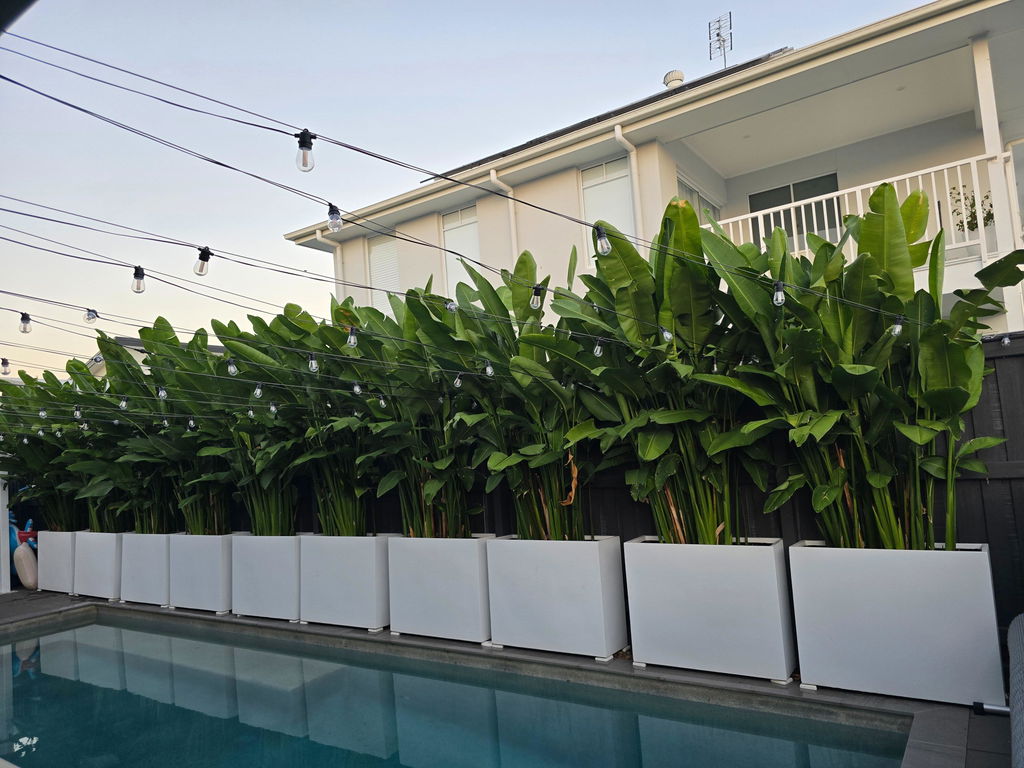
  • Poolside tropical landscaping in suitable positions

  • Decorative pots and large planters

  • Courtyards and sheltered entrances

  • Layered tropical foliage gardens

Maintenance

Maintain consistent soil moisture during warmer weather and apply organic mulch to help protect roots and retain moisture.

Feed during the active growing season to encourage healthy leaf development.

Remove damaged, yellowing or older leaves as required to maintain an attractive appearance.

Some varieties naturally slow their growth or become dormant during cooler weather, producing fresh foliage when warmer conditions return.

Choosing the Right Alocasia or Elephant Ear

When choosing an Alocasia, consider the mature size, sunlight requirements and available garden space.

Compact varieties are excellent for decorative pots, sheltered patios and smaller tropical gardens, while larger Elephant Ear plants can create impressive focal points and lush foliage backdrops.

For South East Queensland gardens, selecting varieties suited to local temperatures, humidity and exposure will help achieve the best results.

Important: Alocasias and many related Elephant Ear plants contain irritating calcium oxalate crystals and should not be eaten. Keep them away from pets and children who may chew the foliage.

Buy Alocasias & Elephant Ear Plants Direct from the Grower

At Sunshine Coast Nursery & Garden Centre, we grow and source quality tropical plants for gardens and landscaping projects throughout South East Queensland.

Browse our range of Alocasias and Elephant Ear plants online or visit our nursery in Caloundra West for friendly advice and assistance selecting the right varieties.

Nursery pickup and plant delivery are available throughout our service areas.

Planning a tropical garden? Ask our team about our free garden planning advice to help create a beautiful, practical landscape.

View

Alocasia 'Lutea' with large green elephant ear leaves and golden-yellow stems

Alocasia macrorrhizos Lutea

Description:Alocasia macrorrhizos ‘Lutea’ is a striking tropical foliage plant celebrated for its massive, glossy green leaves and distinctive bright yellow-gold stems and veins. This bold, architectural plant adds an exotic feel to any garden or landscape and makes an impressive focal point in large containers or tropical-style plantings. ‘Lutea’ thrives in warm, humid conditions and brings year-round interest with its dramatic form and luminous stems. Flowers:Occasional pale spathe and spadix-type flowers may appear in mature plants, though this plant is grown primarily for its ornamental foliage. Foliage:Large, upward-facing green leaves with prominent veining grow on thick, vibrant golden-yellow stems. The unique stem colour provides a striking contrast and adds a luminous glow to garden beds or indoor spaces. Fruit:Rarely produces fruit in cultivation. Form & Size:Fast-growing, clumping plant reaching approximately 1.5–2.5m high and around 1.5m wide. Can grow larger in ideal tropical conditions. Growing Conditions: Position: Prefers part shade to filtered sun; can tolerate full sun in humid climates with adequate moisture. Soil: Enjoys rich, well-drained soil high in organic matter. Climate: Best suited to tropical and subtropical climates. Protect from frost and cold winds. Watering: Keep soil consistently moist, especially in warm weather. Avoid waterlogging. Uses: Excellent as a feature plant in tropical gardens or shady corners. Perfect for large pots or containers in patios and courtyards. Creates bold impact in foliage-focused plantings and mixed tropical borders. Maintenance: Low-maintenance once established. Remove old or damaged leaves to maintain a tidy appearance. Apply a balanced liquid fertiliser during the growing season for lush growth and rich colour. Notes: Shelter from strong winds to prevent damage to large leaves. Can be grown indoors in bright, indirect light with high humidity. Toxic if ingested – keep away from pets and small children. Companion Plants:Pairs beautifully with Cordyline fruticosa, Heliconia, Alpinia, and Colocasia for a lush, layered tropical look. Common Name: Lutea Elephant EarBotanical Name: Alocasia macrorrhizos ‘Lutea’Family: AraceaeOrigin: Southeast Asia and the Pacific Islands (cultivar)

Regular price $30.00 AUD
Regular price Sale price $30.00 AUD
Unit price  per 
A collection of Alocasia macrorrhiza, also known as Giant Taro or Elephant Ear, plants with large green leaves in a garden setting, under a shade structure.

alocasia macrorrhiza - Giant Taro - Elephant Ear

Alocasia macrorrhiza, commonly known as Giant Taro or Giant Elephant Ear, is a spectacular tropical foliage plant valued for its enormous, upright green leaves and impressive architectural form. Its bold, arrow-shaped foliage creates an instant tropical atmosphere, making it an outstanding feature plant for large gardens, rainforest-inspired landscapes and sheltered outdoor spaces. With its vigorous growth and commanding presence, Giant Taro is particularly well suited to tropical and subtropical gardens throughout the Sunshine Coast. Its lush foliage provides height, structure and a dramatic contrast against smaller tropical plants, palms and ferns. Flowers Produces occasional pale green to creamy-white flowers consisting of a central spadix surrounded by a greenish spathe, typical of plants in the Araceae family. Flowering is most likely during warmer months on mature plants, although the flowers are relatively inconspicuous compared with the large foliage. Foliage Features enormous, glossy, deep-green, arrow-shaped leaves held upright on thick, sturdy stalks. The prominent veins and broad leaf blades create a dramatic tropical appearance. Under favourable growing conditions, individual leaves can exceed 1 metre in length. The foliage is generally held upright rather than drooping, distinguishing it from some other plants commonly sold as Elephant Ears. Fruit Following successful pollination, small berry-like fruits may develop along the flowering spadix. These can turn orange-red as they mature. Fruiting is uncommon in many cultivated garden specimens, and the plant is primarily grown for its ornamental foliage. Form & Size Height: Approximately 2–4 metres Width: Approximately 2–3 metres Growth Habit: Large, upright, clump-forming tropical perennial with a thick, developing stem Growth Rate: Fast during warm, humid conditions In ideal tropical environments, mature specimens can grow considerably larger. Allow generous space for the mature foliage, particularly when planting near pathways, buildings or outdoor entertaining areas. Growing Conditions Sunlight: Prefers partial shade to bright, filtered sunlight. Established plants can tolerate considerable direct sun when adequate soil moisture is available, although protection from intense afternoon sun helps maintain attractive foliage. Soil: Thrives in fertile, organically enriched soil with good drainage and moisture retention. Incorporating compost and organic matter encourages vigorous growth. Water: Requires regular watering, particularly during establishment and warmer weather. Prefers consistently moist soil and can tolerate wetter conditions than many other ornamental plants, provided the root zone does not become stagnant. Frost: Frost sensitive. Cold weather may damage the foliage, and severe frost can cause substantial dieback. Best grown in warm, protected positions. Wind: Prefers shelter from strong winds, which can tear or damage the enormous leaves. Climate: Excellent for tropical and subtropical climates, including the Sunshine Coast and South East Queensland. Performs best in warm, humid environments. Uses Tropical Gardens: Creates an impressive rainforest-inspired appearance with its enormous foliage. Feature Planting: Ideal as a bold architectural feature in spacious garden beds. Poolside Landscaping: Adds a resort-style tropical atmosphere in sheltered positions. Rainforest Gardens: Excellent for creating lush layers beneath taller trees and palms. Large Courtyards: Provides dramatic foliage and height where sufficient growing space is available. Mass Planting: Can be planted in groups to create a dense, tropical landscape effect. Large Containers: Suitable for substantial decorative pots, although container-grown plants may require additional watering and feeding. Maintenance Alocasia macrorrhiza is relatively easy to maintain in suitable growing conditions. Remove older, yellowing or damaged leaves as required to maintain a neat appearance. Use clean pruning tools and cut unwanted leaf stalks close to their attachment point. Apply a balanced slow-release fertiliser during spring and summer to support vigorous foliage growth. Maintain a generous layer of organic mulch around the base to conserve moisture and improve soil conditions. During cooler months, growth may slow and older leaves may deteriorate. Reduce watering where necessary, particularly if the plant is not actively growing. Established plants may develop offsets around the base, which can be separated when required. Notes Giant Taro is a very large-growing plant and should be positioned where its mature height and spread can be accommodated without obstructing pathways or structures. Although some traditional food uses are associated with this species, all parts contain irritating calcium oxalate crystals and should not be eaten raw. Incorrect preparation can cause serious irritation or poisoning. It should be treated as an ornamental plant rather than a food crop. Keep away from pets and children who may chew the foliage. Sap may irritate sensitive skin, so gloves are recommended when pruning or handling damaged plant material. Alocasia macrorrhiza is sometimes confused with other large Elephant Ear plants, including Alocasia odora, Alocasia 'Portodora' and species of Colocasia. Its large upright foliage and substantial mature size are distinguishing characteristics. Companion Plants Alocasia 'Portodora': Provides contrasting ruffled foliage and a slightly more compact growth habit. Alpinia nutans – Dwarf Cardamom: Adds dense, aromatic foliage beneath the larger leaves. Heliconia: Introduces colourful tropical flowers and contrasting upright growth. Philodendron Xanadu: Creates a lower-growing layer of deeply divided foliage. Bird's Nest Fern: Complements the tropical appearance with lush, arching green fronds. Cordyline: Adds colourful foliage contrast and vertical interest. Common Name: Giant Taro / Giant Elephant Ear / Elephant Ear Botanical Name: Alocasia macrorrhiza (L.) G.Don Family: Araceae Origin: Tropical Asia and the western Pacific

Regular price $35.00 AUD
Regular price Sale price $35.00 AUD
Unit price  per 
Alocasia Portodora Upright Elephant Ear tropical plant with large glossy green ruffled leaves and upright growth

Alocasia portodora – Upright Elephant Ear

Alocasia portodora, commonly known as Upright Elephant Ear or Portodora Elephant Ear, is a spectacular tropical foliage plant renowned for its enormous, glossy green leaves and striking architectural appearance. Its large, arrow-shaped leaves feature deeply textured veins and distinctive ruffled edges, creating a dramatic tropical display. With its upright, clumping growth habit and impressive foliage, Alocasia portodora makes an outstanding feature plant for tropical gardens, sheltered courtyards, large decorative pots and subtropical landscapes. Well suited to warm Sunshine Coast conditions, it creates a lush, rainforest-inspired atmosphere and provides bold contrast against finer-leaved plants. Flowers Produces occasional greenish-white to cream inflorescences consisting of a central spadix surrounded by a protective spathe. Flowering is generally infrequent and most likely during warmer months when growing conditions are favourable. The flowers are relatively inconspicuous compared with the plant's impressive foliage. Foliage Features exceptionally large, glossy, deep-green leaves with prominent veins and heavily rippled margins. The leaves are held upright on strong, fleshy stems, sometimes displaying subtle purple colouring. Their distinctive arrow-shaped form and textured appearance create a striking architectural feature. In favourable conditions, mature leaves can reach approximately 1 metre or more in length. Fruit Small berry-like fruits may occasionally develop following successful pollination. Fruiting is uncommon in cultivation, and the plant is primarily grown for its ornamental foliage. Form & Size Height: Approximately 1.5–2.5 metres Width: Approximately 1.2–1.8 metres Growth Habit: Upright, clumping, tropical perennial Growth Rate: Moderate to fast during warm, humid conditions Alocasia portodora develops a strong, upright structure with large leaves extending outward from its central clump. Plants grown in ideal tropical conditions may exceed these dimensions, while container-grown specimens generally remain smaller. Growing Conditions Sunlight: Prefers partial shade to bright, filtered sunlight. Morning sun is generally suitable, although protection from harsh afternoon sun helps prevent foliage damage. Soil: Thrives in fertile, organically enriched, well-drained soil. A quality premium potting mix with good drainage is recommended for container growing. Water: Requires regular watering, particularly during active growth. Maintain consistent moisture without allowing the soil to become waterlogged. Reduce watering during cooler weather. Frost: Frost sensitive. Protect from frost and prolonged cold conditions, which may damage or cause the foliage to die back. Wind: Prefers sheltered locations protected from strong winds, which can tear or damage the large leaves. Climate: Ideally suited to tropical and subtropical climates, including protected positions throughout the Sunshine Coast and South East Queensland. Appreciates warmth and humidity. Uses Tropical Gardens: Creates a dramatic rainforest-inspired appearance with its oversized foliage. Feature Planting: An outstanding architectural statement plant for garden beds and landscaped areas. Large Decorative Pots: Ideal for spacious courtyards, patios and sheltered outdoor entertaining areas. Poolside Landscaping: Adds lush tropical character when planted away from harsh reflected heat and strong winds. Understorey Planting: Suitable beneath palms and taller tropical plants where filtered sunlight is available. Indoor Displays: Can be grown in spacious, brightly lit indoor environments with adequate humidity. Tropical Borders: Provides height, structure and contrasting foliage among smaller tropical plants. Maintenance Alocasia portodora requires moderate maintenance to maintain its impressive foliage. Remove older, yellowing or damaged leaves close to the base using clean pruning tools. Apply a balanced slow-release fertiliser during spring and summer to encourage vigorous growth. Maintain organic mulch around garden-grown plants to conserve soil moisture and protect the root zone. During cooler months, growth may slow significantly, and some older foliage may deteriorate. Reduce watering accordingly and protect the plant from cold conditions. Monitor for common pests such as spider mites, mealybugs and scale, particularly when grown indoors or in sheltered positions. Notes Alocasia portodora is a cultivated hybrid associated with Alocasia odora and Alocasia portei. It is also sold under the names Alocasia 'Portodora' and Alocasia × portora. All parts of the plant contain calcium oxalate crystals and are harmful if eaten. The sap may cause skin or eye irritation. Keep away from pets and children, and wear gloves when handling or pruning. Provide sufficient space for the mature foliage, particularly around pathways and smaller garden beds. Companion Plants Philodendron Xanadu: Provides contrasting, deeply lobed foliage beneath the larger Alocasia leaves. Alpinia nutans – Dwarf Cardamom: Adds aromatic foliage and dense tropical greenery. Heliconia: Complements the upright growth habit with colourful tropical flowers. Cordyline: Introduces contrasting foliage colours and vertical interest. Bird's Nest Fern: Creates a lush, layered rainforest effect in shaded garden beds. Liriope Evergreen Giant: Provides a neat, lower-growing foliage layer around the base. Common Name: Upright Elephant Ear / Portodora Elephant Ear Botanical Name: Alocasia 'Portodora' (also sold as Alocasia portodora) Family: Araceae Origin: Cultivated hybrid of Alocasia odora × Alocasia portei

Regular price $35.00 AUD
Regular price Sale price $35.00 AUD
Unit price  per